Phnom Penh demands engagement. The Tuol Sleng Genocide Museum and the Killing Fields of Choeung Ek are essential, devastating visits that no amount of reading can prepare you for. I walked through the rooms of Tuol Sleng — a former high school converted into a torture prison — and the photographs on the walls, thousands of them, stared back with an intimacy that wrecked me for the rest of the day. But Phnom Penh is equally a city of golden-spired palaces, riverfront promenades, and a food scene that is evolving at extraordinary speed. The contradiction is the point — this is a city that has survived the unimaginable and chosen to be vibrant.
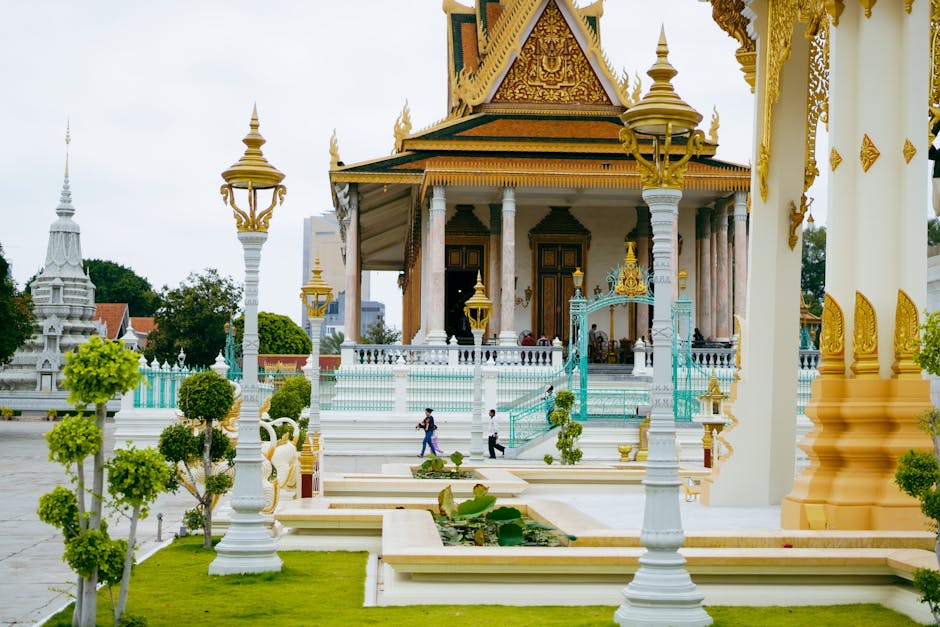
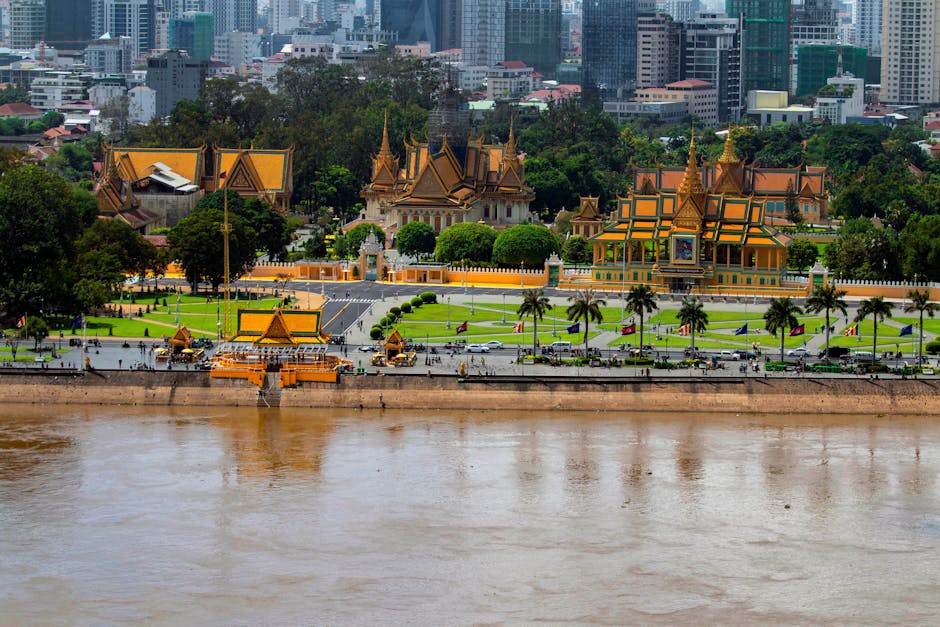
The Royal Palace and Silver Pagoda complex glitters on the Tonle Sap riverfront, and the National Museum houses the finest collection of Khmer sculpture outside Angkor. The sandstone pieces — dancing apsaras, serene Buddhas, the multi-armed Vishnu — are displayed in a terracotta courtyard that feels like a cloister, and the quality of the carving silenced me in a way that even Angkor itself did not, because here the scale is human and the detail is everything.
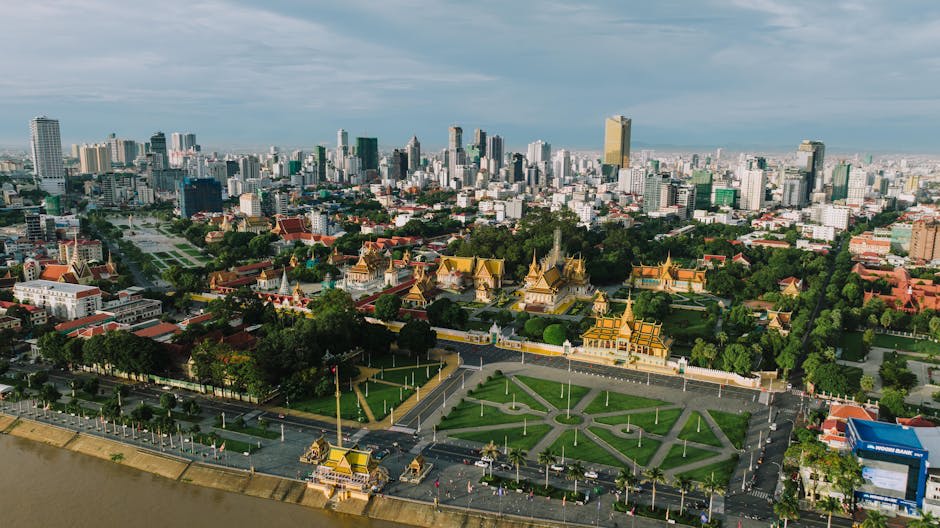
We ate fish amok at a street stall near the Central Market, drank sundowners at a rooftop bar overlooking the confluence of four rivers, and explored the art galleries and co-working spaces that are quietly making Phnom Penh one of Southeast Asia’s most creative capitals. The Russian Market — Psar Toul Tom Poung — is where the city does its actual shopping: fabric by the bolt, counterfeit clothing, handmade silver, and some of the best street food in the country served from stalls that have not moved in decades. I bought Kampot pepper there, loosely bagged, at a fraction of the export price.
The riverfront at dusk is when Phnom Penh exhales. Families gather along the promenade, children chase each other between the exercise stations, and the cafes fill with a mix of expats, young Cambodians, and travellers who came for two days and are now on their fifth. The city’s nightlife has a warmth to it that I did not expect — late dinners on the riverfront, live music in converted warehouses, the kind of bars where strangers talk to each other because the atmosphere insists on it. I came to Phnom Penh expecting heaviness. I found that too, but I also found a city that has decided joy is a form of resistance.
When to go: November to February is coolest and driest. The Water Festival in November is spectacular but crowded. The rainy season (June to October) brings afternoon downpours but greener landscapes and fewer tourists.