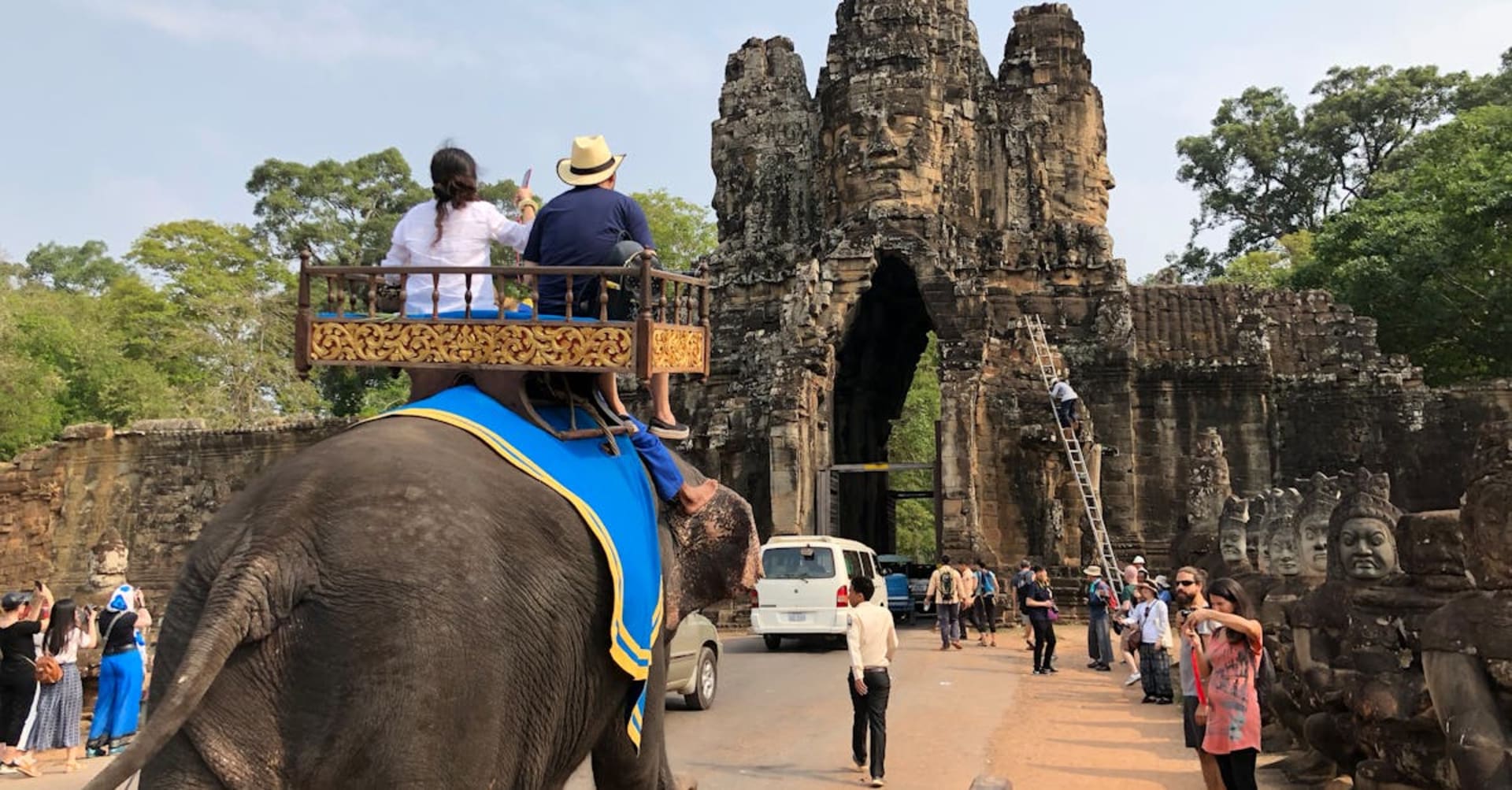
Siem Reap exists because of Angkor, but it has become something worth visiting in its own right. The old market area is a tangle of restaurants, galleries, and cocktail bars that somehow coexist with monks in saffron robes and tuk-tuk drivers who know every temple by heart. Pub Street pulses at night, but the quieter lanes off Sivatha Boulevard are where the town reveals its character — Khmer cooking classes, shadow puppet shows, and silk workshops keeping ancient crafts alive. I spent an afternoon at Artisans Angkor watching young carvers reproduce the apsara dancers of Angkor in sandstone, their chisels following patterns that have not changed in eight centuries. The precision was humbling.
The floating villages of Chong Kneas and Kampong Phluk sit on the edge of Tonle Sap lake, entire communities built on stilts above water that rises and falls with the seasons. We took a boat through flooded forest where the trees stood submerged to their canopies. The light filtered green through the leaves and the silence was total — one of those rare moments where the world narrows to exactly what is in front of you.
What surprised me most was the food scene. Siem Reap has moved far beyond the banana pancakes and fried rice of backpacker lore. We ate at a place near the river where the chef had trained in Phnom Penh and returned home to cook Khmer cuisine with a lightness and intention that felt entirely contemporary — fish amok steamed in banana leaf, green mango salad with smoked fish, a Kampot pepper sorbet that made no sense on paper and perfect sense on the tongue. The night markets near the old quarter sell grilled meats on sticks and fresh sugarcane juice, and the energy after dark is infectious without being overwhelming.
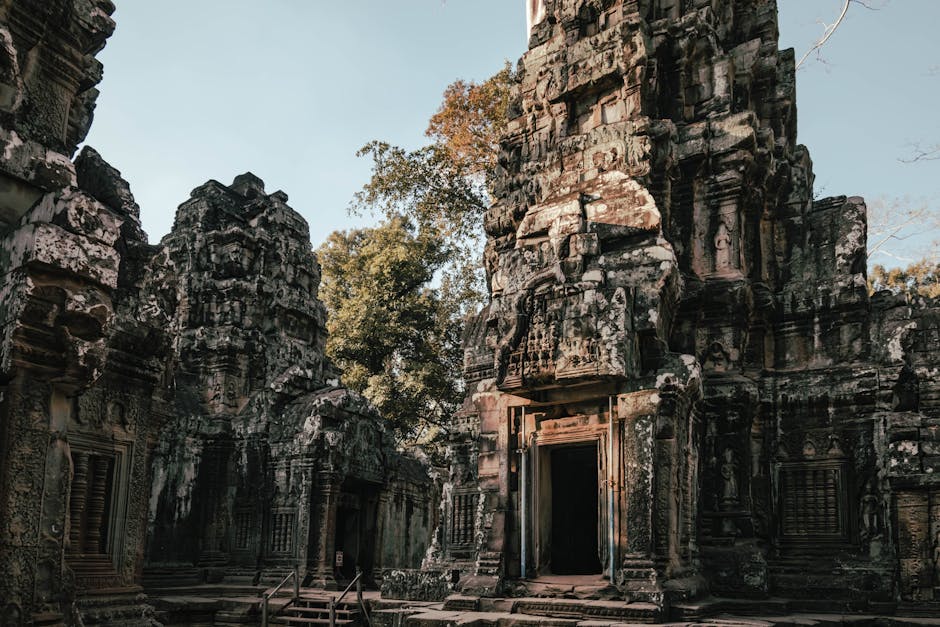
Siem Reap manages to be both a serious base for archaeological exploration and a surprisingly fun, walkable town that rewards an extra day or two beyond the temples. The Angkor National Museum is worth a morning — it contextualises everything you will see at the temples, and the gallery of a thousand Buddhas is genuinely moving. Rent a bicycle and ride out to the countryside: the rice paddies begin just minutes from the centre, and the smaller temples scattered among them — Banteay Kdei, Pre Rup, East Mebon — are often empty and all the more powerful for it.
When to go: November to February is cool and dry — ideal for temple exploration. September and October bring dramatic skies and lush greenery. Avoid the scorching heat of April if you can.