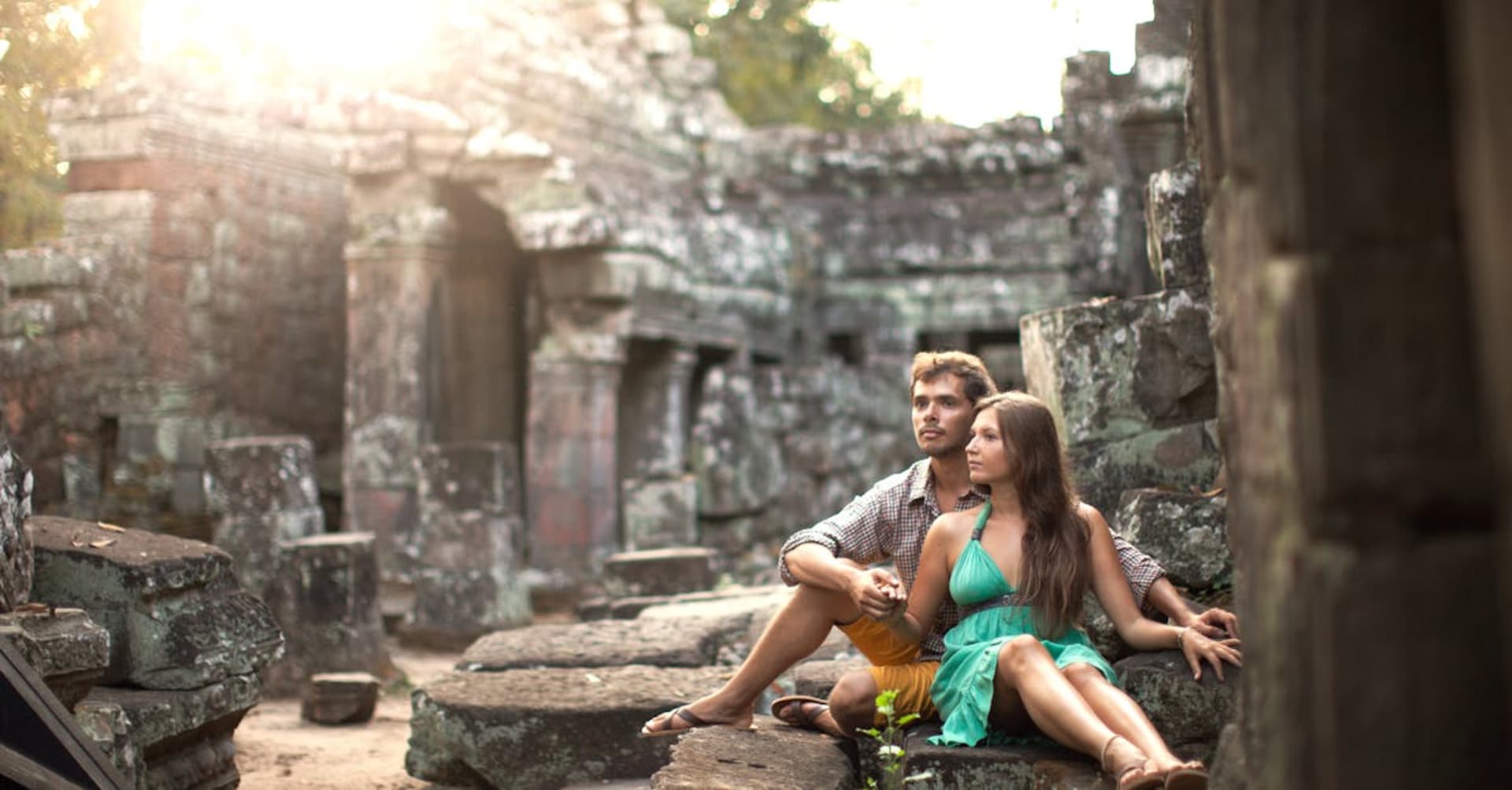
Kep was once the Cambodian Riviera, a retreat for the French colonial elite and later the Khmer aristocracy. The abandoned villas still dot the hillside, their modernist shells slowly being reclaimed by jungle — cracked swimming pools filling with rainwater, bougainvillea climbing through empty window frames, the particular beauty of elegance surrendering to entropy. I spent a morning walking among them, trying to reconstruct what this place must have looked like in the 1960s, before the Khmer Rouge emptied it and left the architecture to the trees. There is a sadness here, but also a strange peace — nature does not mourn what it reclaims.
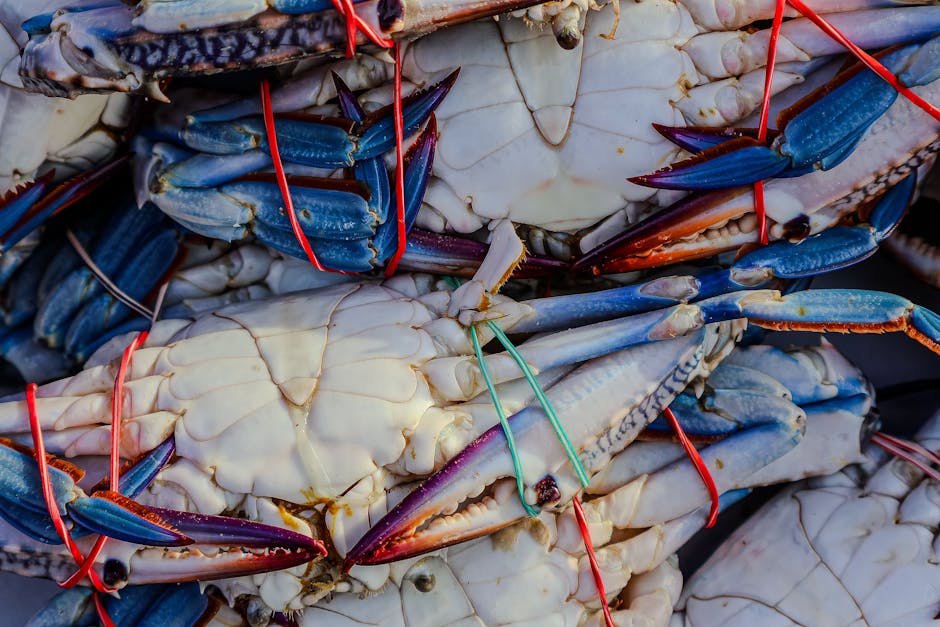
Today, Kep is a quiet seaside town whose fame rests on a single, perfect thing: its crab market. We sat at a plastic table on the waterfront and ate blue crab stir-fried with Kampot green pepper, and it was one of the best meals of our lives. Simple, impossibly fresh, and costing almost nothing. The crabs come straight from the traps that morning, and the green peppercorns are from plantations thirty minutes away, and the combination — sweet, briny crab meat with the sharp, floral heat of fresh pepper — is a flavour I have been chasing ever since and have never quite replicated at home. The crab market operates all day, but lunchtime is when the tables are fullest and the crabs most recently hauled in.
Beyond the crab, Kep National Park offers a gentle jungle hike with views over the coast — a loop trail that takes about two hours and passes through forest where monkeys crash through the canopy and the undergrowth hums with insects. The trail is well-marked and mercifully shaded, and the viewpoints at the top reveal the Gulf of Thailand stretching to the horizon, the Vietnamese island of Phu Quoc visible on clear days as a green smudge on the water. Rabbit Island — Koh Tonsay — is a short boat ride away and provides a Robinson Crusoe beach day with hammocks, grilled fish, and nothing else. We went for lunch and stayed until the last boat back, doing absolutely nothing with a commitment that felt like achievement.
The Sailing Club serves sundowners with a view of Phu Quoc shimmering on the horizon, and the new wave of boutique hotels along the hillside has brought a quiet sophistication to Kep without disrupting its essential sleepiness. Knai Bang Chatt, a restored modernist villa turned hotel, is one of the most beautiful places I have stayed in Southeast Asia — clean lines, salt-air breezes, and a pool that seems to merge with the sea. Kep pairs naturally with Kampot, thirty minutes away by tuk-tuk, and together they form the most compelling argument for Cambodia’s south coast.
When to go: November to May is dry season. December to February is ideal for warm days and cool evenings. The crab market operates year-round and is best visited at lunchtime.