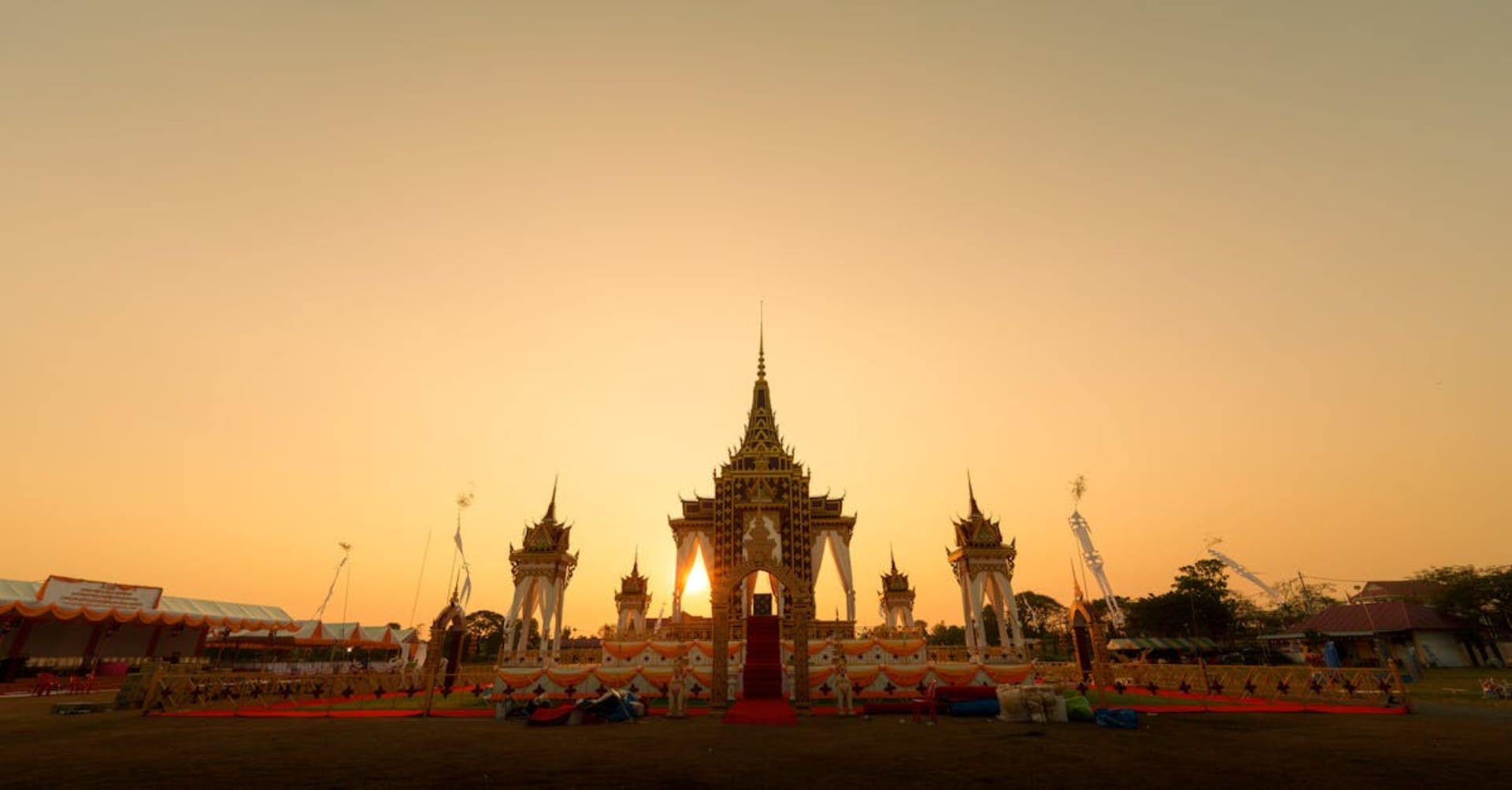
Mondulkiri
"We came for the elephants and discovered a Cambodia we did not know existed."
Mondulkiri shatters every expectation of what Cambodia looks like. Instead of flat rice paddies and temple ruins, this eastern province rolls in green hills covered in pine forests and grasslands that feel more like Scotland than Southeast Asia. The air is cooler up here, the nights require a blanket, and the landscape opens in every direction with a vastness that the rest of Cambodia — dense, flat, humid — does not prepare you for. I arrived after seven hours on a bus from Phnom Penh, stiff and skeptical, and the first view of the hills outside Sen Monorom silenced my complaints instantly.
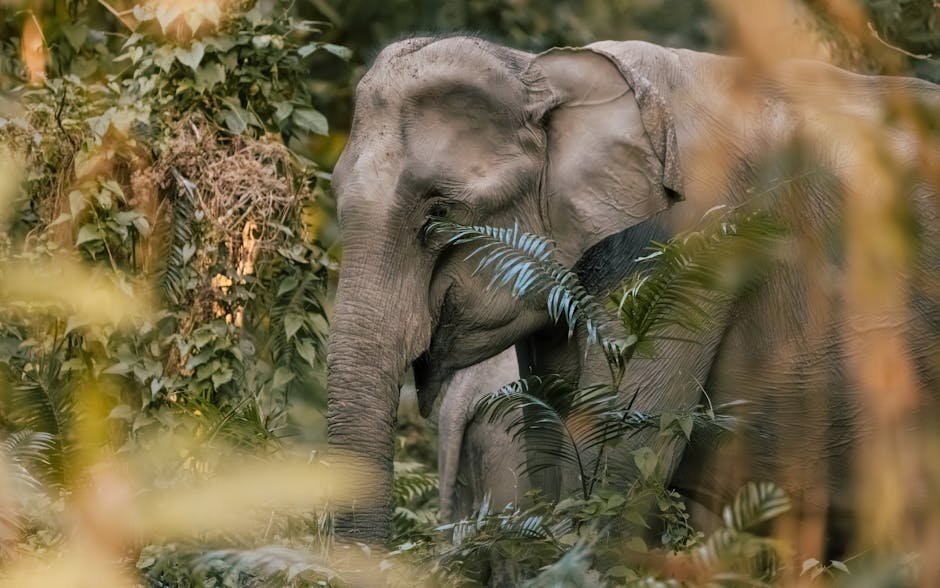
The indigenous Bunong people have lived here for centuries, and their connection to the elephants that roam these forests has given rise to some of the most ethical wildlife experiences in the region. We spent a day with the Elephant Valley Project, walking with rescued elephants through the jungle on their terms — no riding, no chains, no performance, just observation at a respectful distance. The elephants moved slowly, feeding on bamboo and bathing in the river, and the guides — all Bunong — explained each animal’s history: where it was rescued from, how long its recovery took, what its personality is like. One elderly female, freed from logging work, had a way of pausing and looking at us with an expression I can only describe as patient assessment. She had seen enough humans to have opinions.
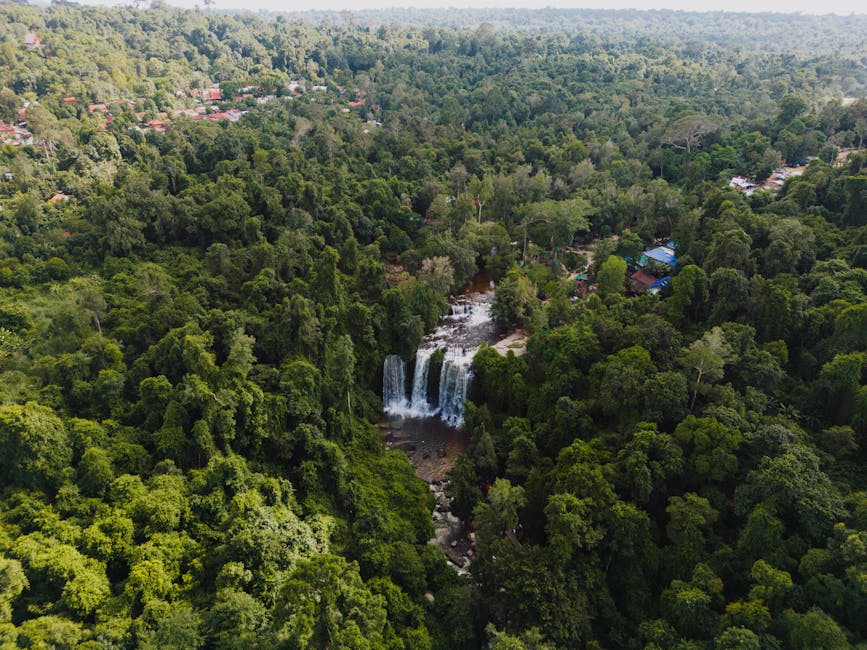
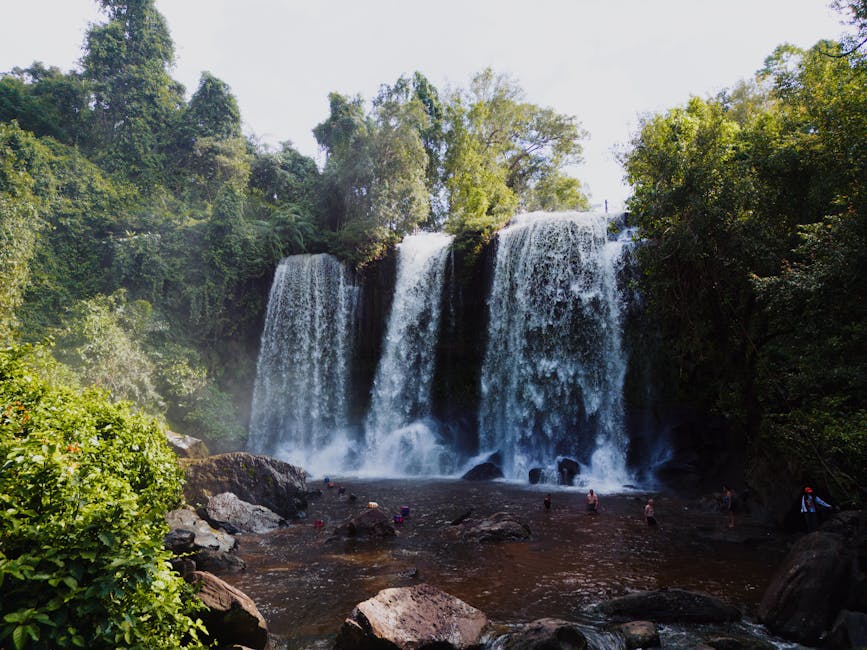
Bou Sra Waterfall, a two-tiered cascade crashing through dense forest, was the most powerful we had seen in Cambodia. The upper tier drops forty metres into a pool where the mist hangs permanent and the sound obliterates conversation. We climbed down to the base — the trail is steep, slippery, and worth every careful step — and stood close enough to feel the spray on our faces. The lower tier, wider and more accessible, has a natural swimming pool where local families gather on weekends, and the contrast between the raw power above and the calm pool below felt like a lesson in something, though I could not have told you what.
The town of Sen Monorom is small and friendly, its market selling wild honey, jungle fruits, and coffee grown on the surrounding hills. The coffee surprised me — Mondulkiri’s altitude and soil produce a bean with a richness that I had not associated with Cambodia, and the small roasters in town serve it with a pride that suggests they know what they have. The Bunong villages outside town, reached by motorbike on red-dirt roads, offer homestay experiences that are basic but genuine — sleeping in a longhouse, eating food cooked over a wood fire, and waking to a silence so complete it takes a moment to identify. Mondulkiri is for travellers who want to see Cambodia beyond the guidebook, and it rewards the effort of getting here with something no temple, however magnificent, can provide: the feeling of being somewhere genuinely unknown.
When to go: October to February is ideal — green landscapes after the rains, comfortable temperatures. The dry season (March to May) is hot and dusty. Roads improve annually but a sturdy vehicle is still recommended.