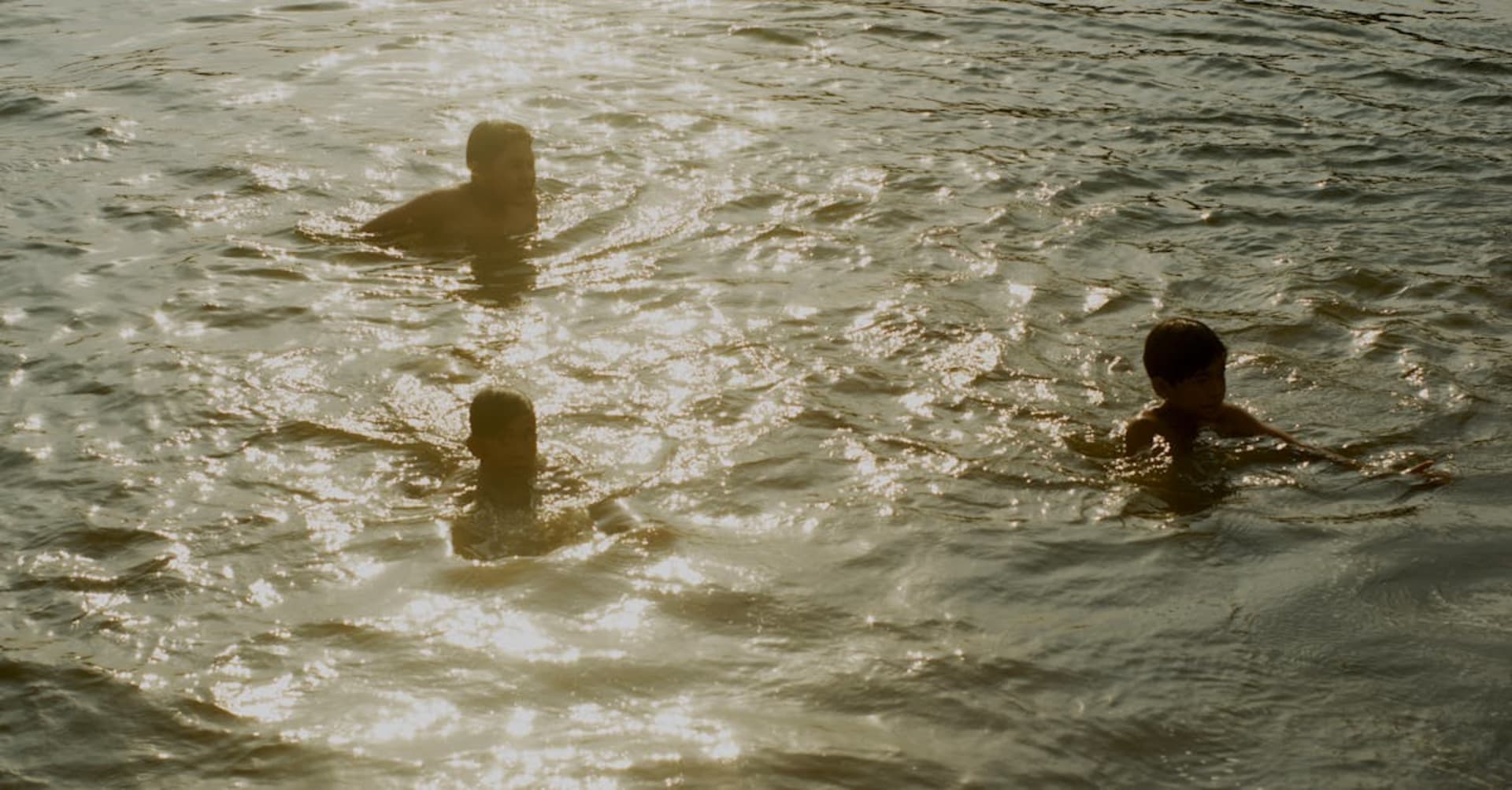
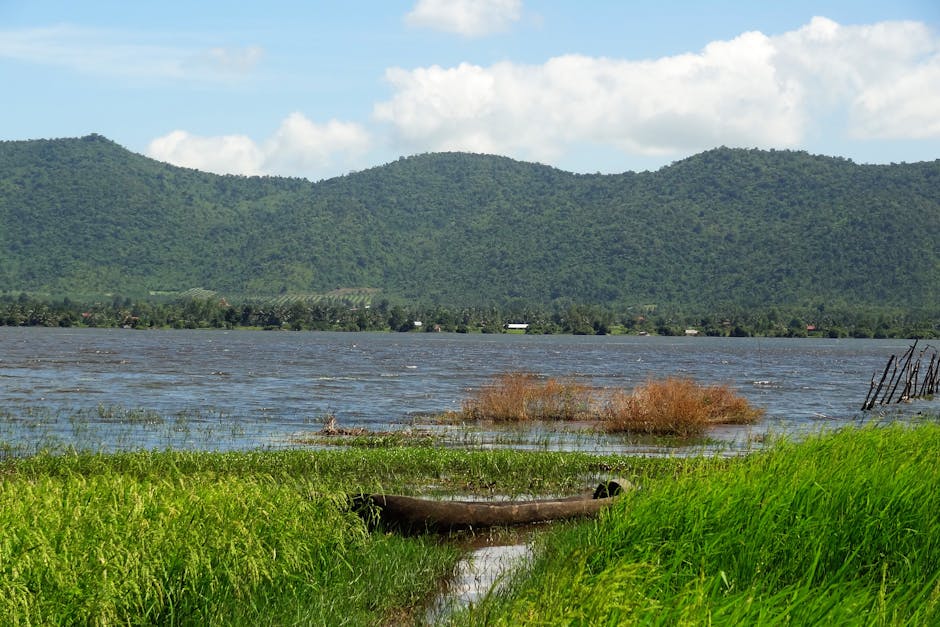
Kampot is the antidote to ambition. The town drapes itself along the Praek Tuek Chhu River, its pace set by the current — slow, warm, and unconcerned with schedules. The old French quarter is a grid of pastel shophouses, many converted into guesthouses and restaurants where the menu always features Kampot pepper, the town’s most famous export and arguably the world’s finest. I have cooked with pepper from Tellicherry, Sarawak, Malabar — none of them approach the complexity of a fresh Kampot peppercorn, which carries floral notes and a heat that builds slowly and lingers without aggression.
We kayaked up the river at sunset, the limestone karsts of Bokor Mountain turning purple against the sky, and the silence broken only by our paddles and the occasional splash of a fish. The river narrows as you go upstream, the mangroves pressing close, and the light does things at that hour that I have only seen in Cambodia and certain corners of Laos — a diffused gold that seems to come from the air itself rather than the sun. I paddled until my arms ached and did not want to stop.
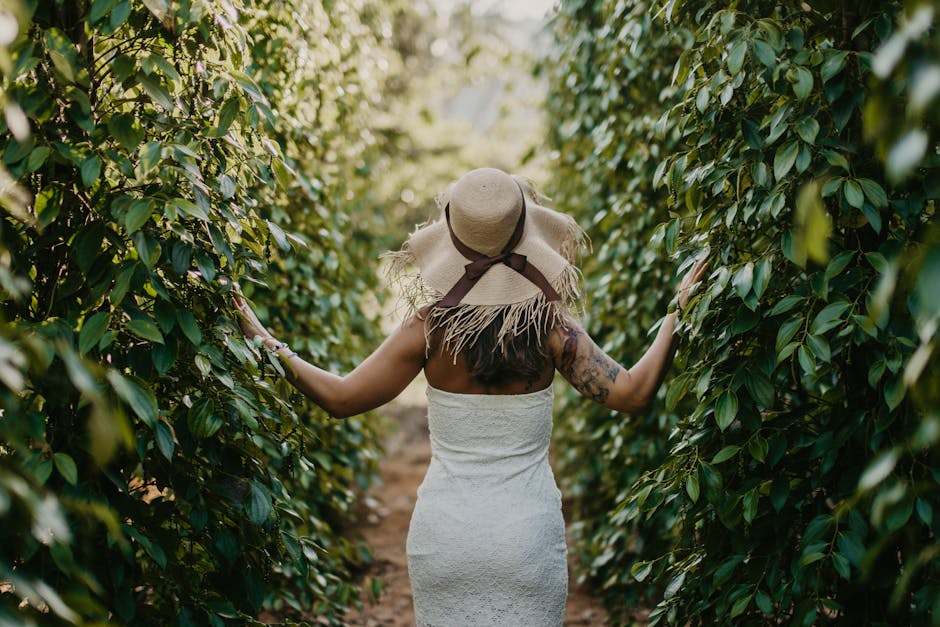
We visited a pepper plantation the next morning and tasted fresh green peppercorns straight from the vine — an intensity of flavour that bears no resemblance to the dried product. The farmer explained the three harvests: green peppercorns picked young, red peppercorns left to ripen, and black peppercorns dried in the sun. Each has its own character, and the plantation sells them all in small bags that have become the only souvenir I consistently bring home from Southeast Asia. The abandoned hill station atop Bokor Mountain, with its ghostly French-era buildings and views to the sea, added a touch of the surreal — a casino, a church, and a hotel from the 1920s, all empty, all slowly being reclaimed by the cloud forest.
The evenings in Kampot are for the riverfront. The restaurants along the water serve Kampot pepper crab, grilled squid, and cold Angkor beer, and the conversation at the communal tables tends toward the philosophical — this is a town that attracts people who have been travelling long enough to prefer stillness over stimulation. The Secret Lake, a natural swimming hole in the jungle outside town, is best reached by motorbike on a dirt road that winds through durian orchards and cashew farms. Kampot is where you go when you have been travelling too fast, and it has a way of making you wonder why you ever travel fast at all.
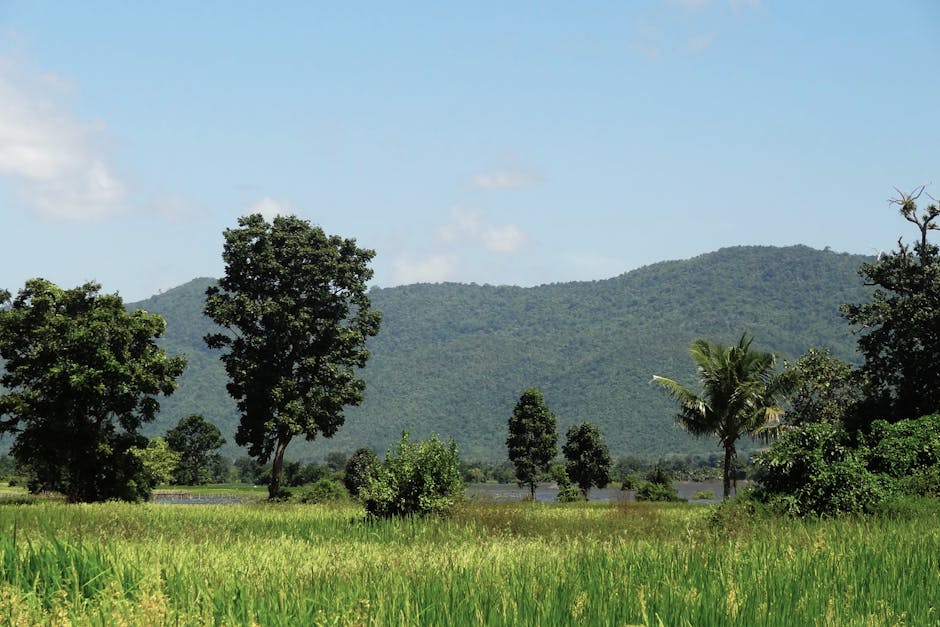
When to go: November to May is dry. December to February is ideal — cool evenings, clear skies. Wet season brings lush green landscapes and dramatic afternoon storms that clear quickly.