Americas
Bolivia
"Bolivia doesn't care whether you're ready for it. It simply begins."
Bolivia is the country that humbles you before it dazzles you — altitude, isolation, and a white salt desert the size of a small country that reflects the sky so perfectly you lose track of which way is up.
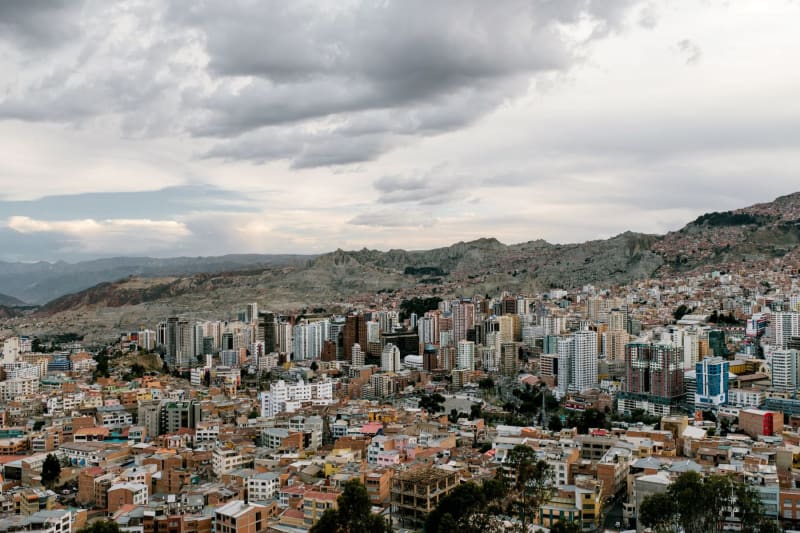
I arrived in La Paz from Lima on a night flight, and nothing had prepared me for stepping off the plane at El Alto airport — at 4,061 metres above sea level, the highest commercial airport in the world — and feeling my body simply refuse to cooperate. Not pain exactly, more like someone had turned the gravity dial up and the oxygen dial down at the same time. I sat in the taxi watching the city of La Paz reveal itself below in a crater of light, dense and vertical and implausible, and I thought: this place is serious.
La Paz is one of the strangest and most compelling cities I have passed through in years of travel. It makes no concessions to newcomers. The streets of the Witches’ Market — Mercado de las Brujas — sell dried llama foetuses, herbal remedies, incense bundles, and coca leaves with a completely straight face, because these are not tourist props but the materials of active spiritual practice. The cable cars crossing the sky above the city are genuinely the best urban transport I have ever used: cheap, fast, and offering views that no dedicated tourist attraction could match. I ate salteñas — those juicy, barely-manageable Bolivian pastries — at seven in the morning standing at a street counter, broth running down my wrist, and felt immediately at home.
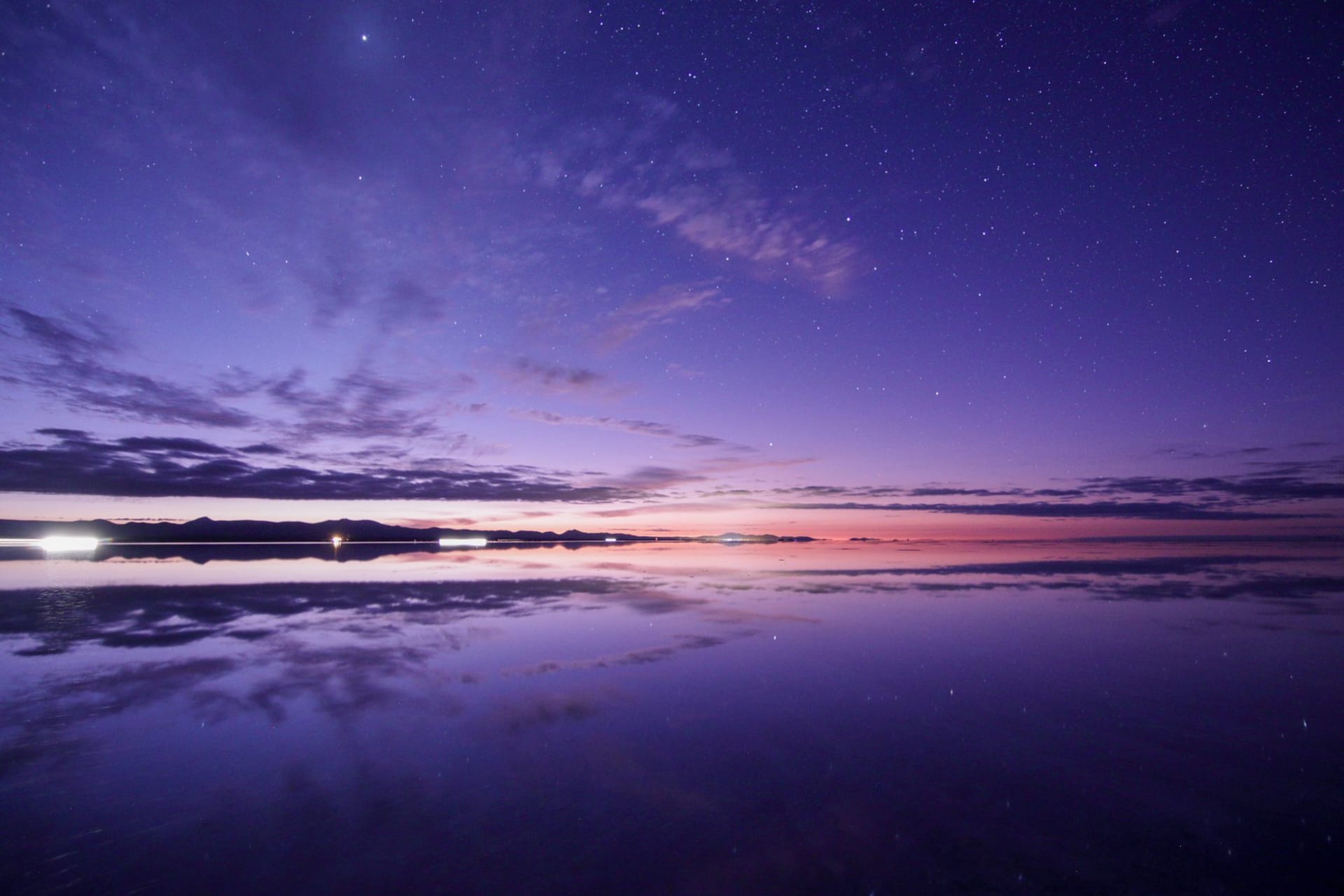
But the reason most people come to Bolivia, and the reason they leave changed, is the Salar de Uyuni. I went at the tail end of the rainy season when a thin film of water covers the salt, transforming 10,000 square kilometres into a mirror. The effect is not just beautiful — it is destabilising. You drive across it and the horizon disappears, replaced by a seamless continuity of sky above and below, the truck appearing to float in a silver void. I have seen a lot of landscapes. I have seen very few that made me genuinely question what I was perceiving.
When to go: The rainy season (November to April) produces the famous mirror effect on the salt flat, but travel can be difficult and some roads become impassable. The dry season (May to October) gives you easier logistics, firmer ground, and the classic graphic salt hexagon patterns. May and June hit the sweet spot — the rains have just ended, some residual water remains, and the skies are sharply clear. Avoid August if you dislike wind.
What most guides get wrong: They treat the Salar as the whole story and rush past everything else. The altiplano between La Paz and Uyuni contains some of the most extraordinary and overlooked landscapes in South America: Eduardo Avaroa National Park with its coloured lagoons, flamingos feeding at altitude, smoking volcanoes, and geothermal fields that smell like the beginning of the world. Bolivia is also significantly cheaper than neighbouring Peru, which means you can take more time — and time is the one thing Bolivia absolutely requires.
Explore
Places in Bolivia
 bolivia
 La Paz
The world's highest administrative capital, where teleférico gondolas float above indigenous markets and colonial plazas.
Explore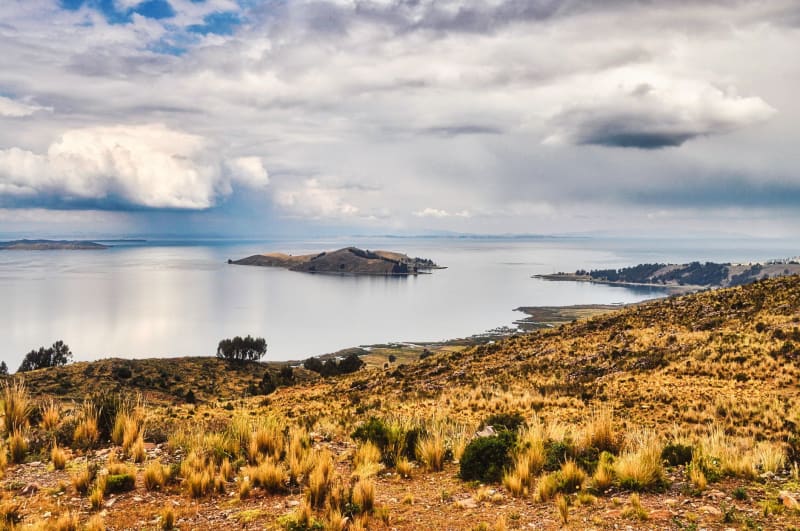 bolivia
 Lake Titicaca
The world's highest navigable lake sits at 3,800 meters, its impossible blue a trick of altitude and Andean light that no photograph ever quite catches.
Explore bolivia
 Potosi
The silver mountain that funded the Spanish Empire still looms over this 4,090m colonial city of sobering history.
Explore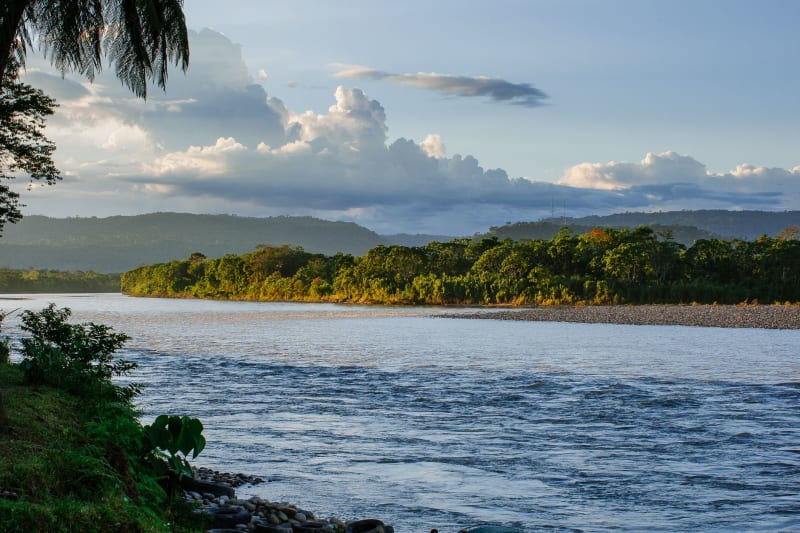 bolivia
 Rurrenabaque
A small Amazonian river town where the Andes end abruptly and Bolivia becomes jungle — hot, loud at night, and startlingly alive in all the wrong places.
Explore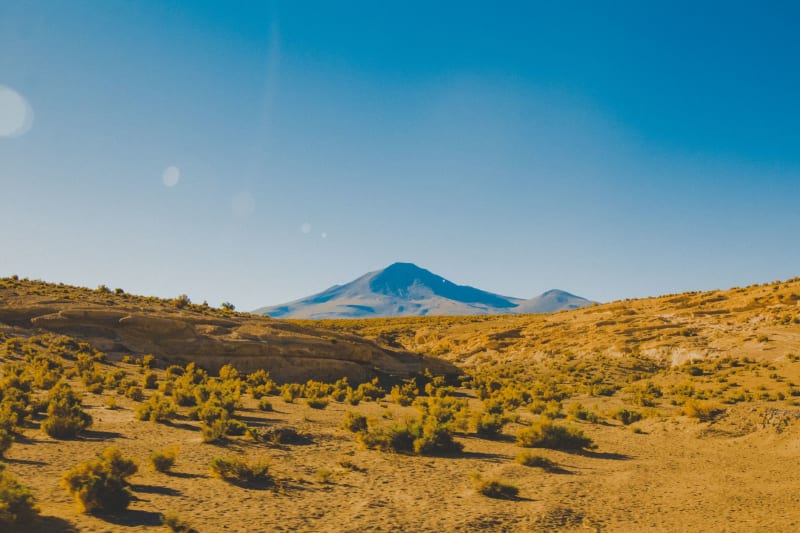 bolivia
 Sajama National Park
Bolivia's oldest national park, a high-altitude desert crowned by the country's tallest volcano and stitched with ancient queñua forests.
Explore bolivia
 Salar de Uyuni
The world's largest salt flat becomes a perfect mirror after rain, reflecting an infinite sky with no horizon.
Explore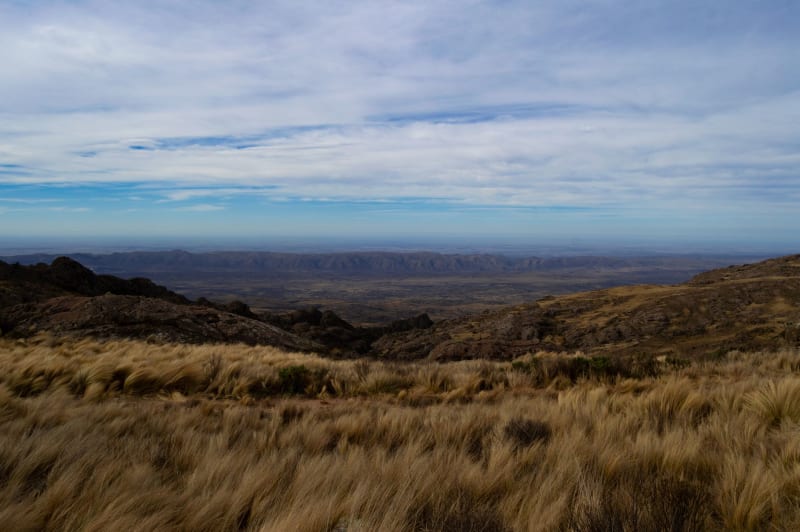 bolivia
 Samaipata
A hillside village in Bolivia's cloud forest with a pre-Inca ceremonial rock that archaeologists still argue about and a pace of life that actively resists explanation.
Explore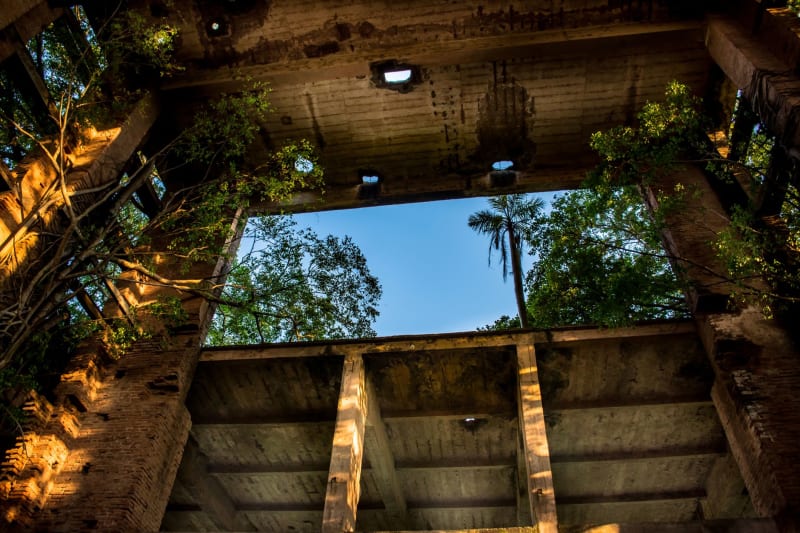 bolivia
 Santa Cruz de la Sierra
Bolivia's largest city sprawls across the eastern lowlands with a confidence the highlands don't share — colonial center, tropical heat, and a midnight energy that La Paz never quite manages.
Explore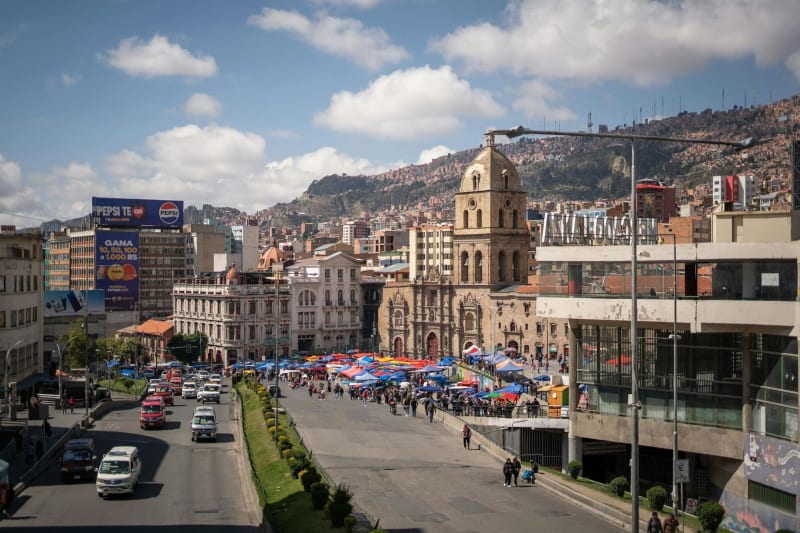 bolivia
 Sucre
Bolivia's white city of whitewashed colonial architecture and Bolivia's most approachable, student-filled capital.
Explore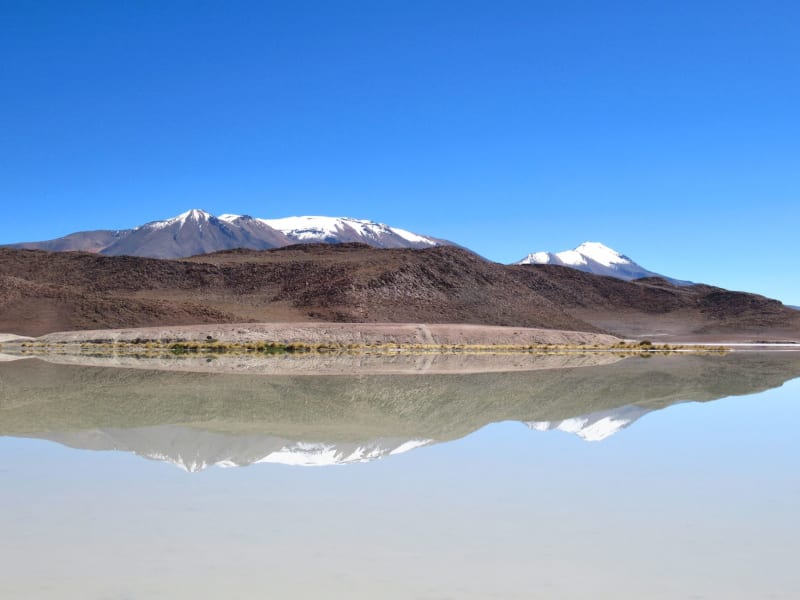 bolivia
 Tupiza
A quiet town in Bolivia's deep south surrounded by eroded red canyons and silver-rush ghost towns, where the landscape looks like the American West dreamed in Spanish.
Explore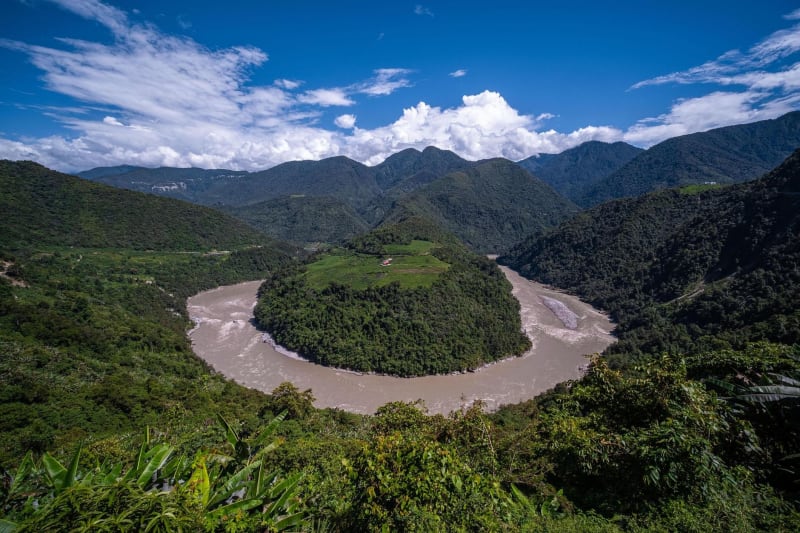 bolivia
 The Yungas
The subtropical valleys that spill down from the Andes toward the Amazon, where the road cuts through cloud forest and the air goes from cold and thin to warm and green within an hour.
Explore