Most people pass through Tupiza only to start a salt flat tour — the classic route that ends four days later at Uyuni. That’s a shame, because the town deserves more than a one-night layover. It sits at 2,950 meters in a valley carved by the Tupiza River, surrounded by quebradas — eroded ravines of red, ochre, and violet rock — that glow at dusk in colors you expect from New Mexico or Andalusia, not Bolivia. The air is dry and smells of dust and something mineral, like iron.
The Quebradas
The geology around Tupiza is the main event. Volcanic activity and millions of years of erosion have cut the surrounding hills into columns, fins, and walls that local guides have named with a regional poet’s sensibility: El Cañón de la Palala, Los Machos, El Valle de los Enamorados. You can ride into them on horseback — the most fitting method, given the landscape’s western mythology — or hike the closer trails on foot.
I went out early one morning when the light was still low and sideways and the shadows still long. The canyon walls were deep red in the direct sun and almost purple in the shade. Nothing was moving except a few buzzards working the thermals. The silence had the quality that high-altitude deserts always seem to produce: not empty, exactly, but clean. Concentrated.
Butch Cassidy and the End of the Story
Butch Cassidy and the Sundance Kid met their end somewhere in this region in 1908, cornered by soldiers in the nearby village of San Vicente. The exact details are still disputed — some historians maintain they escaped; the Bolivian military record says otherwise — but the mythology has settled over the landscape like the dust itself. The town of San Vicente is accessible as a day trip, a sparse collection of adobe buildings at high altitude with a cemetery that allegedly contains the graves.
I didn’t make it to San Vicente. But the knowledge that this is where a certain story ended gives the landscape an extra texture. There’s something appropriate about outlaws running out of distance in a place like this — beautiful and remote and just far enough from everywhere to feel like the edge of something.
The Town Itself
Tupiza is small and functional rather than picturesque. A main plaza with the requisite cathedral, a market that does good business in the mornings, a handful of restaurants aimed at backpackers doing the Uyuni circuit. The evening meal culture leans toward set menus — soup, a protein, rice — at prices that feel like a rounding error. The local chicha is served warm in clay cups in the market, which is either authentic or slightly alarming depending on how you approach fermented corn beverages.
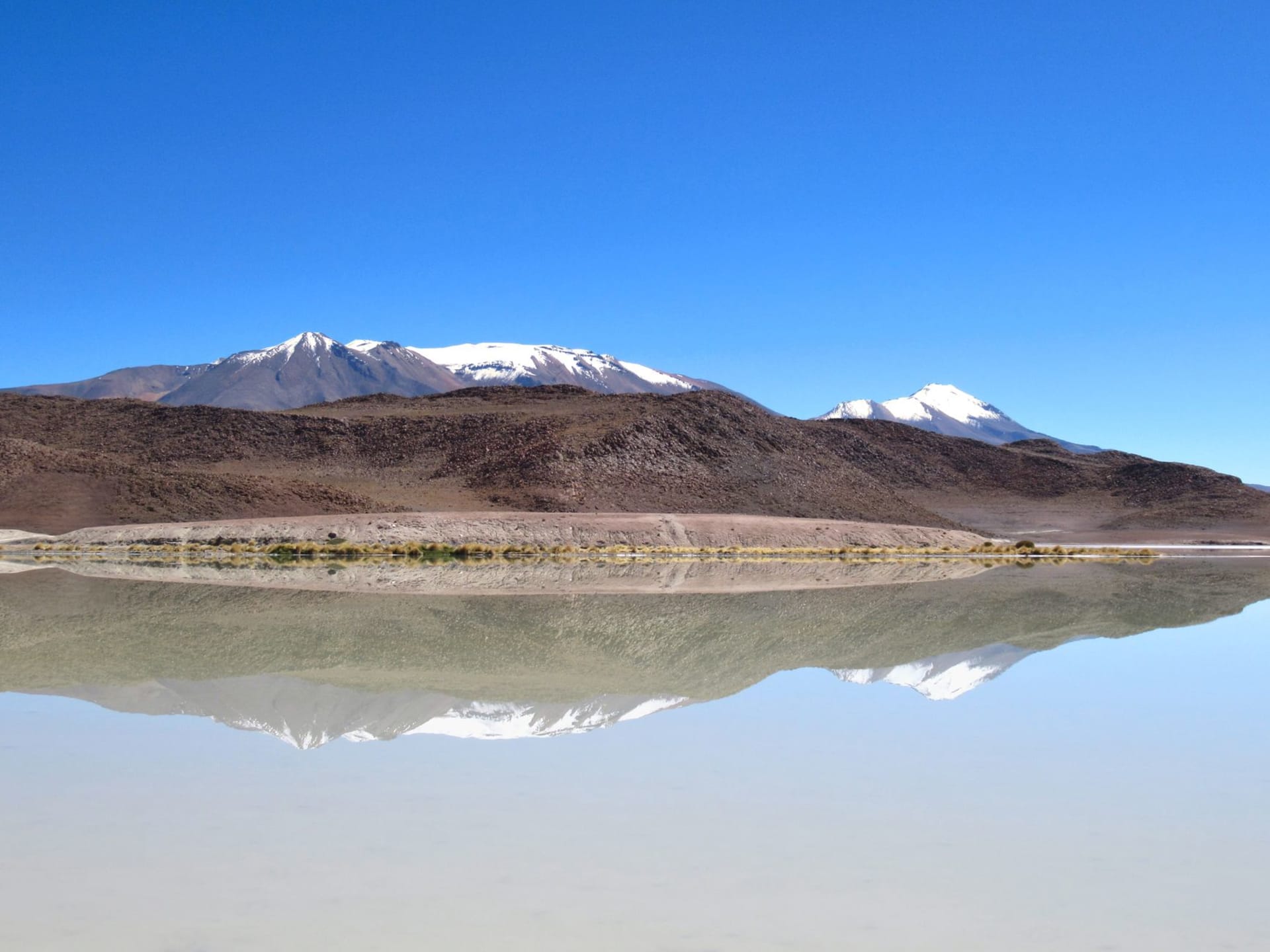
From Tupiza the Uyuni salt flat tour typically runs four days through high-altitude lagoons, geysers, and flamingo-populated wetlands before finishing at the salt flat itself. Many operators run it in the reverse direction; starting in Tupiza means smaller groups and better road conditions on the first two days.
When to go: May to October is dry and cold at night — temperatures drop below freezing after sunset, so pack more than you think you need. The canyons are most dramatically lit in May and June when the air is clearest. November to March brings rain that turns some roads impassable; the salt flat tours run but conditions vary.