Americas
Argentina
"Argentina is a country that does nothing at half volume."
Argentina took me about three days to calibrate to. Everything here runs louder than I expected — more passionate, more dramatic, more delicious, more infuriating, more beautiful. Buenos Aires alone contains enough contradiction to fuel a dozen novels: a city that looks like Paris, moves like Madrid, eats like Lyon, and stays up later than any of them. Lia and I showed up for dinner at ten one night and the restaurant was still half-empty. Midnight is when things actually begin. The clubs open at two and close when the sun returns, which I discovered not because I stayed that late but because the taxi driver told me with the tone of someone stating the obvious.
The steak deserves everything they say about it, but the story is more interesting than the headline. I ate at a parrilla in Palermo on our second night — nothing fancy, no reservation, just a charcoal smell from the sidewalk and a handwritten chalkboard — and the cut they brought me was so simple and so right that I sat there for a moment before cutting into it. Argentine beef is grass-fed on the Pampas, grilled over wood embers whole and slow, and it produces something that makes most steakhouse culture elsewhere feel overwrought. Pair it with a Mendoza Malbec, which has quietly become one of the world’s great wine stories, and the simple act of dinner becomes an event I would cross an ocean to repeat.
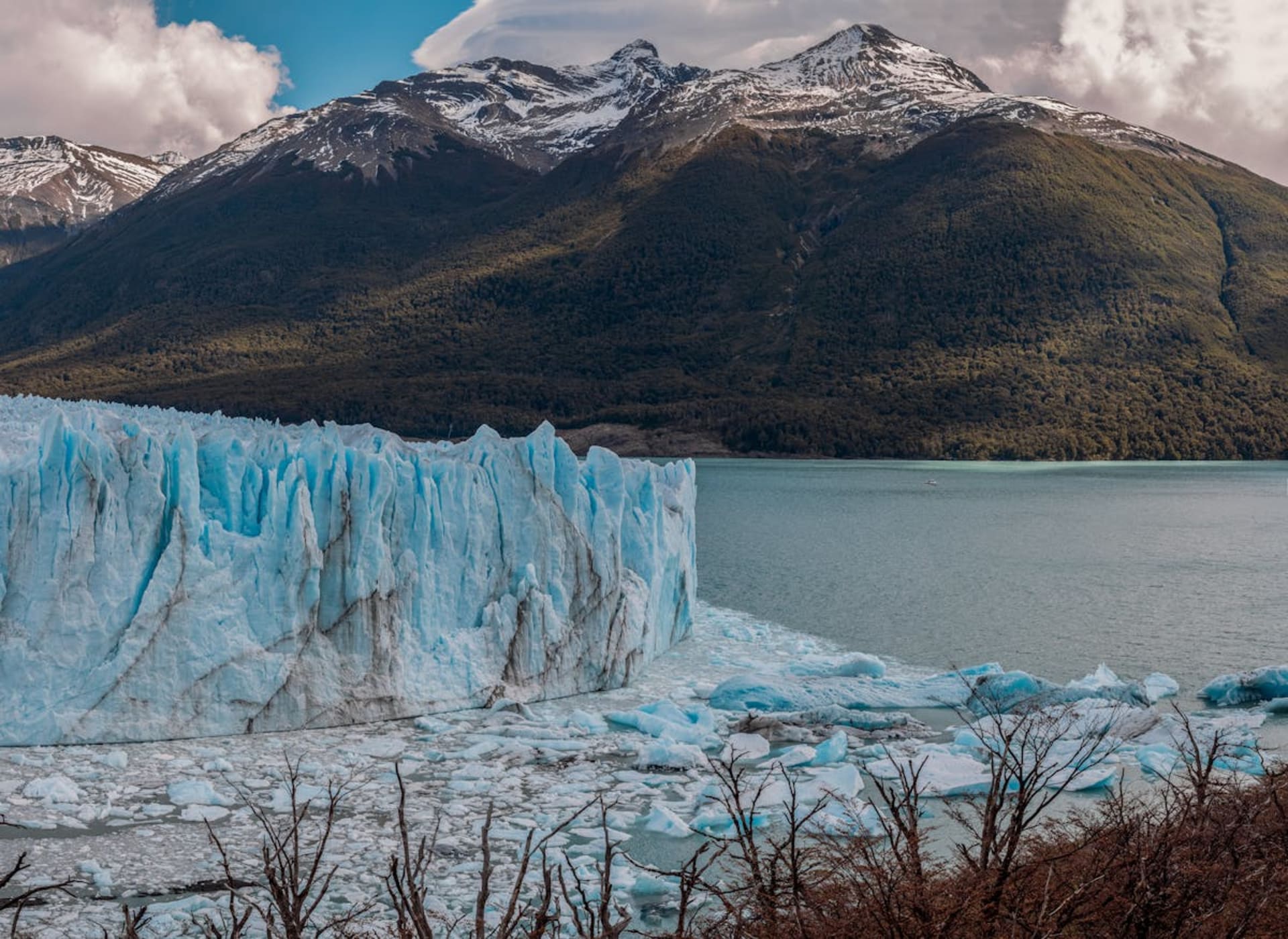
Then there is Patagonia, which is not so much a landscape as an argument about scale. I stood at the edge of the Perito Moreno glacier on a grey morning — a wall of ice three miles wide — and waited. Lia had already given up and gone for coffee. Twenty minutes later, a section the size of an apartment building sheared off into the turquoise water below with a sound like artillery. I had not expected to feel what I felt. The granite towers of Fitz Roy appeared and disappeared behind cloud with the temperament of a diva — we spent a full day hiking toward them and never got the summit view the photos promise, and I was not sorry. Tierra del Fuego, at the bottom of the continent, feels like the edge of the world because it very nearly is. The wind down there is a physical force, a constant companion that makes every step feel earned.
When to go: October through April for Patagonia, with December through February offering the longest days and mildest weather. Buenos Aires is a year-round city, though spring (September to November) is when I would go back. Mendoza’s wine harvest runs March through April, which is as good a reason as any to time a trip.
What most guides get wrong: They rush Patagonia. I came with a tight schedule and left wishing I had built in three more days. The classic Torres del Paine circuit and the trails around El Chaltén demand time — not because they are logistically complicated, but because the weather changes hourly and the best moments come to those who wait. The glacier calved when I stopped watching for it. The Fitz Roy towers cleared for forty minutes at dawn on a day I almost stayed in the tent. Build buffer days into any Patagonia itinerary. You will be glad you did.
Explore
Places in Argentina
Bariloche
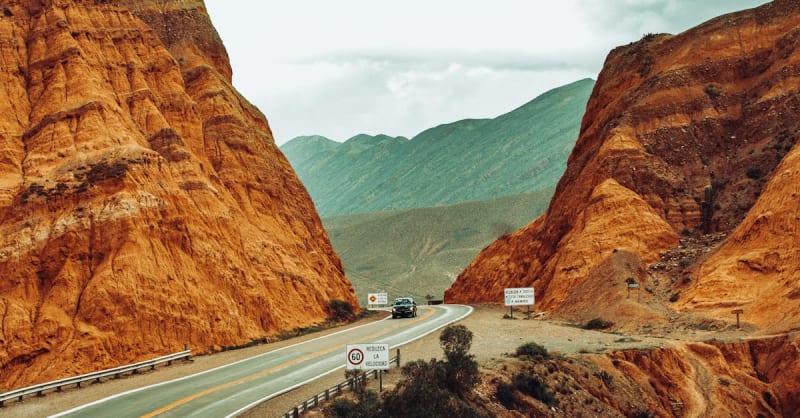
The Argentine Lake District's chocolate-box town — alpine scenery, craft beer, and Patagonian charm.
Buenos Aires
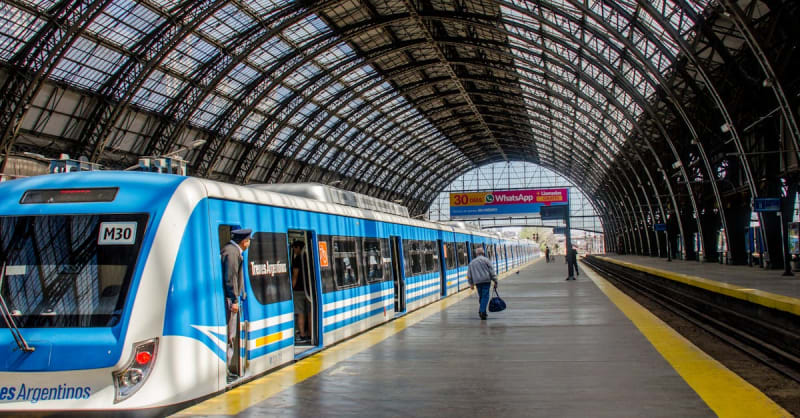
The Paris of South America — tango, steak, Malbec, and a fierce cultural pride on every corner.
Buenos Aires Palermo
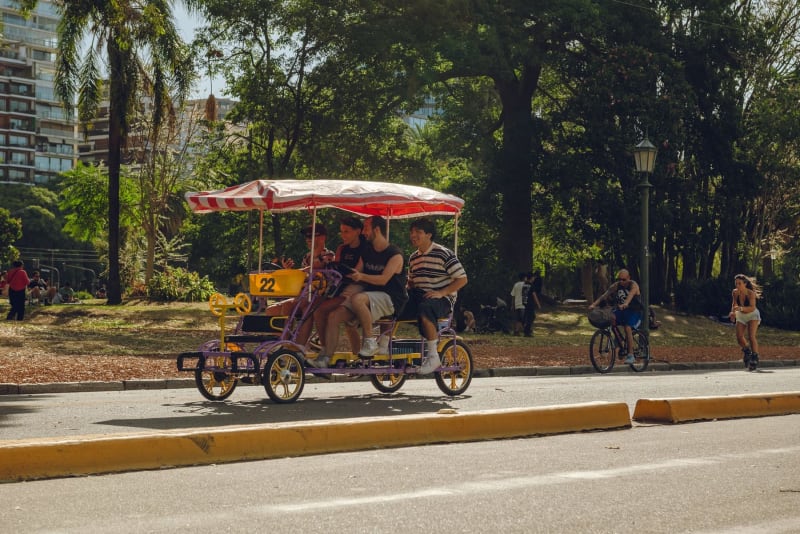
Palermo's leafy streets buzz with tango bars, specialty coffee, and the sidewalk energy of Latin America's Paris.

Cafayate
A high-altitude wine town in the Calchaquí Valleys ringed by rust-red rock formations and torrontés vineyards.

Cordoba
Argentina's second city — a university town of Jesuit history, craft beer, and sierras on the doorstep.
El Chalten
Argentina's trekking capital — a tiny village beneath the jagged spires of Mount Fitz Roy.
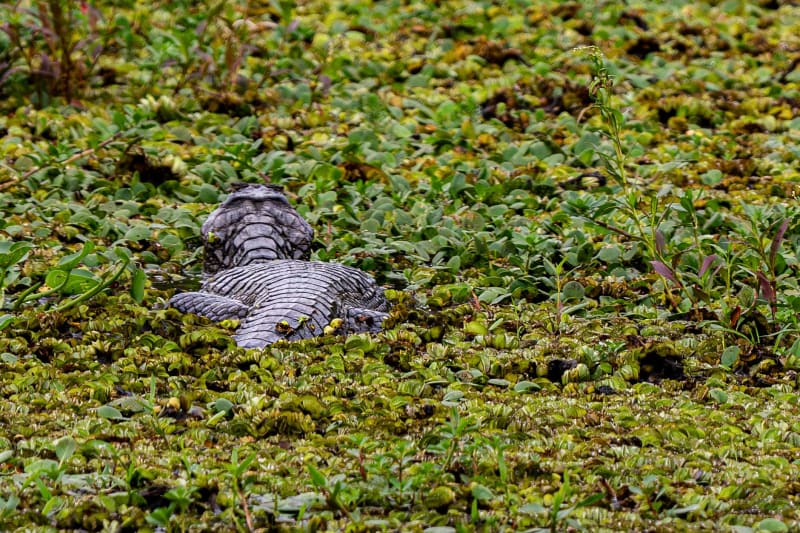
Esteros del Iberá
A vast wetland in northeast Argentina where caimans bask on floating islands and capybaras graze the verges, now one of the continent's great rewilding stories.
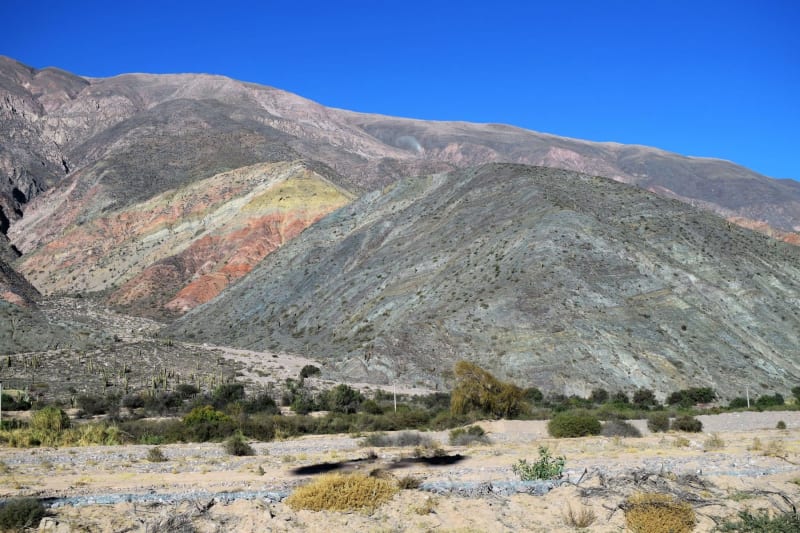
Quebrada de Humahuaca
A UNESCO-listed Andean gorge in Jujuy with villages of mud and straw, colonial churches, and mountains in fourteen colors.
Iguazu Falls
Nearly 275 waterfalls crashing through subtropical jungle — nature at its most thunderously spectacular.
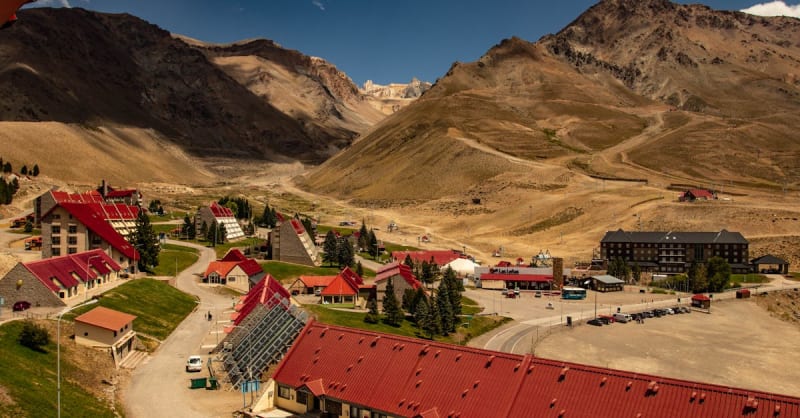
Mendoza
Argentina's wine capital — Malbec country set against the dramatic backdrop of the Andes.
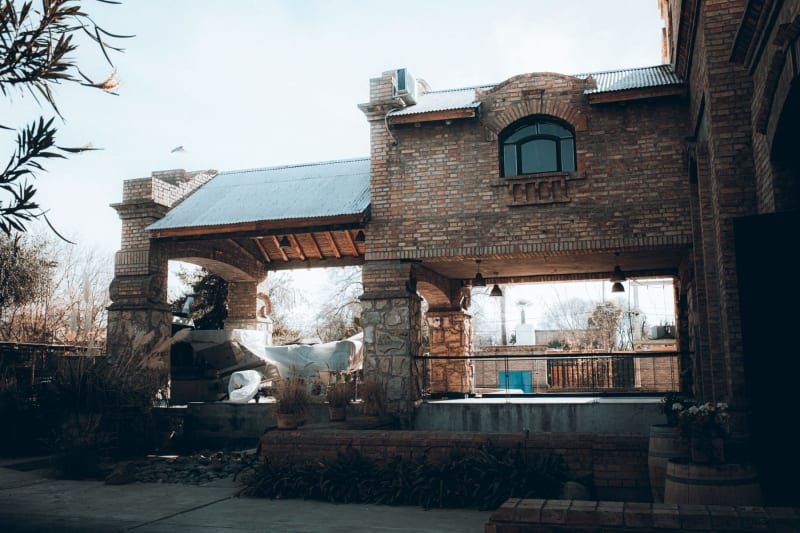
Mendoza Wine Country
Malbec vines stretch toward the Andes in one of the world's great wine regions, best explored by bicycle.
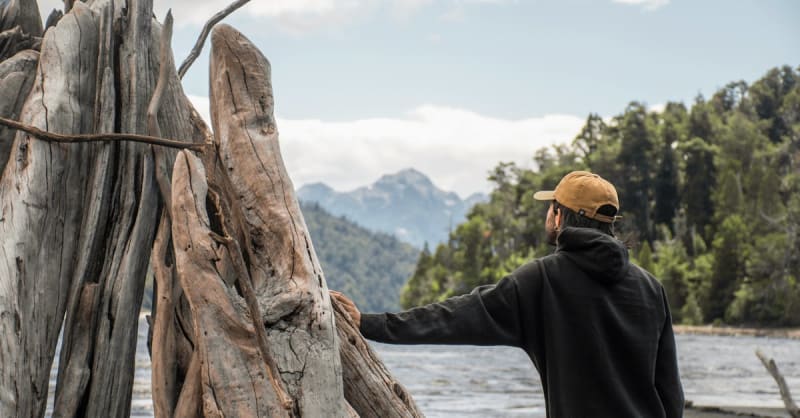
Patagonia
The end of the world — vast steppe, glaciers calving into lakes, and winds that shape everything.
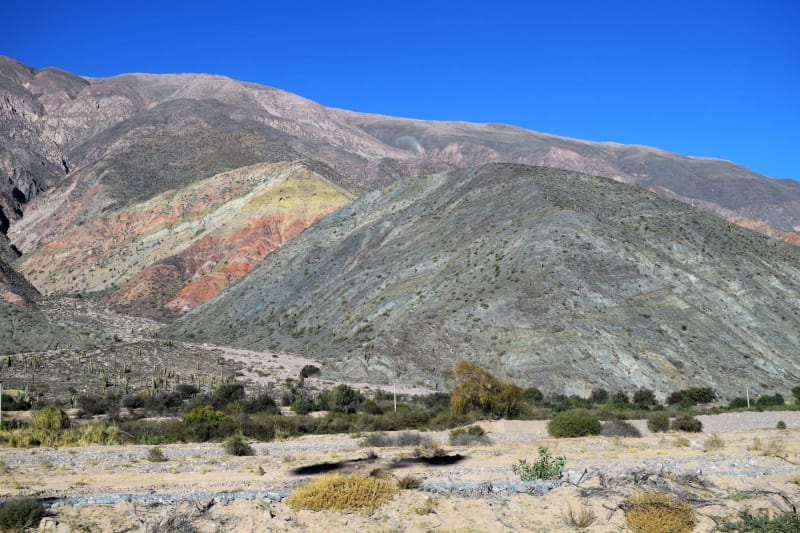
Quebrada de Humahuaca
A UNESCO-listed gorge of 14 colors where ancient Andean cultures, cactus, and carnival traditions live together.
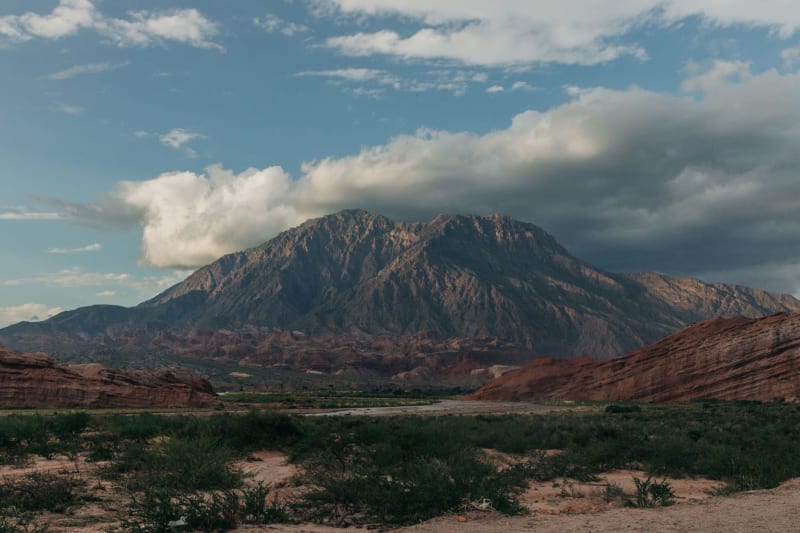
Salta
Colonial elegance in Argentina's northwest — red-rock canyons, empanadas, and Andean folk traditions.
Salta City
La Linda, they call it — this northwestern city of colonial churches and empanadas framed by Andean hills.
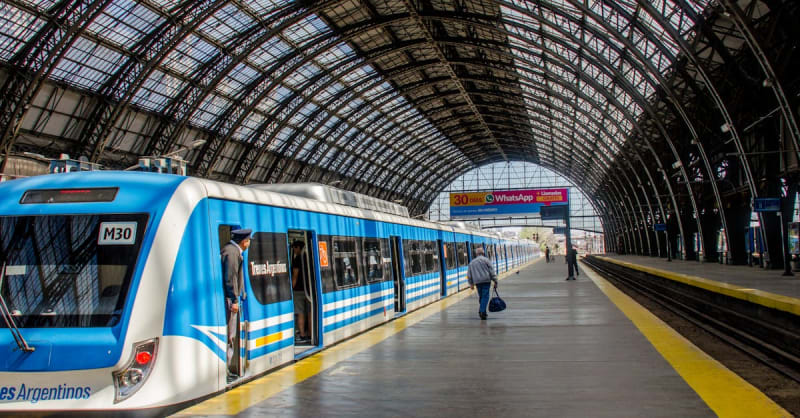
Tigre
A river delta of islands and channels just outside Buenos Aires — a watery escape from the capital's hustle.
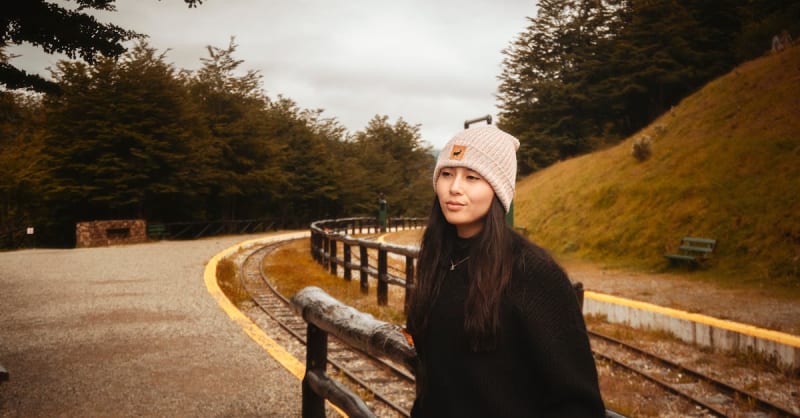
Ushuaia
The southernmost city in the world — gateway to Antarctica, ringed by mountains and the Beagle Channel.
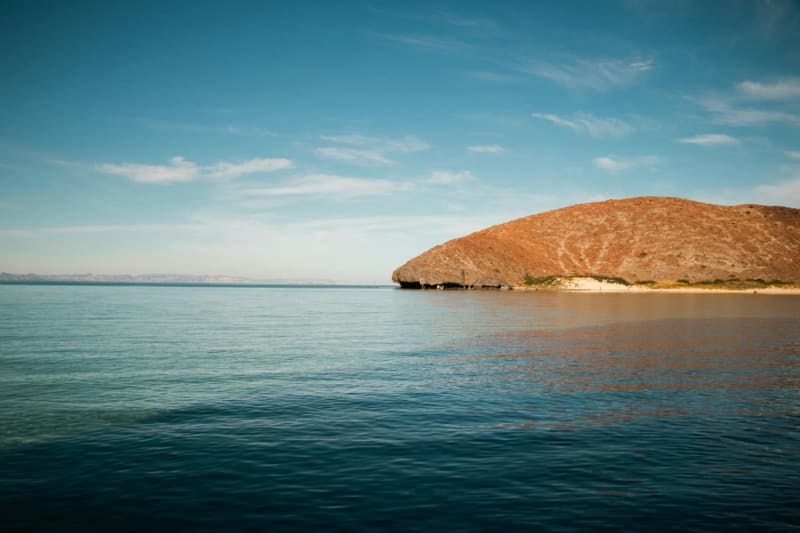
Valdes Peninsula
Right whales breach offshore while penguins waddle ashore on this UNESCO-listed Patagonian wildlife sanctuary.
Free download
Get the Argentina Guide
A curated PDF itinerary with honest picks, real restaurants, and the details that matter — the kind you'd actually print and bring.
Download the guide