Tigre
"An hour from Buenos Aires, the streets become water and the noise becomes birdsong."
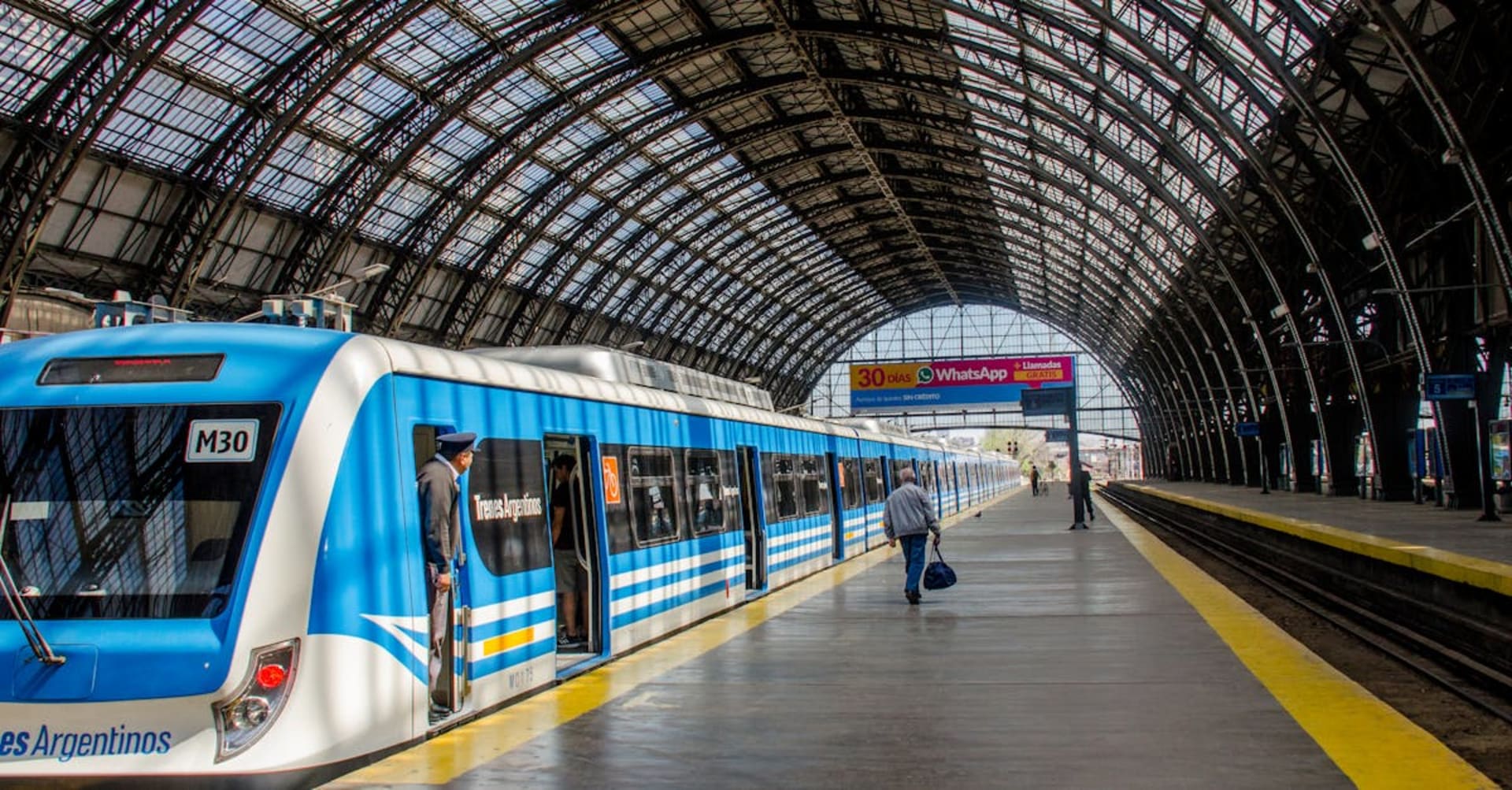
The transformation begins on the train. Departing from Retiro station in the concrete heart of Buenos Aires, the Mitre line rattles north through increasingly green suburbs until, within an hour, the city releases its grip entirely. Tigre appears at the end of the line — a small, slightly faded town on the banks of the Lujan River, where the streets give way to water and the great Parana Delta begins its sprawl of islands, channels, and hidden waterways stretching north toward Entre Rios province. It is one of the largest river deltas in the world, and it starts, improbably, within commuting distance of a city of fifteen million.
The delta is not a single river but a labyrinth. Channels branch and rebranch through dense subtropical vegetation — willows trailing their fingers in the brown water, ceibo trees exploding in red flower, and a canopy thick enough to block the sky. The water itself is the color of strong tea, stained by the tannins of the upstream forests, and it moves with a slow, purposeful current that carries fallen branches, water hyacinths, and the occasional kayaker downstream. Houses appear along the banks — some modest wooden structures on stilts, others grand weekend retreats with manicured lawns that slope to private docks. There are no roads on the islands. Everything arrives and departs by water.
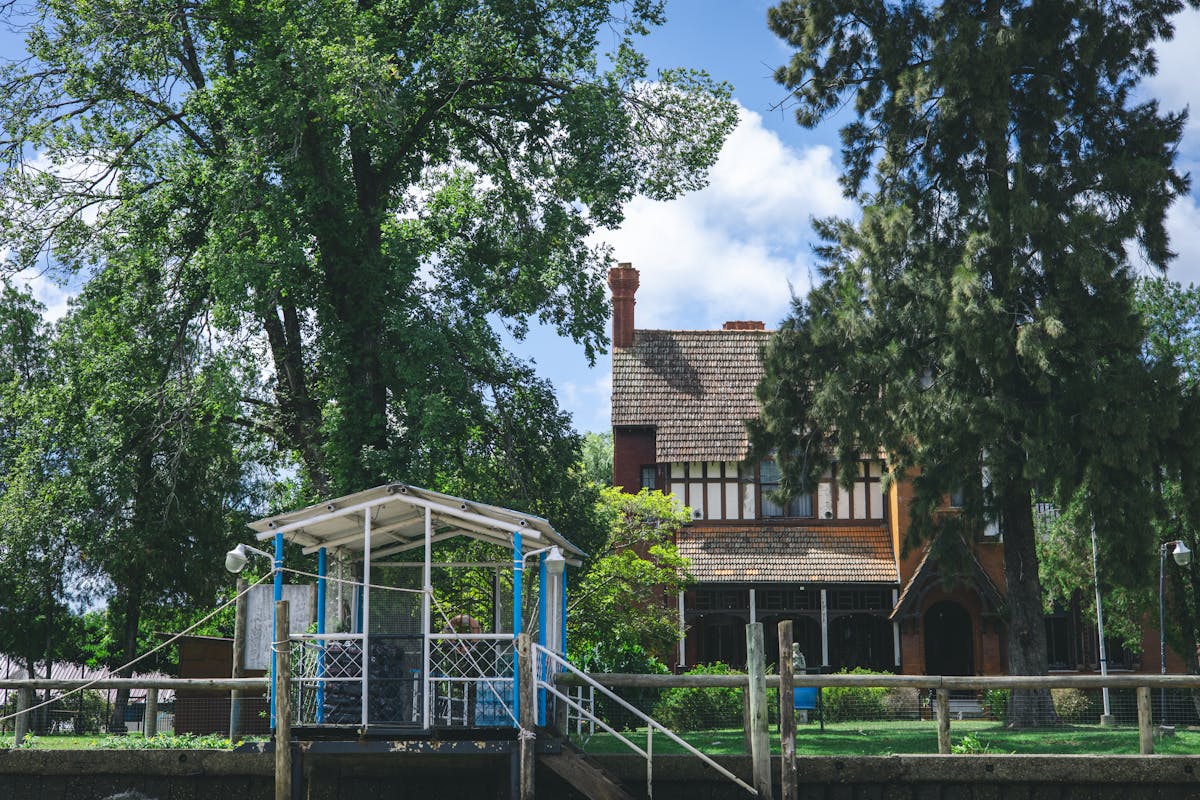
The lanchas colectivas — the water buses — are the public transit of the delta. They follow fixed routes along the major channels, stopping at wooden docks where residents wait with grocery bags, schoolchildren with backpacks, and dogs with the calm demeanor of seasoned commuters. Riding a lancha is the simplest way to experience the delta’s rhythm: the engine thrumming, the wake rocking the moored boats, the driver tossing a newspaper onto a dock without slowing down. It is ordinary life made extraordinary by the medium of water.
In Tigre proper, the Puerto de Frutos — the Fruit Port — spreads along the riverbank in a cheerful sprawl of market stalls. The name dates from the era when delta farmers brought their produce here by boat, and while the market has expanded well beyond fruit to include wicker furniture, handmade crafts, plants, and regional foods, the waterside setting retains a sense of the original commerce. On weekends, portenos pour off the train and fill the market aisles, sampling dulce de leche, buying ferns, and eating choripan from the grills that smoke along the waterfront.
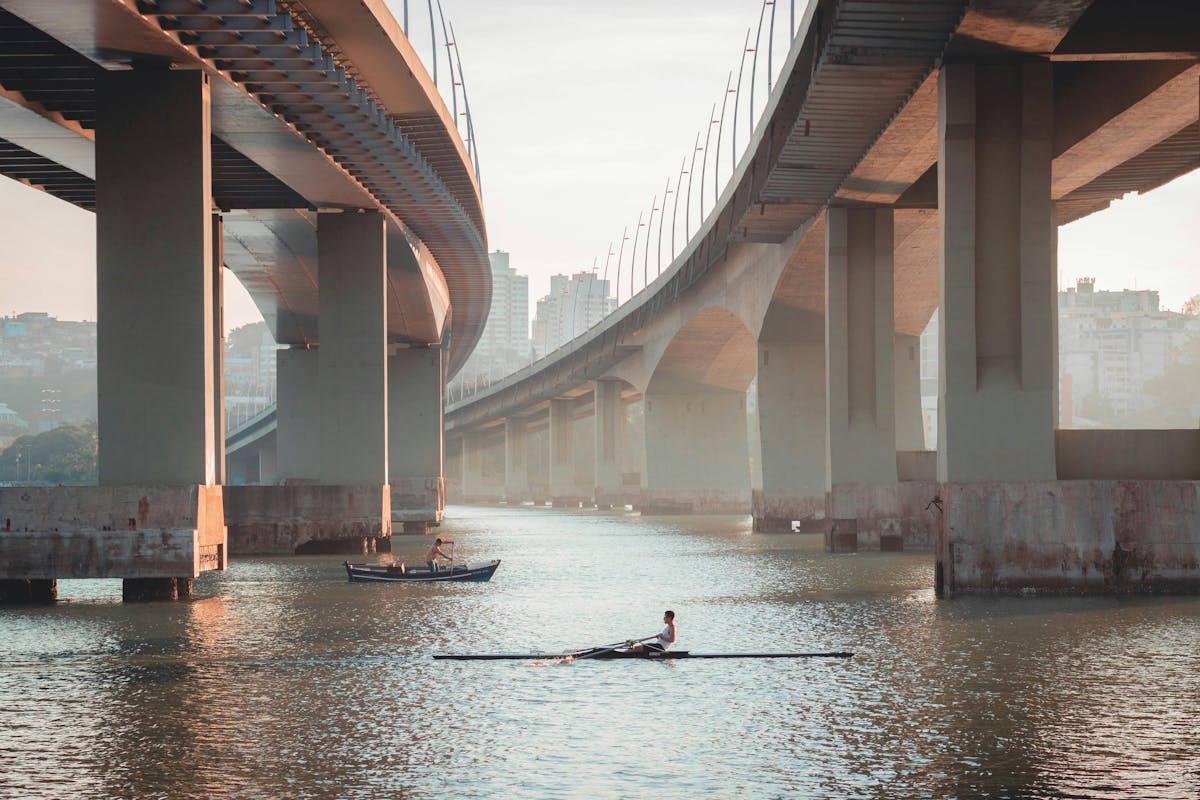
The rowing clubs of Tigre line the riverbank like a gallery of Belle Epoque ambition. In the late nineteenth and early twentieth centuries, Tigre was the weekend retreat of Buenos Aires’ elite, and the grand clubhouses they built — with their columned facades, boathouses, and manicured grounds — still stand as monuments to a particular idea of leisure. Rowing remains a serious pursuit here, and on weekend mornings the river fills with sculls and eights cutting through the still water, their oars catching the early light.
Mate is the currency of the delta. Every dock, every boat deck, every island gathering involves the thermos, the gourd, and the unhurried passing of the bombilla from hand to hand. The ritual fits the setting perfectly — mate demands time, conversation, and the willingness to sit still, all of which the delta provides in abundance. At the river restaurants — recreos, as they are called — tables sit on decks built over the water, and the menu runs to grilled fish, river shrimp, and cold beer served while boats drift past at arm’s length. There is no hurry. The city, with all its noise and velocity, is barely an hour away, but it might as well be on another continent.
An overnight stay on one of the delta’s island lodges deepens the experience. After the last lancha passes and the river quiets, the delta reveals its nocturnal self — frogs in full chorus, the splash of a nutria entering the water, and a darkness so complete that the stars seem to press downward. By morning, mist rises from the channels, and the birds begin — herons, kingfishers, and the unmistakable hornero, Argentina’s national bird, calling from its mud-oven nest.
When to go: September through April brings warm weather and the lushest vegetation. Weekdays offer a quieter experience — weekends draw large crowds from Buenos Aires, particularly in summer. January and February are hot and humid, with mosquitoes at their most persistent. Autumn (March through May) brings golden light and cooler temperatures, making it perhaps the most pleasant season for exploring the waterways.