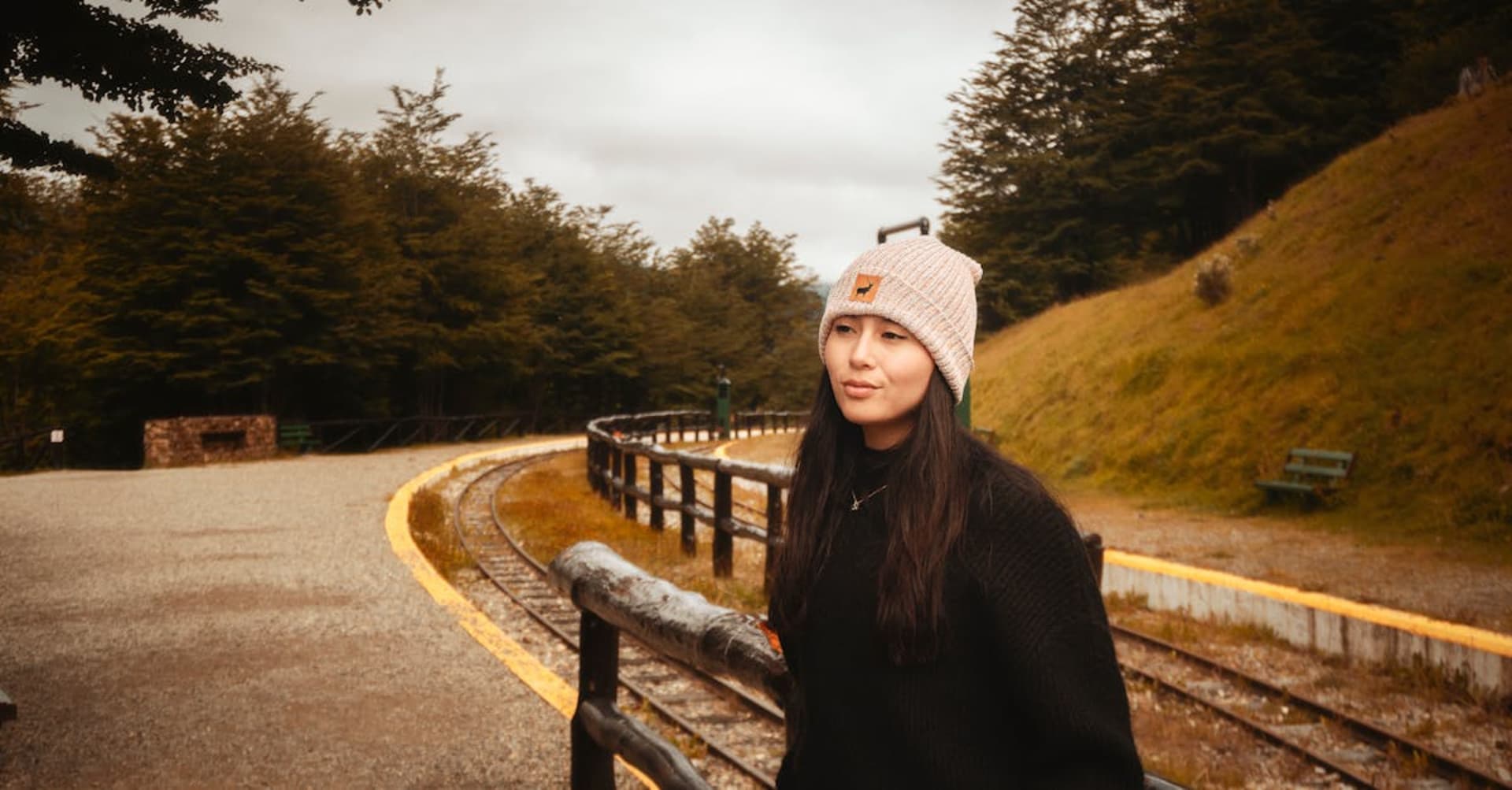
Something shifts in the atmosphere as the plane descends toward Ushuaia. The mountains crowd in closer than seems reasonable, their flanks streaked with snow even in summer, and the Beagle Channel glints below like a blade laid flat between the land masses of Argentina and Chile. This is the fin del mundo — the end of the world — and the phrase is not merely a slogan printed on souvenir mugs. It is a geographical fact that reshapes how everything here feels: the light, the wind, the strange compression of wildness and civilization into a single narrow strip between mountain and sea.
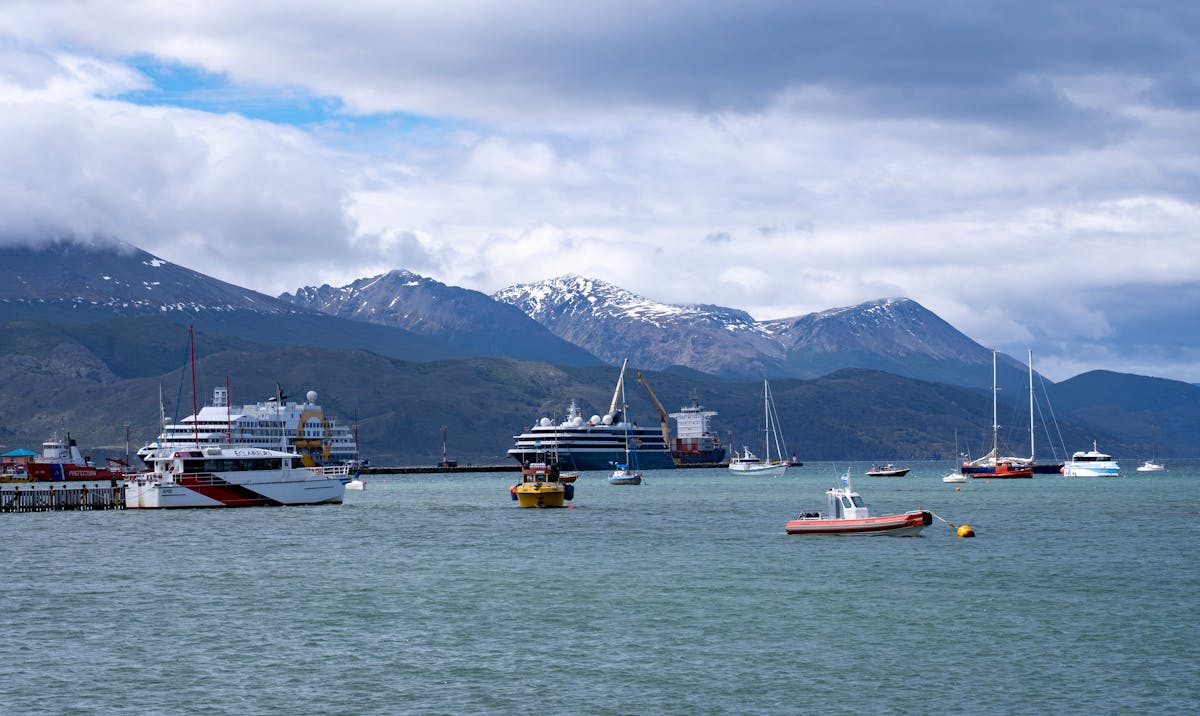
The town itself clings to the hillside above the channel, its corrugated rooftops painted in blues, reds, and yellows — a defiant chromatic gesture against the grey skies that prevail for much of the year. The main avenue, San Martin, hums with gear shops and chocolate cafes, but the real energy of Ushuaia gathers at the port, where expedition vessels bound for Antarctica load supplies and passengers with the slightly dazed look of people about to cross the Drake Passage. For many, Ushuaia is the last address before the ice — the final town with restaurants and streetlights before the map runs out.
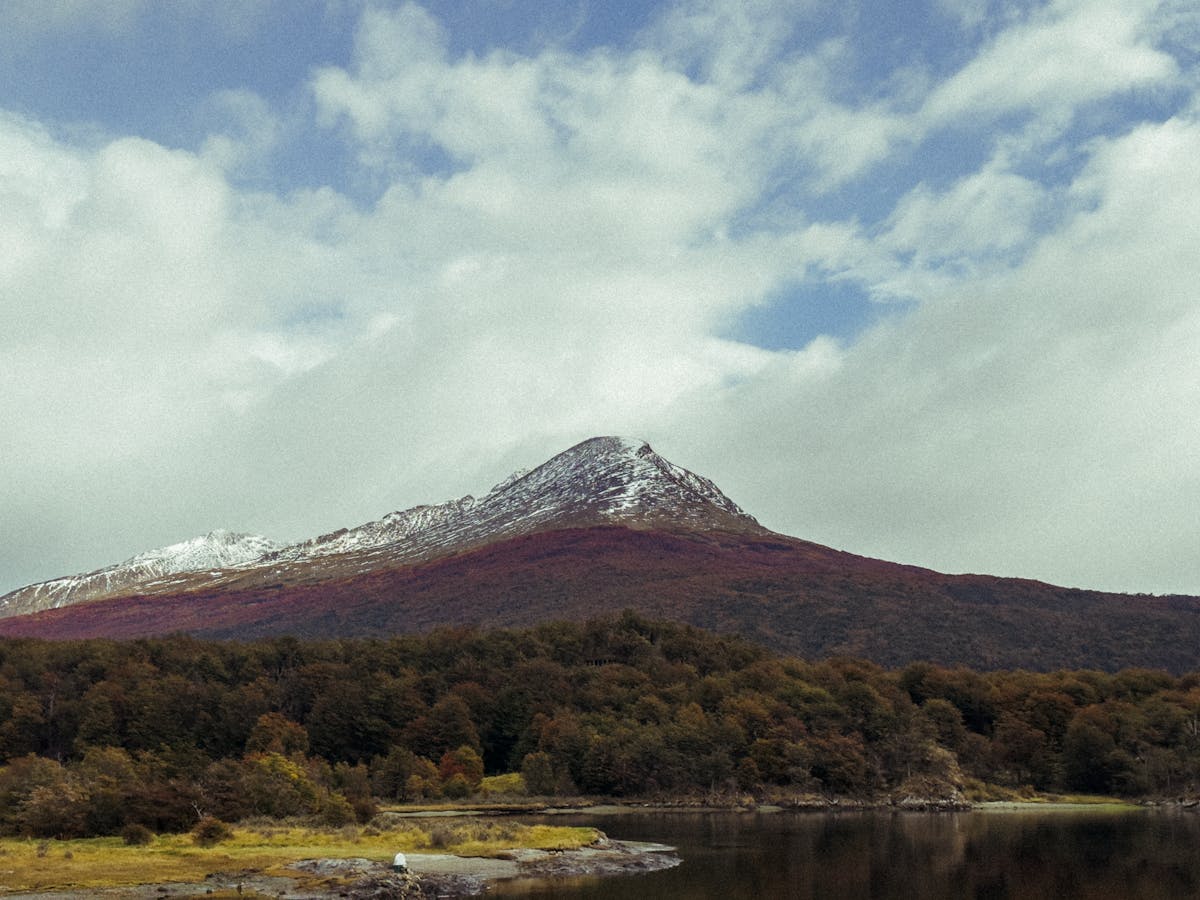
Tierra del Fuego National Park begins just minutes from the city center, and the transition is immediate. Trails wind through lenga forests that grow at tortured angles, shaped by winds that have traveled uninterrupted across the Southern Ocean. The Senda Costera follows the channel’s shoreline past beaver dams — the work of an invasive species introduced decades ago that has dramatically reshaped the landscape — to Lapataia Bay, where a sign marks the end of Ruta Nacional 3, the road that begins in Buenos Aires some three thousand kilometers to the north. There is something satisfying about standing at the terminus of a road, watching the water stretch south toward nothingness.
The Beagle Channel itself is best experienced by boat. Excursions motor past the rocky islands where sea lions haul out in noisy colonies, cormorants perch in orderly rows, and the iconic Les Eclaireurs lighthouse stands on its islet — often mistakenly called the “lighthouse at the end of the world,” though the real one sits further east on Isla de los Estados. The channel narrows between mountains that plunge directly into the water, and on clear days the glaciers of the Darwin Range are visible to the south, a wall of ice marking the Chilean border.
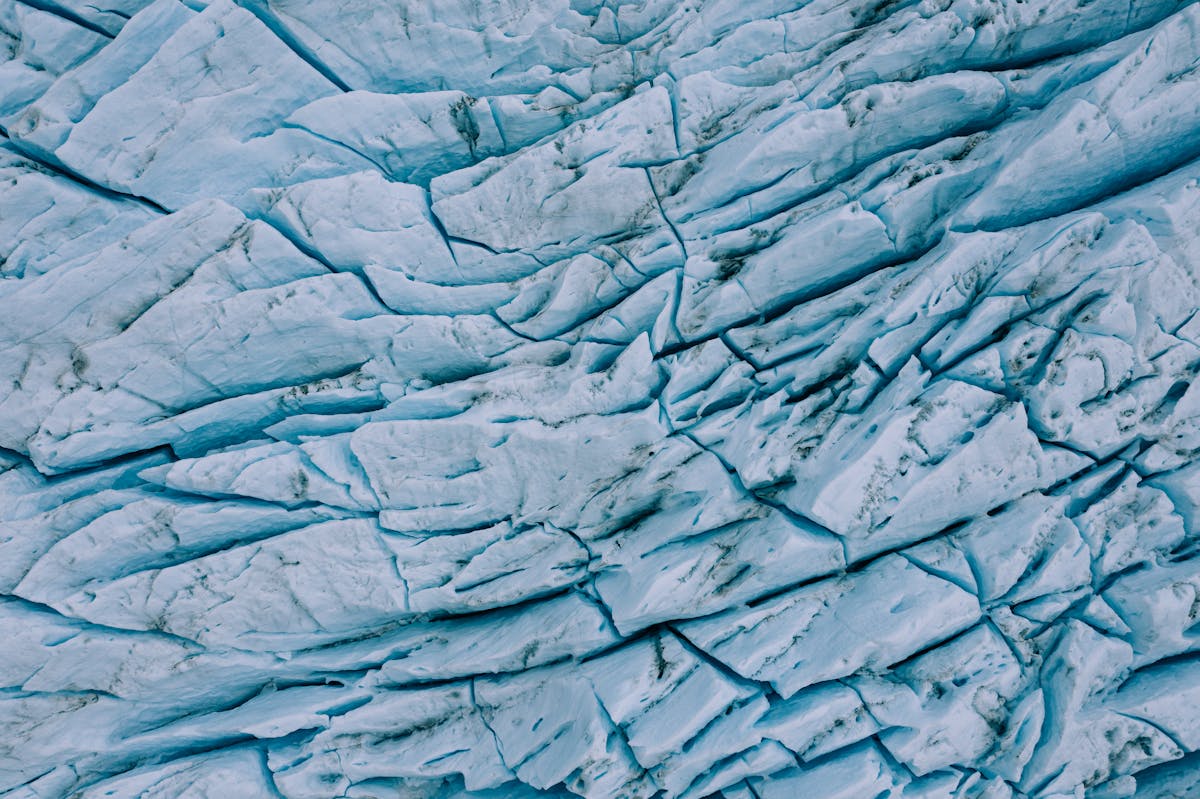
Above town, the Martial Glacier offers a steep hike through forest and scree to the retreating edge of the ice. The glacier has shrunk visibly in recent decades, but the climb rewards with views across the channel and the fractured white tongue of ice that still clings to the mountainside. In winter, this same slope becomes a modest ski area, and Cerro Castor, further along the valley, operates as the southernmost ski resort on Earth — a distinction that draws a small but devoted following.
The culinary identity of Ushuaia is built on centolla — king crab pulled from the frigid waters of the channel. Served simply, with lemon and perhaps a drizzle of olive oil, the meat is sweet, cold-water rich, and unlike anything found further north. Paired with a Patagonian craft beer in one of the waterfront restaurants, it captures the essence of a place where the bounty comes directly from the surrounding wilderness.
The long summer days stretch past ten at night, the sun tracing a low arc that gilds the mountains in a light that seems to last for hours. There is a particular quality to evening in Ushuaia — the wind dies, the channel goes still, and the town feels suspended between the continent it belongs to and the frozen one it faces.
When to go: November through March brings the warmest weather and the extraordinary long days of the austral summer, with December through February as peak season. This is also when Antarctic expedition cruises depart most frequently. Winter (June through August) offers skiing at Cerro Castor and short, dramatic days where darkness arrives by mid-afternoon.