
Iguazu Falls
"Poor Niagara — after seeing Iguazu, everything else is just water falling."
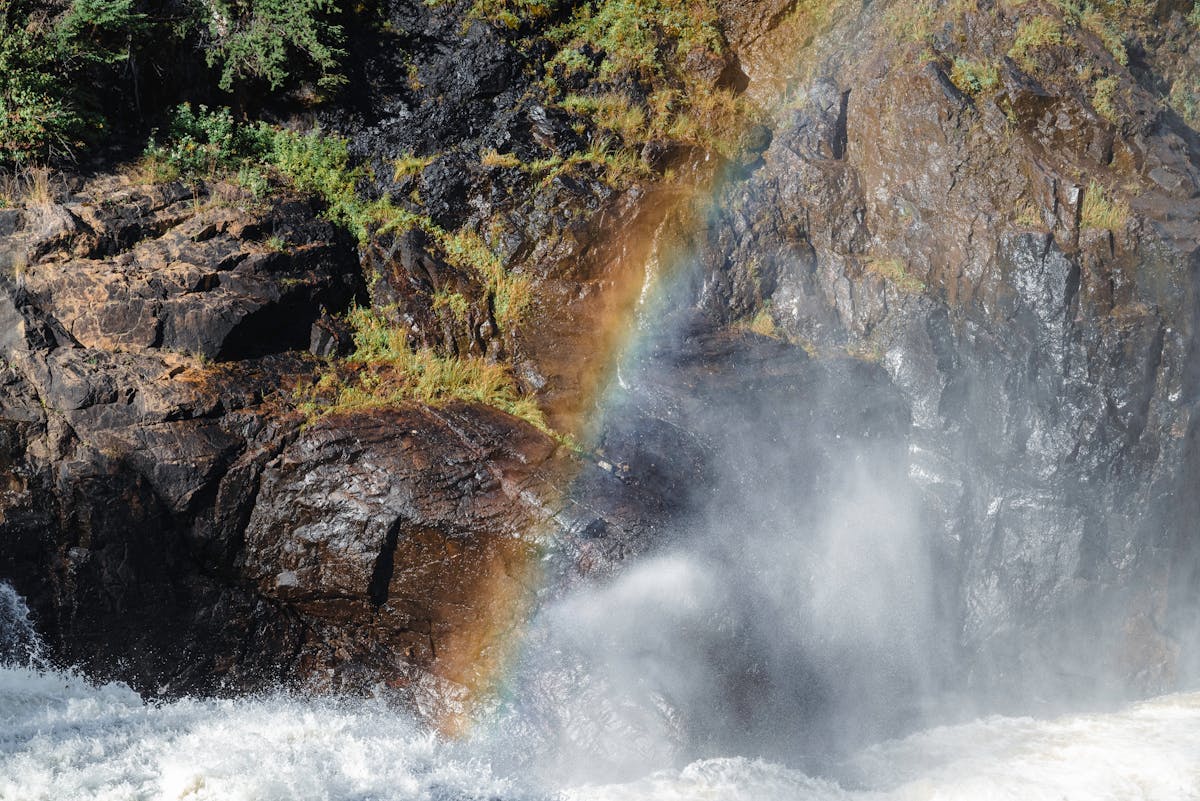
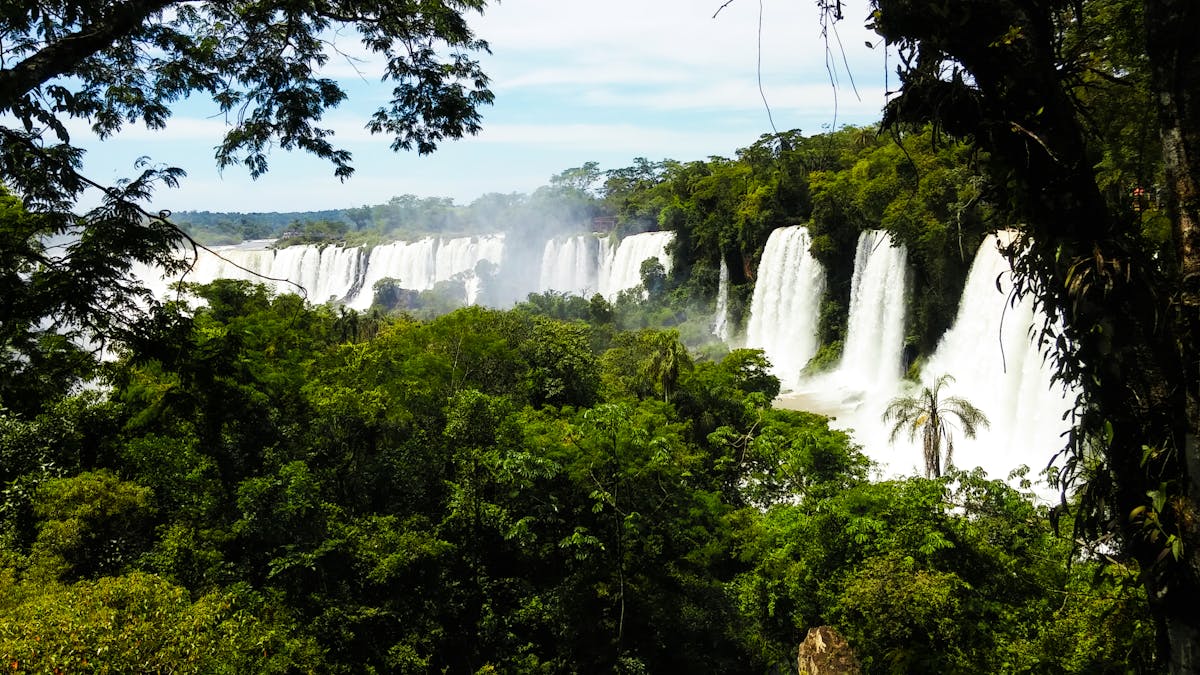
You hear Iguazu before you see it. A low, percussive roar rises through the subtropical canopy — through the ferns and orchids and the dripping vines that lace the treetops together — and grows steadily until it is no longer a sound but a physical sensation, a vibration in the chest and the soles of the feet. Then the jungle parts, the walkway opens onto the gorge, and language fails. Nearly 275 individual cascades spread across almost three kilometers of the Iguazu River, a curtain of white water plunging into a chasm so vast and so violent that the mist it generates creates its own weather system. Rainbows ignite and dissolve in the spray. The air tastes of wet stone and green.
The Argentine side of the falls places you inside the spectacle rather than across from it. A network of metal walkways threads through the jungle and out over the river, bringing you close enough to feel the spray on your face and the wind that the falling water generates — a cold, damp updraft that tears at your clothes and makes conversation impossible. The upper circuit offers a god’s-eye view of the cascades as they pour over the basalt lip and vanish into white chaos below. The lower circuit takes you down to the base of several falls, where the water hits the river with a force that seems geological rather than hydrological.
But nothing prepares you for the Devil’s Throat. A kilometer-long walkway extends across the upper river — calm, deceptively placid water sliding over submerged rocks — until it terminates at the brink of a horseshoe-shaped chasm where fourteen individual falls converge into a single, annihilating column of water. The noise here is absolute. The mist is so thick it obscures the far wall. You stand at the railing and look down into what can only be described as a void — a place where water ceases to be water and becomes pure energy, a roaring white nothingness that swallows everything, including thought. It is one of the most overwhelming natural experiences on the planet.
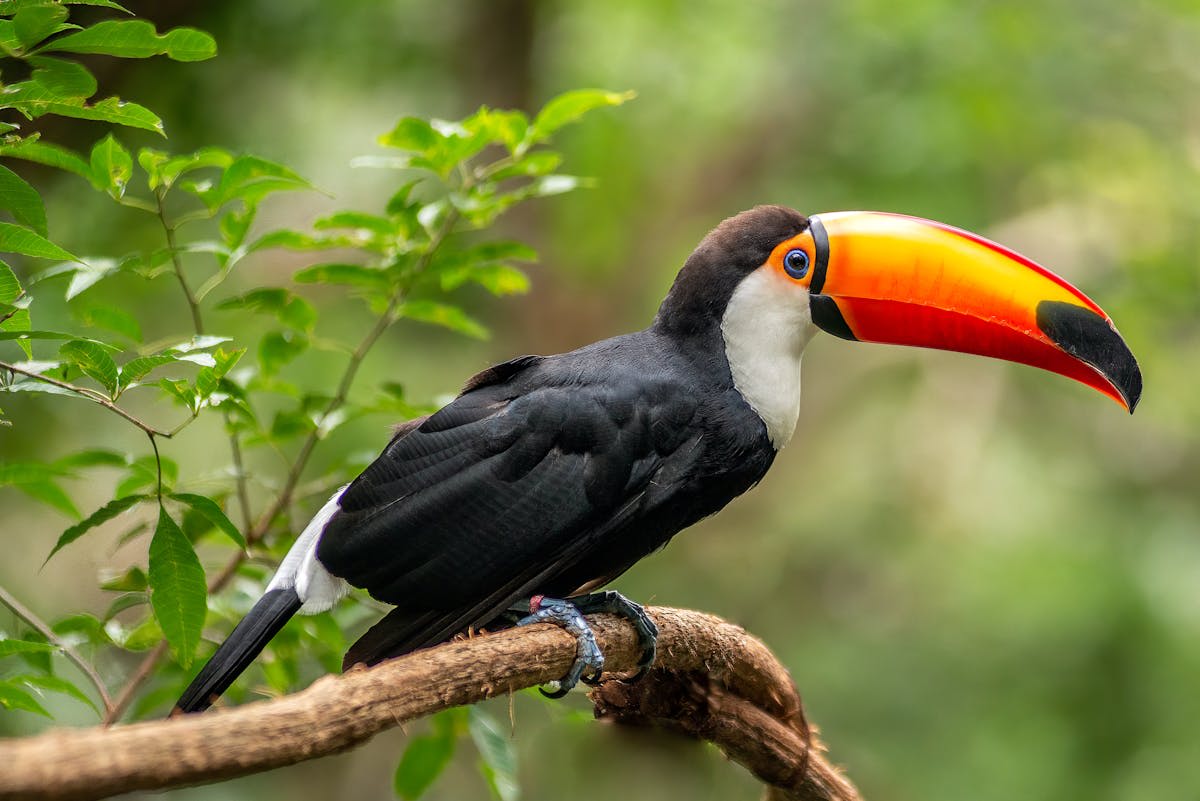
The jungle that frames the falls is itself remarkable. This is Atlantic Forest, one of the most biodiverse ecosystems on Earth, and the trails that connect the walkways teem with life. Toucans — their bills improbably large and jewel-bright — perch in the canopy overhead. Coatis, those raccoon-nosed opportunists, patrol the walkways with the brazen confidence of animals that have learned tourists carry food. Butterflies in electric blues and sulphur yellows drift through the mist zones in swarms so thick they seem choreographed. Giant lizards bask on sun-warmed rocks. The entire park hums with the industrious noise of a tropical forest doing what it does best: growing, eating, singing, decaying, growing again.
For those willing to get thoroughly soaked, the boat excursions that motor directly beneath the falls are an exercise in joyful surrender. The rigid inflatables nose into the base of the cascades where the water hammers down with a force that feels personal, drenching everyone aboard in seconds and provoking the kind of involuntary laughter that only genuine astonishment produces. You emerge dripping, exhilarated, and newly respectful of what moving water can do.
The Brazilian side, accessible by a short border crossing, offers the panoramic counterpoint — the wide-angle view that lets you comprehend the full sweep of the falls in a single breathtaking glance. The Argentine side gives you immersion; the Brazilian side gives you perspective. Together, they compose a complete portrait of a natural wonder that no single vantage point can contain.
When to go: March through May or August through October for comfortable temperatures and reliably strong water flow without the worst of the heat. The falls are at their most thunderous from November through February, when seasonal rains swell the river, though the humidity can be intense. Mornings tend to be less crowded and offer the best light for rainbows in the spray.