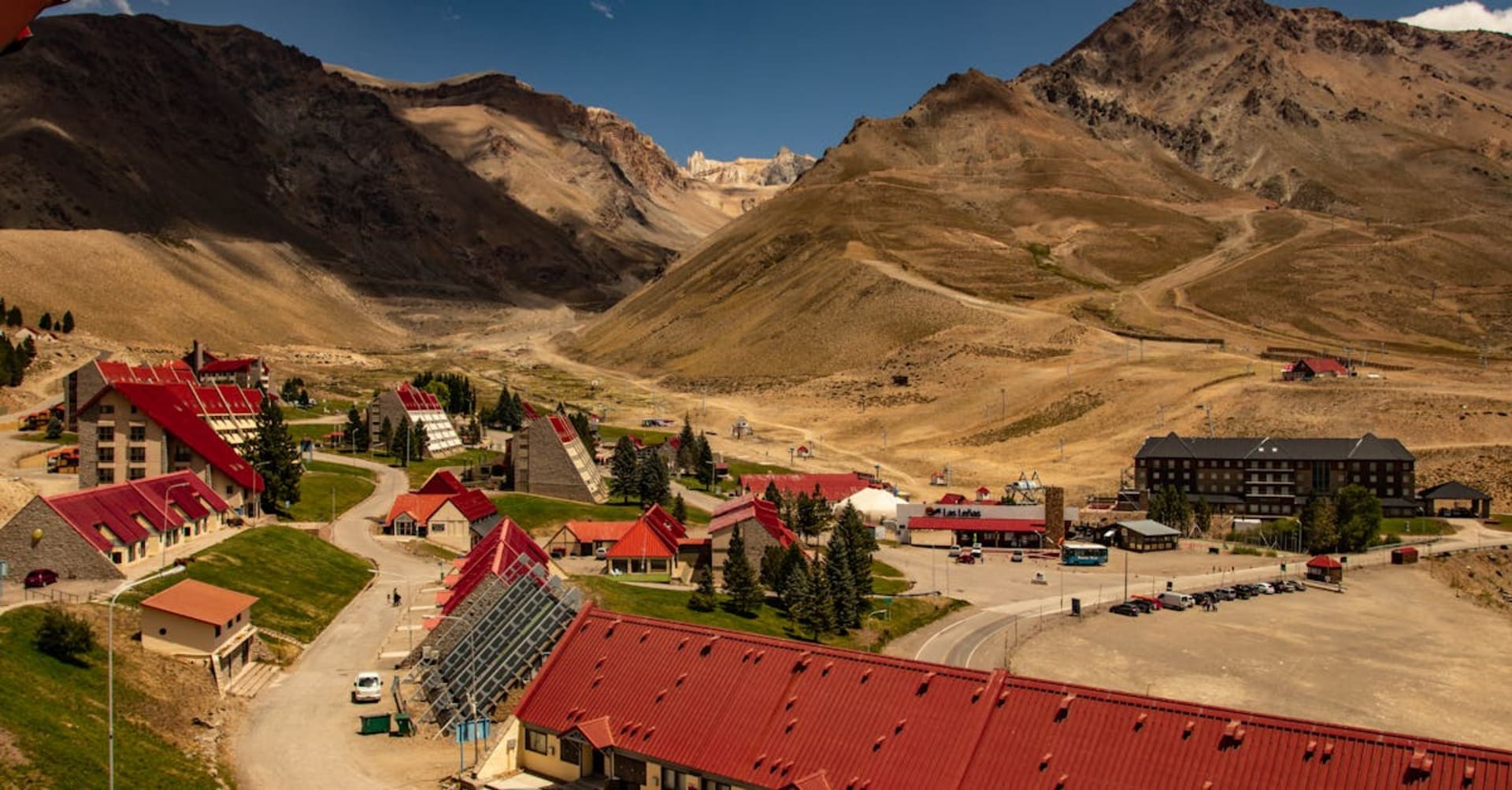
Mendoza exists because of a contradiction. It is a desert — arid, sun-hammered, receiving barely more rainfall than the Sahara — yet it produces some of the most celebrated wines on Earth. The secret is snowmelt. The Andes, that immense wall of rock and ice rising to the west, feed an ancient network of irrigation channels that the Huarpe people engineered centuries before the Spanish arrived. Water flows down from glaciers into canals that line Mendoza’s avenues with sycamores and plane trees, turning a parched valley into an improbable garden. Every glass of Malbec poured here is, in some sense, liquefied mountain.
The bodegas of Lujan de Cuyo spread across the flatlands south of the city, their vineyards ruled by old-vine Malbec that has been growing in this soil for over a century. The wines here tend toward power and depth — dark fruit, leather, smoke — and the tasting rooms range from unassuming family operations where the winemaker pours for you personally to architectural statements designed by the likes of Bormida & Yanzon, all concrete and glass angled to frame the Andes. Cycling between wineries on tree-shaded back roads, the cordillera filling the entire western sky, is one of Argentina’s great simple pleasures.
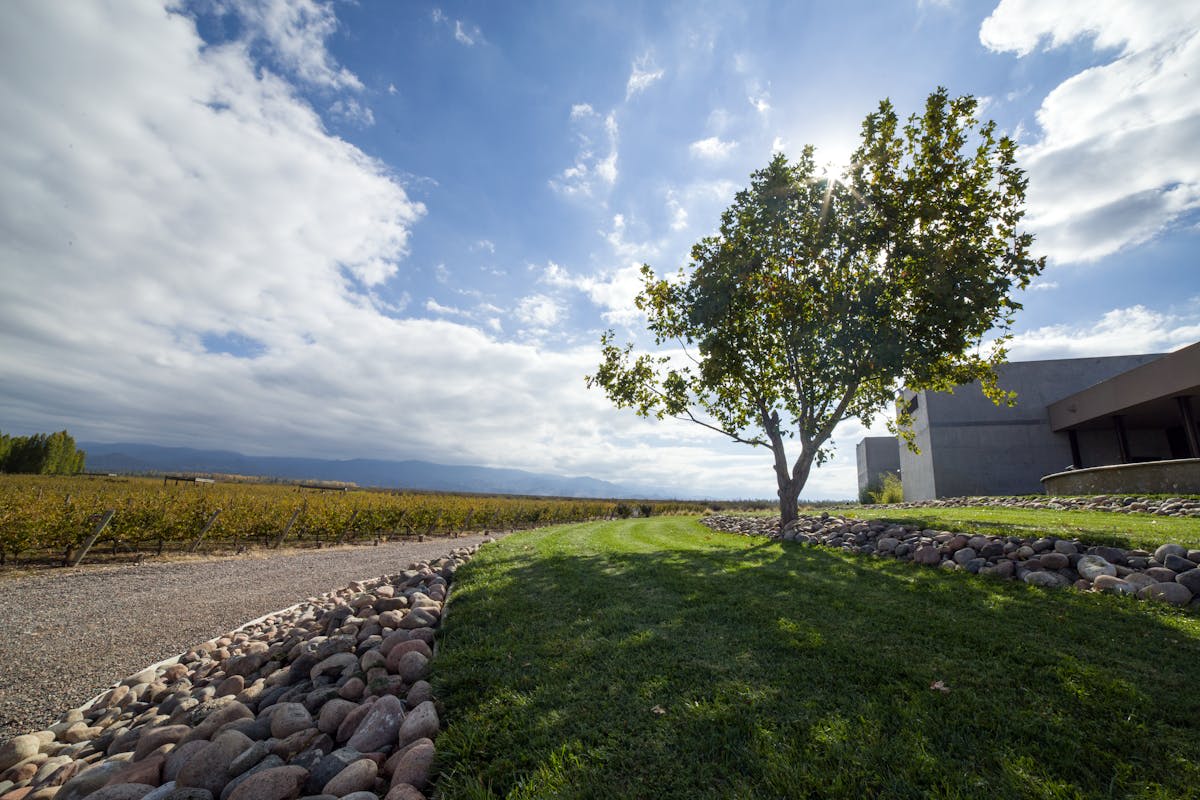
The Uco Valley, an hour south, sits higher and cooler, and its wines reflect the altitude — brighter acidity, more mineral tension, a precision that the lowland wines sometimes trade for generosity. Valle de Tupungato and Paraje Altamira have become the names that serious wine collectors whisper about, and the bodegas here are newer, bolder, many built as destination estates with restaurants that pair hyper-local menus with single-vineyard bottlings. A long lunch at one of these — a parade of small courses matched to wines you cannot find outside the valley, the Andes so close they seem to lean over the table — is the kind of meal that reorganizes your understanding of what wine country can be.
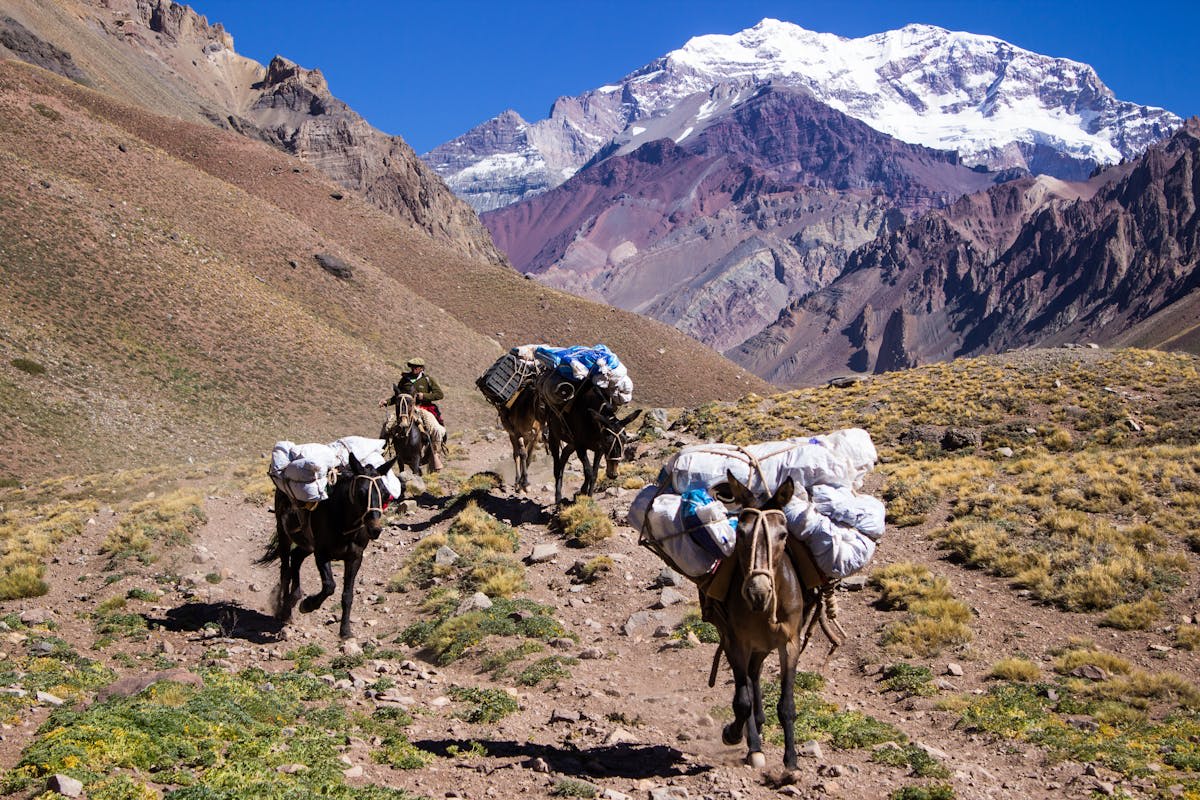
Beyond the vines, the alta montana route climbs west toward the Chilean border through some of the most dramatic mountain scenery in the Americas. The road ascends past Uspallata — the wide valley where the Andes begin their serious work — through Villavicencio’s serpentine switchbacks and onward to Puente del Inca, a natural stone bridge stained sulfurous yellow by mineral springs. Aconcagua, the Western Hemisphere’s highest peak at 6,961 meters, is visible from several points along the route, its summit trailing a plume of ice crystals in the jet stream. You need not climb it to feel its presence; simply standing in its shadow recalibrates your sense of scale.
Mendoza’s food scene extends well beyond the parrilla, though the parrilla remains magnificent. Olive oil is produced here with the same seriousness as wine — tasting rooms offer flights of extra virgin pressed from Arauco olives that have an almost grassy intensity. Chefs at the city’s growing number of contemporary restaurants are pairing local goat cheese, smoked trout from mountain streams, and hand-rolled pasta with the region’s wines in ways that feel both rooted and inventive. The city’s central market, the Mercado Central, is a sensory education in itself: stalls heaped with olives, dried fruits, spices, empanadas pulled from the oven at all hours.
The city itself is gentle. Wide avenues shaded by centuries-old trees converge on plazas where families gather on warm evenings and cafe tables spill onto sidewalks. Mendocinos move at a pace calibrated to heat and altitude — unhurried, sun-softened, generous with their time. The acequias, the old irrigation channels, still run along the gutters, their quiet trickle a constant reminder that everything green and alive in this valley is a small miracle of engineering and persistence.
When to go: March through May for harvest season, when the bodegas hum with activity and the annual Vendimia wine festival transforms the city. September through November brings spring blossoms and mild temperatures ideal for cycling. Summer (December through February) is hot but dry, perfect for mountain excursions at higher altitudes.