Mana Pools
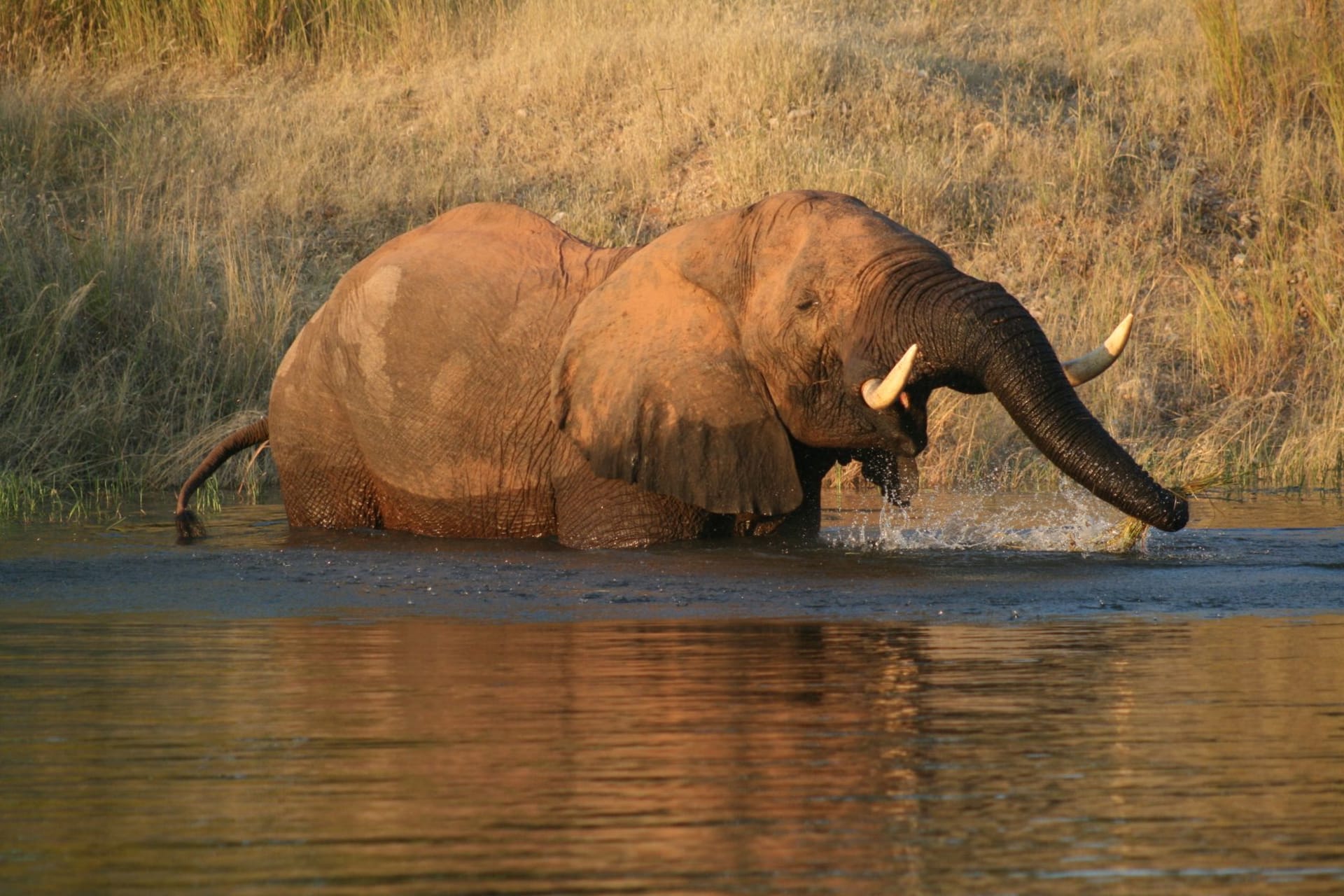
"The elephant stood in the river and looked at us with the patience of something very old."
A floodplain wilderness on the Zambezi where elephants wade chest-deep and canoe safaris put you eye-level with hippos in the current.

The River at Daybreak
I put the canoe in at six in the morning when the Zambezi was still pewter-colored and cool. Within twenty minutes I was paddling around a hippo. Not past it — around it, in a wide, respectful arc, while it regarded me with one eye and exhaled a tremendous cloud of warm river-breath in my direction. Mana Pools is the kind of place where you are constantly reminded that you are small and not particularly fast, and that the natural order of things here was working fine before you arrived and will continue working fine after you leave.
The pools themselves — Long Pool, Chine Pool, Chitake — are oxbow lakes left behind when the Zambezi shifted course. In the dry season, everything converges on them. I sat at the edge of Long Pool for three hours one afternoon and counted seven species of large mammal without moving from my camp chair. The light turned amber and the elephants waded in to drink and the whole scene had the quiet hum of something essential happening.
On Foot in the Floodplain
Mana Pools is one of the few parks in Zimbabwe where self-guided walking is permitted, and this changes everything about how you experience the place. No vehicle between you and the landscape, no elevated chassis between you and the ground. I walked with a tracker along the albida forest — the ana trees, those massive spreading acacias that drop protein-rich pods in the dry season. Elephants stand on their hind legs to reach the higher pods. I watched one do this: all four tons of it balanced on its back legs, perfectly at ease, stripping branches overhead with a kind of casual grace that made the whole scene seem normal until I thought about it again.
The dust gets into everything. By midday my boots were the color of the floodplain.
Sleeping Under a Fig Tree
The campsites at Mana are unfenced and there are no facilities in the way that word usually implies comfort. You pitch a tent and the wildlife walks through. My second night, I woke at two in the morning to the sound of something large very close, and lay completely still while a buffalo grazed so near I could hear its teeth working. I have slept in many places and I have not often felt the particular alertness of that moment: completely awake, completely quiet, very aware of the fabric between me and the dark.
The sunsets from the riverbank are excessive in the way that only African sunsets manage — orange and violet and brief, the Zambian escarpment going blue across the water. Lia and I opened a bottle of wine we’d been saving and didn’t say much. Sometimes the place does the talking.
Getting There and Staying
Mana Pools sits at the end of a very long dirt road from Harare, roughly six hours in a well-prepared 4WD. The park has basic National Parks camps and a handful of private lodges on the southern edge. The private camps offer guided walks and canoe safaris with experienced guides who know the pools intimately.
When to go: September and October are peak wildlife season — the pools shrink, animals concentrate, and visibility is extraordinary. It is also brutally hot, regularly above 40°C. May through August offers cooler temperatures and still-excellent wildlife. The park closes during the rainy season (December–April) when tracks become impassable.
Keep exploring
More from Zimbabwe
 zimbabwe
 Masvingo
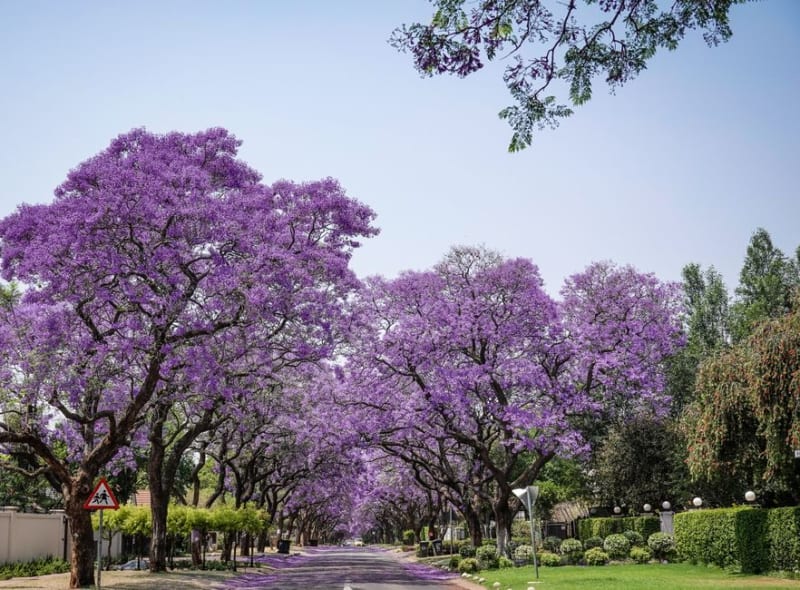
Zimbabwe's oldest colonial-era town, a low-key stopover of jacaranda streets and old facades that mostly serves as the gateway to Great Zimbabwe.
Explore zimbabwe
 Matobo Hills
A labyrinth of balancing granite boulders where San rock paintings, white rhinos, and Cecil Rhodes' grave share the same ancient silence.
Explore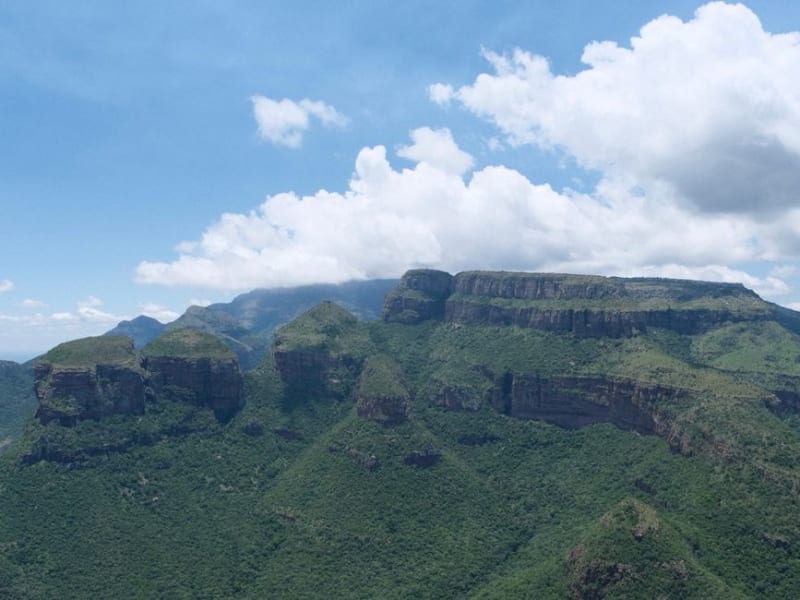 zimbabwe
 Nyanga
A cool, mist-wrapped stretch of the Eastern Highlands where pine forests, trout streams and Zimbabwe's tallest waterfall replace the lowveld heat.
Explore zimbabwe
 Victoria Falls Zimbabwe Side
Stand in the spray of the world's largest waterfall curtain — the Zambezi's thunder felt in the chest before heard.
Explore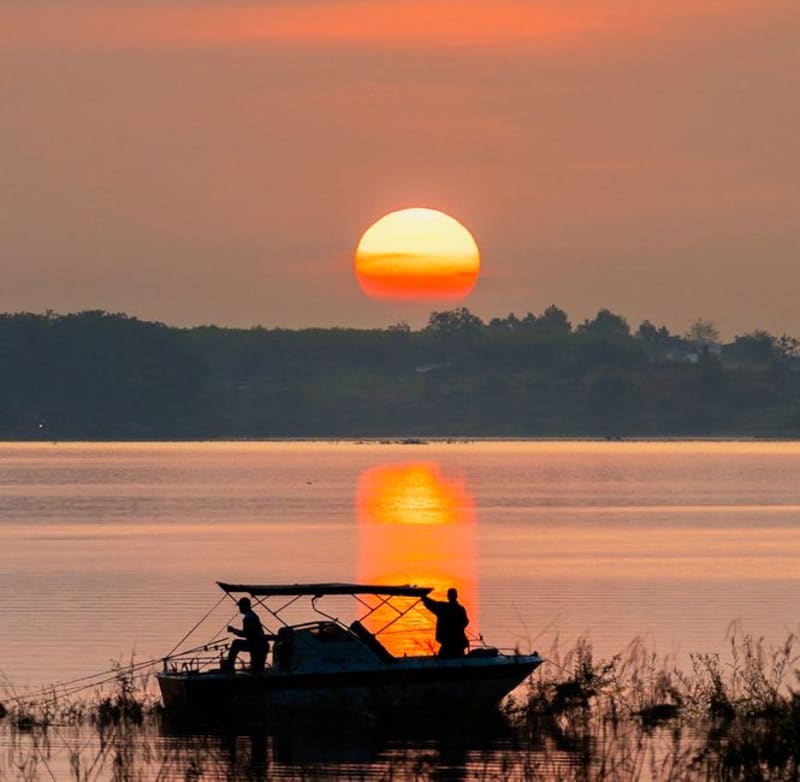 zimbabwe
 Binga
A remote Lake Kariba fishing town on Tonga homeland where the lakeshore road doubles as an open-air market for hand-woven ilala-palm baskets.
Explore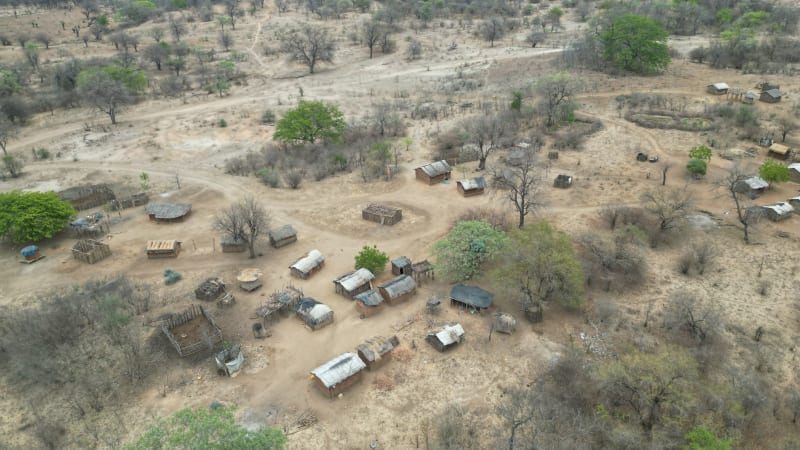 zimbabwe
 Bulawayo
Zimbabwe's second city moves at a pace that feels earned rather than tired — wide colonial avenues, a world-class railway museum, and a food culture that rewards the patient.
Explore