Masvingo
"We only meant to sleep one night in Masvingo, and one night was exactly right."
Zimbabwe's oldest colonial-era town, a low-key stopover of jacaranda streets and old facades that mostly serves as the gateway to Great Zimbabwe.

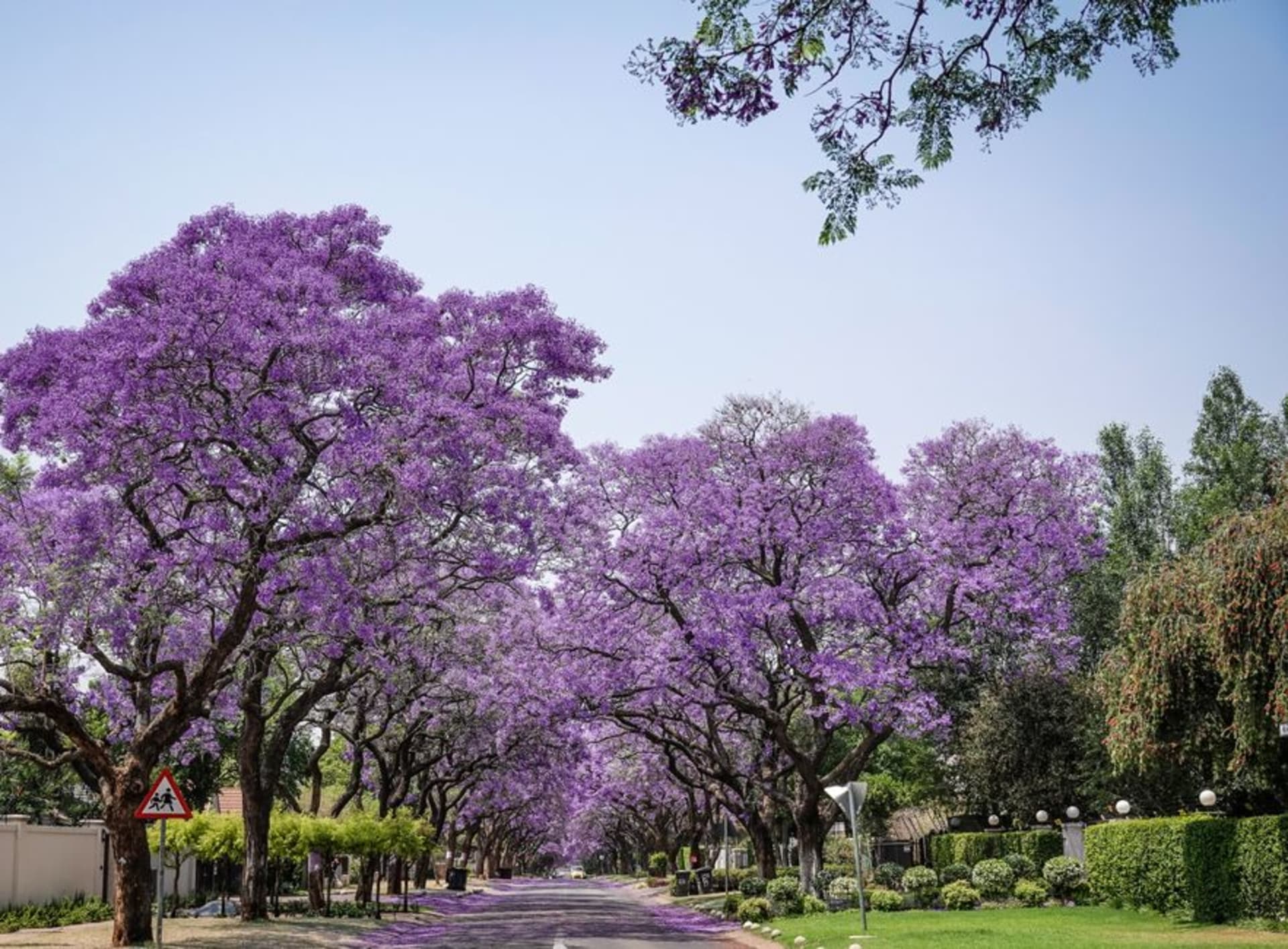
Masvingo doesn’t pretend to be more than what it is, and after a few weeks of Zimbabwe’s bigger draws — Victoria Falls, the national parks — I found that honesty kind of restful. Founded in the 1890s as Fort Victoria, it’s the country’s oldest town of European origin, and you can still feel the bones of that history in the wide colonial-era streets and a handful of squat old government buildings, though most of it has long since been swallowed by ordinary Zimbabwean small-town life: minibus ranks, hardware shops, guys selling airtime on street corners, jacarandas dropping purple flowers on the sidewalk when we passed through in October. We stopped for gas and groceries and ended up staying the night almost by default, since it was getting dark and Great Zimbabwe was still half an hour further.
That’s really the honest role Masvingo plays for most travelers, us included — the last real town before the ruins, where you stock up, sleep, and fill the tank. But I’m glad we didn’t just drive through. We wandered the main street after the shops closed, when the light went gold and the town emptied out, and ate at a no-frills place that did a version of sadza and beef stew that Lia still brings up as one of the best meals of the trip, which says something about how little correlation there sometimes is between a place’s reputation and what you actually get on your plate there.

The next morning we drove the thirty-odd kilometers out to Great Zimbabwe itself, the reason anyone comes this way, and it’s worth saying clearly: the ruins are the real event, not the town. Stone walls curving without mortar across a hillside, built by a Shona civilization that controlled trade routes to the Indian Ocean coast centuries before any European arrived, and whose scale so unsettled colonial authorities that they spent decades insisting, absurdly, that Africans couldn’t have built it themselves. Standing inside the Great Enclosure, its walls eleven meters high in places, curving in a way that feels almost organic rather than engineered, is one of the more quietly stunning things I’ve experienced in southern Africa.

We came back into Masvingo that afternoon for lunch before pushing on toward Bulawayo, and I remember thinking the town had earned a bit more credit than “gateway” gives it. Lake Mutirikwi is close by too, with a decent recreational park and some game-viewing if you have an extra day, which we didn’t, and I’ve regretted skipping ever since — one more reason on the list to go back.
When to go: April to September, the dry season, for cooler days at the ruins and easier road conditions getting in and out of town.
Keep exploring
More from Zimbabwe
 zimbabwe
 Matobo Hills
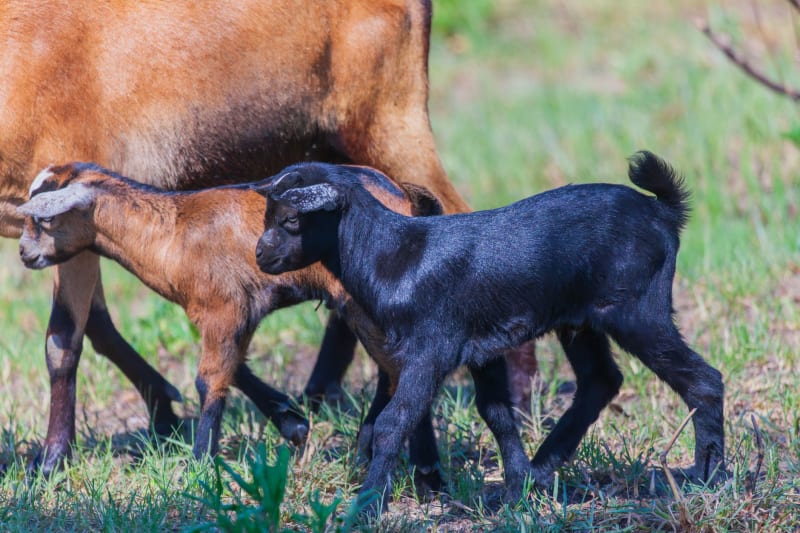
A labyrinth of balancing granite boulders where San rock paintings, white rhinos, and Cecil Rhodes' grave share the same ancient silence.
Explore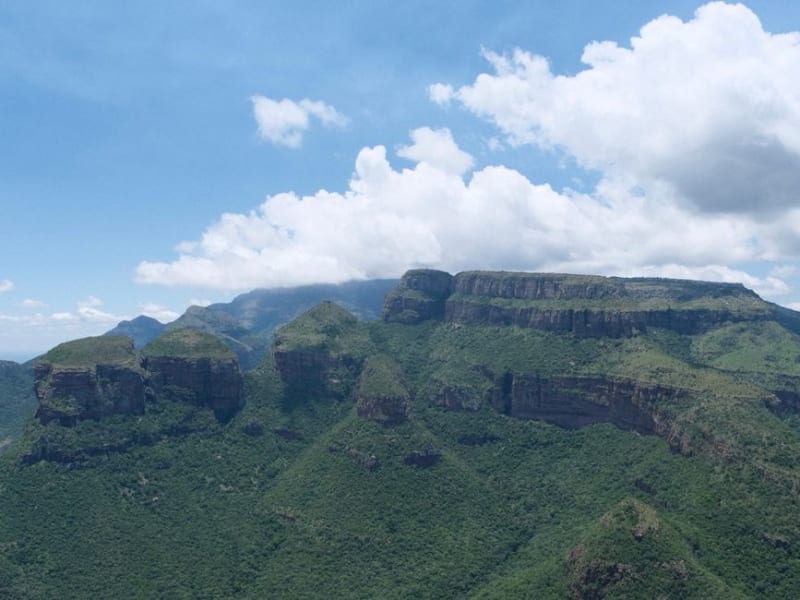 zimbabwe
 Nyanga
A cool, mist-wrapped stretch of the Eastern Highlands where pine forests, trout streams and Zimbabwe's tallest waterfall replace the lowveld heat.
Explore zimbabwe
 Victoria Falls Zimbabwe Side
Stand in the spray of the world's largest waterfall curtain — the Zambezi's thunder felt in the chest before heard.
Explore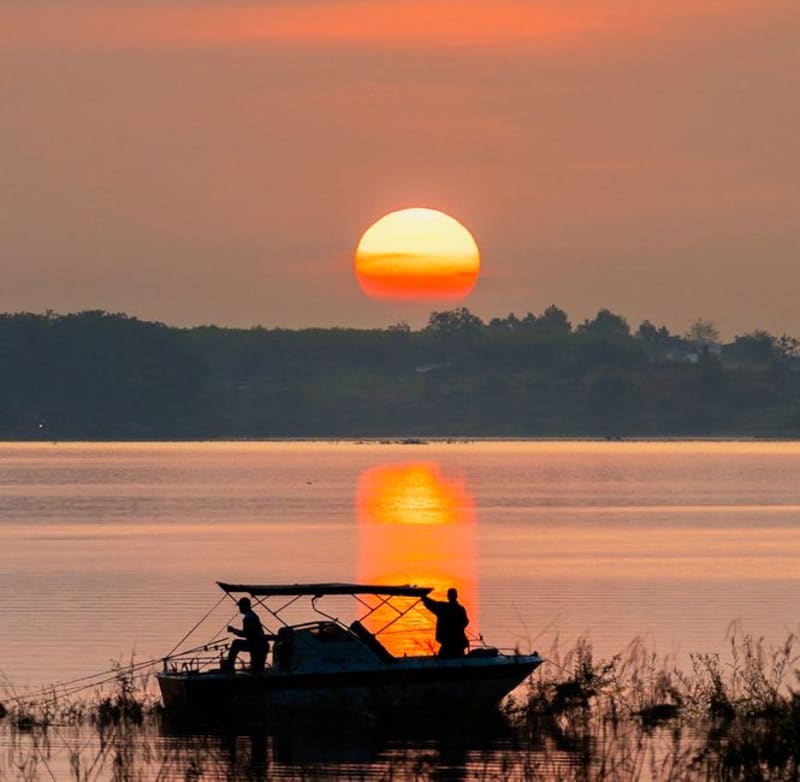 zimbabwe
 Binga
A remote Lake Kariba fishing town on Tonga homeland where the lakeshore road doubles as an open-air market for hand-woven ilala-palm baskets.
Explore zimbabwe
 Bulawayo
Zimbabwe's second city moves at a pace that feels earned rather than tired — wide colonial avenues, a world-class railway museum, and a food culture that rewards the patient.
Explore zimbabwe
 Chimanimani
A quartzite mountain range on the Mozambique border accessible only on foot, where waterfalls run cold through heath and protea, and the silence is the kind that takes days to hear properly.
Explore