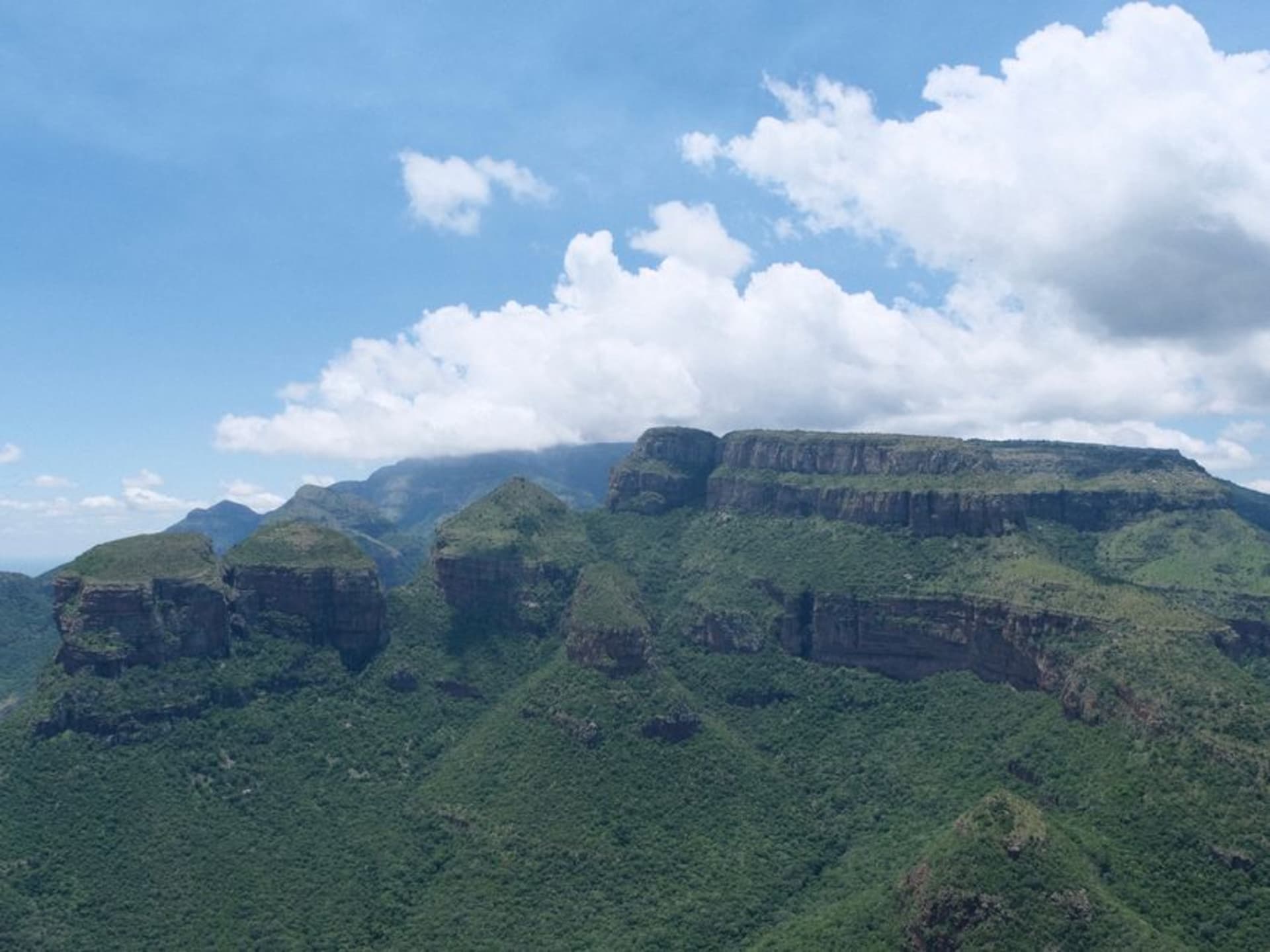
Nyanga
"I put on a fleece in Zimbabwe for the first and only time, and Lia laughed at me for packing it."
A cool, mist-wrapped stretch of the Eastern Highlands where pine forests, trout streams and Zimbabwe's tallest waterfall replace the lowveld heat.

Nobody warns you that Zimbabwe has a place that feels like the Scottish Highlands got lost and wandered into Southern Africa. We’d driven up from Harare expecting more of the flat, dry bush we’d been in for two weeks, and instead the road climbed into cloud, the temperature dropped ten degrees in an hour, and suddenly there were pine plantations and stone farmhouses and cattle grazing in mist. Lia kept saying “this can’t be Zimbabwe” like the country had tricked her. Nyanga sits up near the Mozambique border at over 1,800 meters, and it has the kind of climate that makes you understand why British settlers built holiday cottages here a century ago — it’s still full of them, slightly crumbling, ivy-covered, oddly moving.
The reason we’d made the detour was Mtarazi Falls, the tallest waterfall in the country, dropping something like 760 meters off a sheer escarpment into the Honde Valley below. The walk out to the viewpoint is short and almost anticlimactic — flat grassland, a wooden platform — until you’re suddenly standing at the lip of a drop so vertical your stomach does something unpleasant. The water doesn’t so much fall as disintegrate, turning to spray and mist long before it reaches the valley floor, and on a windy day it barely seems to fall at all, just hangs there getting blown sideways. We were there in the dry season, so the flow was thin, more a long white thread than a torrent, but the scale of the cliff did all the work anyway.

We stayed two nights near the national park, in a stone cottage with a wood-burning stove that we actually needed, which after months of Mexican heat felt like a small miracle. Nyanga National Park itself is understated — no big game to speak of, mostly antelope and the occasional leopard nobody sees — but it’s built for walking and fishing rather than driving around spotting animals. There are old stone-walled terraces on the hillsides, remnants of an Iron Age farming civilization that nobody has fully explained, low walls running for kilometers across slopes that are otherwise just grass and pine. We hiked past a few without a guide and had no real sense of what we were looking at until later, reading up on it, which made me wish we’d hired someone who actually knew the history.
Mount Nyangani, the country’s highest peak, looms over the whole area, wrapped in a reputation for people going missing on its slopes — local guides here take that seriously, not as folklore for tourists but as something they genuinely won’t dismiss. We didn’t attempt the summit; the weather turned again and the top disappeared into cloud for the rest of our stay, which somehow made the mountain more convincing as a place with a bad reputation than if we’d hiked it and taken a photo at the top.

What I keep coming back to about Nyanga is how ordinary it made me feel welcome, in a way the bigger safari circuits don’t always manage. There’s a trout hatchery, a golf course from the colonial era, dams stocked for fishing, families having picnics by the water. It’s less a spectacle than a place people actually go to relax, which after the intensity of Hwange and Mana Pools was exactly what we needed.
When to go: May to September, the dry winter months, when skies are clearest for the escarpment views and nights are properly, satisfyingly cold.
Keep exploring
More from Zimbabwe
 zimbabwe
 Victoria Falls Zimbabwe Side
Stand in the spray of the world's largest waterfall curtain — the Zambezi's thunder felt in the chest before heard.
Explore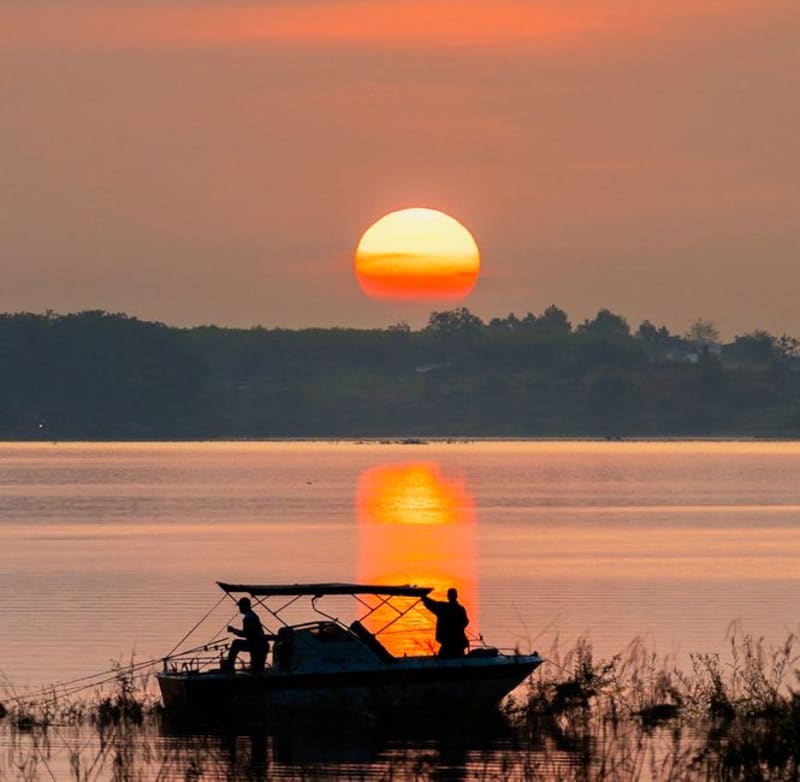 zimbabwe
 Binga
A remote Lake Kariba fishing town on Tonga homeland where the lakeshore road doubles as an open-air market for hand-woven ilala-palm baskets.
Explore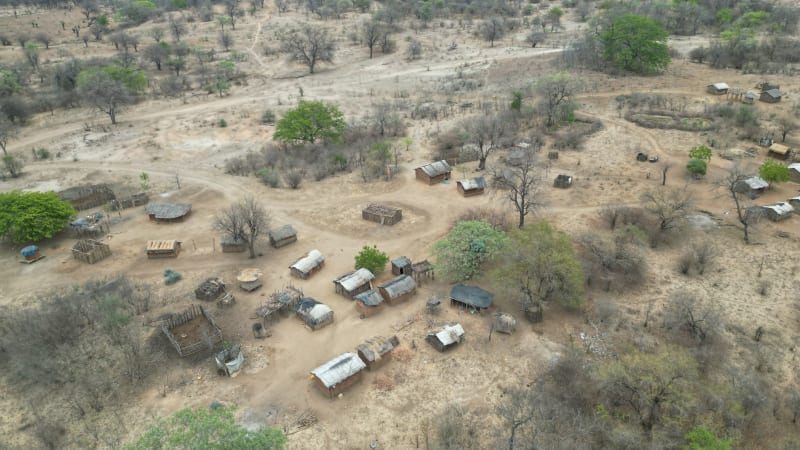 zimbabwe
 Bulawayo
Zimbabwe's second city moves at a pace that feels earned rather than tired — wide colonial avenues, a world-class railway museum, and a food culture that rewards the patient.
Explore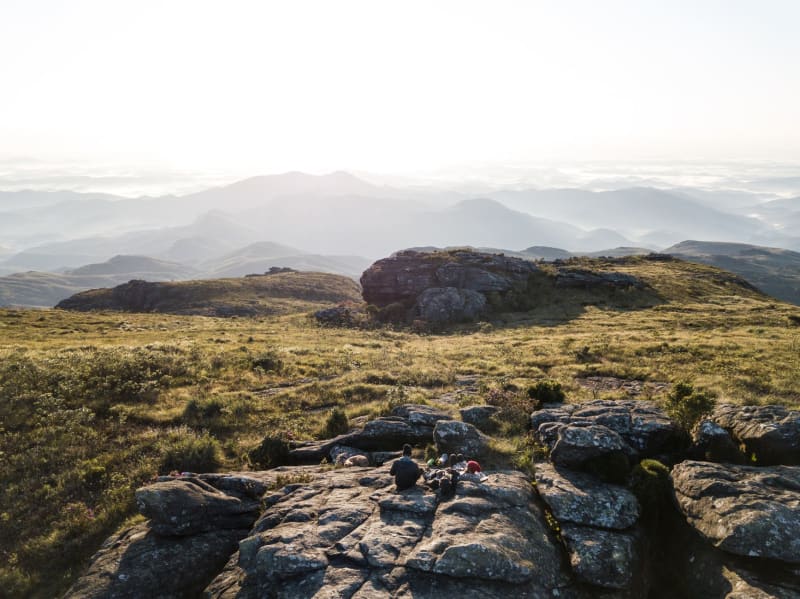 zimbabwe
 Chimanimani
A quartzite mountain range on the Mozambique border accessible only on foot, where waterfalls run cold through heath and protea, and the silence is the kind that takes days to hear properly.
Explore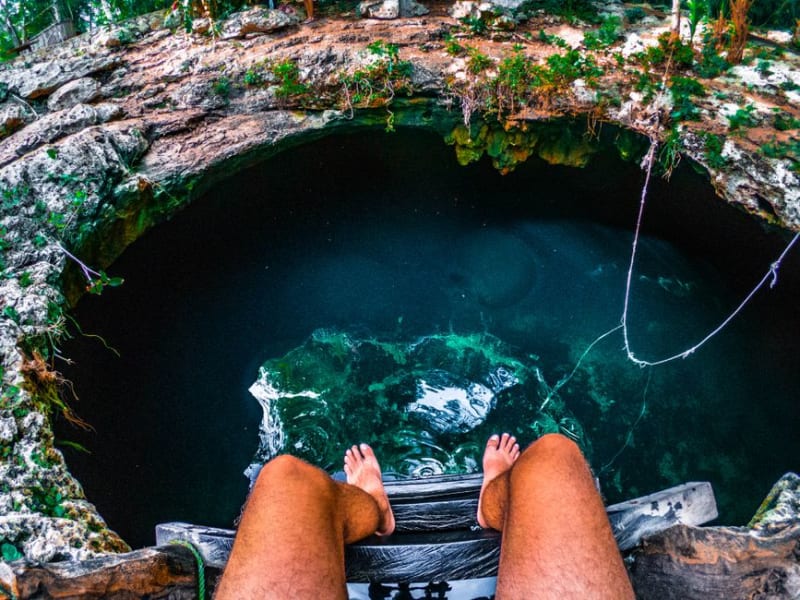 zimbabwe
 Chinhoyi Caves
A collapsed dolomite cave system north of Harare centered on a cobalt-blue sinkhole pool that locals still treat as sacred ground.
Explore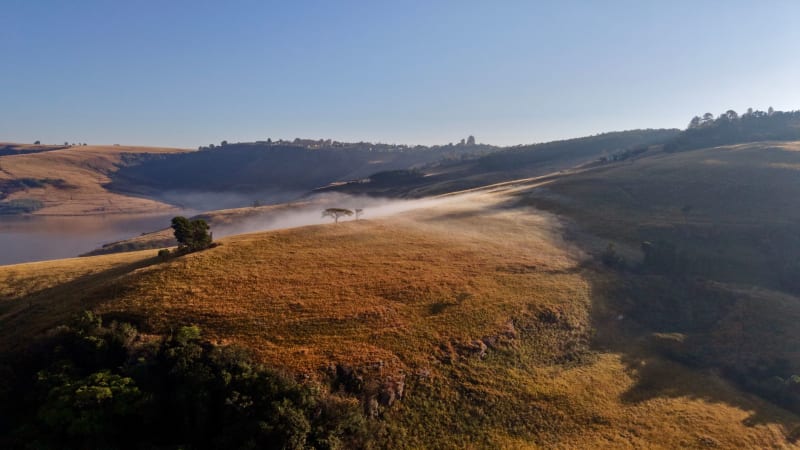 zimbabwe
 Eastern Highlands
A cool, mist-draped mountain border world where trout streams, tea estates, and pine forests feel nothing like the Zimbabwe most people picture.
Explore