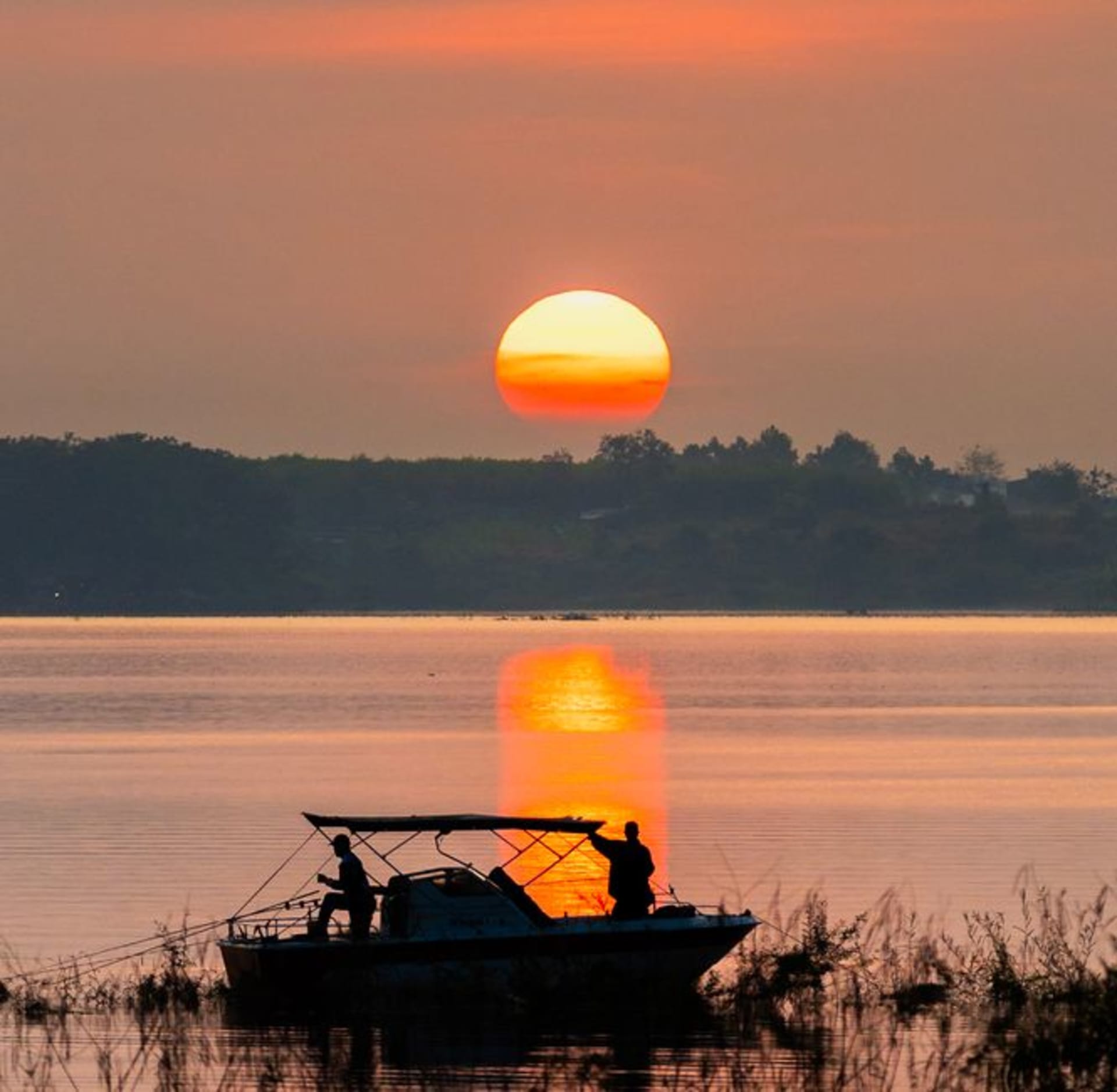
Binga
"Lia bought a basket from every third stall until I told her the car was running out of room."
A remote Lake Kariba fishing town on Tonga homeland where the lakeshore road doubles as an open-air market for hand-woven ilala-palm baskets.

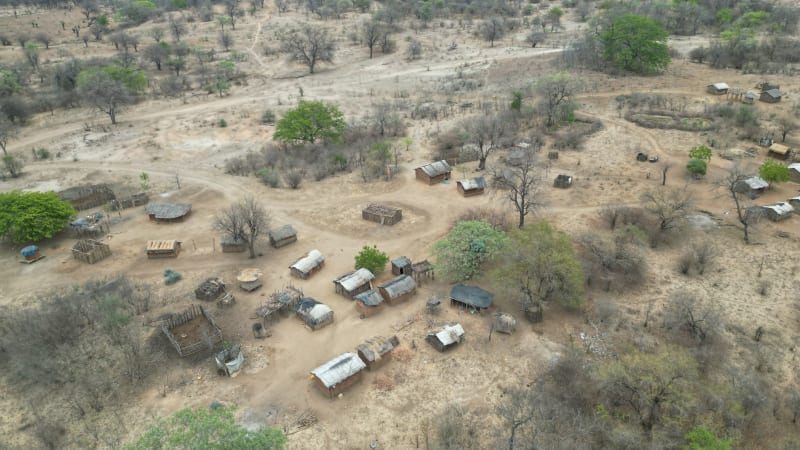
Getting to Binga takes effort, and that’s more or less the point. It sits on the southern shore of Lake Kariba, hours down a road from Hwange that gets progressively rougher and emptier, past baobabs and dry mopane scrub, until you drop down toward the water and the lake just appears, enormous and flat and blue, like the desert opening onto an ocean. This is Tonga country — the BaTonga people were displaced from the Zambezi Valley in the 1950s when the dam was built and the valley flooded to create the lake, and Binga today is still very much theirs, distinct in language and custom from the Shona and Ndebele majorities elsewhere in the country. It doesn’t feel like anywhere else we went in Zimbabwe.
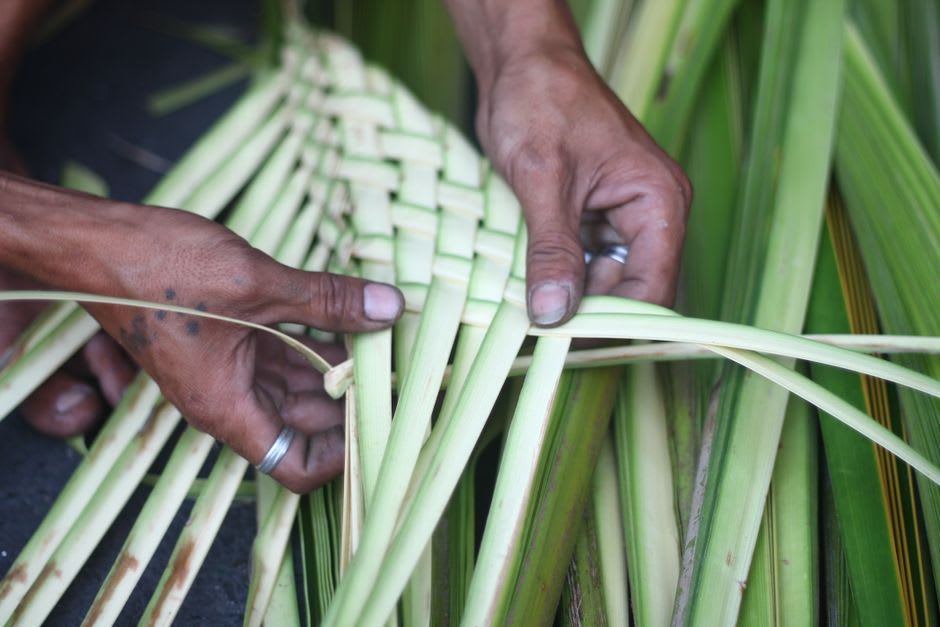
The thing everyone mentions, and the thing that turned out to be entirely true, is the basket weaving. All along the lakeshore road, and especially at the community craft centers around town, women sit weaving ilala palm fronds into baskets with these tight, geometric patterns — checkerboards, zigzags, sunbursts — dyed with natural pigments from roots and bark. We must have stopped at five or six different stalls and every single one had baskets that were genuinely different from the last, not the repetitive tourist-market stuff you brace yourself for. Lia went a little overboard, which I understood completely once I saw the prices — a large, intricately patterned basket that would sell for a small fortune in a design shop back in Mexico City cost us the equivalent of a few dollars here, straight from the weaver’s hands.
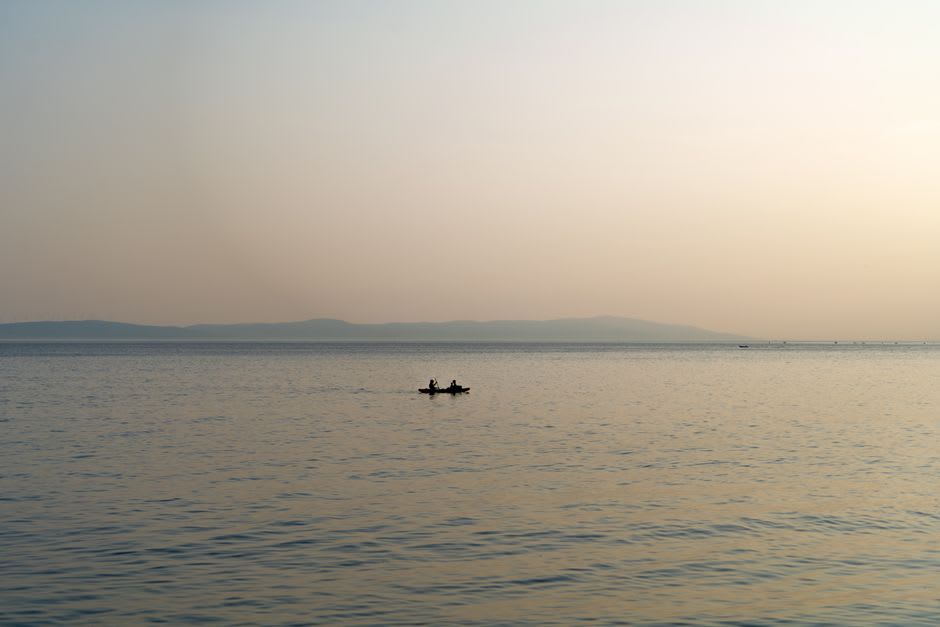
We stayed at a small lodge right on the water and spent an evening out on the lake in a little boat, watching fish eagles work the shoreline and a fisherman in a dugout canoe check nets in the last light. Kariba’s fishing industry runs on kapenta, a tiny sardine-like fish scooped up at night by boats rigged with bright lights that you can see scattered across the lake after dark like a floating constellation. It’s a hard, poor place in a lot of ways — Binga is consistently ranked among Zimbabwe’s least developed districts, and that’s visible if you look past the lake views — but there’s real pride in the craft tradition, and buying directly from the women who make the baskets felt like one of the more honest transactions of the whole trip.
We left with the trunk genuinely rearranged around basket-shaped gaps, and a better sense of how much of Zimbabwe’s identity gets flattened by the Victoria Falls–Hwange circuit most visitors stick to. Binga isn’t on that circuit, and that’s exactly why it’s worth the drive.
When to go: May to August, when the lake road is driest and daytime heat is manageable for wandering the craft stalls along the shore.
Keep exploring
More from Zimbabwe
 zimbabwe
 Bulawayo
Zimbabwe's second city moves at a pace that feels earned rather than tired — wide colonial avenues, a world-class railway museum, and a food culture that rewards the patient.
Explore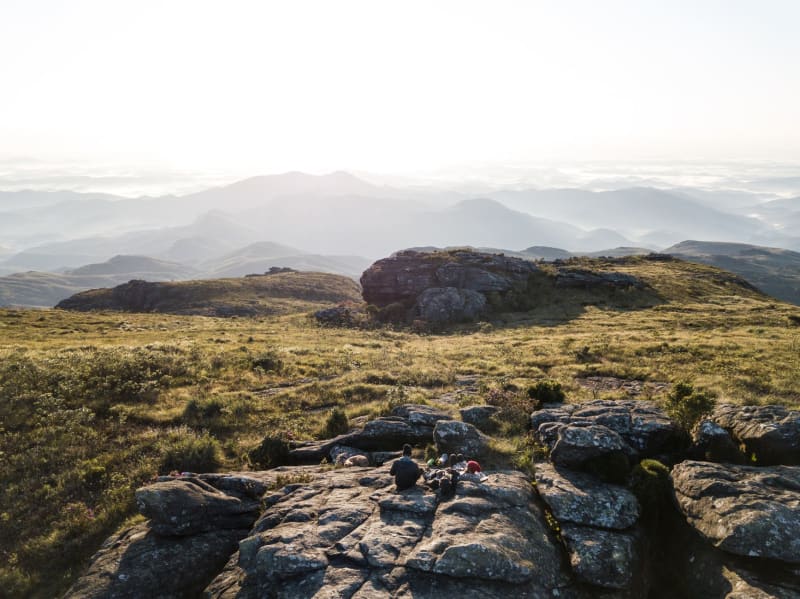 zimbabwe
 Chimanimani
A quartzite mountain range on the Mozambique border accessible only on foot, where waterfalls run cold through heath and protea, and the silence is the kind that takes days to hear properly.
Explore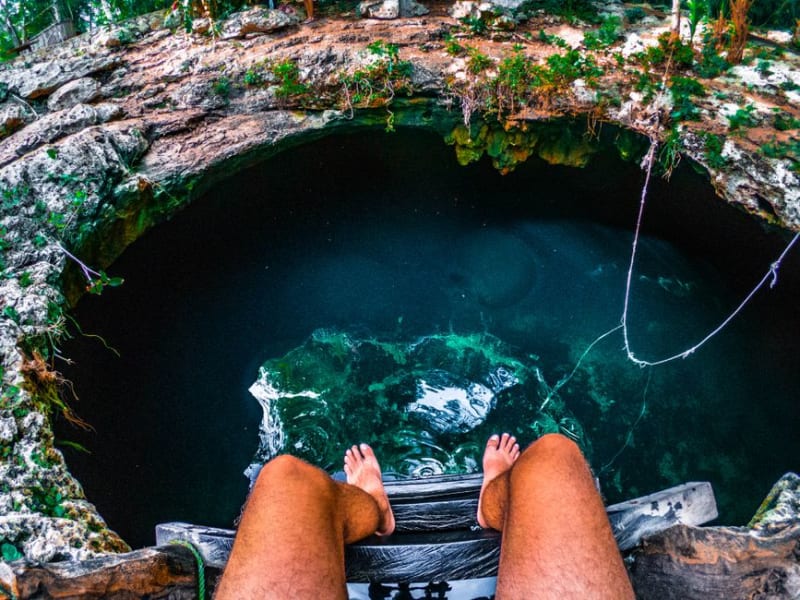 zimbabwe
 Chinhoyi Caves
A collapsed dolomite cave system north of Harare centered on a cobalt-blue sinkhole pool that locals still treat as sacred ground.
Explore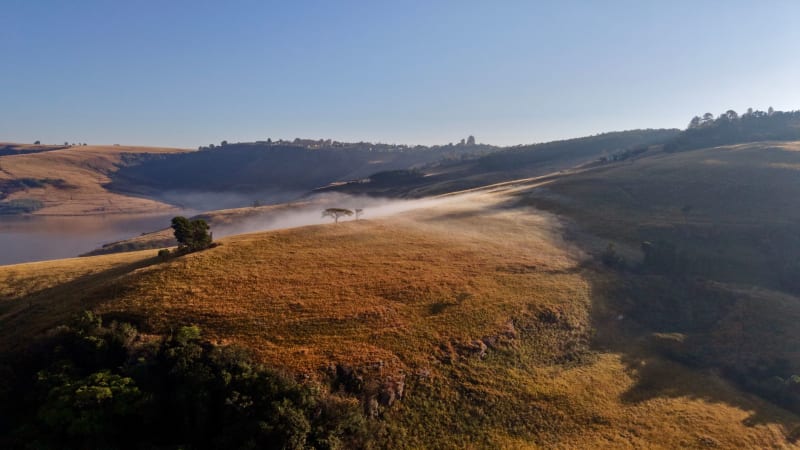 zimbabwe
 Eastern Highlands
A cool, mist-draped mountain border world where trout streams, tea estates, and pine forests feel nothing like the Zimbabwe most people picture.
Explore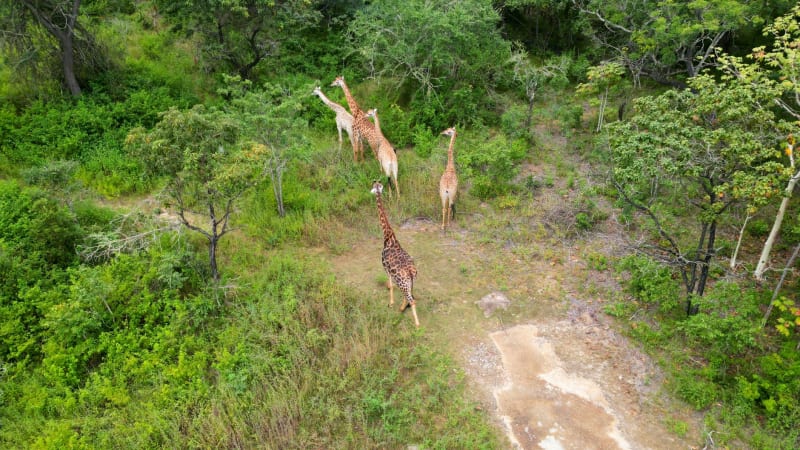 zimbabwe
 Gonarezhou
Zimbabwe's wildest and most remote national park, where enormous tusker elephants roam red sandstone cliffs and the Runde River runs through country that feels genuinely untamed.
Explore zimbabwe
 Great Zimbabwe
The medieval stone city that gave a nation its name — 11th-century dry-stone walls built without a single brick.
Explore