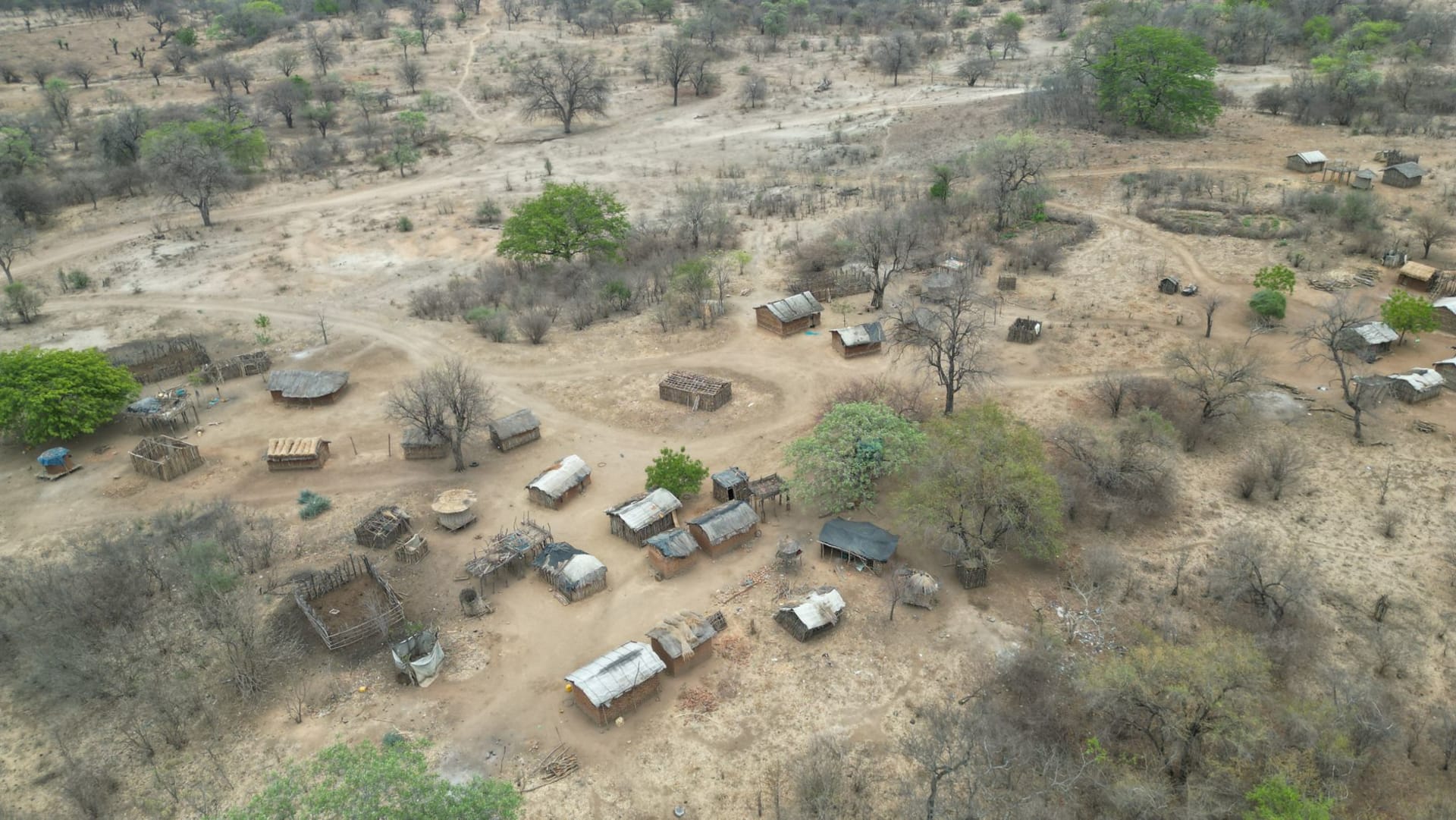
Bulawayo
"Bulawayo has figured out something that most cities are still trying to learn."
Zimbabwe's second city moves at a pace that feels earned rather than tired — wide colonial avenues, a world-class railway museum, and a food culture that rewards the patient.

A City Built Wide
Bulawayo’s streets are designed wide enough to turn a full ox wagon, which is historical fact rather than legend — the original town plan accounted for it. The result, a century later, is a city center with avenues so generous they make you feel slightly exposed walking them, as if the scale belongs to a larger population than the one currently using it. I liked this about Bulawayo immediately. It felt like a place that had made a confident bet on itself and was comfortable sitting with the result.
The colonial architecture along Fife Street and the Main Street area runs to thick-walled verandahed buildings with the particular faded dignity that happens when quality construction is allowed to age without aggressive renovation. The Natural History Museum — housed in one of these — is genuinely remarkable: the geological displays in the basement alone justify the entry fee, and the wildlife taxidermy on the upper floors has the eerie completeness of a natural world captured at a specific moment and frozen there.
The Railway Museum
I spent three hours in the National Railways Museum and I would spend three more. Zimbabwe’s railway history is the history of Cecil Rhodes’ Cape-to-Cairo ambition made metal, and the collection of locomotives in the yard tells it in iron and brass. There are engines here from the 1890s that were dismantled and carried in pieces over the Zambezi. The big steamer — a Garratt articulated locomotive the size of a building — sits under an open shed and can be climbed on and into, which I did, with the unselfconscious delight of a person who is definitely not going to admit how long he spent in the driver’s cab.
The museum staff have the particular expertise of people who genuinely love what they’re preserving. A guide I spoke with knew the individual maintenance histories of locomotives by heart.
Eating and Finding Things
The food in Bulawayo is less of an adventure in the tourist sense and more of a domestic education. The central market has stalls selling roasted mealies and sadza with relish that you eat standing up. I ordered something I couldn’t name — a stew with groundnuts and something smoky — and ate it watching the morning market operate at full noise. The private restaurants that have survived the economic turbulence of recent decades tend to have long-serving staff and menus that don’t change much, which I mean as praise.
The Bulawayo Club, on the main street, has a bar where you can drink cold lager surrounded by a century of accumulated southern African atmosphere. I went twice.
Gateway to Matobo
Bulawayo functions as the natural base for Matobo Hills, forty-five minutes south, and most visitors use it accordingly — one night before, one night after. I’d suggest at least two in the city itself. The pace is what people in more frantic places are trying to manufacture.
When to go: Bulawayo is worth visiting year-round. The dry winter months (May–August) pair perfectly with Matobo Hills day trips. Summer (November–February) is hot and sees afternoon thunderstorms that clear quickly and leave the air clean and electric. Avoid the brief school holiday rushes if you want accommodation options.
Keep exploring
More from Zimbabwe
 zimbabwe
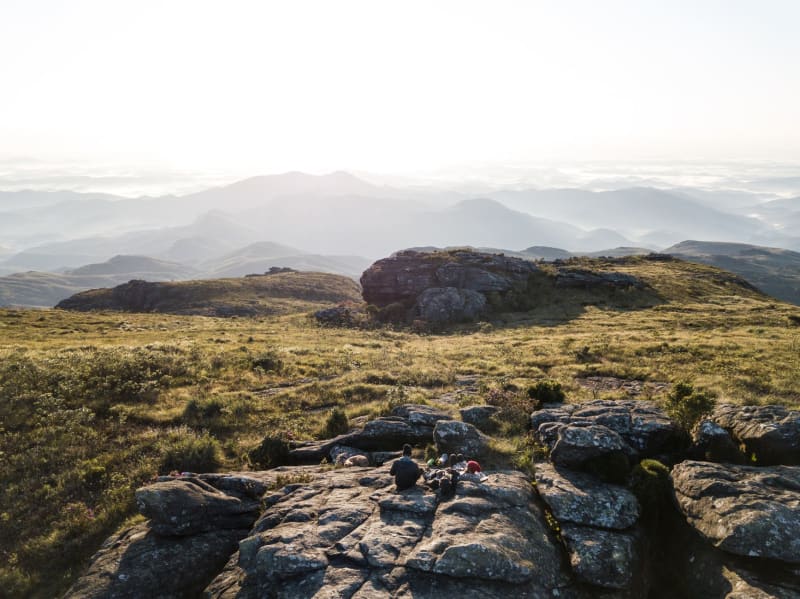
 Chimanimani
A quartzite mountain range on the Mozambique border accessible only on foot, where waterfalls run cold through heath and protea, and the silence is the kind that takes days to hear properly.
Explore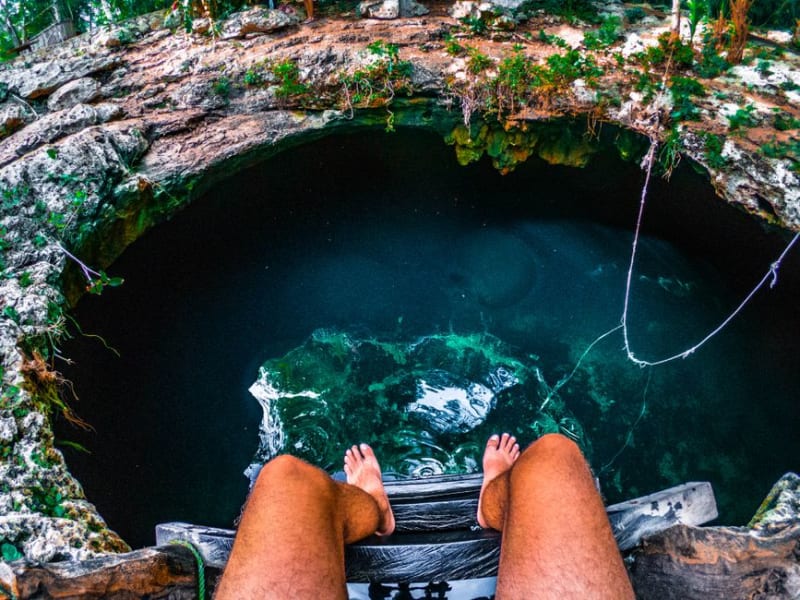 zimbabwe
 Chinhoyi Caves
A collapsed dolomite cave system north of Harare centered on a cobalt-blue sinkhole pool that locals still treat as sacred ground.
Explore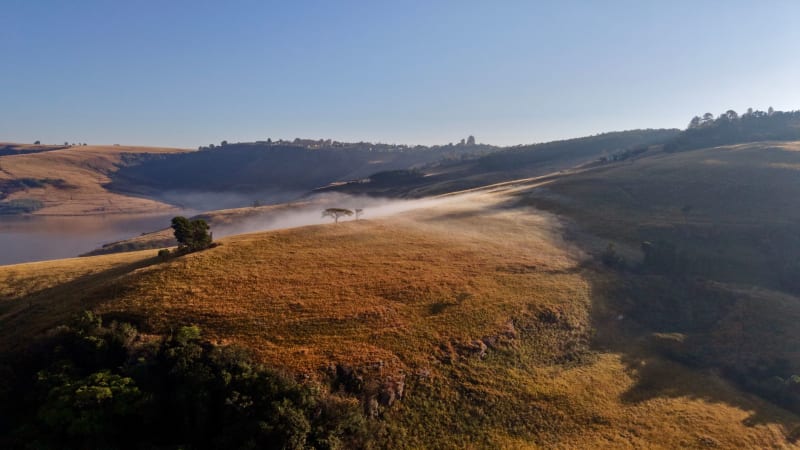 zimbabwe
 Eastern Highlands
A cool, mist-draped mountain border world where trout streams, tea estates, and pine forests feel nothing like the Zimbabwe most people picture.
Explore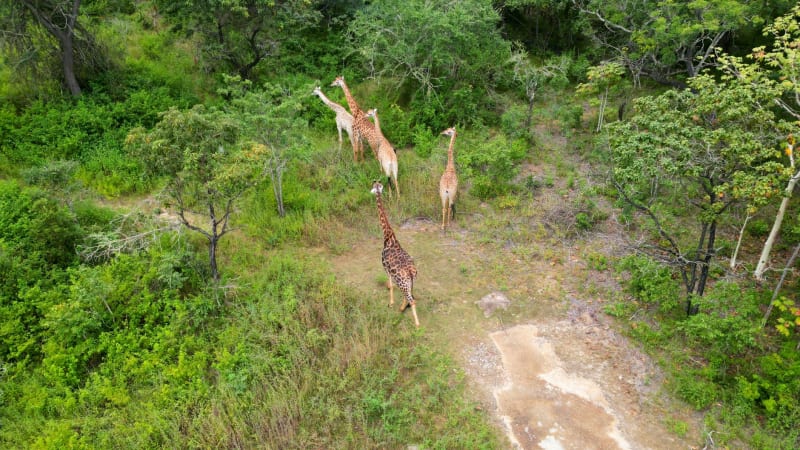 zimbabwe
 Gonarezhou
Zimbabwe's wildest and most remote national park, where enormous tusker elephants roam red sandstone cliffs and the Runde River runs through country that feels genuinely untamed.
Explore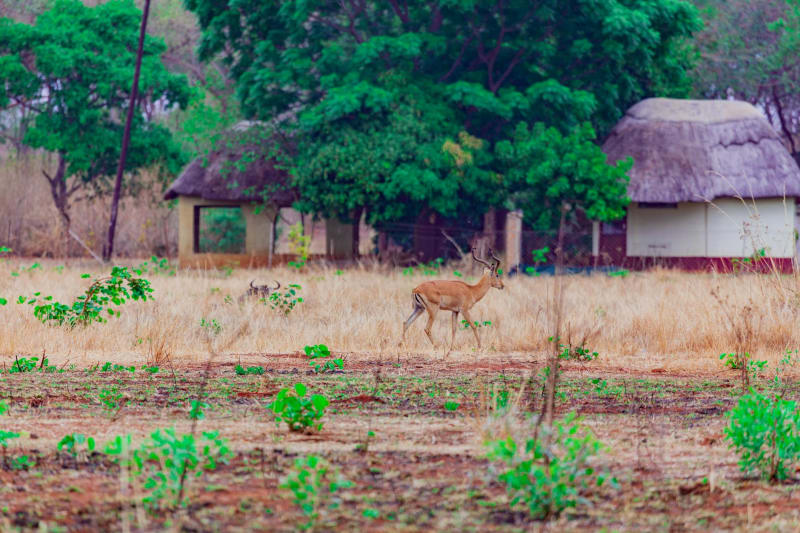 zimbabwe
 Great Zimbabwe
The medieval stone city that gave a nation its name — 11th-century dry-stone walls built without a single brick.
Explore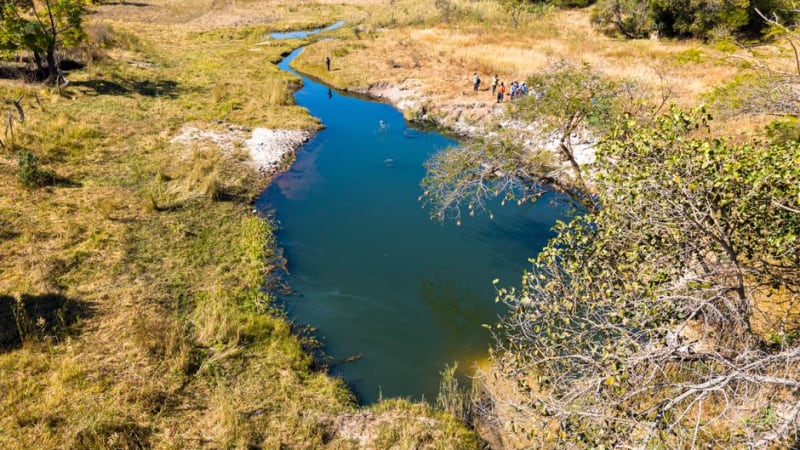 zimbabwe
 Gweru
A central Midlands city best known as the base for Antelope Park, where rehabilitated lions are walked and studied along the Gweru River.
Explore