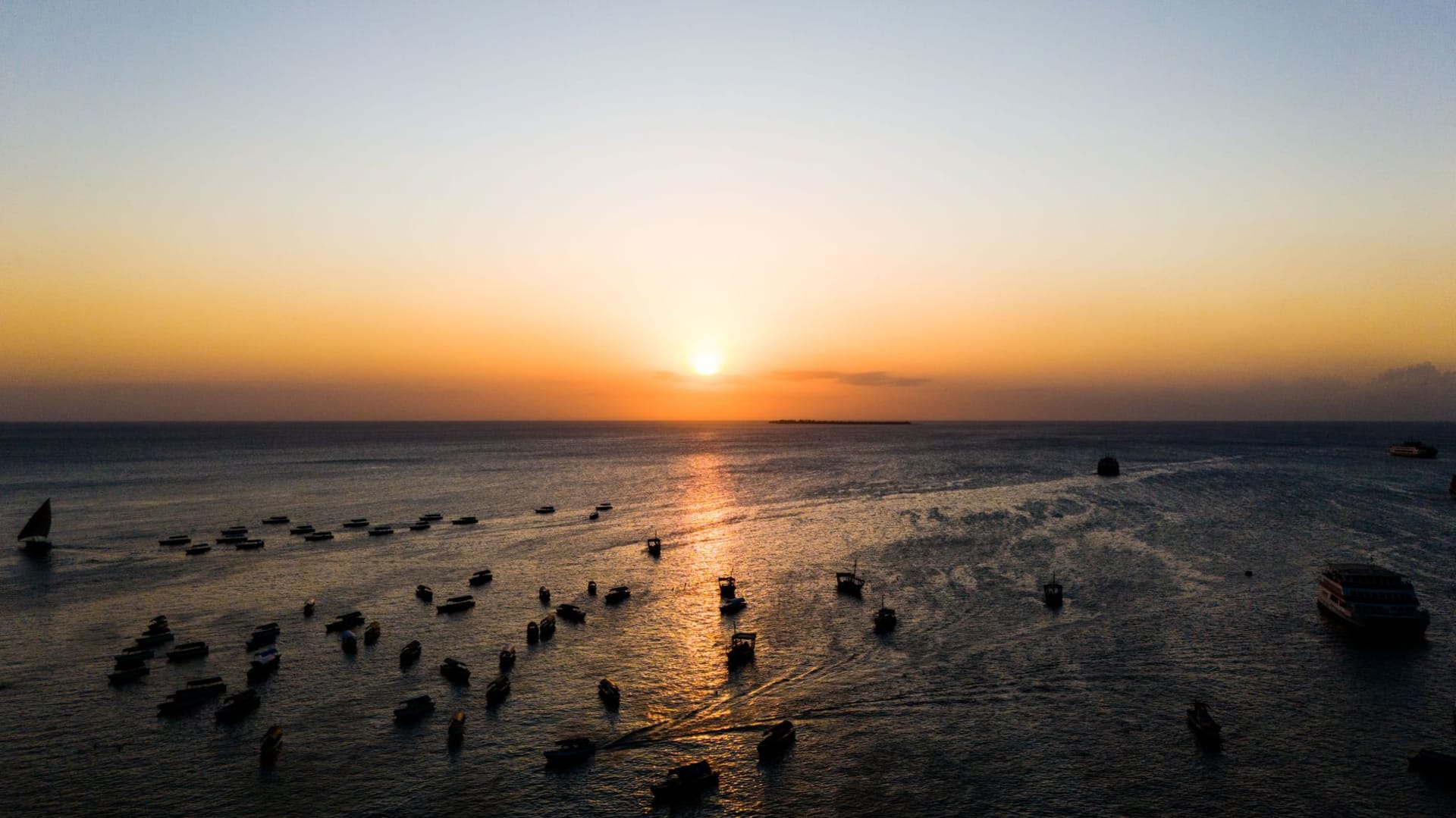
Africa
Zanzibar
"Nowhere else have I felt so many histories colliding in a single afternoon."
An island where carved Arabic doorways open onto Indian Ocean beaches, and the air still carries the ghost of cloves that once made this the spice capital of the world.

The ferry from Dar es Salaam takes two hours, and by the time you see Stone Town materializing through the salt haze — minarets, dhow masts, the coral-stone walls that seem to absorb heat rather than reflect it — you already sense that this is not a beach destination with a colonial quarter attached. It is something stranger: an island that spent centuries as one of the Indian Ocean’s most important trading posts, then became a British protectorate, then a revolutionary republic, and then, somehow, a honeymoon destination. All of those layers are still there, stacked on top of each other in ways that make every afternoon walk feel like an accidental history lesson.
Stone Town is where I spent most of my time, and where most visitors don’t spend nearly enough. The medina-like warren of narrow streets behind the seafront is not particularly large — you can walk across it in twenty minutes if you’re determined — but it resists navigation in the way that good old cities do. I kept finding myself at the Darajani market before I meant to, standing in front of a stall piled with dried cloves and cardamom pods while a man explained which grade of cinnamon was worth buying. The spice trade collapsed long ago, but the smells haven’t left. At Forodhani Gardens in the evening, the grills come out and vendors cook Zanzibar pizza — a street-food invention that involves thin dough, egg, minced meat, and various combinations of whatever the cook decides to put in it — alongside octopus charred directly on the coals. I ate there three nights in a row, standing at the same table, paying roughly a dollar per item.
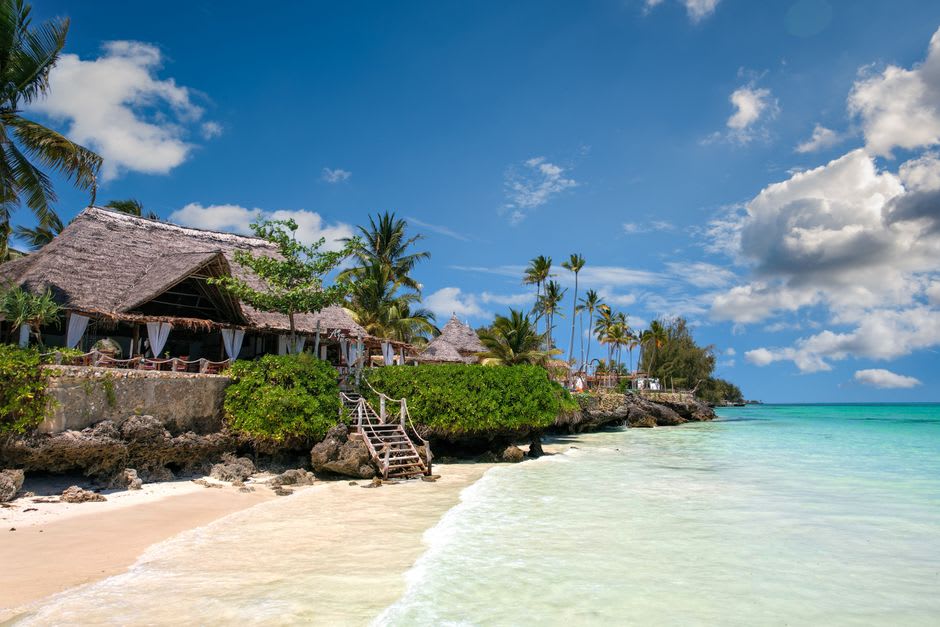
The beaches, yes — they are everything people say. Nungwi in the north and Paje on the east coast both deliver the turquoise-over-white that the photographs promise. But the photographs don’t convey the tidal extremes. At low tide on the east coast the ocean retreats hundreds of meters, leaving a flat expanse of seagrass where local women work collecting sea cucumbers in the ankle-deep water. Come back six hours later and that same ground is under two meters of Indian Ocean. The visual shift is so complete that you check whether you’ve moved.
When to go: June through October is the long dry season — reliable sun, lower humidity, and the best sea visibility for diving and snorkeling. December through February is also dry and excellent. Avoid April and May (the long rains) and November (short rains), when downpours can be heavy and extended. Peak season brings higher prices everywhere; if you can travel in June or early October, you’ll find better rates and fewer crowds on the beaches.
What most guides get wrong: They treat Zanzibar as a bolt-on to a Tanzania safari — three nights of beach recovery before the flight home. That framing reduces it to a resort island, which is only one version of what it is. Stone Town alone deserves two to three full days of exploration, not a single guided tour that ends at a spice farm. The cultural weight of the place — Arab, Indian, African, British, Swahili, all of it compressed into one small island — is genuinely unlike anything else on the continent. Come for the beaches if you want, but leave time to get properly lost in the old city first.
Explore
Places in Zanzibar
 zanzibar
 Bwejuu
A palm-dense east-coast village where the beach is wide, the pace is slow, and the tidal flats at low tide become a private ocean that's barely ankle-deep for five hundred meters.
Explore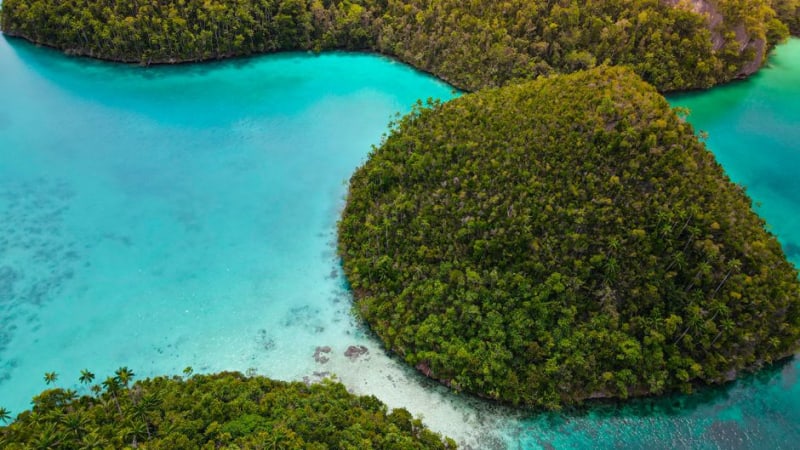 zanzibar
 Chumbe Island
A privately protected coral park south of Stone Town, one of East Africa's earliest and most rigorous ecotourism projects.
Explore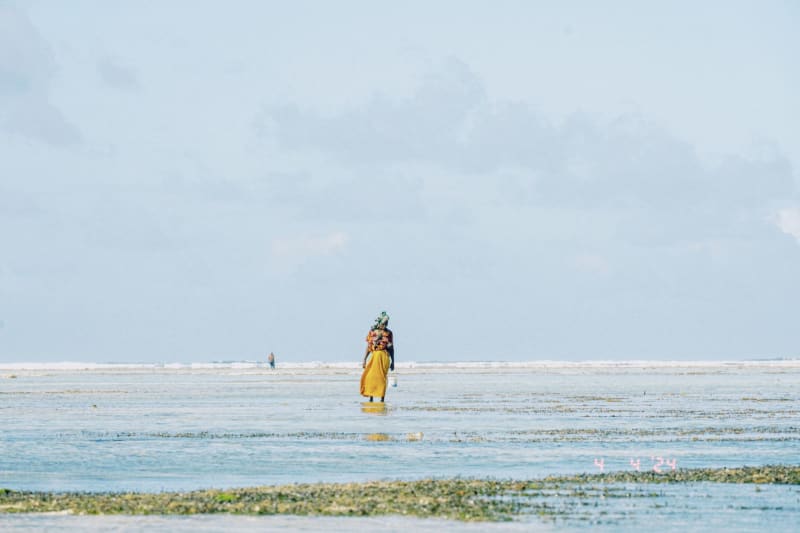 zanzibar
 Jambiani
A slow southeast-coast village where seaweed farmers work the morning tides and the most compelling activity is watching the light change over the Indian Ocean for hours.
Explore zanzibar
 Jozani Forest
Zanzibar's last great tract of groundwater forest, home to the endangered red colobus monkey found nowhere else on Earth, and a boardwalk through a mangrove that floods twice a day.
Explore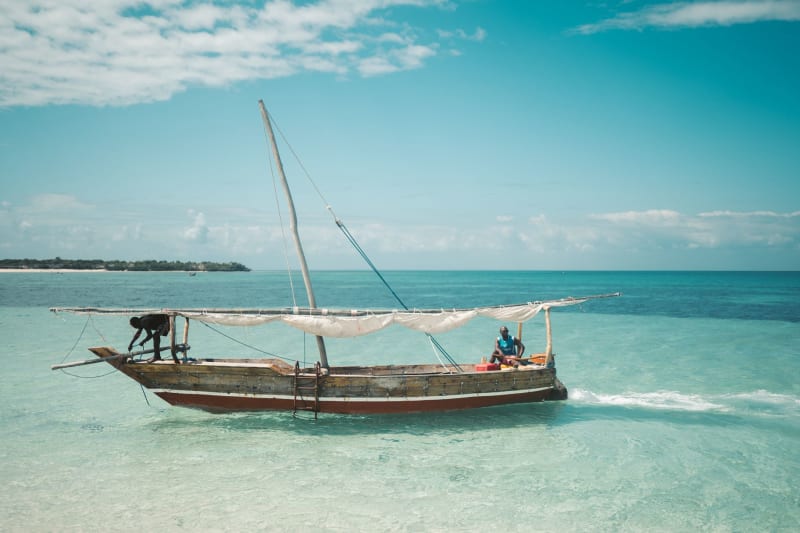 zanzibar
 Kendwa
A small north-coast beach that stays swimmable at all tides and hosts a full moon party every month that draws the island's most committed night swimmers.
Explore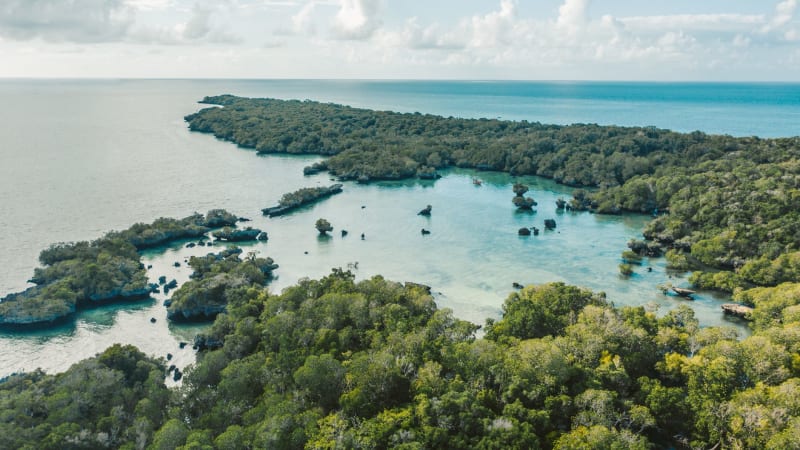 zanzibar
 Kizimkazi
The quiet southwestern tip of the island where spinner and bottlenose dolphins feed in the channel every morning and a twelfth-century mosque stands in a fishing village that time treats gently.
Explore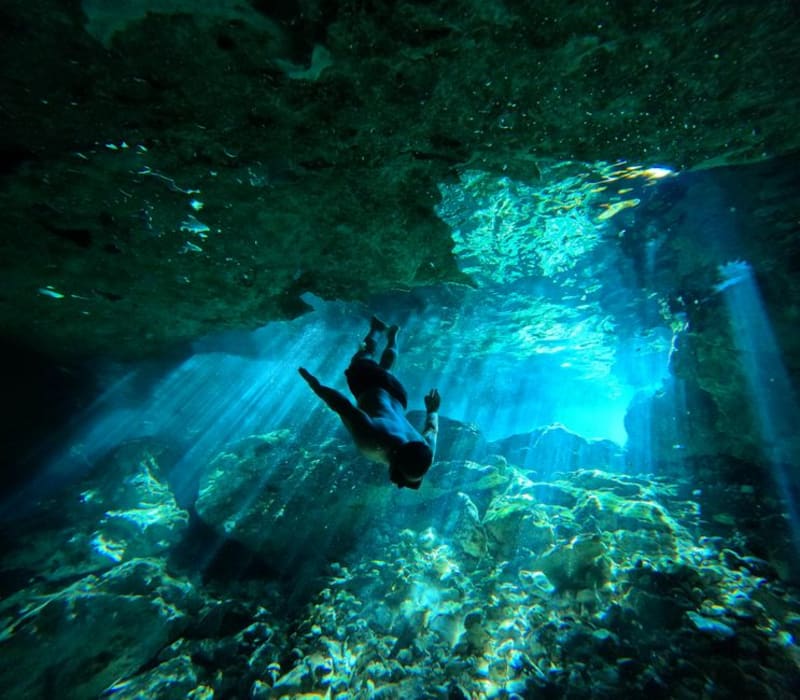 zanzibar
 Mangapwani
A stretch of coast north of Stone Town where somber slave-trade caves sit within walking distance of a natural coral swimming cave.
Explore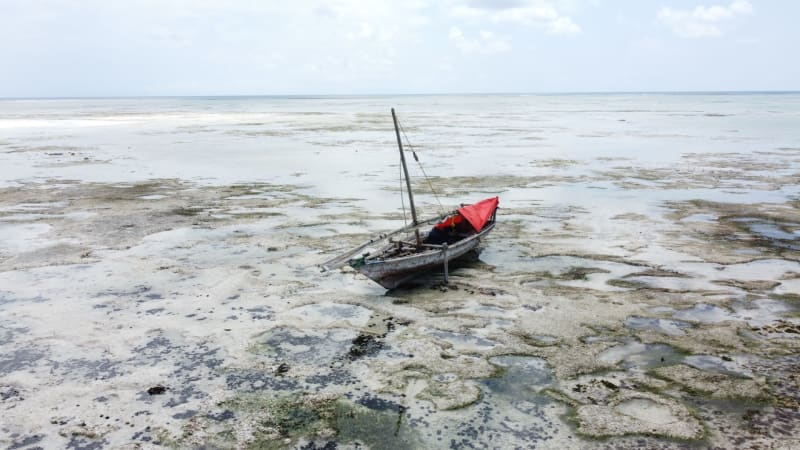 zanzibar
 Matemwe
A quiet northeast village backed by palms and fronted by a reef that drops into some of the clearest water on the island, where manta rays drift through in season.
Explore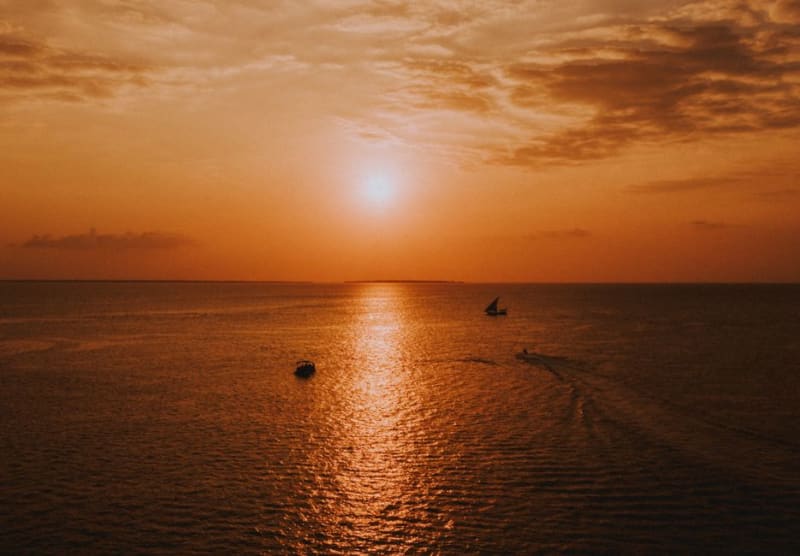 zanzibar
 Michamvi
A slender peninsula at Zanzibar's southeastern tip narrow enough that sunrise over the ocean and sunset over the channel happen from the same sandbar.
Explore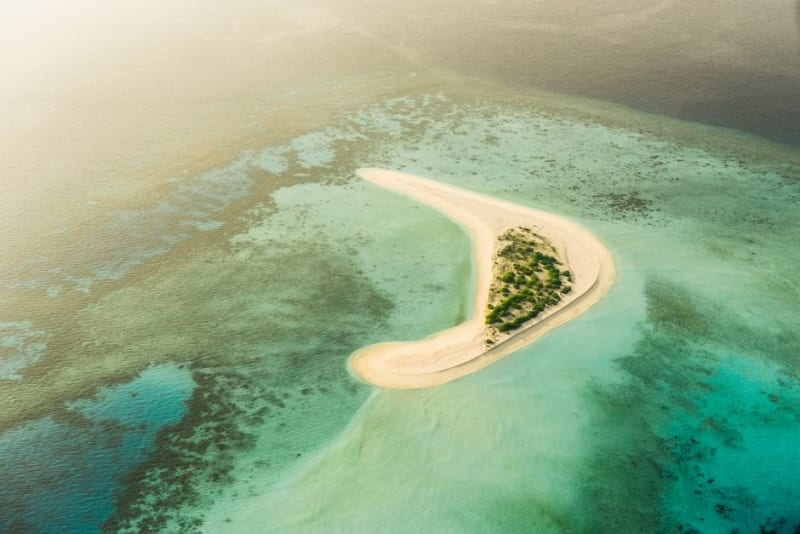 zanzibar
 Mnemba Island
A private coral atoll off Zanzibar's northeast tip where the sandbanks disappear at high tide and whale sharks pass close enough to touch.
Explore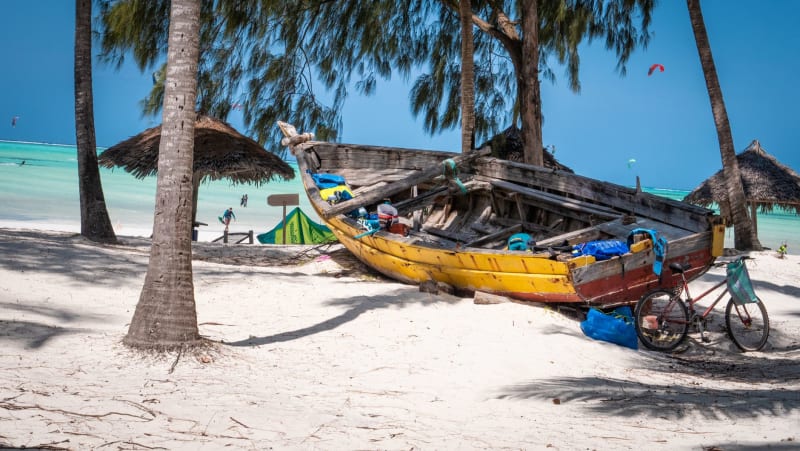 zanzibar
 Nungwi
The northernmost tip of the island where dhow builders still work by hand on the beach and the water stays deep enough to swim at any tide.
Explore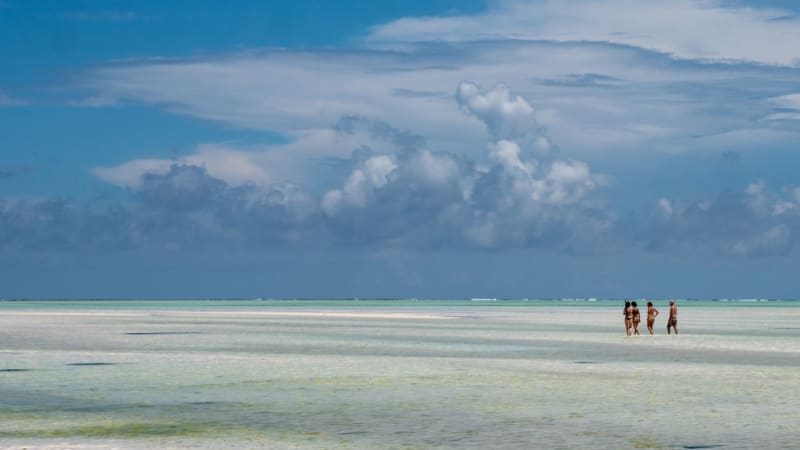 zanzibar
 Paje
An east-coast village of tidal flats and constant trade winds where kitesurfers rule the afternoons and the beach transforms into a mirror at low tide.
Explore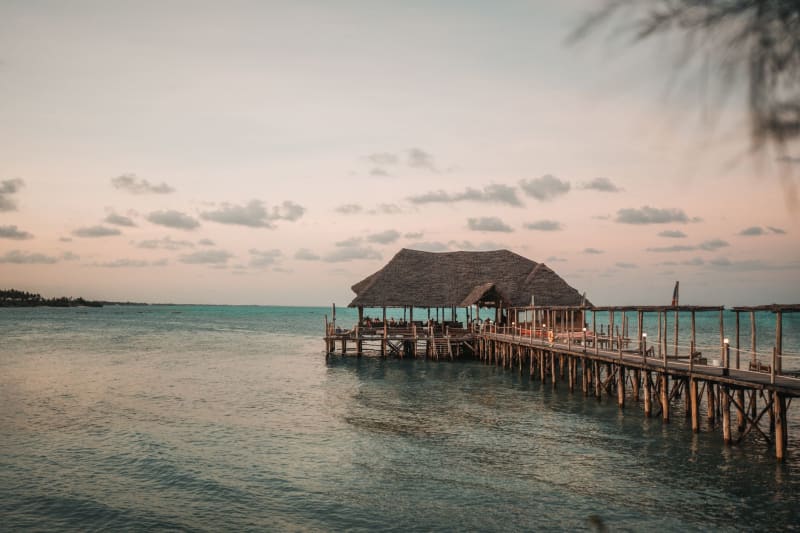 zanzibar
 Prison Island
A tiny coral island thirty minutes from Stone Town where giant Aldabra tortoises move through the trees at their own geological pace and the colonial past sits in elegant ruin.
Explore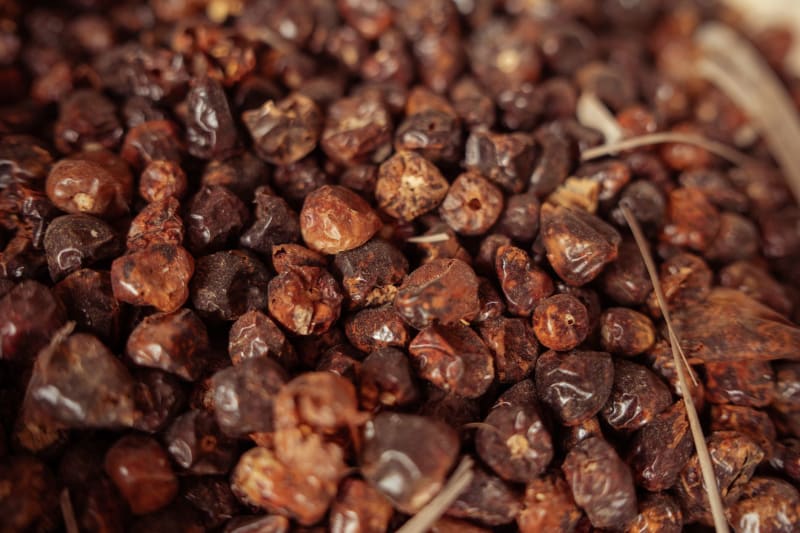 zanzibar
 Spice Farms
The interior of the island where clove, vanilla, cardamom, and nutmeg grow in shaded groves that smell like the entire history of the Indian Ocean spice trade.
Explore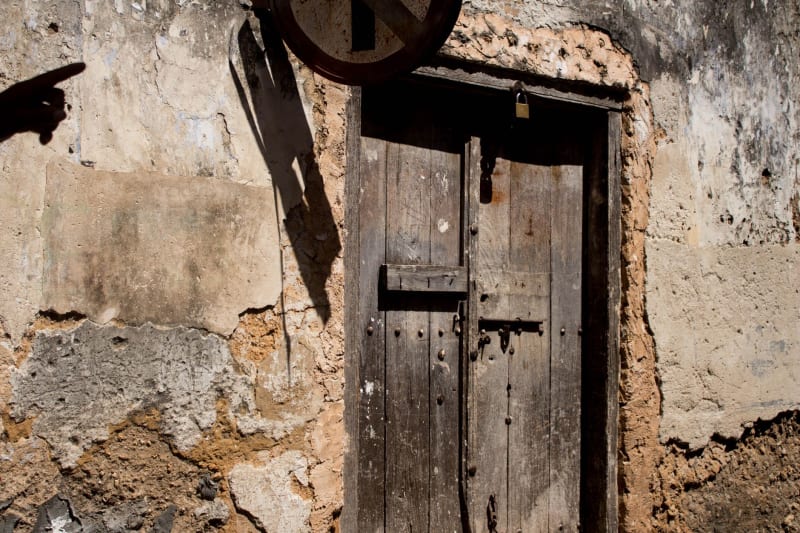 zanzibar
 Stone Town
A UNESCO-listed labyrinth of carved doorways, coral-stone alleys, and Persian baths where Arabic, Indian, and Swahili cultures collided and stayed.
Explore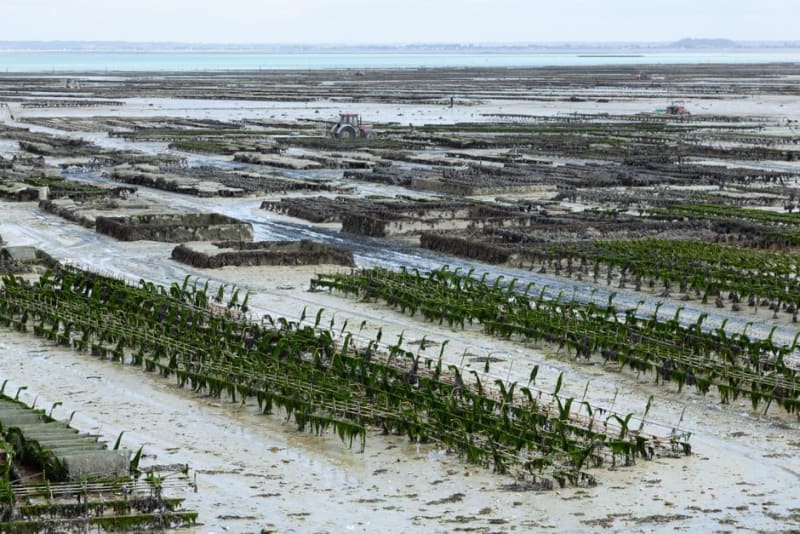 zanzibar
 Uroa
A quiet east-coast fishing village where women wade waist-deep at low tide, tending rows of seaweed strung between wooden stakes.
Explore