Mangapwani
"We went from standing in a cave built to hide human suffering to swimming in one carved purely by the sea, all in the same afternoon, and neither of us said much on the drive back."
A stretch of coast north of Stone Town where somber slave-trade caves sit within walking distance of a natural coral swimming cave.

Mangapwani is a strange place to spend an afternoon because it holds two completely unrelated things about twenty minutes’ walk apart, and visiting them back to back left both of us quieter than usual. The first stop is the slave cave, a natural cavern that was used, depending on which account you read, either to hold enslaved people awaiting illegal transport after the trade was officially banned, or as a holding point along the wider trafficking route out of Zanzibar. Our guide, an older man from the nearby village, spoke about it plainly, without theatrics, which somehow made it land harder — just the facts of the space, the low ceiling, the single narrow entrance, the dark.

Zanzibar’s role in the East African slave trade doesn’t get anywhere near the attention Stone Town’s more polished slave-market memorial gets from tour buses, and Mangapwani felt more exposed for it — no gift shop, no plaque with clean museum lighting, just a hole in the coral rock that people were once forced into. I’ve been to a lot of historical sites that manage to soften the edges through curation; this one hasn’t been, and I think that’s the point.

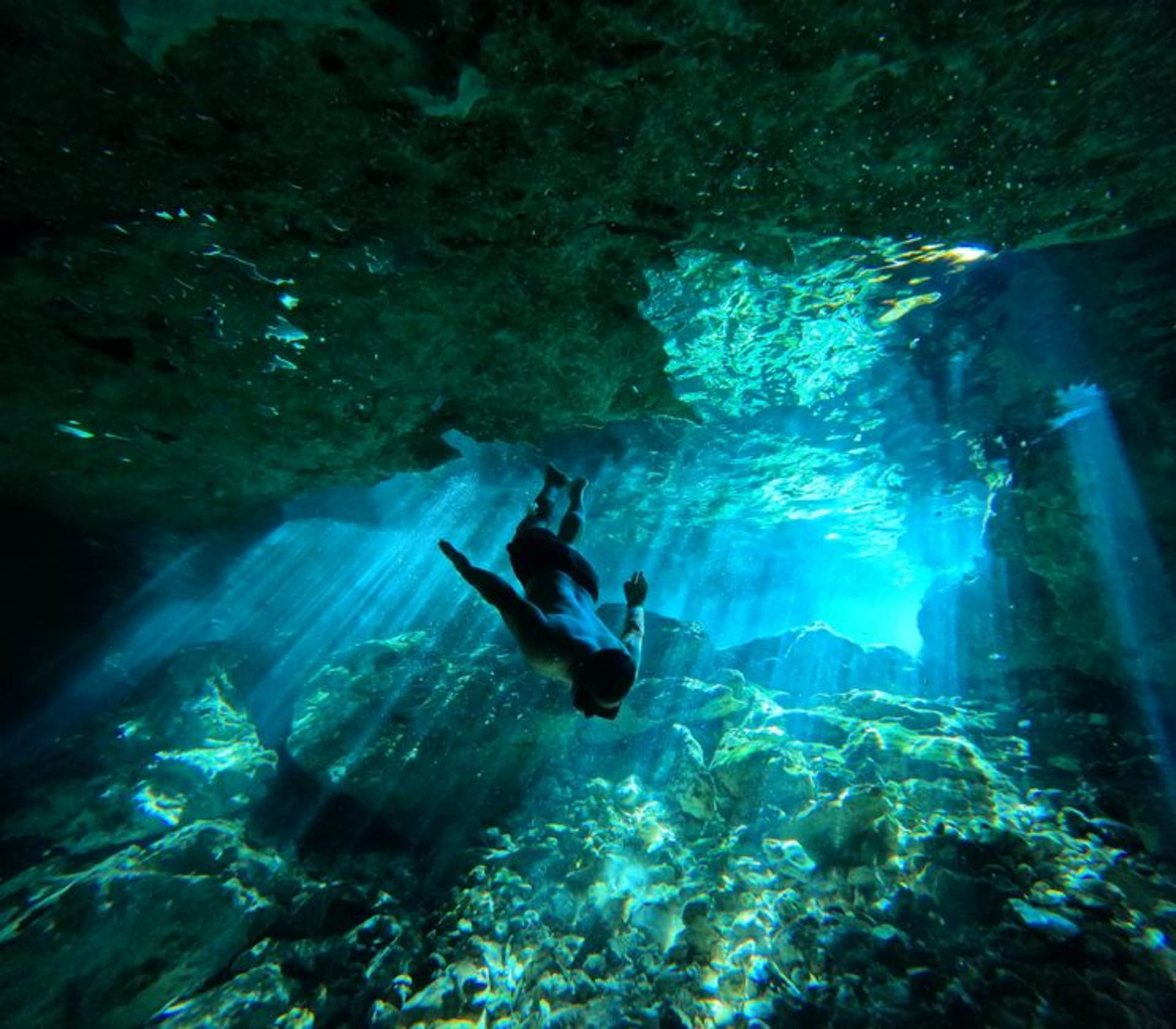
Then you walk a short distance along the coast to the coral cave, and the tone flips entirely — it’s a swimming hole formed naturally in the limestone, with a shaft of sunlight coming through an opening in the roof and lighting up water so clear you can see straight to the bottom. Local kids use it as their pool, and a couple of them were doing cannonballs off a ledge when we arrived, completely unbothered by the fact that we’d just come from somewhere so heavy. Lia and I swam for maybe twenty minutes, the water cool against the heat outside, and it was genuinely beautiful, which felt almost uncomfortable given what we’d just seen a short walk away.
I’ve thought about that juxtaposition more than almost anything else from our time in Zanzibar — the same coastline holding both a monument to cruelty and a spot of pure, unbothered joy for local kids, with no attempt made to smooth the contrast into something tidier.
When to go: Go in the morning before the day heats up, and budget time for both sites — rushing either one undersells what makes Mangapwani worth the detour from Stone Town.
Keep exploring
More from Zanzibar
 zanzibar
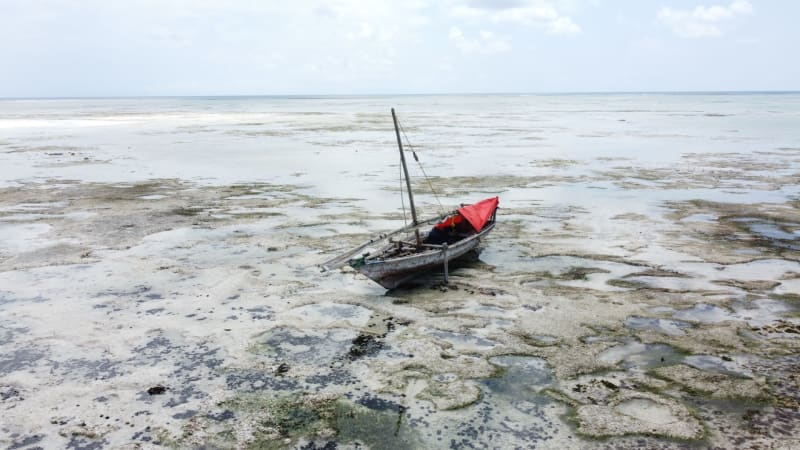
 Matemwe
A quiet northeast village backed by palms and fronted by a reef that drops into some of the clearest water on the island, where manta rays drift through in season.
Explore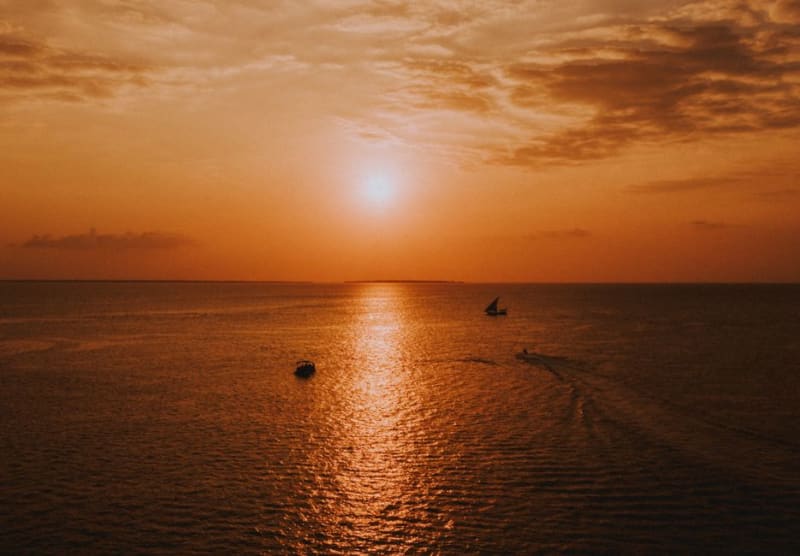 zanzibar
 Michamvi
A slender peninsula at Zanzibar's southeastern tip narrow enough that sunrise over the ocean and sunset over the channel happen from the same sandbar.
Explore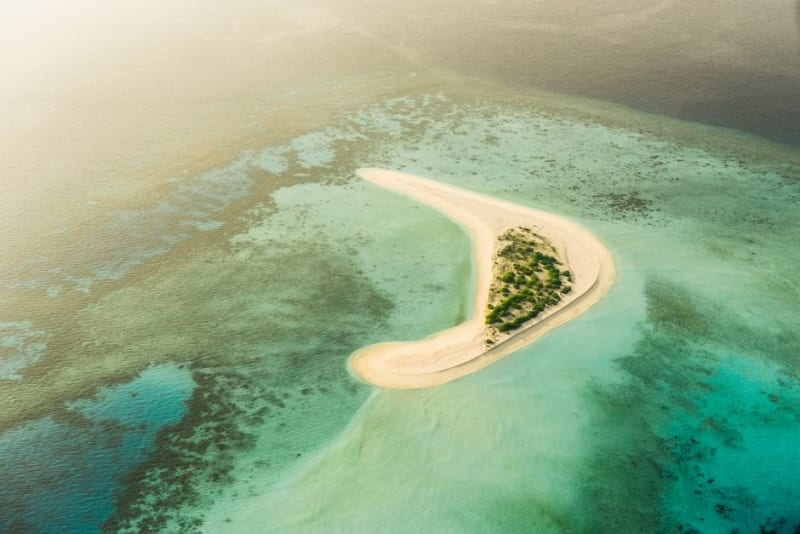 zanzibar
 Mnemba Island
A private coral atoll off Zanzibar's northeast tip where the sandbanks disappear at high tide and whale sharks pass close enough to touch.
Explore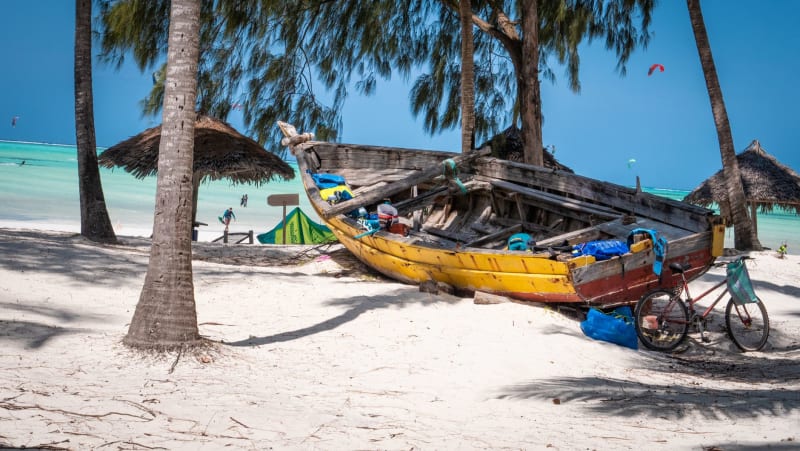 zanzibar
 Nungwi
The northernmost tip of the island where dhow builders still work by hand on the beach and the water stays deep enough to swim at any tide.
Explore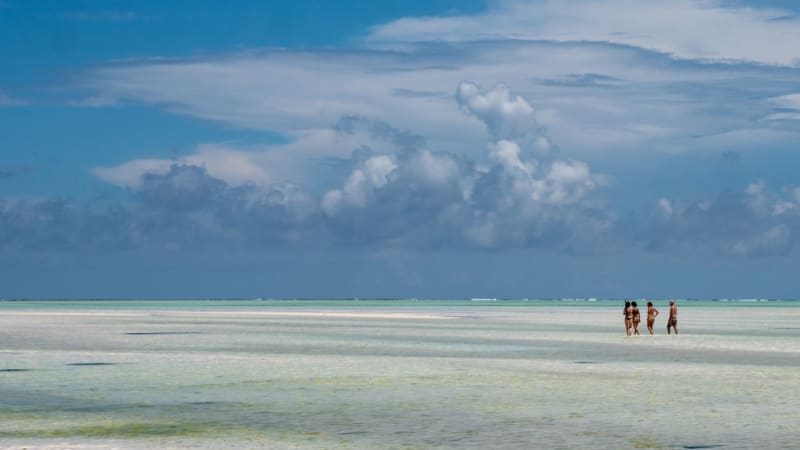 zanzibar
 Paje
An east-coast village of tidal flats and constant trade winds where kitesurfers rule the afternoons and the beach transforms into a mirror at low tide.
Explore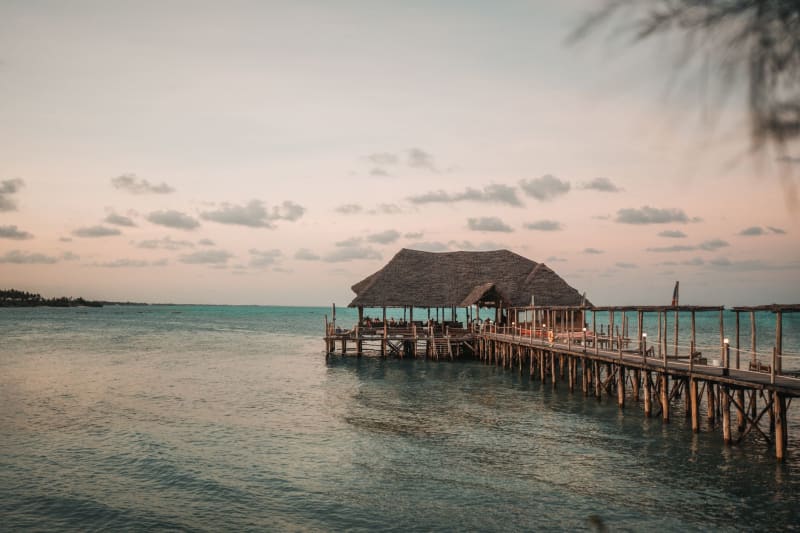 zanzibar
 Prison Island
A tiny coral island thirty minutes from Stone Town where giant Aldabra tortoises move through the trees at their own geological pace and the colonial past sits in elegant ruin.
Explore