Uroa
"The tide went out so far that the ocean I'd fallen asleep next to had simply vanished by morning."
A quiet east-coast fishing village where women wade waist-deep at low tide, tending rows of seaweed strung between wooden stakes.

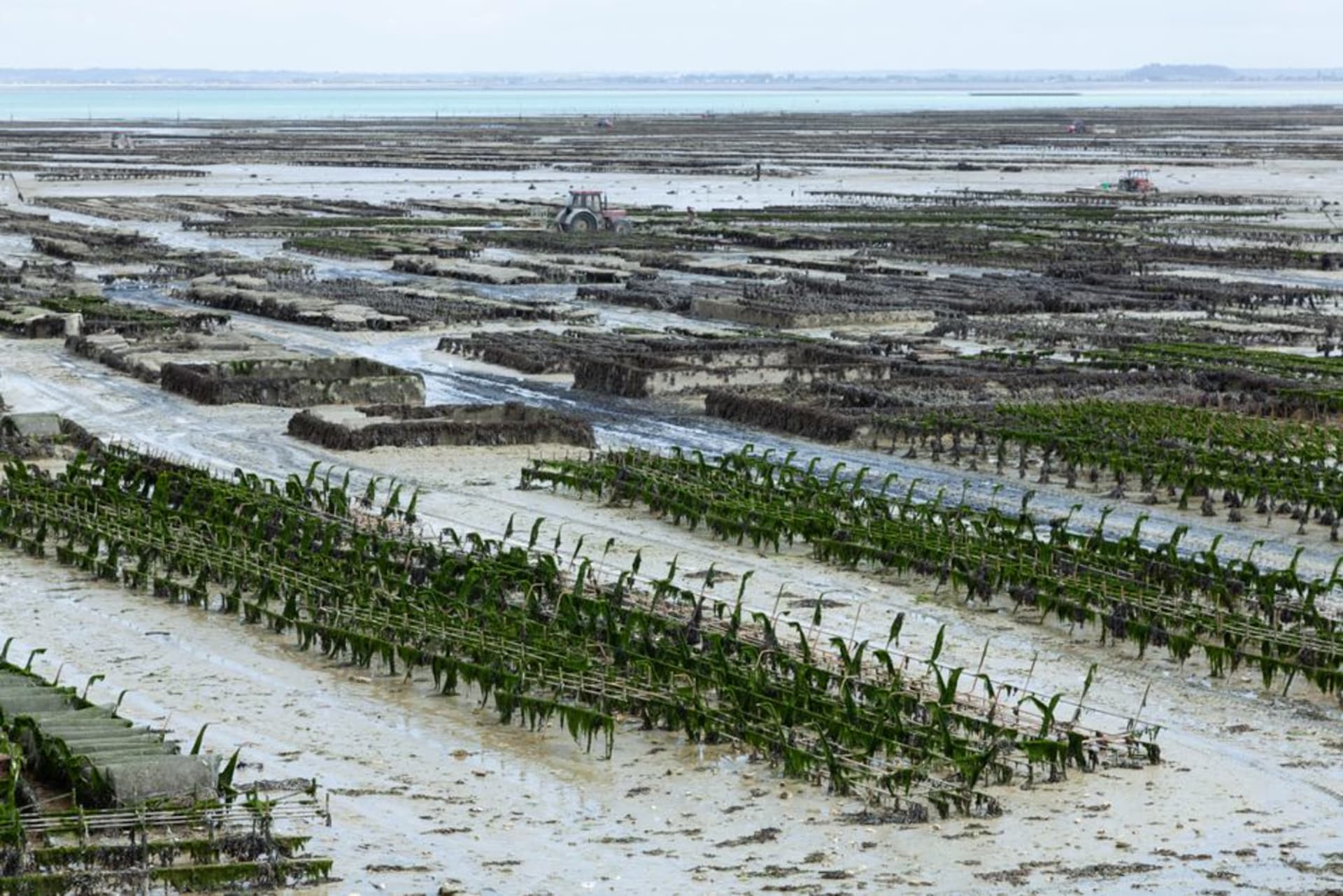
Uroa surprised me the first time because I showed up expecting a beach and found, at low tide, something closer to a wet field. The water retreats a genuinely absurd distance here — hundreds of meters, sometimes — leaving behind a flat of packed sand studded with starfish and the occasional stranded crab, crisscrossed by lines of wooden stakes that mark out the seaweed farms. I’d read about Zanzibar’s seaweed industry before coming, in the vague way you read about any place’s “main export,” but seeing the actual scale of it, plot after plot stretching toward the reef line, made it click that this is real, unglamorous work that a lot of the village depends on.

We walked out with a local guide named Fatma who’s been farming seaweed since she was a teenager, and she let us handle a wet clump straight off the line — slick, briny, heavier than it looks. She explained the two varieties they grow, the cheaper spinosum and the more valuable cottonii, and how the price for a kilo barely covers what it costs to farm, which is part of why some families have shifted toward selling seaweed soap and scrubs to tourists instead of the raw crop to exporters. It’s not a sob story exactly, just an honest one — hard, tide-dependent labor for thin margins, done mostly by women who are out there whether or not anyone’s watching.

Uroa itself doesn’t try hard to be a resort town, which I liked. There’s a scatter of midrange hotels along the shore, a village behind them going about its business, fishermen mending nets in the shade, kids using the exposed sandbars as a football pitch once the tide’s fully out. We ate grilled octopus one evening at a shack that was really just a guy with a charcoal grill and four plastic chairs, and it was better than anything we’d had at the fancier places further south. Lia still brings up that octopus unprompted, which for her is the highest compliment a meal can get.
The tide swings are the whole rhythm of the place — plan your swim, your walk, your boat trip around the chart or you’ll end up staring at exposed reef where you expected water, which happened to us exactly once before we learned to check.
When to go: Visit around a low tide in the morning or late afternoon to see the seaweed farms fully exposed and the light at its softest for photos.
Keep exploring
More from Zanzibar
 zanzibar
 Bwejuu
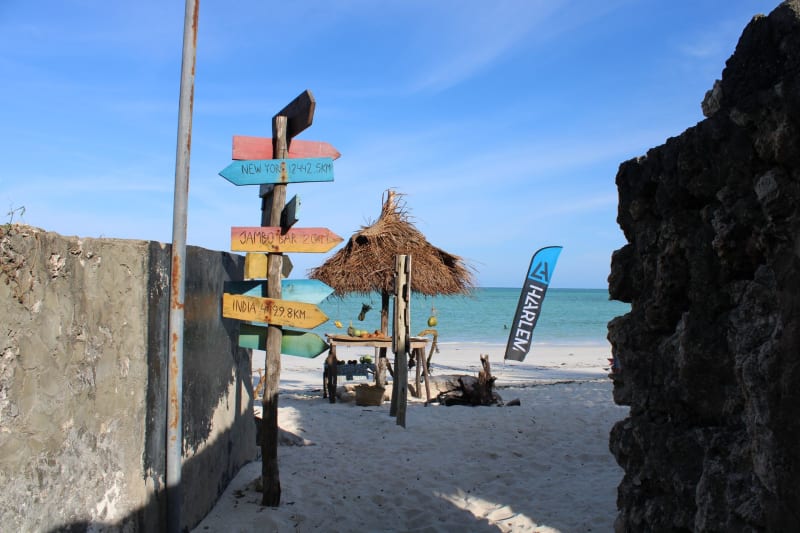
A palm-dense east-coast village where the beach is wide, the pace is slow, and the tidal flats at low tide become a private ocean that's barely ankle-deep for five hundred meters.
Explore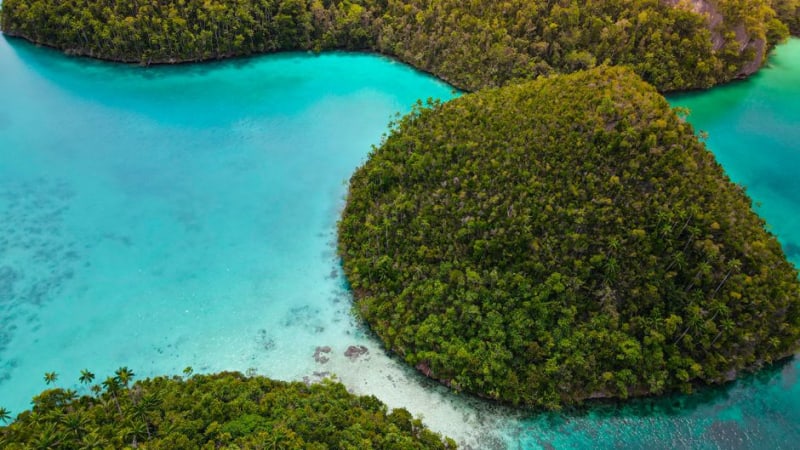 zanzibar
 Chumbe Island
A privately protected coral park south of Stone Town, one of East Africa's earliest and most rigorous ecotourism projects.
Explore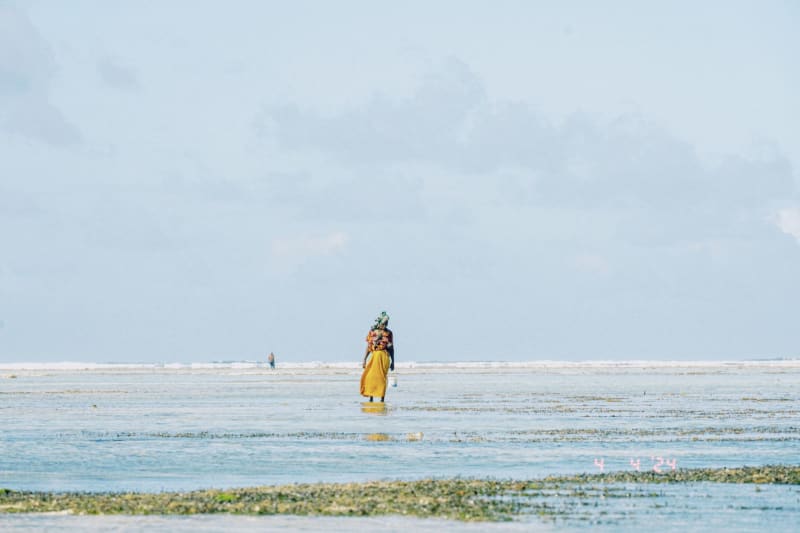 zanzibar
 Jambiani
A slow southeast-coast village where seaweed farmers work the morning tides and the most compelling activity is watching the light change over the Indian Ocean for hours.
Explore zanzibar
 Jozani Forest
Zanzibar's last great tract of groundwater forest, home to the endangered red colobus monkey found nowhere else on Earth, and a boardwalk through a mangrove that floods twice a day.
Explore zanzibar
 Kendwa
A small north-coast beach that stays swimmable at all tides and hosts a full moon party every month that draws the island's most committed night swimmers.
Explore zanzibar
 Kizimkazi
The quiet southwestern tip of the island where spinner and bottlenose dolphins feed in the channel every morning and a twelfth-century mosque stands in a fishing village that time treats gently.
Explore