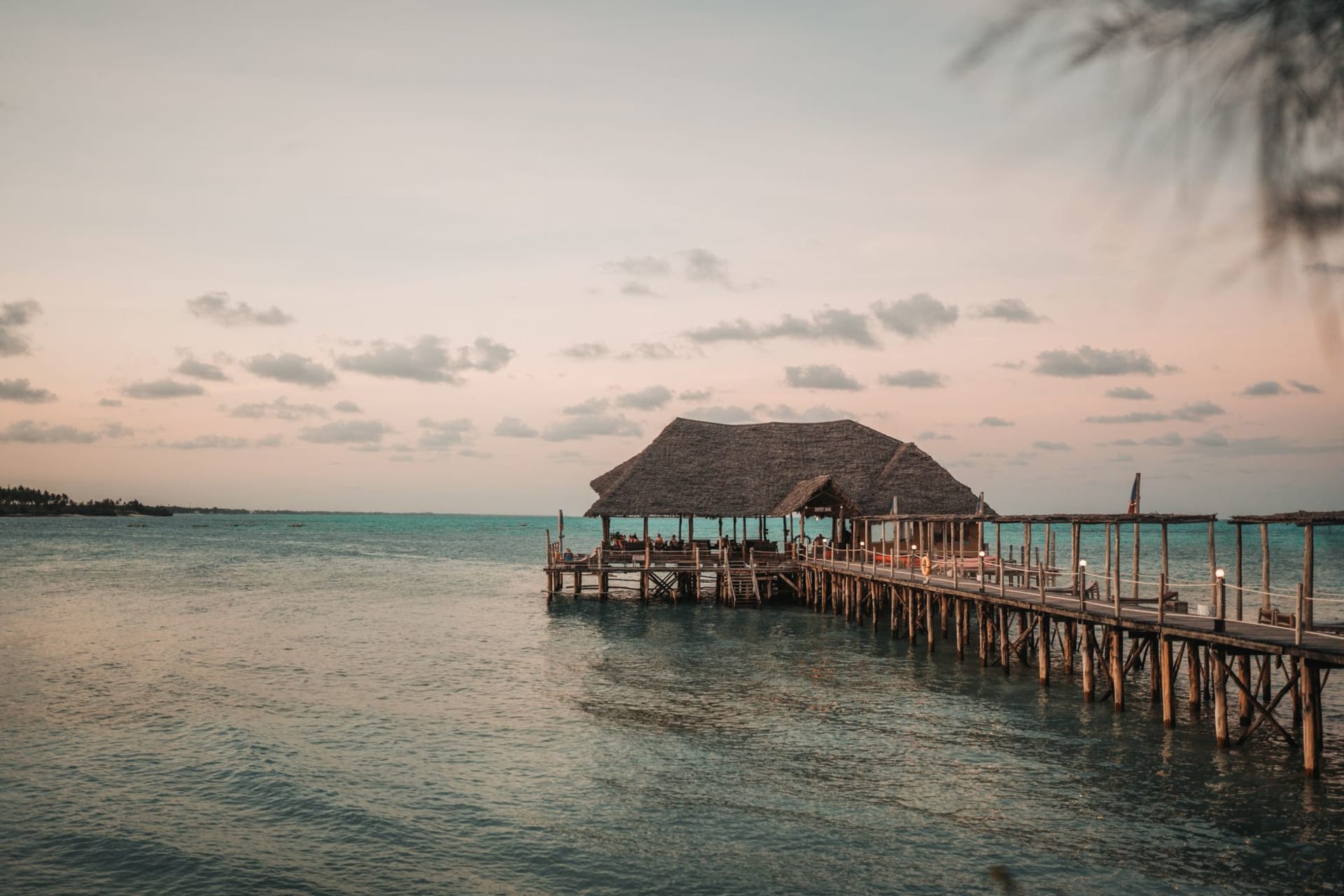
Prison Island
"The oldest tortoise here was alive when Zanzibar was still a sultanate. She seems aware of this."
A tiny coral island thirty minutes from Stone Town where giant Aldabra tortoises move through the trees at their own geological pace and the colonial past sits in elegant ruin.

The official name is Changuu Island. Everyone calls it Prison Island, which is exactly what it was intended to be — the British colonial government built a detention facility here in the 1890s to hold Arab slave traders — though it was never actually used as a prison. What it became instead was a quarantine station for mainland East Africa, then a destination for day-trippers from Stone Town, then, inexplicably and wonderfully, a home for giant tortoises.
The boat ride from Stone Town takes about thirty minutes. The water changes color as you cross the channel: green near the harbor, then a blue that darkens as the bottom drops away, then the pale turquoise of the shallow reef around the island. You anchor in the shallows and wade in through water that’s warm and perfectly clear.
The Tortoises
The Aldabra giant tortoises arrived here as a gift from the British governor of the Seychelles at the turn of the twentieth century. There are over a hundred of them now, ranging in age from young animals the size of a dinner plate to ancient individuals so large they qualify more as geology than biology. The oldest are believed to be well over a hundred and fifty years old.
They move through the trees behind the old buildings at approximately the pace of something that has no concept of hurry, which is accurate. They eat — grass, vegetables, the occasional fruit that falls near them. They interact with each other very slowly. When one wants to pass another, it may take several minutes for this intention to be communicated and executed. You find yourself operating on their timeline without quite deciding to.
You can feed them vegetables purchased at the entrance — hibiscus flowers, banana, cucumber — and the tortoises will extend their remarkably long necks toward your hand with an expression that suggests this is beneath their dignity but they’ll allow it. The oldest one, a female named Mzee, is missing part of her shell from a fire that happened before anyone currently alive can remember. She regards everything with the impassiveness of something that has survived more history than you have opinions about.
The Ruins
The quarantine buildings are in various states of colonial decay — cream-painted walls bleaching in the salt air, arches partially overgrown with bougainvillea, a roofless building where the light comes in through the rafters at an angle that would be designed if it weren’t accidental. There’s a swimming pool from the colonial era, cracked and empty, with a tortoise living in it.
The whole place has an atmosphere that I can only describe as extremely calm in a slightly melancholy way. Empires built things here. The things remain. The tortoises arrived and outlasted the intentions.
The Reef and Swimming
The reef around Prison Island is accessible by snorkel from the beach, and for a day-trip snorkel it’s very good — healthy coral, numerous reef fish, clear water with good visibility. The snorkeling here is better than most people expect given how close the island is to Stone Town. Bring your own equipment or rent from one of the boat operators; the on-island rental situation is haphazard.
The beach itself is small and white and backed by the old buildings, which makes for the specific aesthetic of somewhere that was built for one purpose and became something else entirely. I swam for an hour in the lagoon and then sat on the sand eating a mango I’d bought at the entrance and watched a tortoise cross the beach in the direction of the shade, taking its time.
The Day Trip Logic
Prison Island works best as a morning excursion from Stone Town — boats leave from the waterfront from around eight, you can be back for lunch, and you’ve done something genuinely unusual without losing a full day. Combine it with an afternoon in Stone Town’s markets and an evening at Forodhani and you have a near-perfect Zanzibar day.
The island gets busy by midday, especially when large tourist groups arrive. Going on the first boat solves this. The tortoises are equally ancient at any hour, but the early light through the trees is specific and worth the alarm.
When to go: Prison Island is a year-round destination — the tortoises don’t observe seasons and the crossing is short enough to be manageable in most weather. The clearest water for snorkeling falls in the dry months of June to October and December to February. Go in the morning, regardless of season.
Keep exploring
More from Zanzibar
 zanzibar
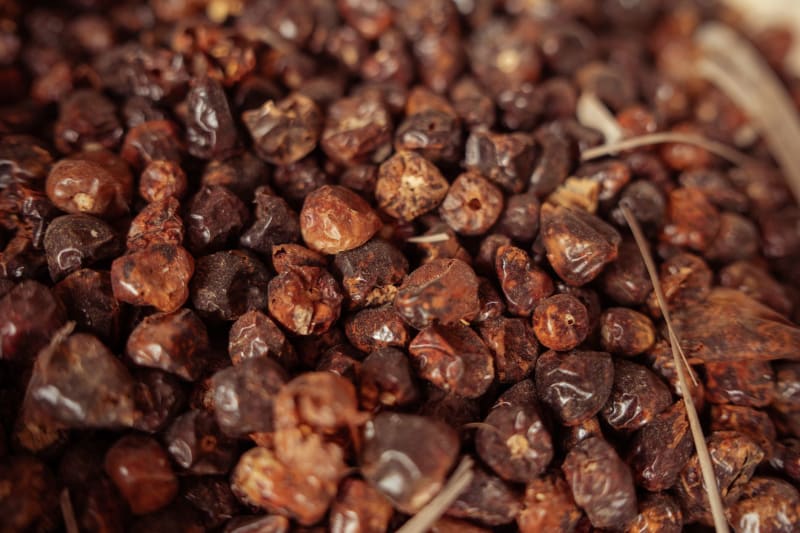
 Spice Farms
The interior of the island where clove, vanilla, cardamom, and nutmeg grow in shaded groves that smell like the entire history of the Indian Ocean spice trade.
Explore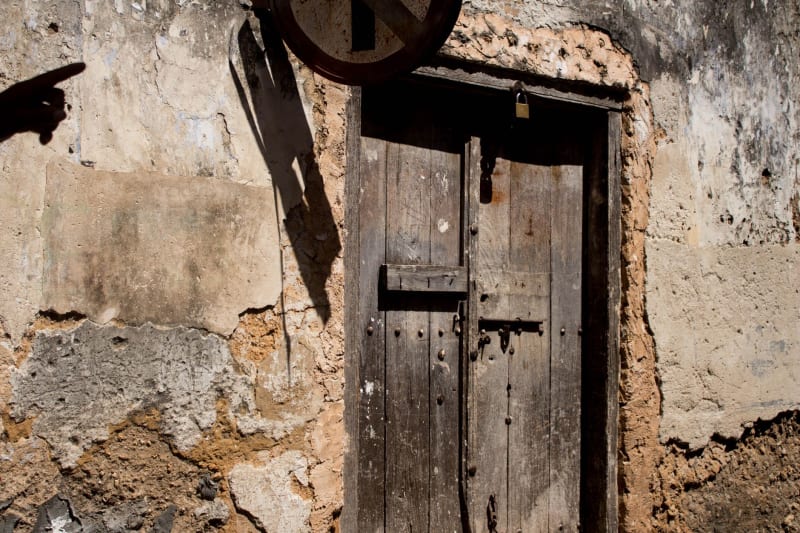 zanzibar
 Stone Town
A UNESCO-listed labyrinth of carved doorways, coral-stone alleys, and Persian baths where Arabic, Indian, and Swahili cultures collided and stayed.
Explore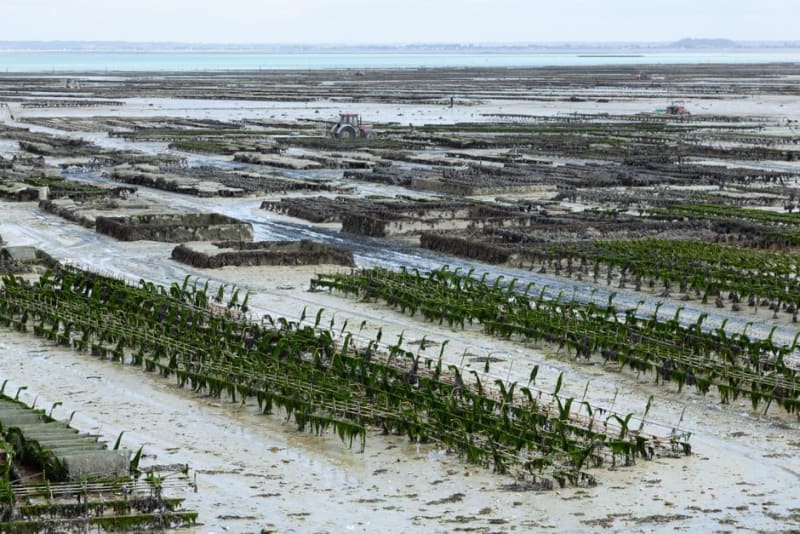 zanzibar
 Uroa
A quiet east-coast fishing village where women wade waist-deep at low tide, tending rows of seaweed strung between wooden stakes.
Explore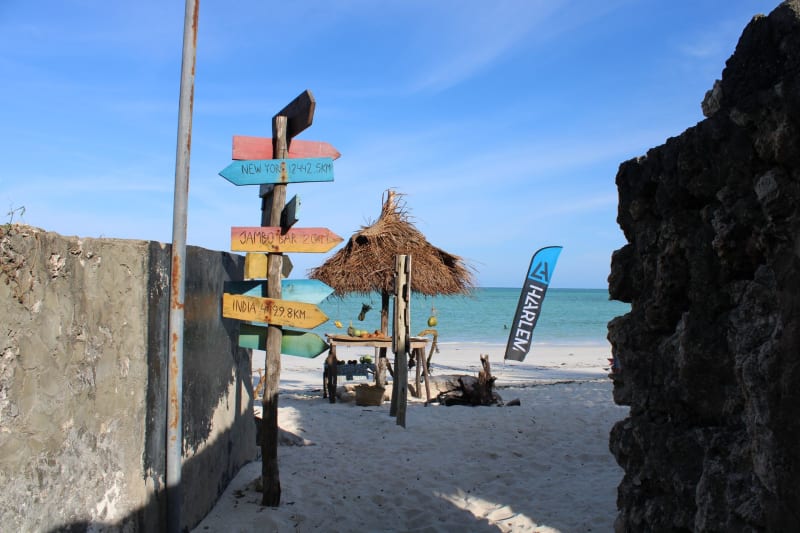 zanzibar
 Bwejuu
A palm-dense east-coast village where the beach is wide, the pace is slow, and the tidal flats at low tide become a private ocean that's barely ankle-deep for five hundred meters.
Explore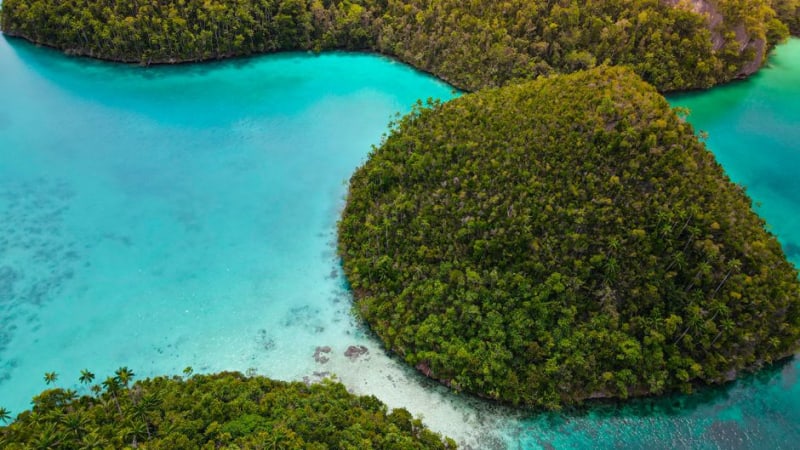 zanzibar
 Chumbe Island
A privately protected coral park south of Stone Town, one of East Africa's earliest and most rigorous ecotourism projects.
Explore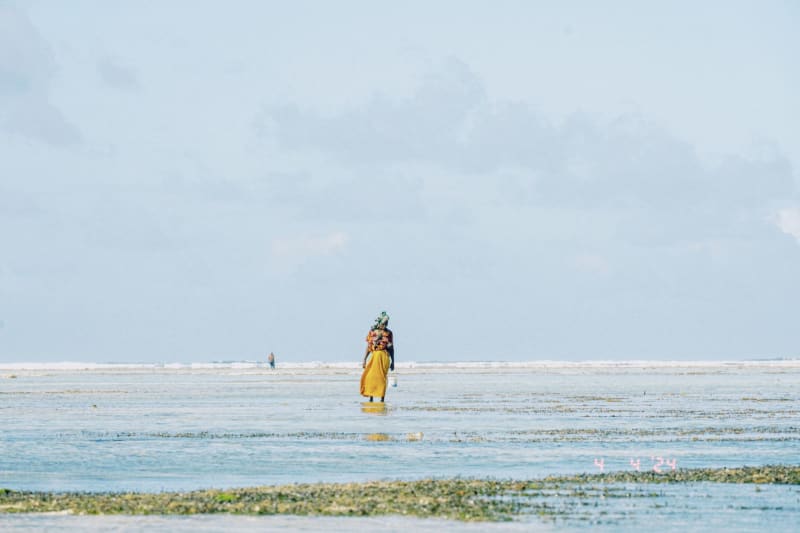 zanzibar
 Jambiani
A slow southeast-coast village where seaweed farmers work the morning tides and the most compelling activity is watching the light change over the Indian Ocean for hours.
Explore