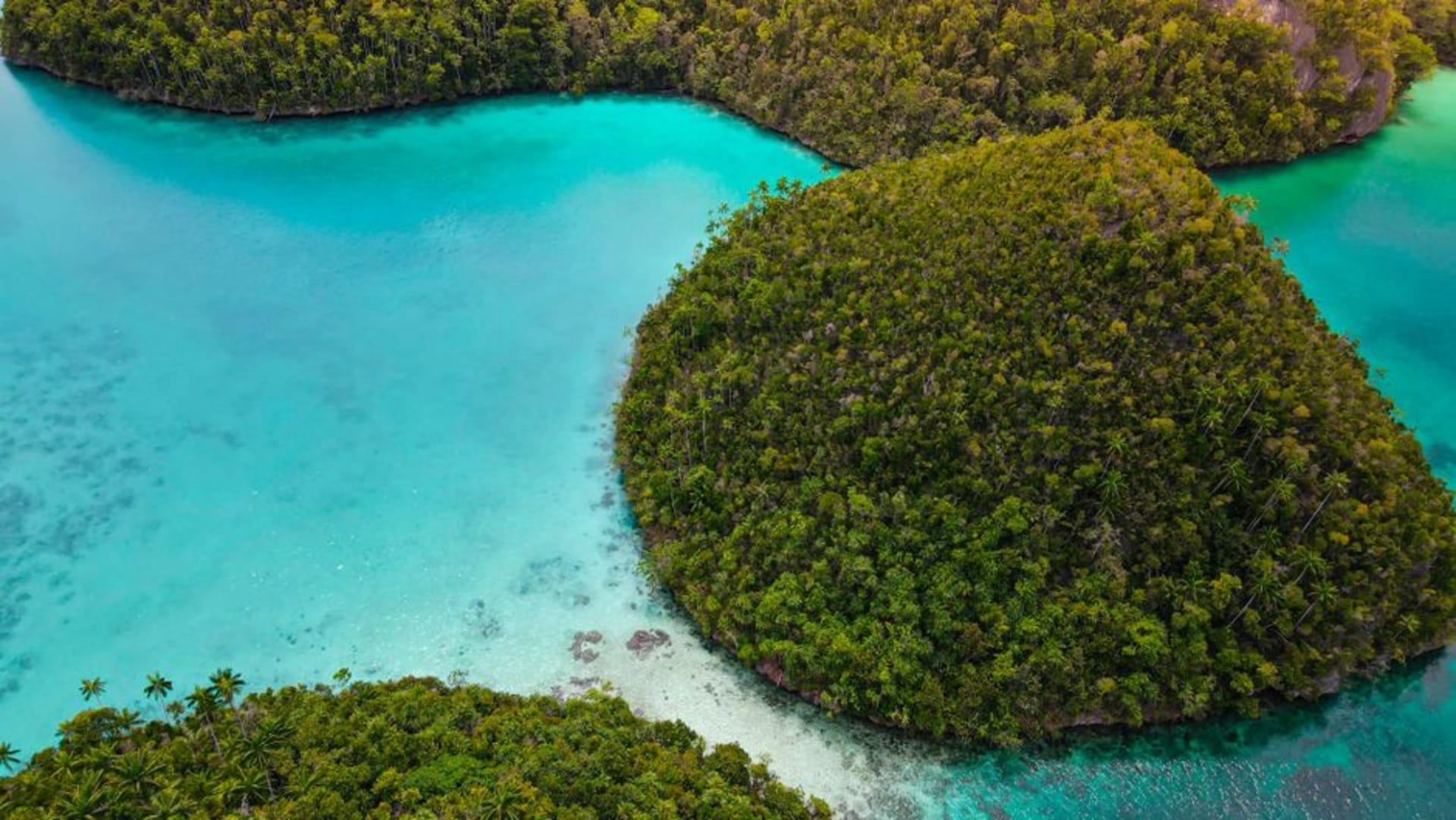
Chumbe Island
"Our guide made us wait ten minutes before entering the water, just to watch the reef breathe with the swell."
A privately protected coral park south of Stone Town, one of East Africa's earliest and most rigorous ecotourism projects.

Chumbe Island is the closest I’ve come in Zanzibar to feeling like I was somewhere run properly, in the sense of actually caring about the reef rather than just marketing proximity to it. It sits a short boat ride south of Stone Town, and the whole island has been a protected marine park since the early nineties — before “ecotourism” was a word people threw around casually, a Zanzibari-based conservationist named Sibylle Riedmiller basically willed this place into existence, buying out fishing rights and building a handful of eco-bungalows to fund the reef’s protection. We visited on a day trip, not an overnight, though I regret not budgeting for a night in one of those bungalows with their rainwater catchment and composting systems, which our guide described with the pride of someone talking about their own kid.
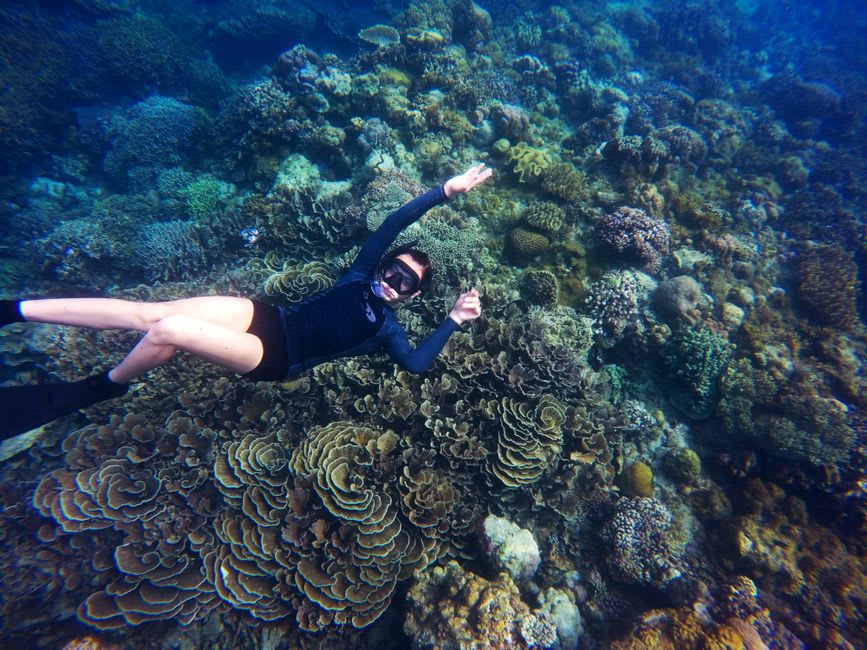
The snorkeling here is genuinely different from anywhere else I tried on the archipelago — a fringing reef so intact and dense with fish that our guide, before letting anyone in the water, gave a short talk about not touching anything, not standing on coral, not even wearing sunscreen that wasn’t reef-safe. It felt fussy for about thirty seconds and then made complete sense once we were in: parrotfish, moray eels tucked into crevices, coral in colors I don’t think I’d seen outside a documentary. Lia, who normally gets bored of snorkeling after twenty minutes, stayed in so long our guide had to come get her.
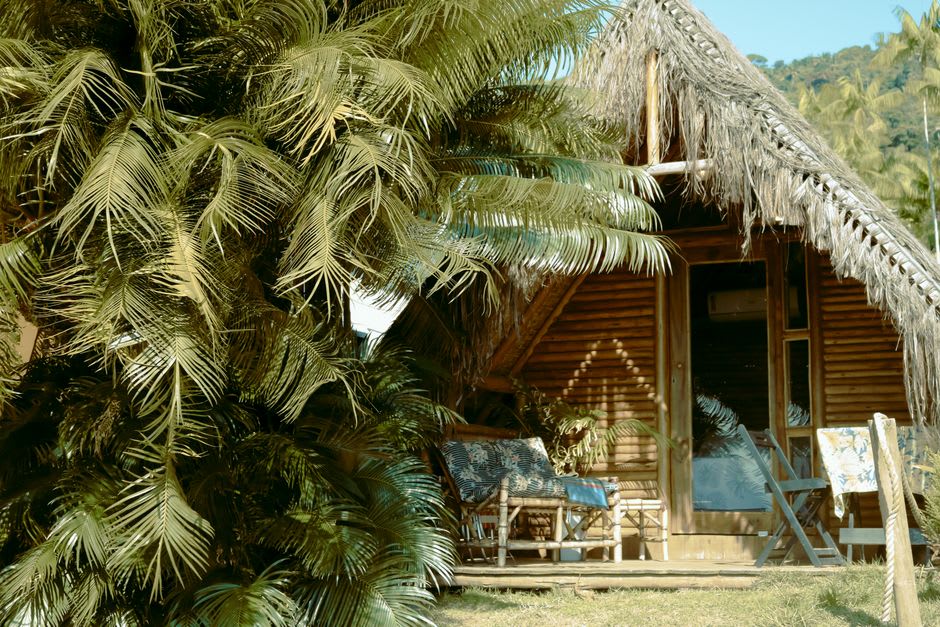
Beyond the reef, the island itself is a closed forest reserve, home to giant coconut crabs the size of dinner plates and a resident population of Ader’s duiker, a small antelope that’s nearly extinct everywhere else. We did a short guided walk through the forest before heading back to the boat, and it had that hushed, slightly eerie quality of a place with almost no visitors — Chumbe caps numbers deliberately, which is part of why it doesn’t feel trampled the way some of Zanzibar’s more famous stops do.
It’s not cheap, and it’s not meant to be a beach party day out — bring reef-safe everything, expect to be lectured gently about conservation, and expect it to be worth it.
When to go: Visit during the calmer, drier months of June to October or December to February, when the water is clearest for snorkeling and boat crossings from Stone Town are smoothest.
Keep exploring
More from Zanzibar
 zanzibar
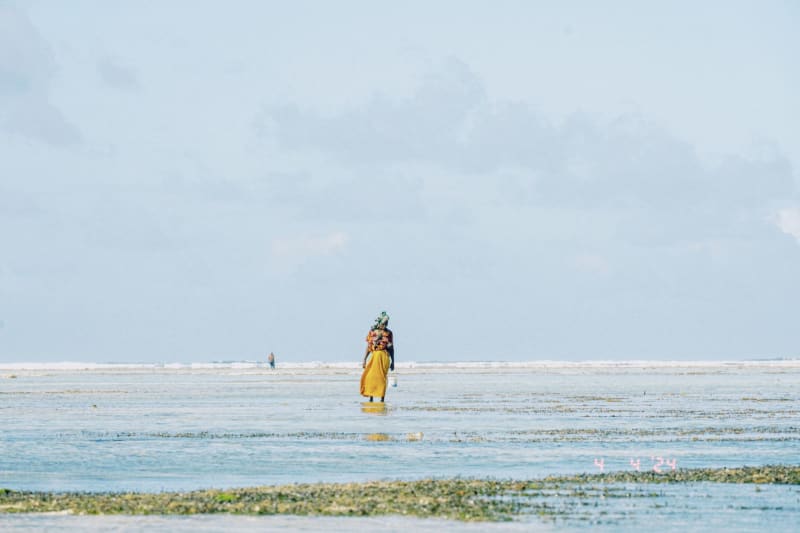
 Jambiani
A slow southeast-coast village where seaweed farmers work the morning tides and the most compelling activity is watching the light change over the Indian Ocean for hours.
Explore zanzibar
 Jozani Forest
Zanzibar's last great tract of groundwater forest, home to the endangered red colobus monkey found nowhere else on Earth, and a boardwalk through a mangrove that floods twice a day.
Explore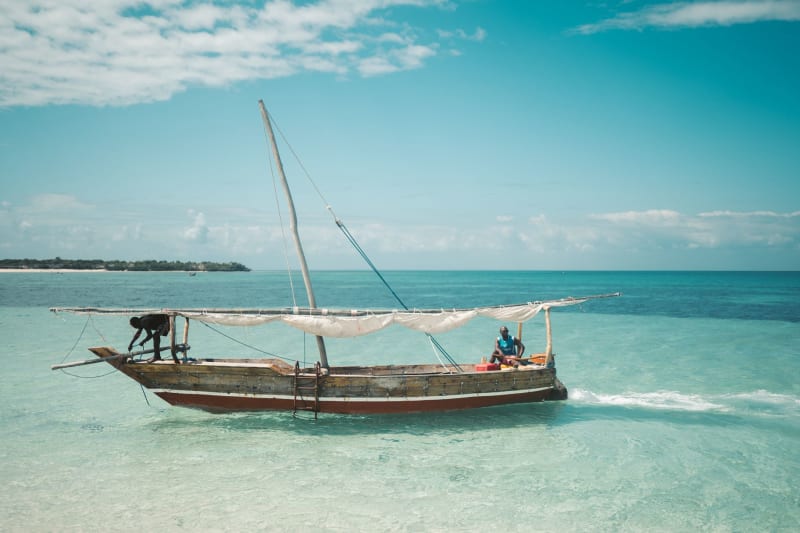 zanzibar
 Kendwa
A small north-coast beach that stays swimmable at all tides and hosts a full moon party every month that draws the island's most committed night swimmers.
Explore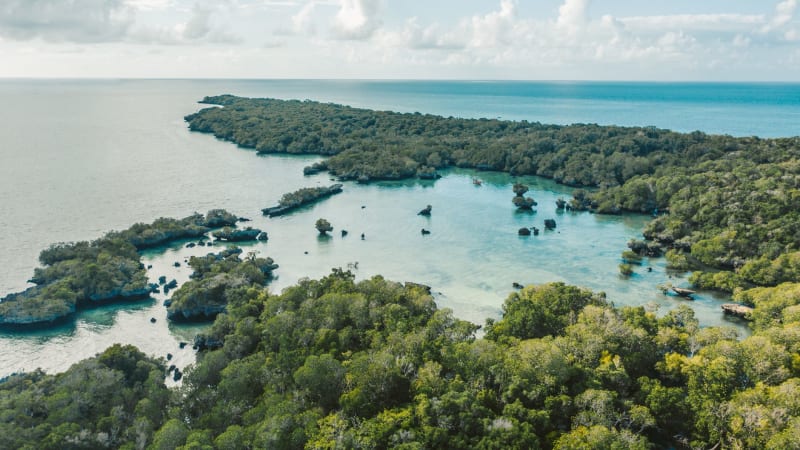 zanzibar
 Kizimkazi
The quiet southwestern tip of the island where spinner and bottlenose dolphins feed in the channel every morning and a twelfth-century mosque stands in a fishing village that time treats gently.
Explore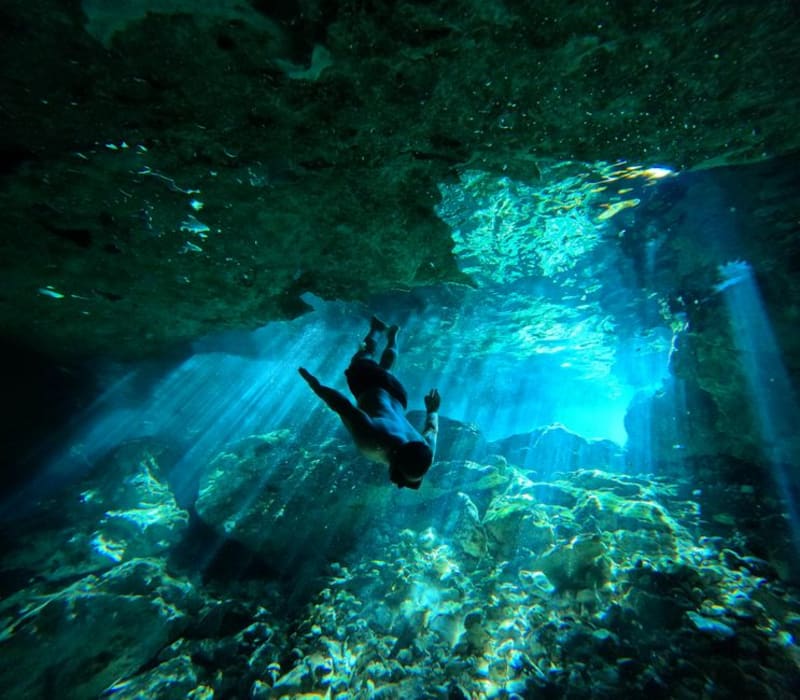 zanzibar
 Mangapwani
A stretch of coast north of Stone Town where somber slave-trade caves sit within walking distance of a natural coral swimming cave.
Explore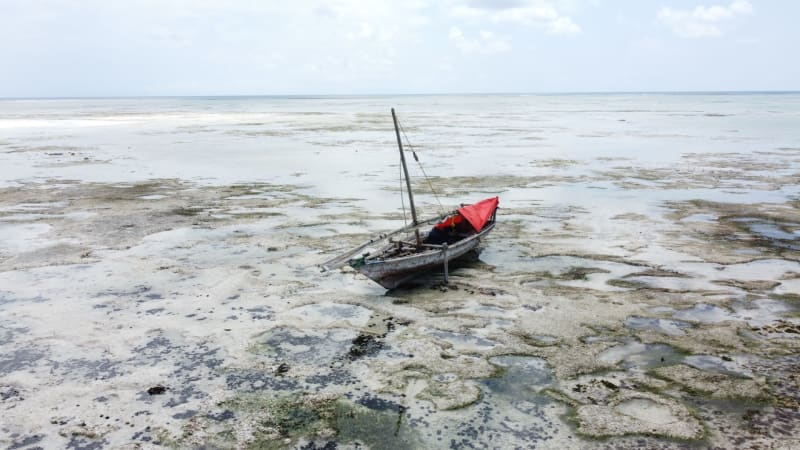 zanzibar
 Matemwe
A quiet northeast village backed by palms and fronted by a reef that drops into some of the clearest water on the island, where manta rays drift through in season.
Explore