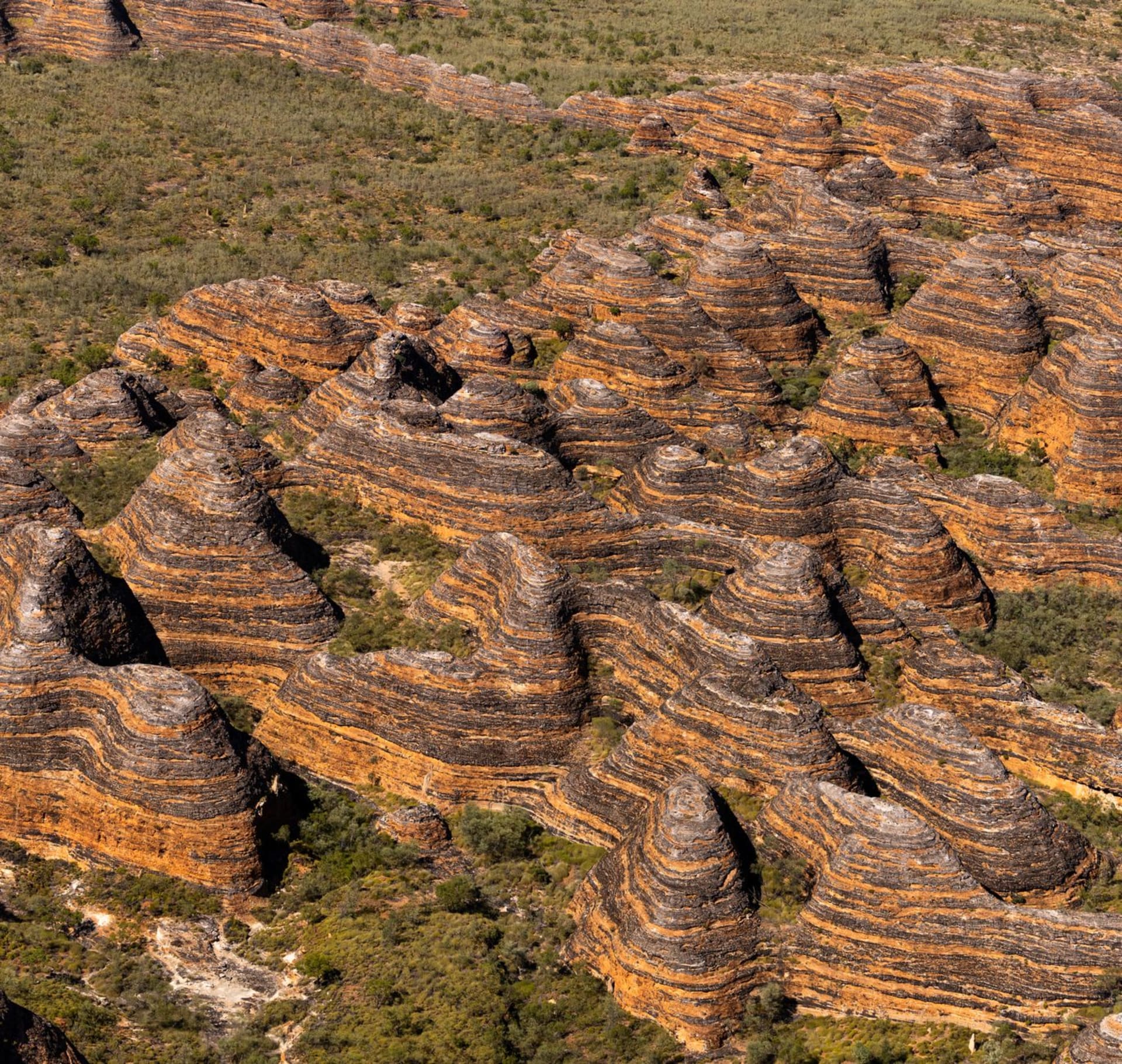
Oceania
Western Australia
"Three days in the Kimberley and I forgot what a city sounded like."
A state so vast it contains its own desert, its own jungle, and a coastline that seems to belong to another planet.

I arrived in Perth on a red-eye from Bali, and the first thing I did was rent a car and drive north. I didn’t have a plan beyond that. I’d seen a photo of the Pinnacles once — those limestone spires jutting out of yellow sand in Nambung — and I needed to know if they were real. They were. Standing among them at dawn, the only sound was the wind cutting across the desert, and I understood immediately that Western Australia operates on a different scale than anywhere I’d been before, including six months in the Sonoran Desert.
The state is enormous in a way that embarrasses the word. You can drive for four hours and still be within the same bioregion. Up in the Kimberley, I spent a week moving between gorges — Windjana, Tunnel Creek, the Gibb River Road in a 4WD I definitely wasn’t insured to take off-road. Freshwater crocodiles sunning on red rocks. Water so clear in Manning Gorge that I could see my own shadow on the sandy bottom from three metres down. In the evenings I’d cook whatever I’d bought at the roadhouse two hundred kilometres back and watch the sky turn colours I can only describe as excessive. The Pilbara sunset has no sense of restraint whatsoever.
The food culture surprised me most. Fremantle’s market on a Saturday morning is serious business — local crayfish, Margaret River cheeses, wildflower honey from the southwest. I ate barramundi grilled over jarrah wood at a camp near Fitzroy Crossing and it was the best fish of my life, which is saying something for a man who spent three years eating his way through the Yucatán coast. Down south in Margaret River wine country, the cabernet sauvignon is structured and honest, nothing like the jammy bombs you sometimes get elsewhere in Australia. People take the terroir seriously. After Mexico, where I now live, the directness was refreshing.
When to go: April to October for the north — the Kimberley and Pilbara become genuinely dangerous in the wet season (November to March), with roads flooded and heat that can kill a car engine. The southwest, including Margaret River and Albany, is pleasant year-round but peaks in spring (September to November) when the wildflowers cover everything.
What most guides get wrong: They treat Perth as a layover city on the way to the Kimberley. Perth deserves two or three days on its own — the Indian Ocean beaches at Cottesloe and Scarborough rival anything in the Mediterranean, the coffee is excellent, and Fremantle has more genuine character per square metre than most of Australia’s headline cities.
Explore
Places in Western Australia
 western-australia
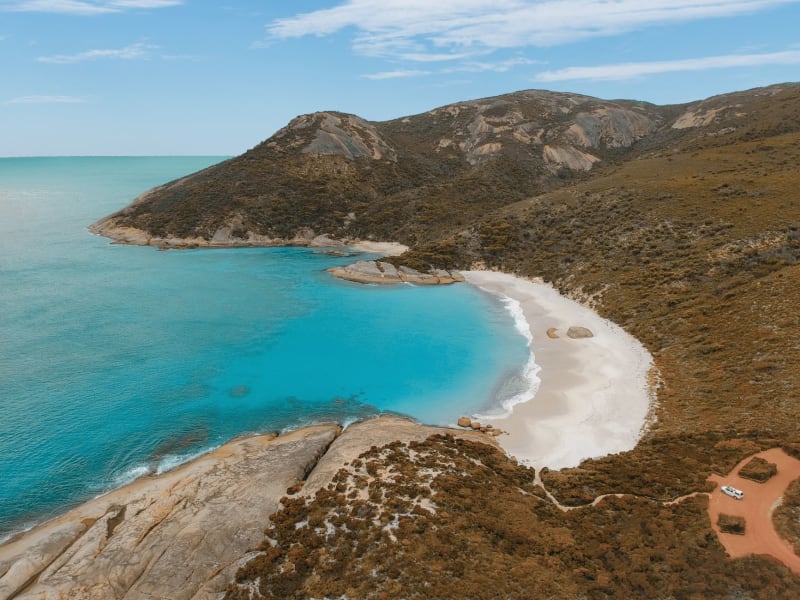
 Albany
Western Australia's oldest European settlement, set where two oceans argue at the edge of the Great Southern — granite headlands, whaling history, and a coastline so dramatic it makes the back of your throat ache.
Explore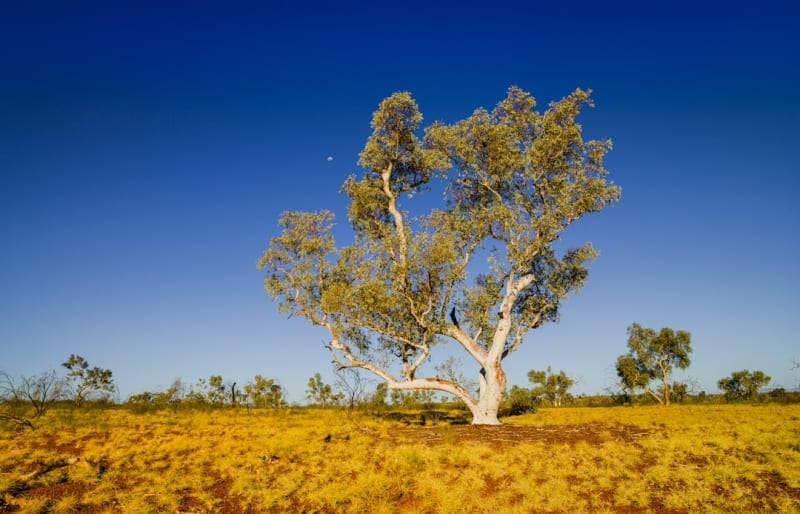 western-australia
 Broome
A pearling town at the edge of the Kimberley where Japanese cemetery headstones, red pindan cliffs, and one of the world's most photographed tidal phenomena exist in an improbable and affecting equilibrium.
Explore western-australia
 Coral Bay
A one-street settlement where the reef starts a few metres from the sand, so you can wade in from the beach and be snorkelling over coral within a minute.
Explore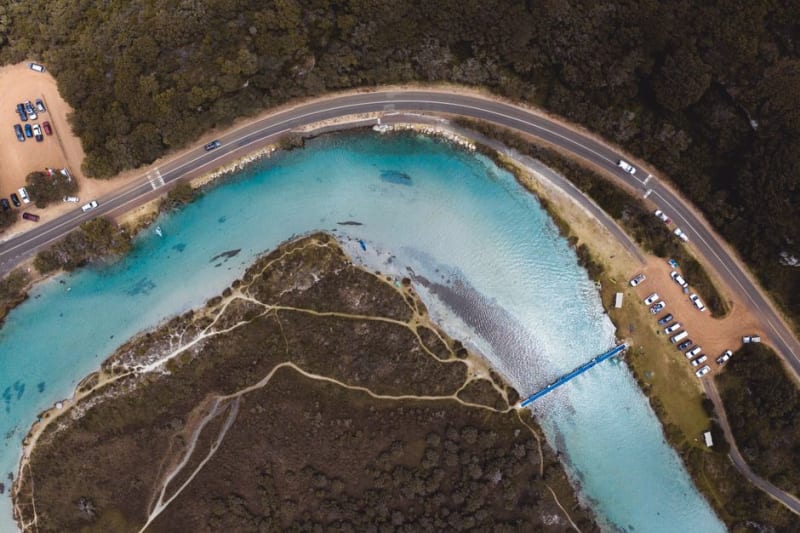 western-australia
 Denmark
A laid-back river town on the south coast where granite boulders shaped like elephants sit in a pool calm enough to swim safely inside the pounding Southern Ocean surf.
Explore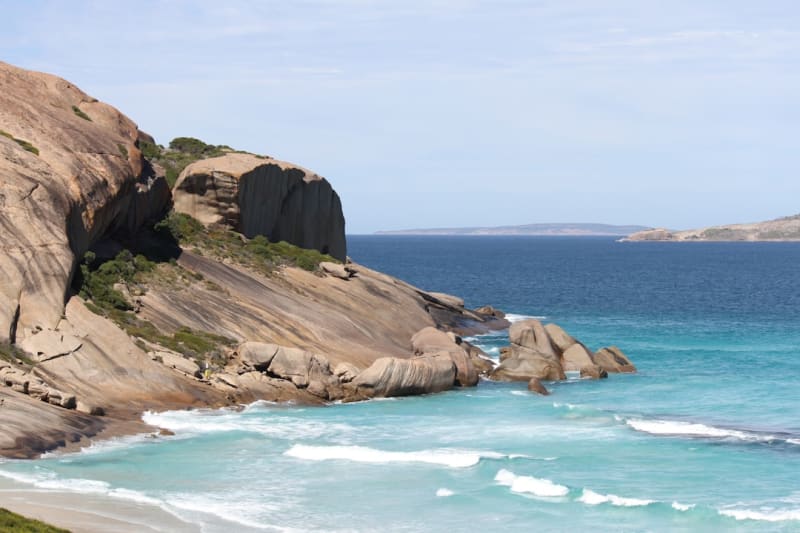 western-australia
 Esperance
A small fishing town at the edge of the Great Australian Bight where kangaroos lie on white sand beaches beside water that is genuinely, stubbornly, impossibly turquoise.
Explore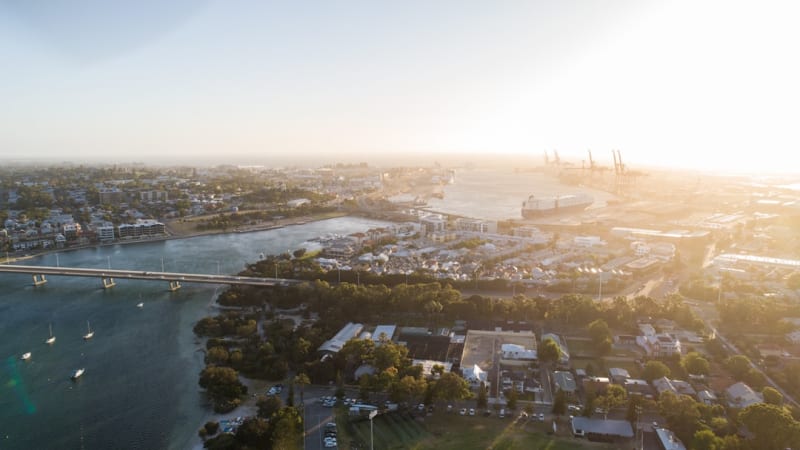 western-australia
 Fremantle
Perth's port town and its better-looking sibling: Victorian limestone architecture, a cappuccino strip that takes its Italian inheritance seriously, and a waterfront where the fishing boats and the craft beer coexist without pretending either one is the point.
Explore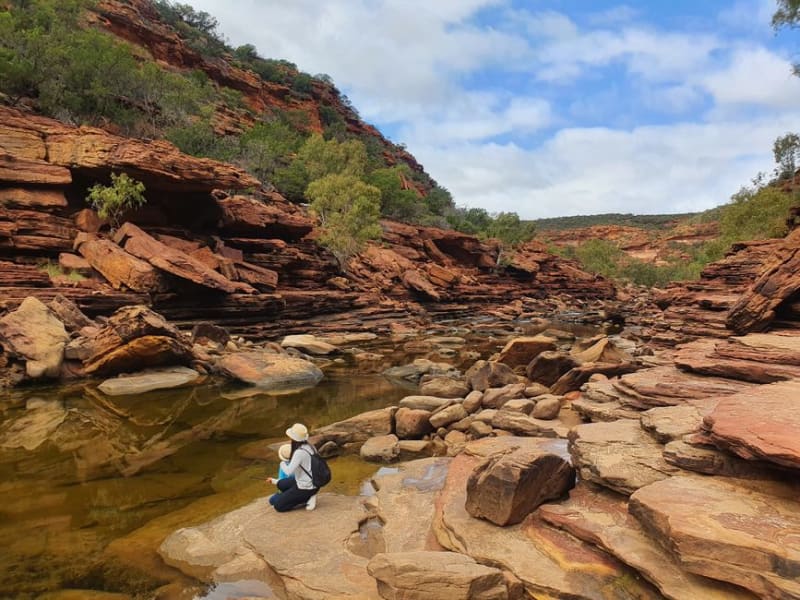 western-australia
 Kalbarri National Park
Red-and-white banded gorges carved by the Murchison River, a skywalk cantilevered 100 metres above the canyon floor, and a coastline of sea cliffs that takes the wind personally.
Explore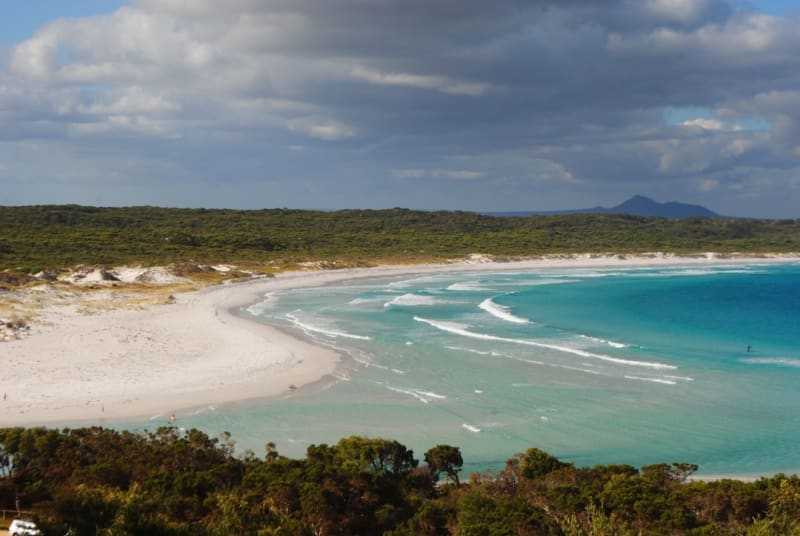 western-australia
 Karijini National Park
Ancient gorges slashing through the Pilbara's iron-red plateau, where swimming holes glow turquoise at the bottom of 100-meter walls and the rock beneath your feet is two-and-a-half billion years old.
Explore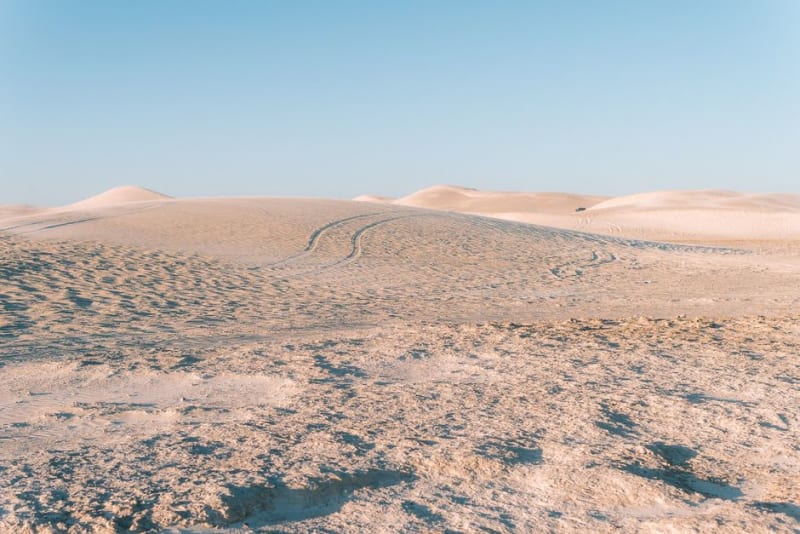 western-australia
 Lancelin
A fishing town wedged between the Indian Ocean and a field of white sand dunes tall enough to sandboard down at speed, an hour and a half north of Perth.
Explore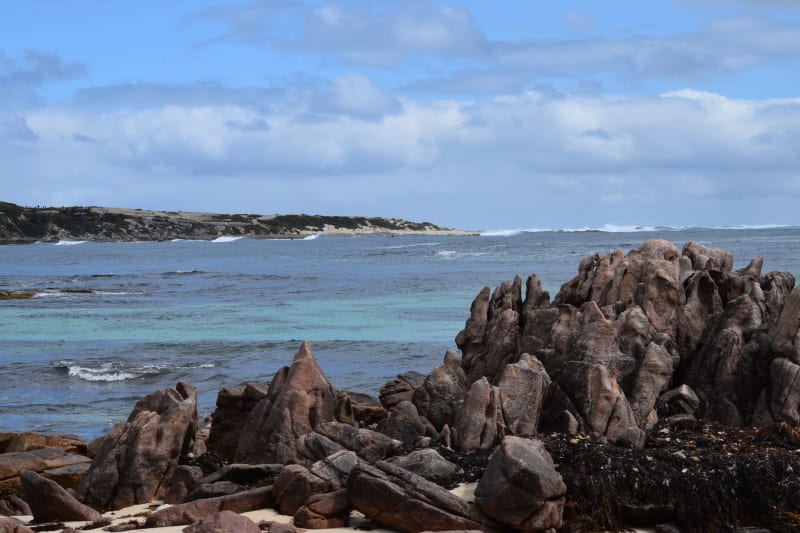 western-australia
 Margaret River
A wine region that also happens to have world-class surf breaks, ancient limestone caves, and the quiet confidence of a place that knows exactly what it is.
Explore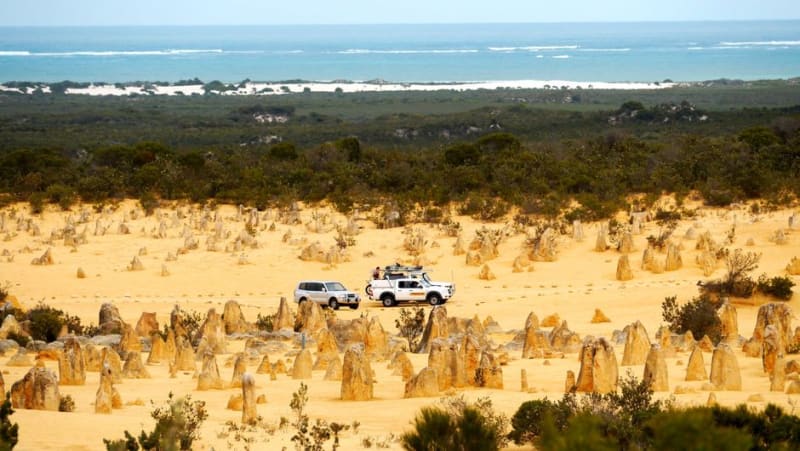 western-australia
 Nambung National Park
Thousands of limestone spires rise out of yellow desert sand two hours north of Perth, looking less like a national park than a movie set nobody struck.
Explore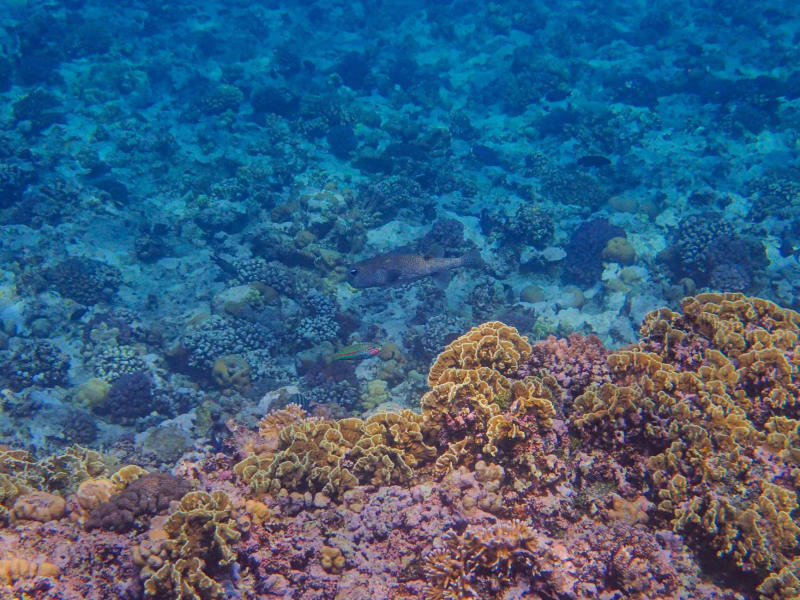 western-australia
 Ningaloo Reef
The world's largest fringing coral reef, where whale sharks the size of buses materialize from blue water and you have to remember to keep breathing through your snorkel.
Explore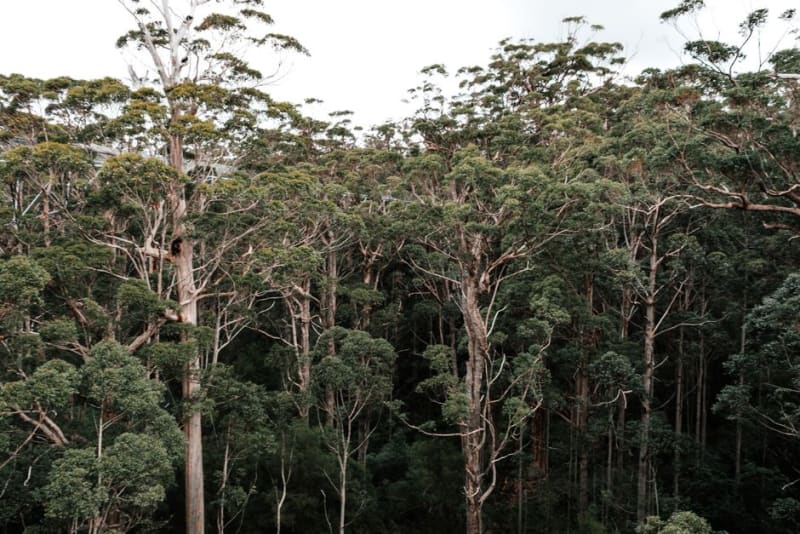 western-australia
 Pemberton
A timber town buried in towering karri forest where you can climb a fire-lookout tree nailed with metal spikes to a platform sixty metres up, if your nerve holds.
Explore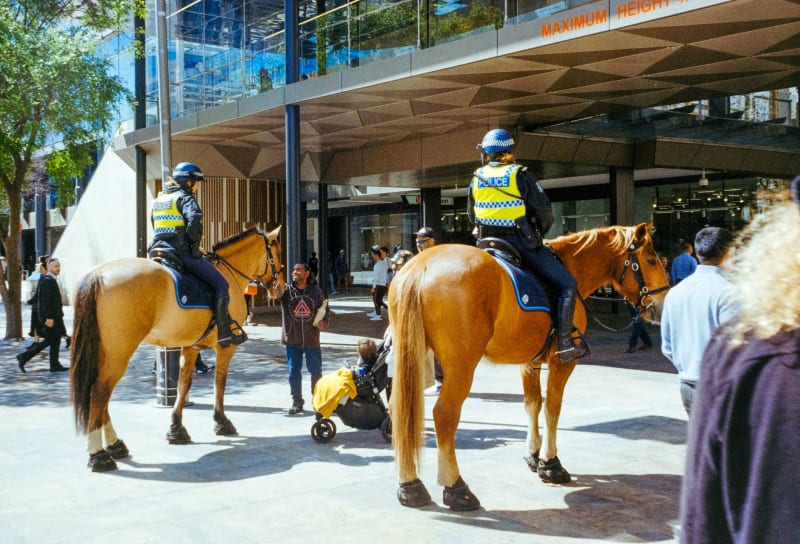 western-australia
 Perth
The world's most isolated capital city, where Indian Ocean light hits glassy skyscrapers and nobody seems particularly bothered by their remoteness.
Explore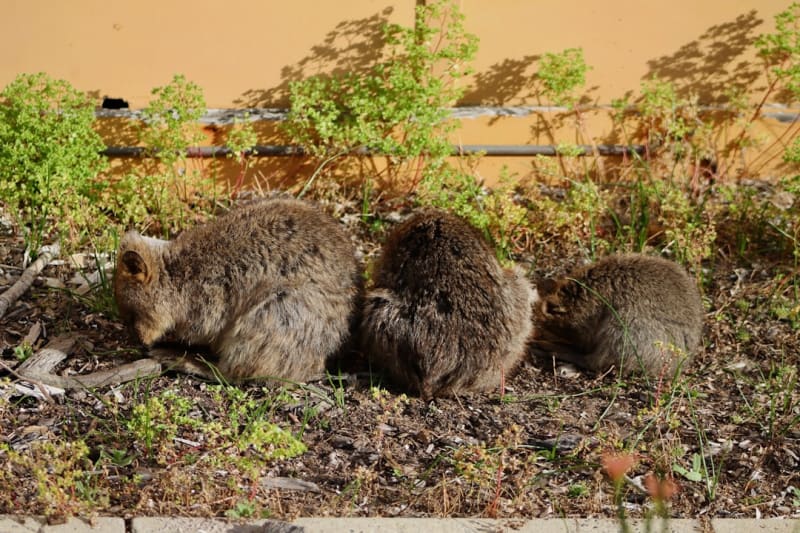 western-australia
 Rottnest Island
A car-free island of perfect bays and bicycle paths, where quokkas pose for selfies with the confidence of animals that have correctly assessed their own marketability and the Indian Ocean sits still and unbelievably clear.
Explore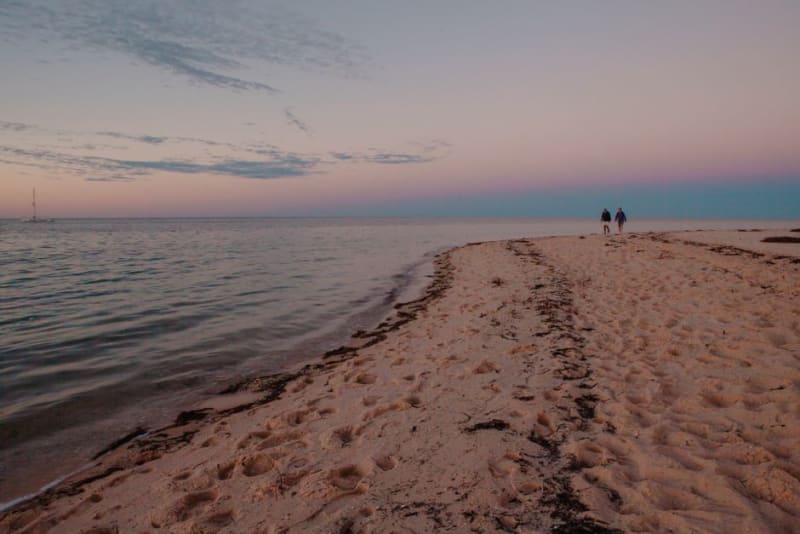 western-australia
 Shark Bay
A UNESCO World Heritage bay where wild dolphins swim into the shallows at Monkey Mia, the sand is made entirely of shell, and the oldest living things on the planet sit quietly in the water at Hamelin Pool.
Explore