Pemberton
"The Gloucester Tree climb is a spiral of metal spikes with a gap under your feet the whole way up. I did it anyway."
A timber town buried in towering karri forest where you can climb a fire-lookout tree nailed with metal spikes to a platform sixty metres up, if your nerve holds.

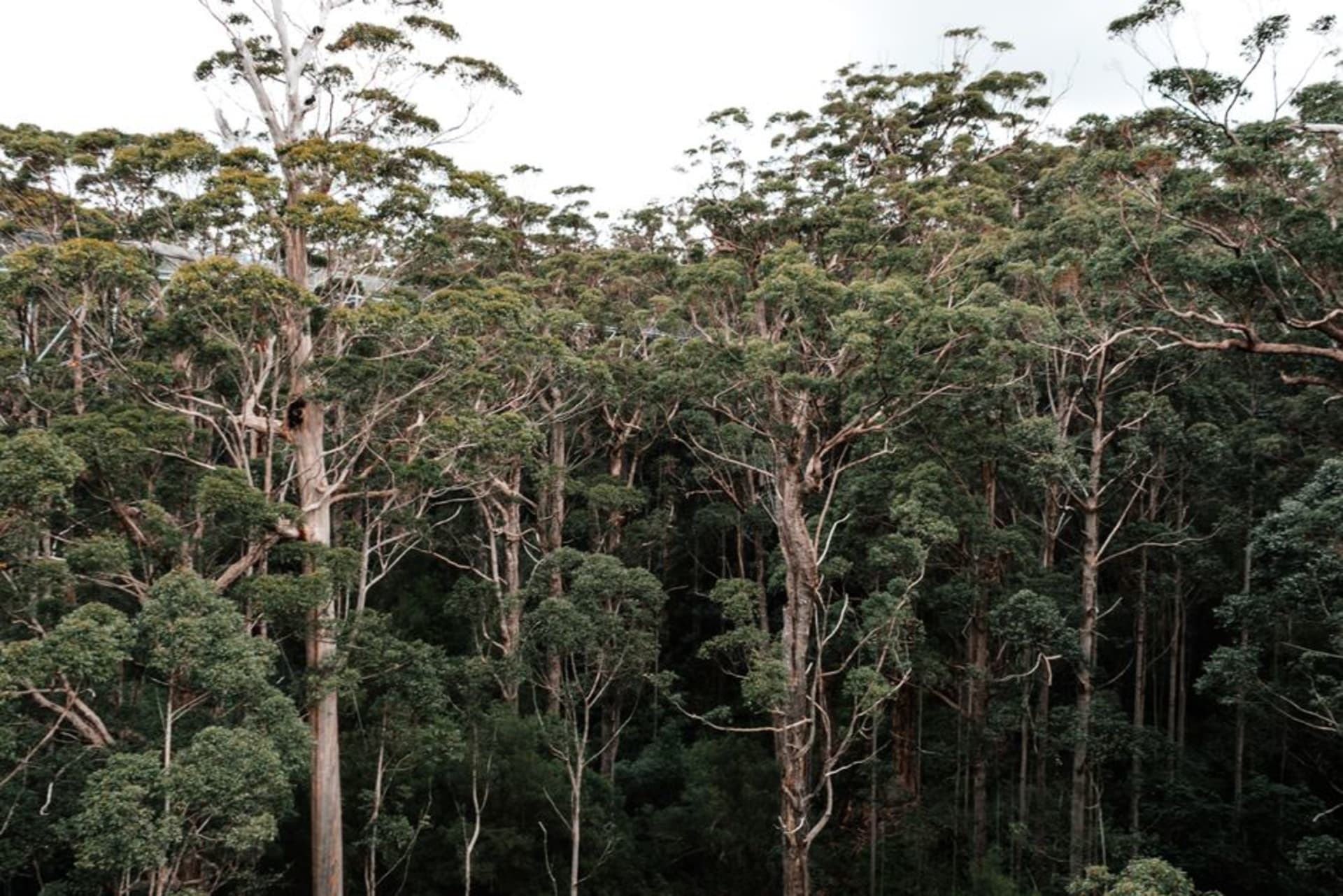
Pemberton is deep in the state’s southwest, an hour east of Margaret River but a completely different climate and character — cooler, wetter, buried under some of the tallest hardwood forest on Earth. The karri trees here regularly reach eighty metres, and driving into town along a road tunnelled by their canopy, the temperature actually drops a few degrees, the light goes green, and the whole feeling of the place changes from wine country to something closer to a rainforest at altitude.
The Gloucester Tree is the reason most visitors detour here. It’s a sixty-one-metre karri with a spiral of steel spikes driven into the trunk, originally installed in the 1940s so fire spotters could climb up to a platform and watch for bushfire smoke across the forest canopy. It’s still open to climb, no harness, no safety net, just you, the spikes, and a gap beneath your feet the entire way. I made it about three-quarters of the way up before my hands started sweating enough to worry me, kept going anyway, and the view from the platform — an unbroken sea of karri canopy in every direction — was worth every uncomfortable minute of the ascent. My legs shook for a solid ten minutes after coming back down.

Beyond the tree climb, Pemberton’s identity is built around timber history and, increasingly, cool-climate wine. The Pemberton wine region produces excellent pinot noir and chardonnay, benefiting from a climate too cool for the cabernet that dominates Margaret River further north. I did a small tasting at a cellar door surrounded by karri forest, which is not a sentence I expected to write about Western Australia before I got here.
The Warren and Lefroy Brook drives wind through old-growth forest reserves where some trees predate European settlement by centuries, and the Cascades, a set of small rapids on the Lefroy Brook, make a good short walk if your legs are still recovering from the Gloucester Tree.

When to go: September to April for the driest weather and best conditions for the tree climb, which closes in wet or windy conditions. Autumn (March–April) brings mushroom season to the forest floor, a local specialty worth chasing if you like fungi.
Keep exploring
More from Western Australia
 western-australia
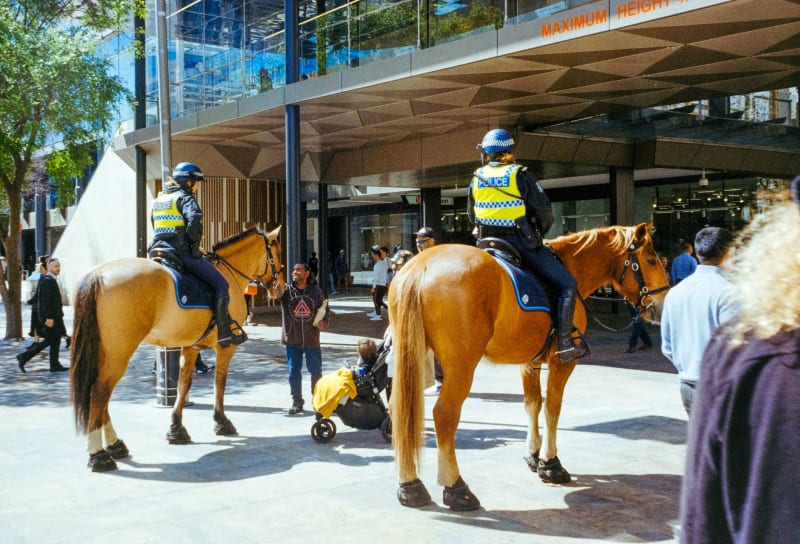
 Perth
The world's most isolated capital city, where Indian Ocean light hits glassy skyscrapers and nobody seems particularly bothered by their remoteness.
Explore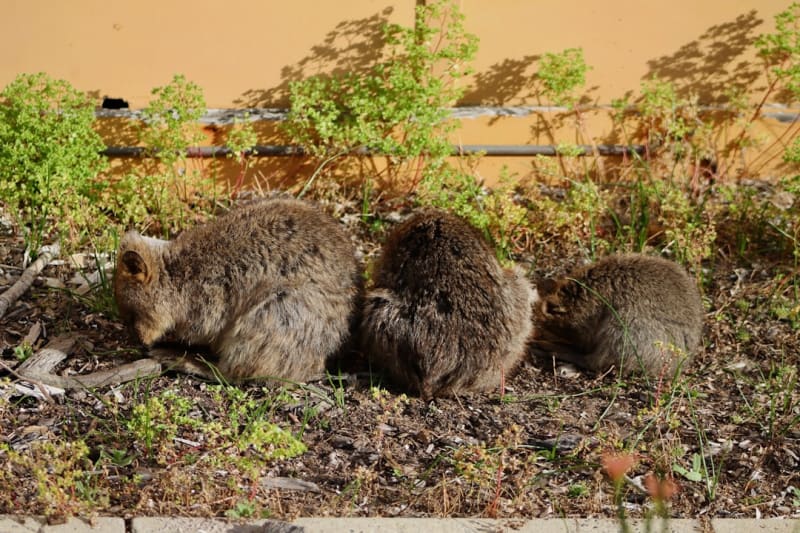 western-australia
 Rottnest Island
A car-free island of perfect bays and bicycle paths, where quokkas pose for selfies with the confidence of animals that have correctly assessed their own marketability and the Indian Ocean sits still and unbelievably clear.
Explore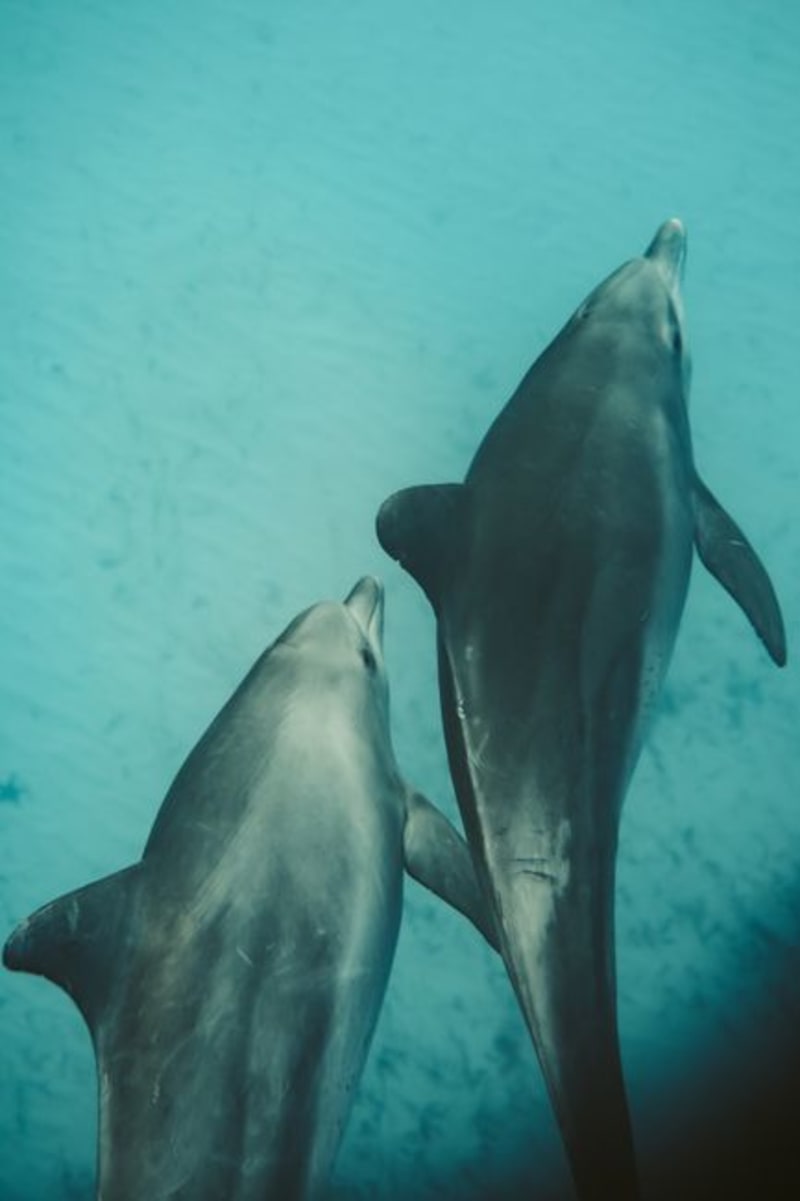 western-australia
 Shark Bay
A UNESCO World Heritage bay where wild dolphins swim into the shallows at Monkey Mia, the sand is made entirely of shell, and the oldest living things on the planet sit quietly in the water at Hamelin Pool.
Explore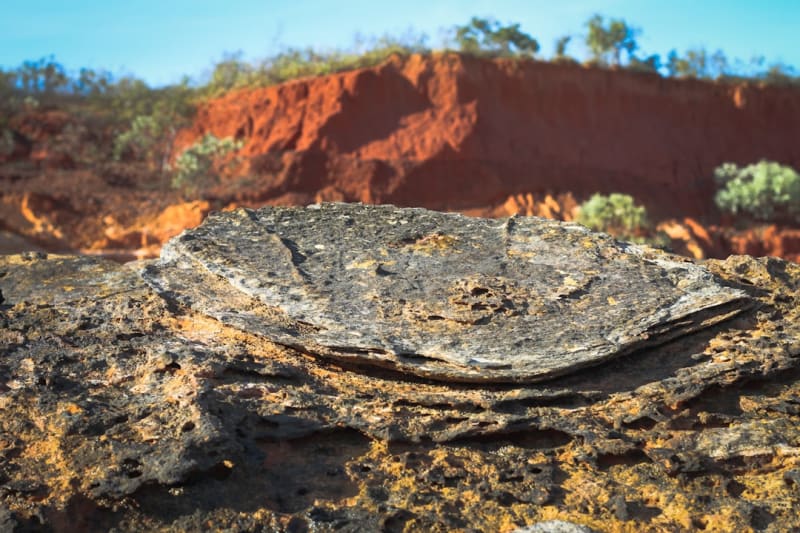 western-australia
 The Kimberley
Australia's last great wilderness: a landmass the size of California with fewer than 40,000 people, ancient Wandjina rock art, tiered waterfalls, and the horizontal falls that shouldn't exist but do.
Explore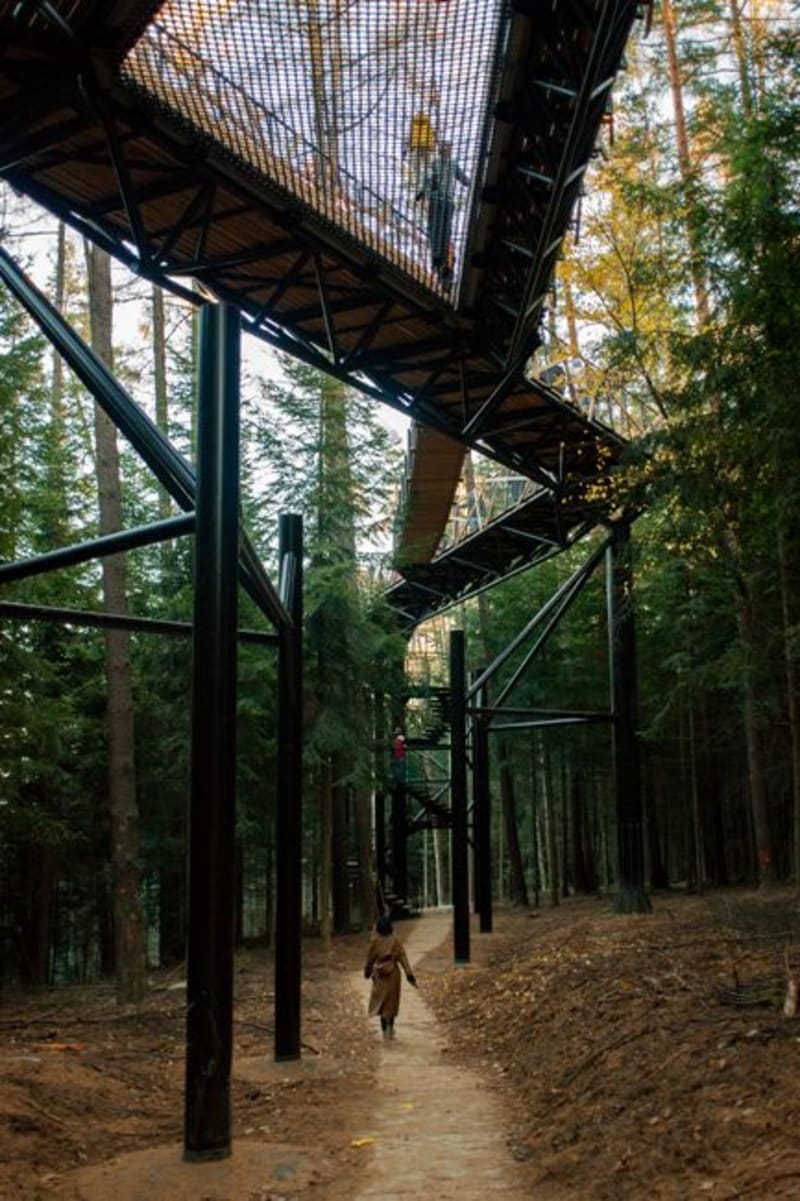 western-australia
 Walpole
A hushed inlet town where a steel walkway lifts you into the canopy of ancient tingle trees so wide a car could once drive through their trunks.
Explore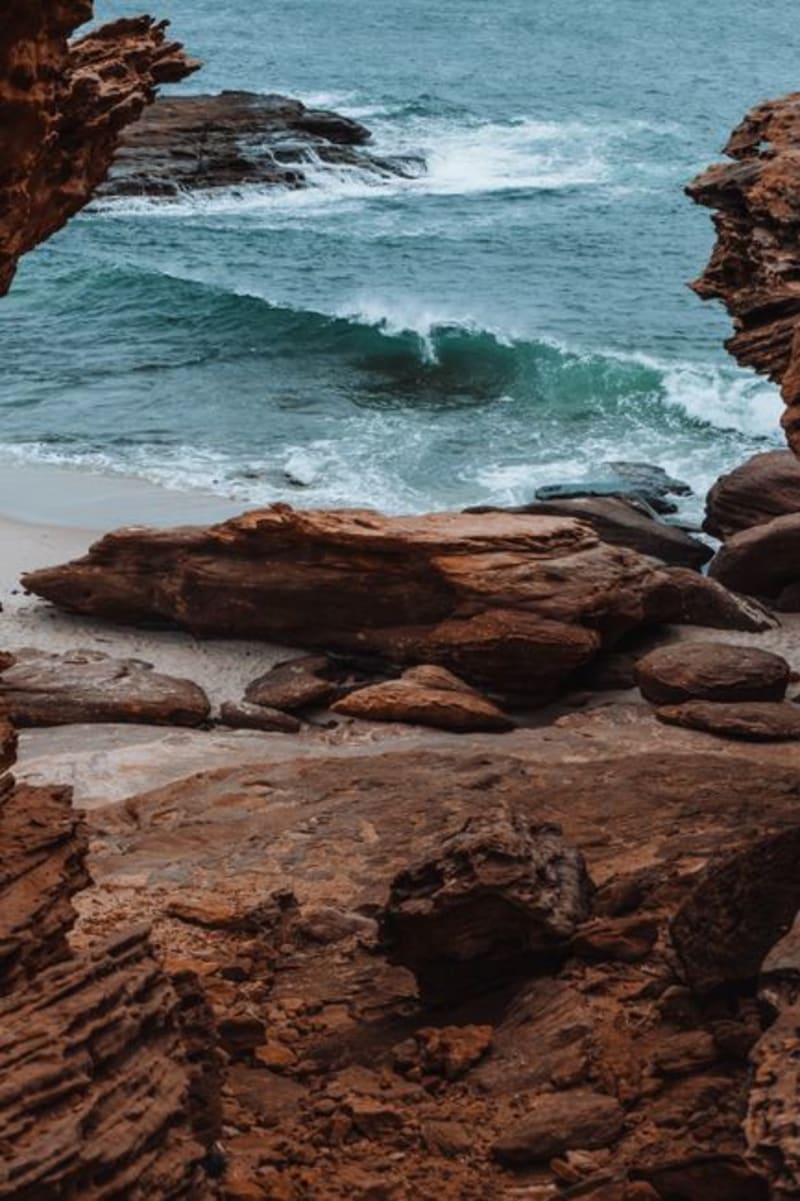 western-australia
 Wave Rock
A fifteen-metre wall of granite curling over on itself like a frozen ocean swell, sitting improbably in the middle of Western Australia's wheatbelt.
Explore