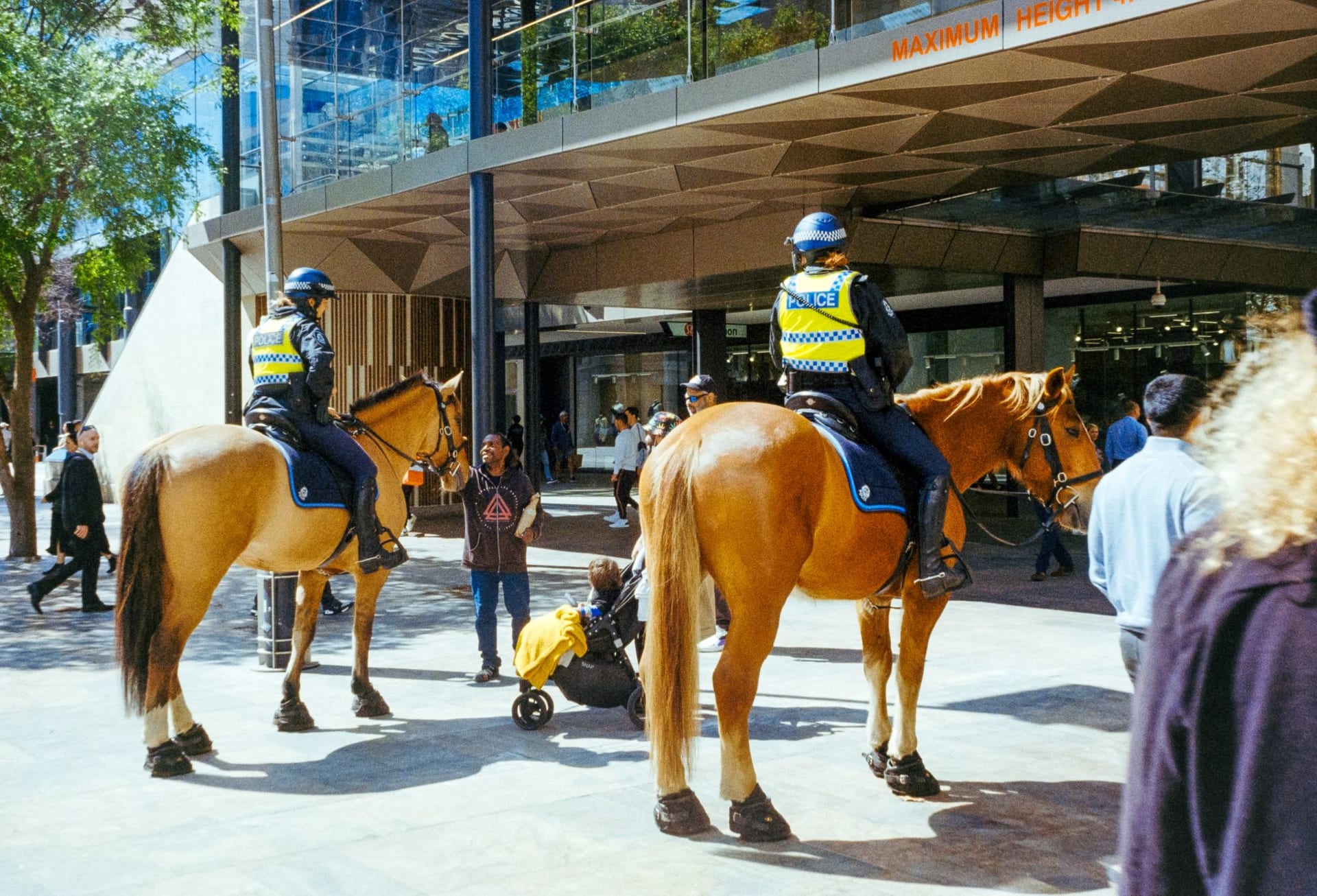
The world's most isolated capital city, where Indian Ocean light hits glassy skyscrapers and nobody seems particularly bothered by their remoteness.

The flight from Sydney takes as long as Paris to Istanbul. That fact lands differently once you’re standing on the South Perth foreshore watching kayakers slice through the Swan River while the CBD glitters across the water like something assembled by accident — too beautiful, too calm, too far from anything to feel real. Perth operates on its own logic, and after a few days, you start to suspect that logic is better than most.
The City That Faces the Wrong Way
Perth looks west, which means it looks toward the Indian Ocean and away from the rest of Australia. That orientation shapes everything. The beaches at Cottesloe and Scarborough face the sunset, and on weekend evenings half the city migrates there to watch it — a collective, unhurried ritual that feels both pagan and completely sensible. I arrived on a Thursday and found myself sitting on limestone steps at Cottesloe with a cold Emu Export, watching the sun dissolve into pink haze above the water. A woman next to me was doing her taxes on a laptop. Nobody thought this was strange.
The streets of Northbridge fill up late by Perth standards, which is still earlier than Melbourne by two hours. The food scene has quietly arrived — small restaurants in converted warehouses serving local crayfish with cultured butter, chefs who trained in Copenhagen and came home. There’s less performance anxiety here than in Sydney. The cooking is good because they want it to be good, not because someone’s writing about it.
Kings Park and the Bush Above the City
Kings Park is the fact that stops Perthites from ever fully accepting criticism of their city. At 400 hectares of native bushland sitting on a ridge above the river, it’s larger than New York’s Central Park and wilder — Western Australian wildflowers growing in their natural configurations, banksias and kangaroo paw in colors that look digitally enhanced. In September the wildflower season peaks and the city swells with tourists. I went in July, when the park was cool and nearly empty and the Western Australian state war memorial caught the flat winter light in a way that made my chest do something unexpected.
Fremantle Pull
The old port town of Fremantle sits twenty minutes south by train, and the train runs along the river and the coast with the sea appearing between dunes like a recurring promise. Fremantle has a grittier personality than Perth proper — fishing boat hardware stores alongside specialty coffee, the cappuccino strip alive with that particular Italian-Australian legacy that nowhere else quite replicates. I ate a toasted sandwich at a table made of salvaged timber and watched container ships move toward the harbor mouth. It was not dramatic. It was exactly what I needed.
Getting Around and Getting Lost
Perth rewards walking less than it rewards driving or cycling. The city sprawls magnificently north and south along the coast, and the neighborhoods — Mount Lawley, Leederville, Subiaco — each have enough character to justify an afternoon. The train system is genuinely good, which surprises people. Rent a bike along the river path if the weather cooperates, which in winter it sometimes doesn’t and in summer it always does.
When to go: September to November for wildflowers and comfortable warmth before the heat locks in. December through February is beach season but temperatures regularly hit 40°C — extraordinary for the ocean, exhausting in the city. June through August is mild, green, and pleasantly uncrowded.
Keep exploring
More from Western Australia
 western-australia
 Rottnest Island
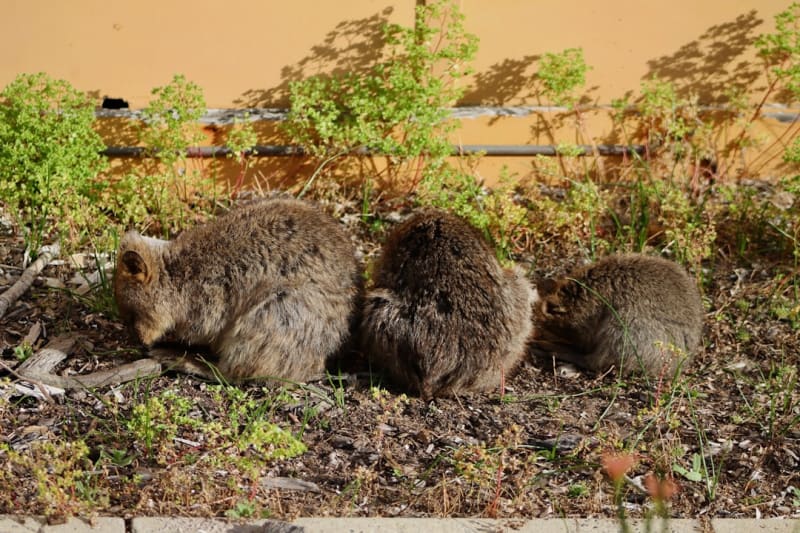
A car-free island of perfect bays and bicycle paths, where quokkas pose for selfies with the confidence of animals that have correctly assessed their own marketability and the Indian Ocean sits still and unbelievably clear.
Explore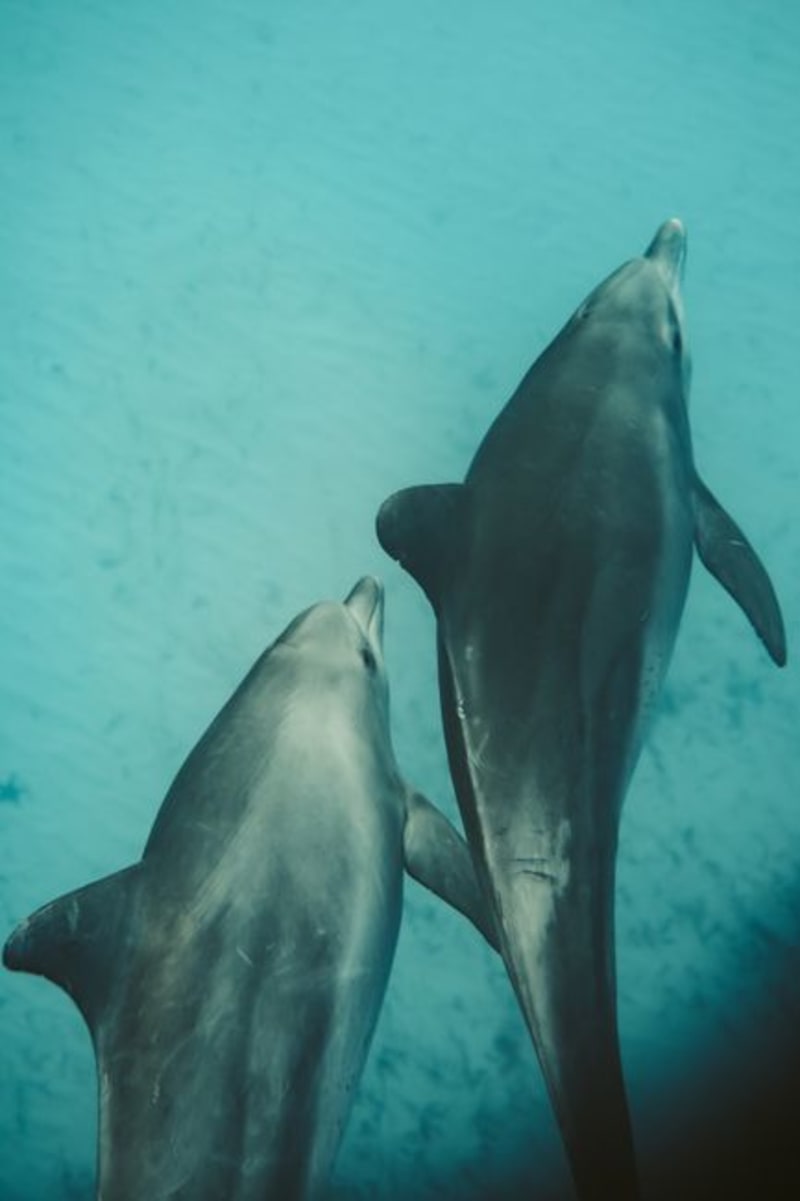 western-australia
 Shark Bay
A UNESCO World Heritage bay where wild dolphins swim into the shallows at Monkey Mia, the sand is made entirely of shell, and the oldest living things on the planet sit quietly in the water at Hamelin Pool.
Explore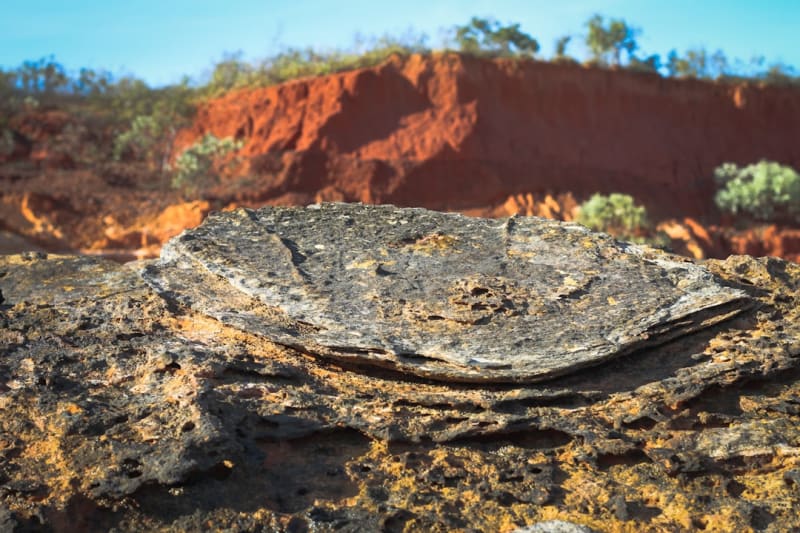 western-australia
 The Kimberley
Australia's last great wilderness: a landmass the size of California with fewer than 40,000 people, ancient Wandjina rock art, tiered waterfalls, and the horizontal falls that shouldn't exist but do.
Explore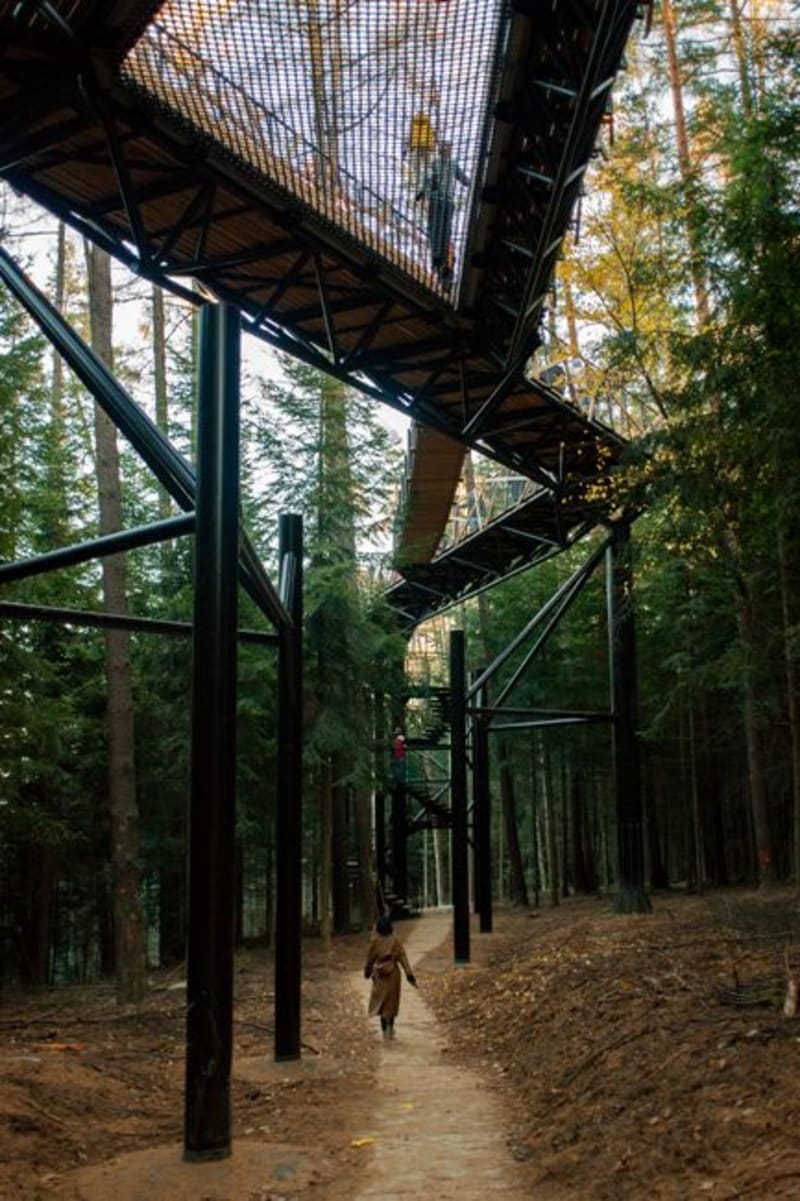 western-australia
 Walpole
A hushed inlet town where a steel walkway lifts you into the canopy of ancient tingle trees so wide a car could once drive through their trunks.
Explore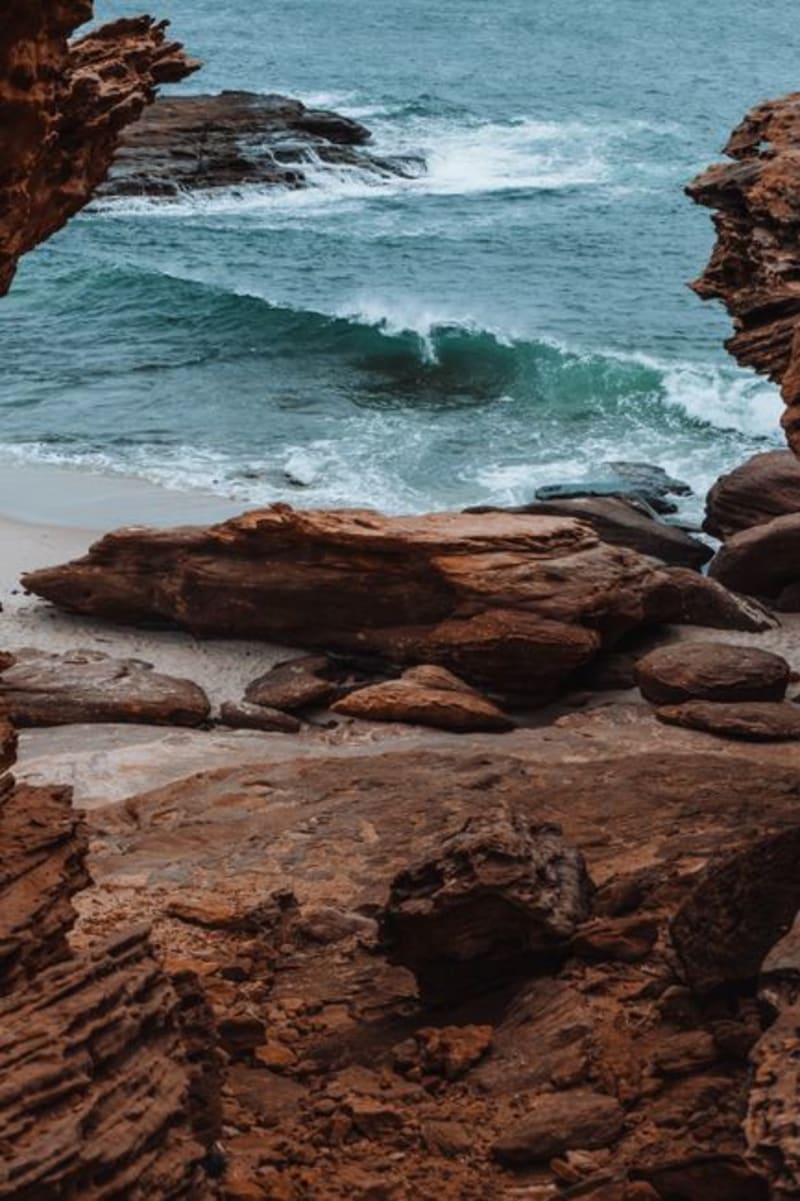 western-australia
 Wave Rock
A fifteen-metre wall of granite curling over on itself like a frozen ocean swell, sitting improbably in the middle of Western Australia's wheatbelt.
Explore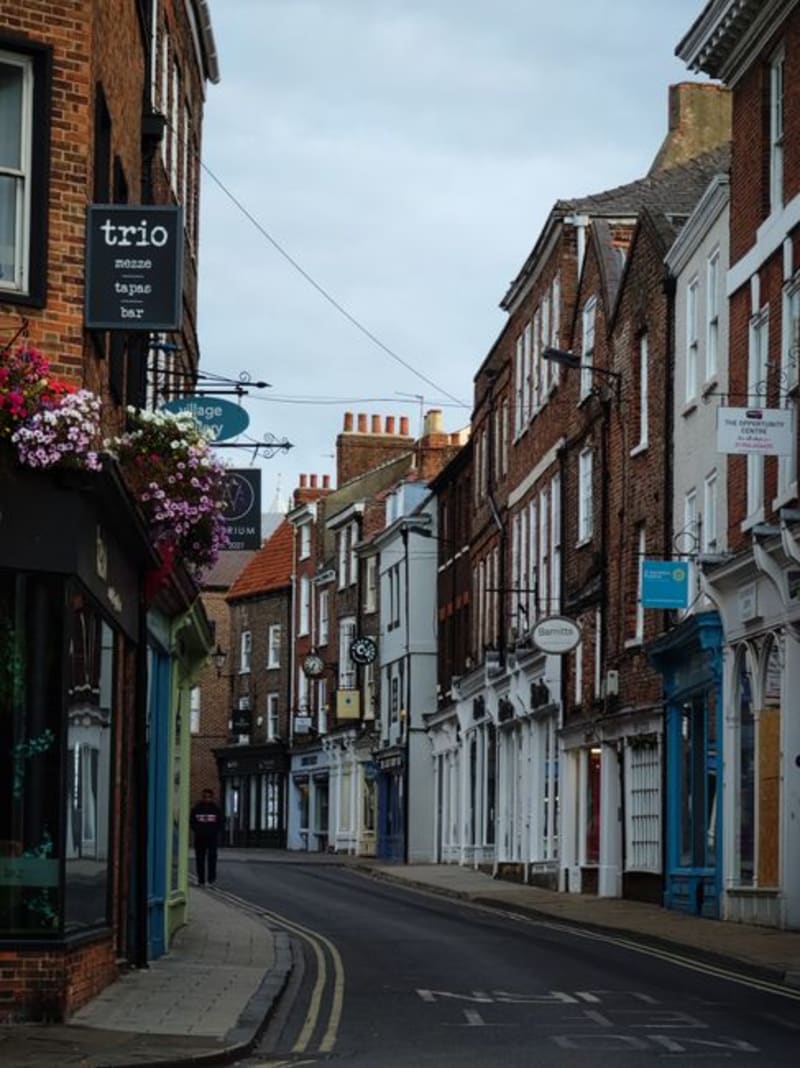 western-australia
 York
Western Australia's oldest inland town, a strip of convict-era stone buildings along the Avon River where the state's colonial history is still standing rather than reconstructed.
Explore