Denmark
"Greens Pool is the calmest water I found on the entire Southern Ocean coast, and it's protected by literal elephants."
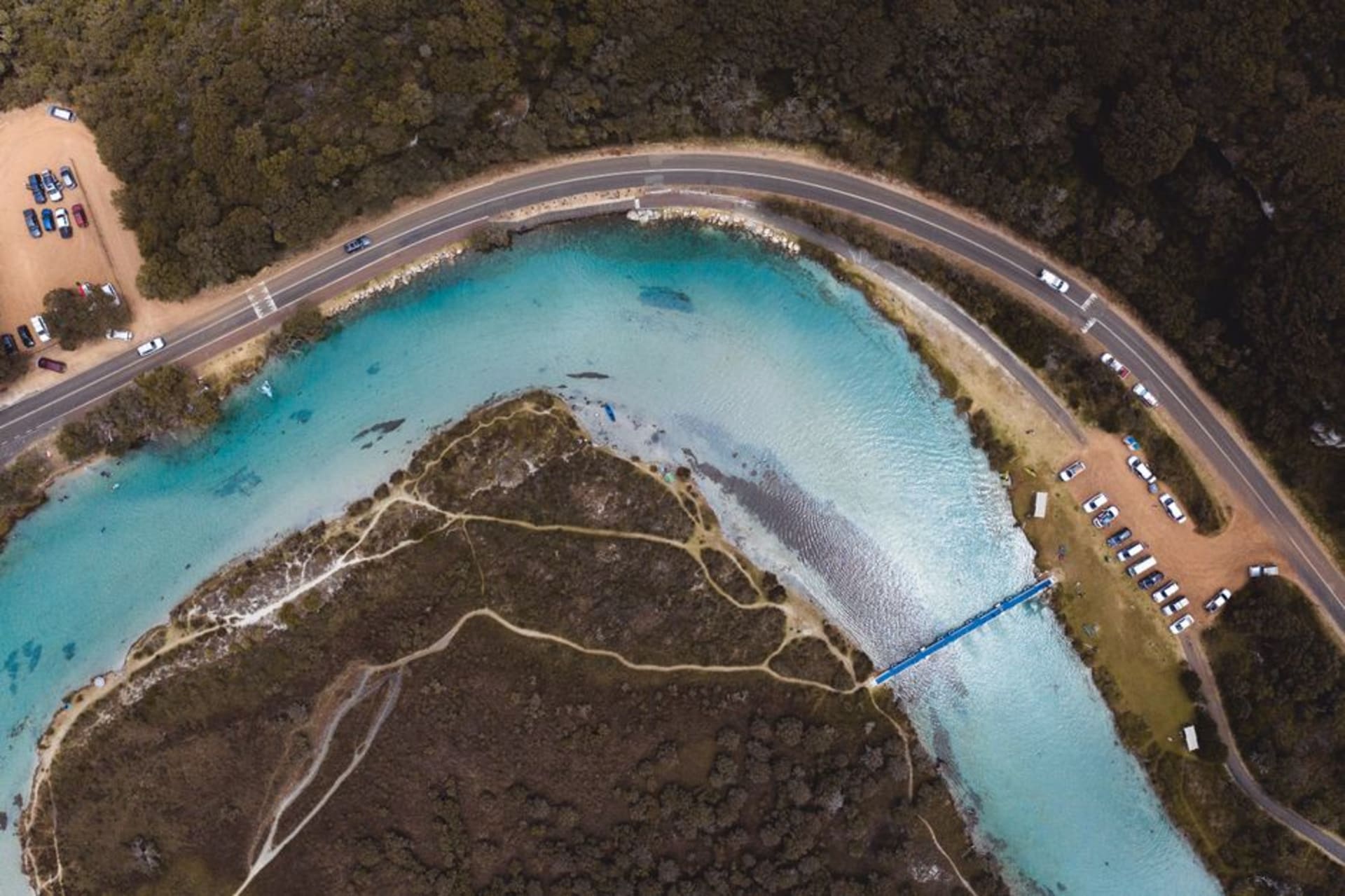
A laid-back river town on the south coast where granite boulders shaped like elephants sit in a pool calm enough to swim safely inside the pounding Southern Ocean surf.

Denmark sits about fifty minutes west of Albany on the south coast, a small town built around the Denmark River where it meets the Wilson Inlet, with a reputation among Western Australians as the state’s unofficial hippie-artisan retreat — a lot of pottery studios, a lot of organic farms, a noticeably slower pace than the wine-country intensity of Margaret River three hours up the coast.
Greens Pool, just outside town in William Bay National Park, is the reason I extended my stay by two days. A ring of massive granite boulders breaks the Southern Ocean swell before it reaches the shore, creating a turquoise pool calm enough to swim in comfortably even when the open water beyond the rocks is churning white. I swam out to the boulders and floated there for a while, watching the swell detonate against the outer rocks in sheets of spray while the water around me stayed glassy and warm by comparison. It’s a strange, specific kind of safety, swimming inside a natural barrier while the actual ocean throws itself at the rocks a few dozen metres away.

Elephant Rocks, a short walk along the coast from Greens Pool, is the formation that gives the beach its name — a cluster of rounded granite boulders that genuinely resemble a herd of elephants standing in shallow water, trunks and all if you tilt your head the right way. I walked the coastal path between the two beaches in the late afternoon and had long stretches of granite coastline entirely to myself, the kind of quiet that’s increasingly rare on Australia’s more famous beaches.
The town itself rewards a slow morning — the Saturday farmers market sells produce from the surrounding valleys, and the Wilson Inlet is good for an unhurried kayak paddle if the ocean feels like too much commitment. I ate a plate of local marron, a freshwater crayfish farmed in the district’s dams, at a café on the main strip and it remains one of the better lunches of my trip.

When to go: December to March for the calmest, warmest swimming conditions at Greens Pool. Spring (September–November) brings wildflowers to the surrounding national parks and a noticeably quieter town.
Keep exploring
More from Western Australia
 western-australia
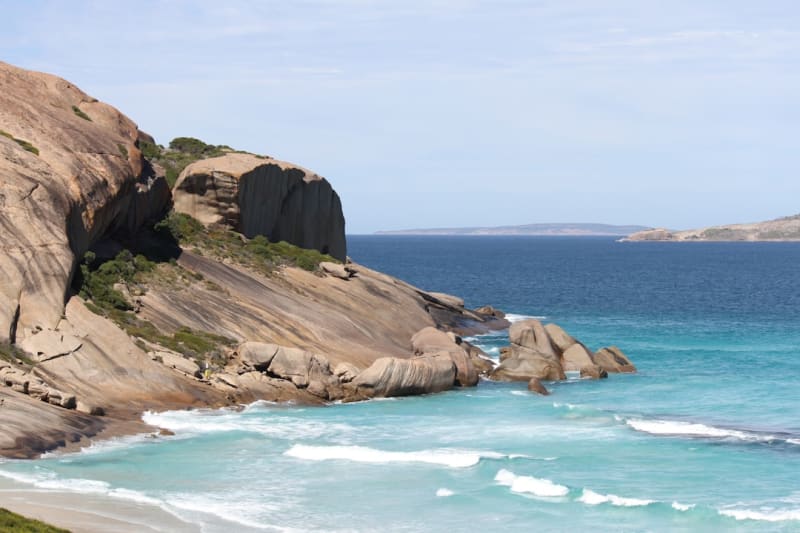
 Esperance
A small fishing town at the edge of the Great Australian Bight where kangaroos lie on white sand beaches beside water that is genuinely, stubbornly, impossibly turquoise.
Explore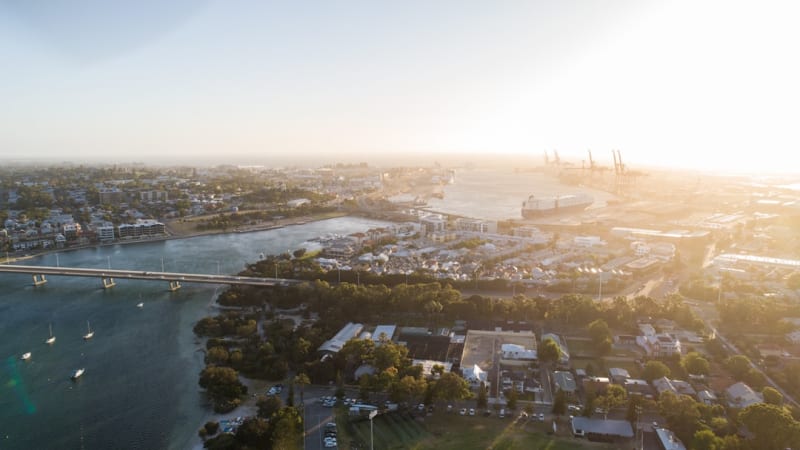 western-australia
 Fremantle
Perth's port town and its better-looking sibling: Victorian limestone architecture, a cappuccino strip that takes its Italian inheritance seriously, and a waterfront where the fishing boats and the craft beer coexist without pretending either one is the point.
Explore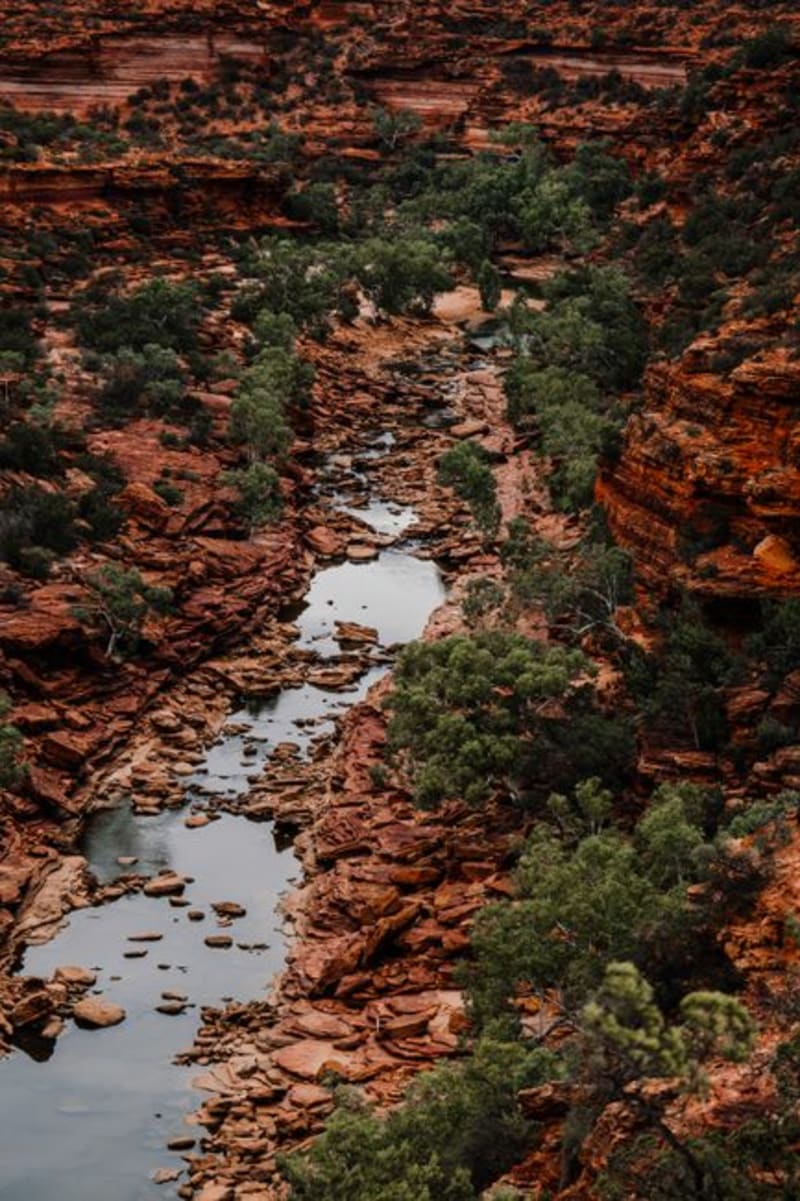 western-australia
 Kalbarri National Park
Red-and-white banded gorges carved by the Murchison River, a skywalk cantilevered 100 metres above the canyon floor, and a coastline of sea cliffs that takes the wind personally.
Explore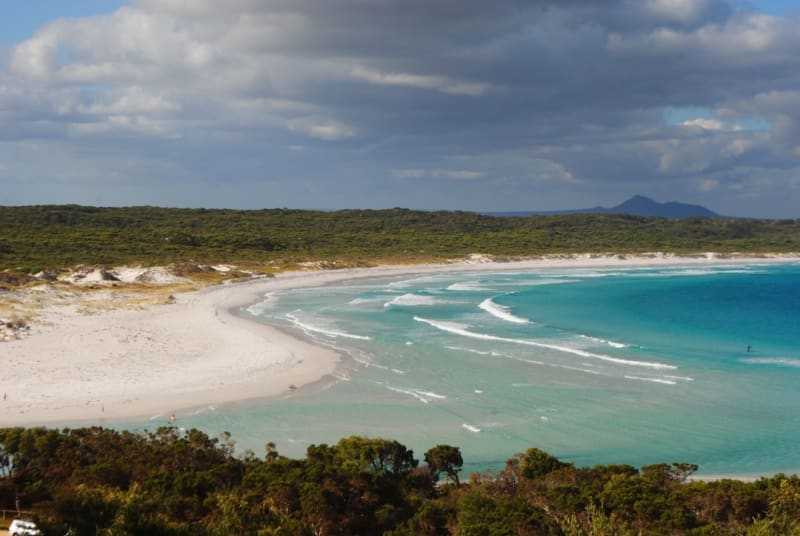 western-australia
 Karijini National Park
Ancient gorges slashing through the Pilbara's iron-red plateau, where swimming holes glow turquoise at the bottom of 100-meter walls and the rock beneath your feet is two-and-a-half billion years old.
Explore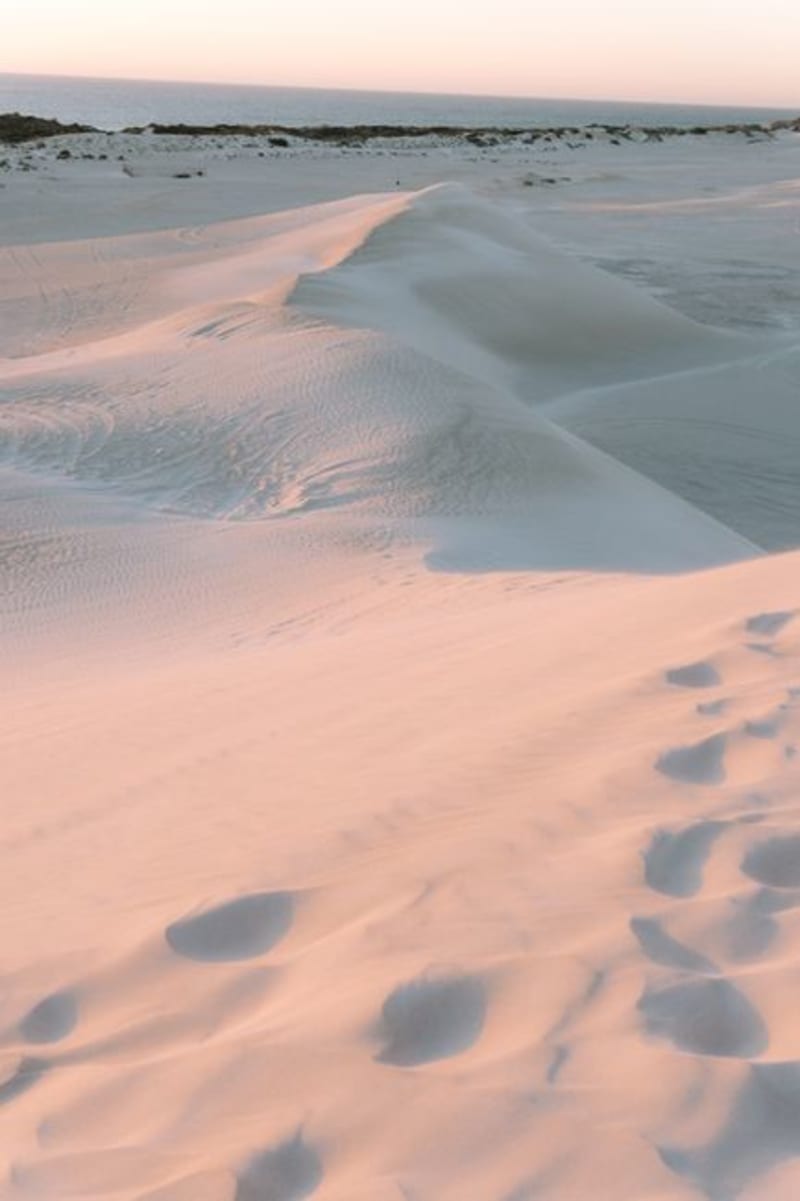 western-australia
 Lancelin
A fishing town wedged between the Indian Ocean and a field of white sand dunes tall enough to sandboard down at speed, an hour and a half north of Perth.
Explore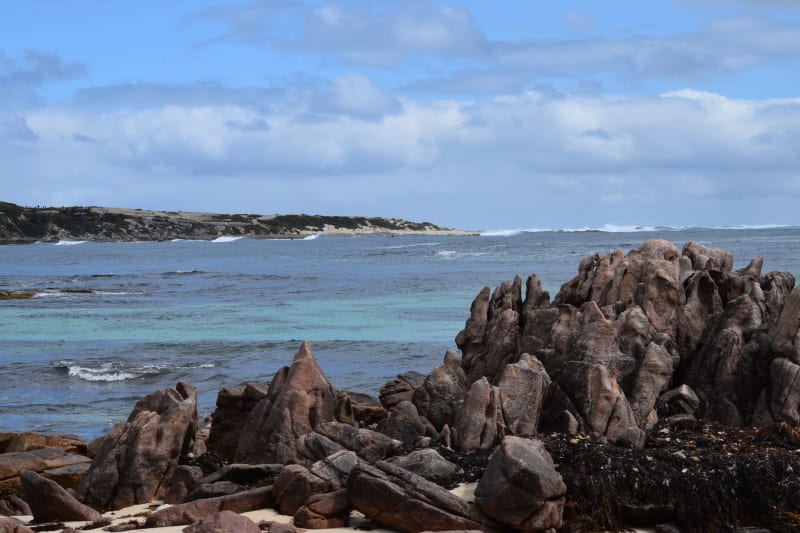 western-australia
 Margaret River
A wine region that also happens to have world-class surf breaks, ancient limestone caves, and the quiet confidence of a place that knows exactly what it is.
Explore