
On the northern edge of the Great Plains, North Dakota is a state of enormous skies and quiet drama, where the prairie suddenly gives way to a maze of eroded buttes and painted canyons. It is a place that asks little and rewards those who take the time to look closely.
North Dakota does not announce itself loudly, and that is precisely its charm. For long stretches the land runs flat and golden to the horizon, an ocean of wheat and grass beneath a sky so vast it can feel like the whole point of the place. Then, in the western reaches, the earth cracks open and the plains dissolve into the badlands, a rumpled country of striped buttes, coulees, and petrified stumps that seems to belong to another planet entirely.
The heart of this transformation is Theodore Roosevelt National Park, a wild and underappreciated preserve that carries the name of the future president who came here as a grieving young man and found his footing among the cattle and the canyons. Bison move in slow herds across the grasslands, wild horses gallop along the ridgelines, and the Little Missouri River winds through terrain that changes color with every shift of the light. Roosevelt would later credit these badlands with shaping the conservation ethic that reshaped America, and standing among them, it is easy to understand why.
At the park’s southern gateway lies Medora, a tiny frontier town that has kept its 19th-century character while embracing its role as the region’s welcoming committee. In summer the town hums with the open-air Medora Musical and the smell of pitchfork-fried steak, a genuinely local piece of theater set against a backdrop of glowing buttes.
To travel here is to trade spectacle for subtlety, crowds for solitude. North Dakota offers the increasingly rare experience of having a landscape largely to yourself, of watching a storm build fifty miles off, of understanding at last why the plains have inspired such devotion in the people who call them home.
Explore
Places in North Dakota
 united-states
 Beulah
A coal-country town on the shore of Lake Sakakawea where lignite mines and a massive man-made lake somehow coexist with genuine small-town warmth. Lia and I came for the lake and stayed for a conversation with a mine worker that taught us more about North Dakota's energy economy than any article could.
Explore united-states
 Bismarck
A quiet capital on the Missouri River where prairie sky meets frontier history at every turn, from a Gothic capitol tower to a reconstructed Mandan earthlodge village. Lia and I expected a pass-through stop and instead found a full, unhurried day of discovery.
Explore united-states
 Bottineau
A forested hill-country town tucked against the Turtle Mountains, the closest thing North Dakota has to a ski town, guarded by a twenty-six-foot fiberglass turtle riding a snowmobile. Lia and I came expecting flat prairie and found actual hills, actual trees, and a roadside attraction too strange not to love.
Explore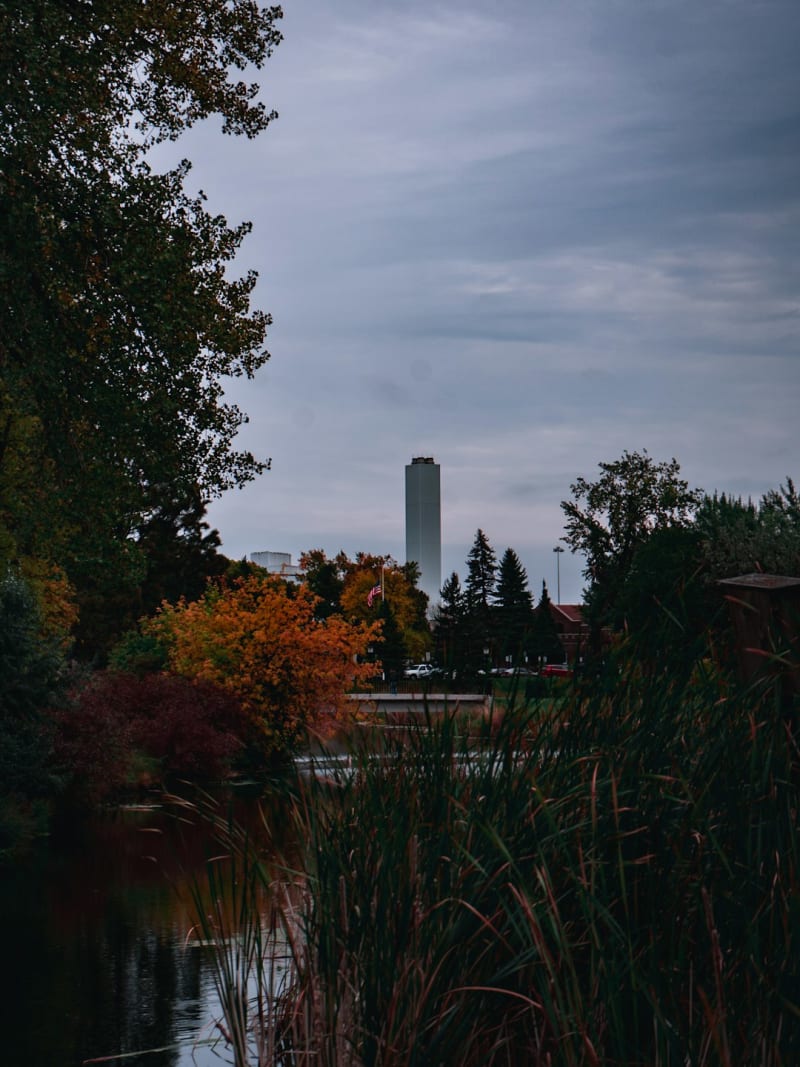 united-states
 Devils Lake
A lake town that has spent thirty years fighting its own rising water, where flooded shelterbelts stand like ghost forests just offshore and the walleye fishing is, improbably, some of the best in the country. Lia and I came for a weekend of fishing with a local guide and left slightly obsessed with a lake that keeps swallowing its own roads.
Explore united-states
 Dickinson
An oil-patch town on the edge of the badlands where pumpjacks nod alongside wheat fields and the Ukrainian churches still ring with the accents of homesteaders' great-grandchildren. Lia and I stopped for one night on the drive to Theodore Roosevelt National Park and ended up staying two, mostly because of the bison stew.
Explore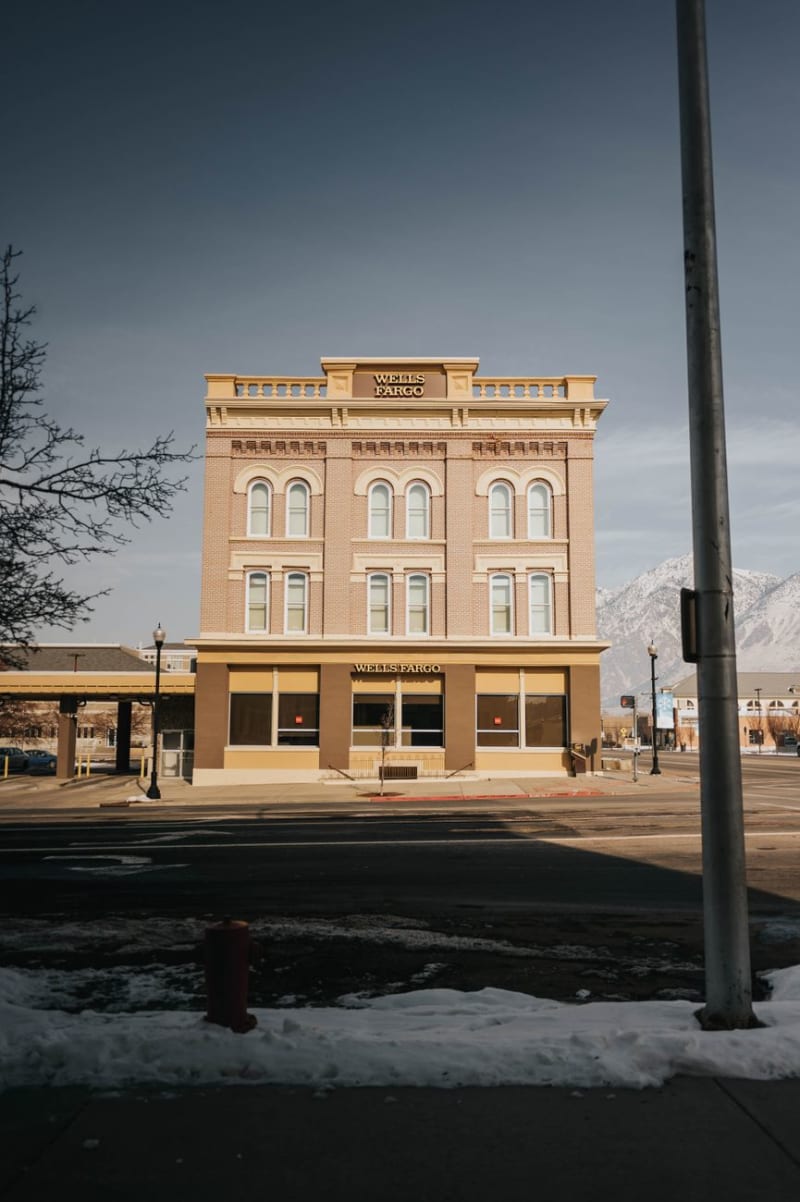 united-states
 Fargo
A prairie city on the Red River that outgrew its wood-chipper reputation into a scrappy, creative downtown of restored neon and craft breweries. Lia and I came expecting flat farmland and left arguing about which dive bar had the better tater tots.
Explore united-states
 Grand Forks
A prairie river city straddling the Red River where North Dakota meets Minnesota, its flat farmland horizon interrupted only by grain elevators and a downtown rebuilt with quiet resolve after the great flood of 1997. Lia and I biked the greenway that flood built and found a town that turned its worst disaster into its best public space.
Explore united-states
 Jamestown
A prairie crossroads town famous for a concrete buffalo the size of a house, a reconstructed frontier fort, and the wide, wind-combed grassland that surrounds it all. Lia and I stopped for what we thought was a novelty photo and ended up spending a full afternoon among bison, both real and monumental.
Explore united-states
 Mandan
Bismarck's quieter twin across the Missouri River, where a reconstructed earthlodge village tells a much older story than the state capital ever will. Lia and I crossed the river for an afternoon and ended up watching the sun set over Fort Abraham Lincoln from a bluff we practically had to ourselves.
Explore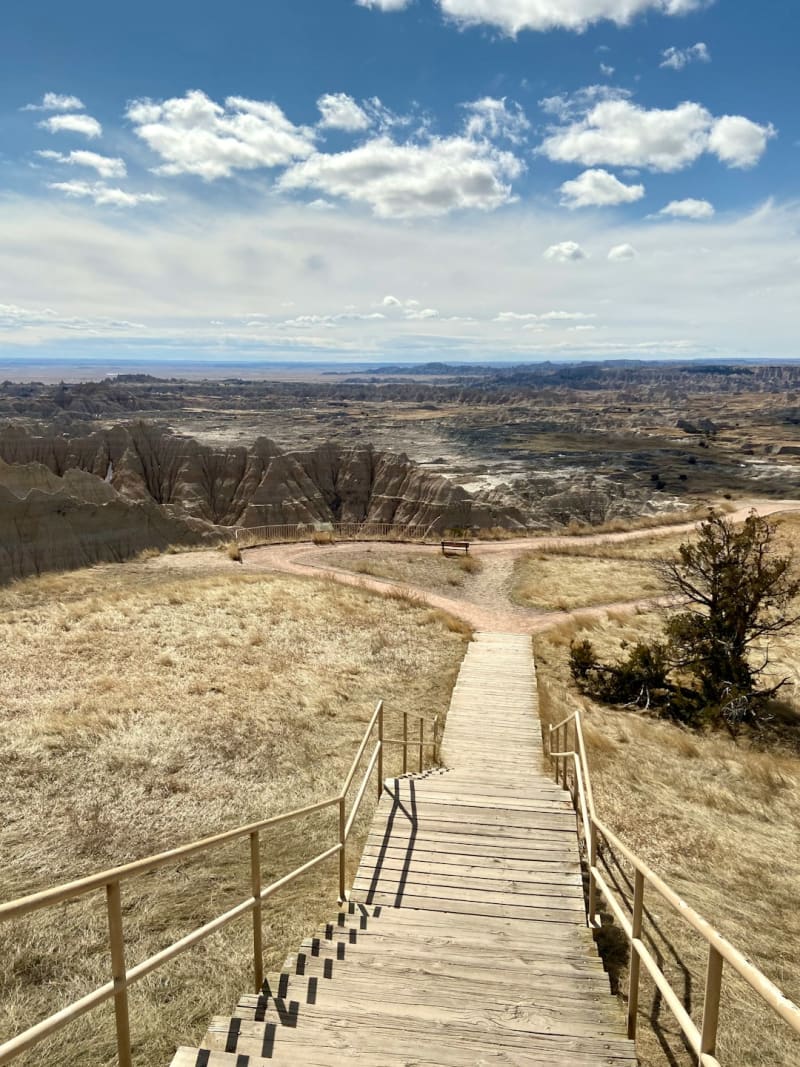 united-states
 Medora
A tiny town of a few hundred souls parked at the edge of the North Dakota badlands, where the flat wheat country suddenly crumbles into striped buttes and coulees. It is the doorway to Theodore Roosevelt's beloved wilderness. At night the sky over the main street is thick with stars.
Explore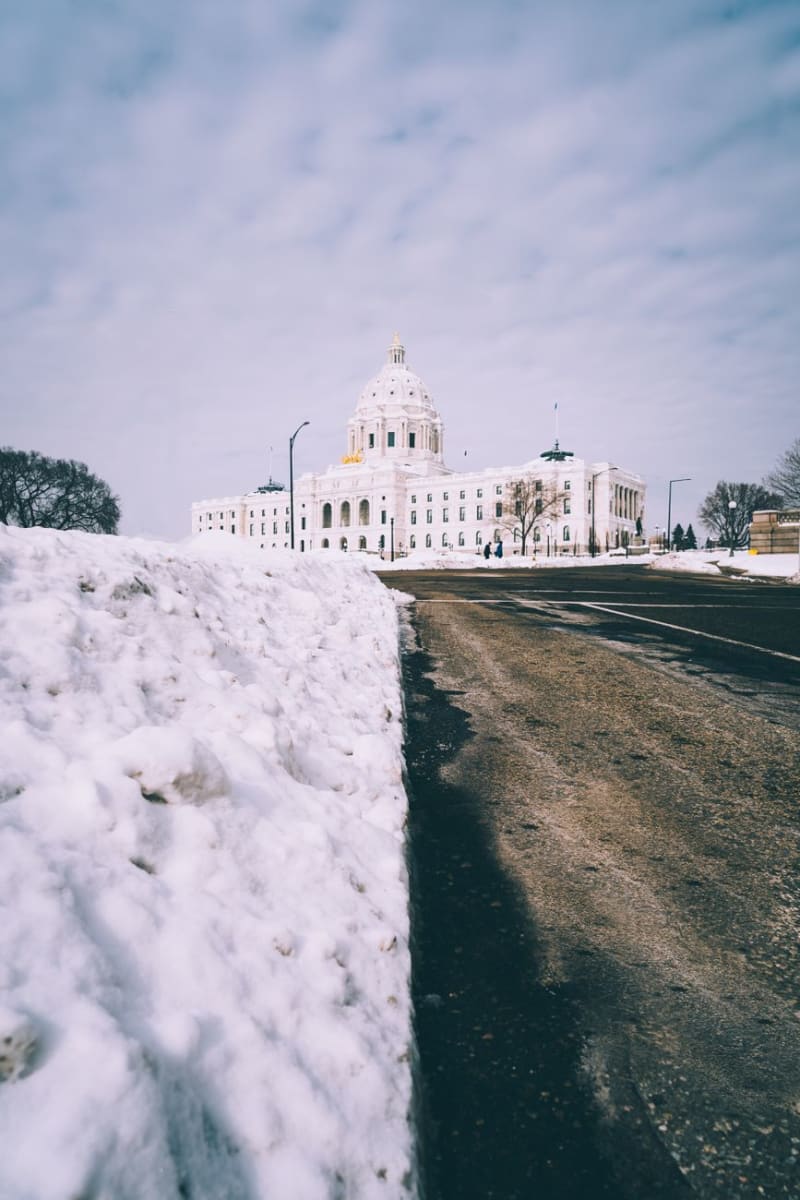 united-states
 Minot
A prairie railroad town on the Souris River that turns Scandinavian for one loud, joyful week every summer, its grain elevators standing sentinel over a skyline built by the Great Northern line. Lia and I came for the festival and stayed to learn how far Norway had traveled into the middle of North America.
Explore united-states
 Rugby
A small railroad town famous for exactly one thing — a stone cairn marking the geographic center of North America — that turned out to have a lot more going on than its highway-sign fame suggests. Lia insisted we take the obligatory photo, and then we found the real reason to stay: a county museum stuffed with more history than its size has any right to hold.
Explore united-states
 Theodore Roosevelt National Park
North Dakota's badlands unfold in banded buttes and eroded coulees along the Little Missouri River, roamed by bison and bands of wild horses. It is the park that shaped a president, and one of the loneliest, most underrated corners of the American West.
Explore united-states
 Valley City
A river town draped across the Sheyenne River valley on a string of bridges, seven of them still standing from the days when the Northern Pacific needed the tallest trestle in the state to cross it. Lia and I spent a slow afternoon walking bridge to bridge, which turned out to be the best way to see a town this size.
Explore united-states
 Wahpeton
A Red River border town where North Dakota quietly becomes Minnesota across a bridge you barely notice you've crossed, and where a Gilded Age bonanza farm nearby still tells the wildest chapter of Dakota Territory's boom years. Lia and I came for a quick stop and lingered for the zoo, of all things.
Explore united-states
 Watford City
A once-tiny farm town that got swallowed by the Bakken boom and somehow came out the other side with sidewalks, a recreation center, and a gateway to the wildest corner of the badlands. Lia and I stopped here on the way into Theodore Roosevelt National Park's North Unit and left impressed by how a town rebuilds itself twice in one generation.
Explore united-states
 Williston
A boomtown at the confluence of the Missouri and Yellowstone rivers where oil money built glossy new hotels next to century-old grain elevators. Lia and I came for the fur-trade history at Fort Union and stayed to watch the sun set twice — once over the rivers, once over a horizon of flare stacks.
Explore