
Beulah
"Beulah sits at the odd intersection of coal seams and open water, and both define it equally."
A coal-country town on the shore of Lake Sakakawea where lignite mines and a massive man-made lake somehow coexist with genuine small-town warmth. Lia and I came for the lake and stayed for a conversation with a mine worker that taught us more about North Dakota's energy economy than any article could.
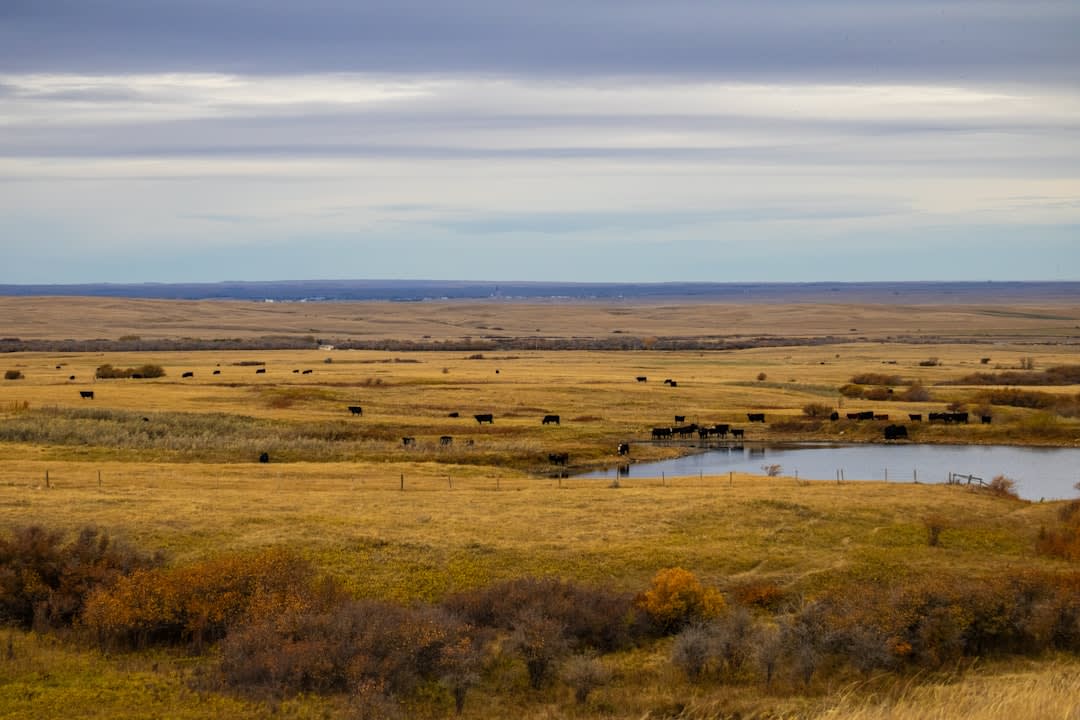
Beulah is a town of about three thousand built almost entirely around lignite — the soft, low-grade coal that underlies this whole stretch of the Missouri River valley — and around the enormous reservoir, Lake Sakakawea, that the Garrison Dam created a few miles downstream in the 1950s. Lia and I stopped for gas and ended up talking for twenty minutes with a man filling his truck who’d worked the nearby mine for three decades; he walked us through, in surprising detail, how draglines strip the overburden and feed the coal directly into adjacent power plants, an entire regional grid running on seams visible from the highway shoulder.
The Knife River villages nearby
A half hour southeast, the Knife River Indian Villages National Historic Site preserves the site of Hidatsa and Mandan earthlodge settlements that were, by the early 1800s, a major Missouri River trading hub — Lewis and Clark wintered nearby and recruited their guide Sacagawea from this exact community. We walked the reconstructed earthlodge and the grassy circular depressions marking dozens more, the Knife River curling past cottonwoods below, and a ranger explained how these villages, not St. Louis or points further east, were the real trading capital of the Northern Plains for centuries before American expansion arrived.
Evenings on Lake Sakakawea
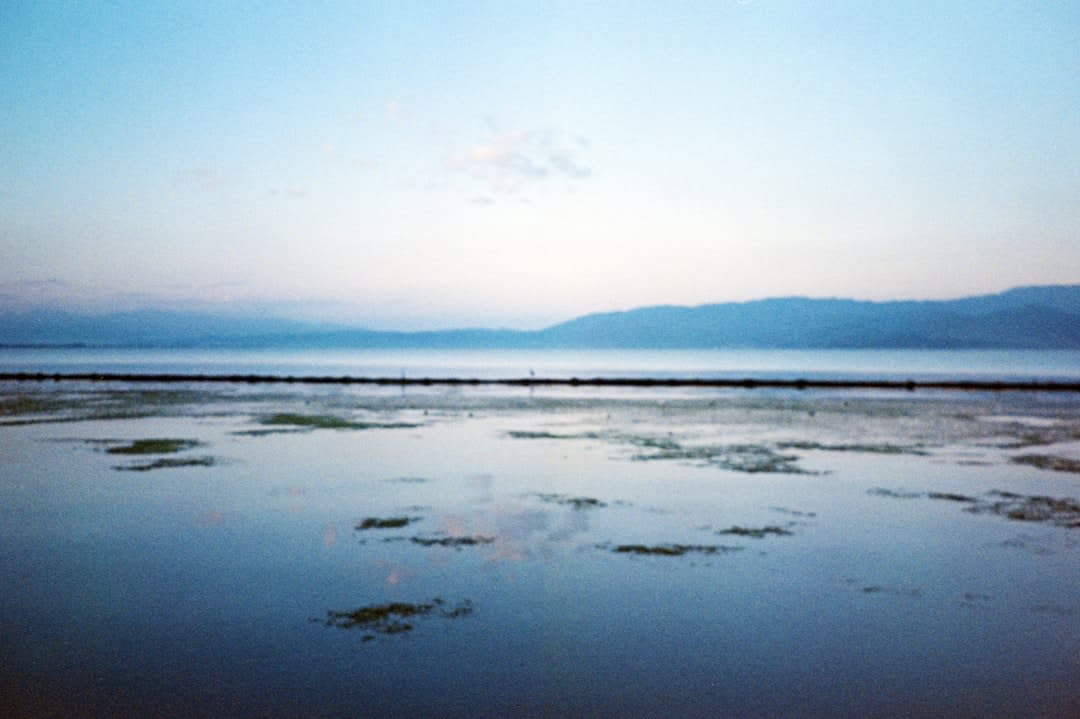
Back near Beulah, we found a boat launch on Lake Sakakawea’s south shore and watched the sun go down over water that stretches, at points, more than 150 miles across the state — one of the largest man-made lakes in the country, created by damming the Missouri and displacing several Native communities in the process, a history locals here are candid about rather than glossing over. Pelicans worked the shallows as the sky went pink, and Lia said it was hard to reconcile how much beauty and how much displaced history could sit in the exact same view.
Getting There
The nearest commercial airport is Bismarck (BIS), about an hour and fifteen minutes south on US-83 and ND-49. A car is essential for reaching both the Knife River villages and the Lake Sakakawea shoreline, neither served by public transit.
Keep exploring
More of North Dakota