
Rugby
"Rugby is proof that being the middle of nowhere is, technically, being the middle of everywhere."
A small railroad town famous for exactly one thing — a stone cairn marking the geographic center of North America — that turned out to have a lot more going on than its highway-sign fame suggests. Lia insisted we take the obligatory photo, and then we found the real reason to stay: a county museum stuffed with more history than its size has any right to hold.
We drove into Rugby specifically for the cairn — a stack of fieldstone and a cluster of flagpoles beside US-2 marking what surveyors once calculated as the geographic center of the North American continent, a claim that’s been quietly disputed by GPS-era recalculations elsewhere but that Rugby has no intention of surrendering. Lia stood next to it grinning like we’d reached some kind of summit, and honestly the absurd, earnest civic pride of the thing won me over completely. A town of about two thousand people, flat wheat country in every direction, building its whole identity around a technicality of geography.
The Geographical Center Pioneer Village and Museum
What kept us in Rugby longer than planned was the sprawling pioneer village behind the visitor center, more than two dozen relocated buildings — a jail, a church, a country schoolhouse, a blacksmith shop, even a vintage fire truck collection — assembled by locals determined not to let homestead-era history disappear. We spent close to two hours wandering between buildings with a volunteer docent who’d grown up on a nearby farm and remembered several of the structures from when they were still in use. It’s the kind of unpolished, deeply local museum that big-city visitors tend to underrate, and it gave Rugby far more texture than the roadside cairn alone would suggest.
Prairie grain elevators at dusk
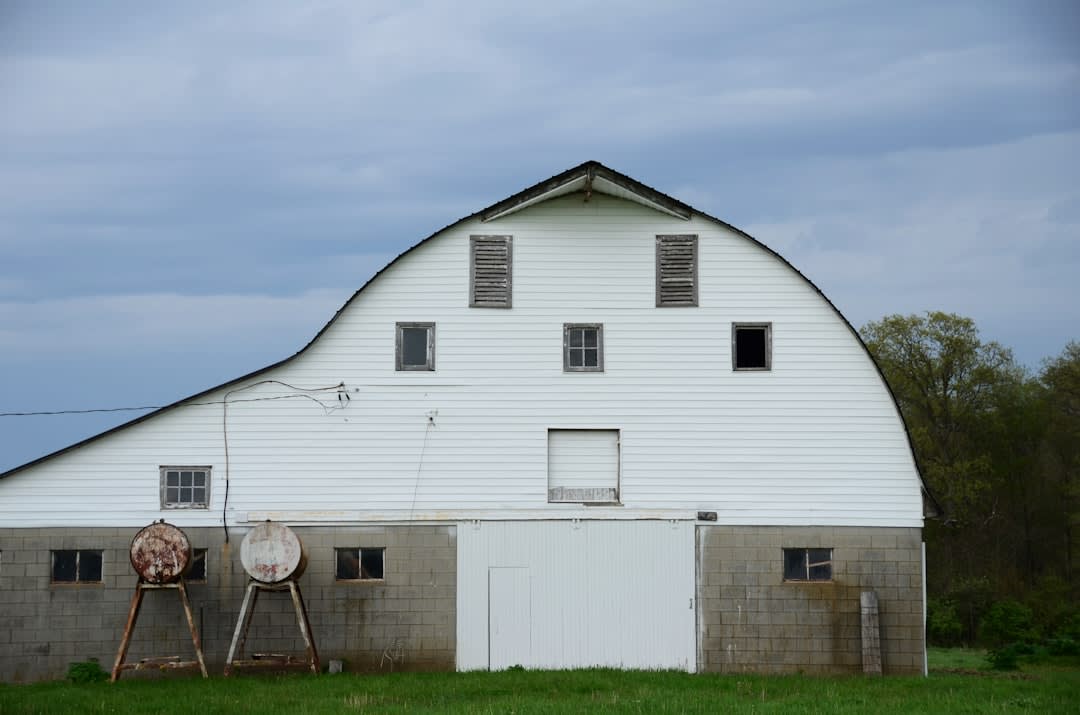
Rugby’s skyline is really just grain elevators, three of them clustered by the rail line, and we drove out past the edge of town as the light went low and gold, wheat stubble stretching flat to the horizon on all sides. Lia pointed out how the elevators cast shadows longer than the buildings they dwarf, and for a few minutes it felt like we had the entire curvature of the prairie to ourselves. This is the kind of landscape that either bores you within ten minutes or gets under your skin completely — for us, it was the latter.
Getting There
Rugby has no commercial airport; the nearest options are Devils Lake, about fifty minutes east, or Minot, roughly an hour west, both small regional fields, though most travelers fly into Fargo (about three hours southeast) or Bismarck (roughly two and a half hours south) and drive. A car is essential — Rugby sits along US-2, and there is no public transit to speak of.
Keep exploring
More of North Dakota