
Red Rock Vertigo — Two Weeks Through the American Southwest
A Frenchman drives 3,000 miles through Utah, Arizona, and New Mexico, confronting desert silence, geological time, and the peculiar freedom of the American highway.

Americas
"The road trip is not a way to see America. It is America."
A country so vast it contains multitudes — from desert canyons to glacial peaks, jazz clubs to redwood cathedrals, all connected by the open road.

The United States is not a destination. It is a collection of wildly different countries that happen to share a currency and an interstate highway system. The mistake most visitors make — and most Americans, for that matter — is treating it as a single experience. The bayou country of Louisiana has almost nothing in common with the granite wilderness of Montana. A week in New York City will not prepare you for the silence of a Utah canyon at dawn. The scale is the point. The contradictions are the point.

The national parks are, without question, the country’s greatest cultural achievement — a claim I will defend against any museum, symphony hall, or architectural landmark you care to name. The system protects landscapes so improbable they feel designed by someone with an unlimited budget and no sense of restraint. Zion is the place to start: sandstone walls rising straight out of a narrow valley, a river you can wade up between them, and a shuttle system that keeps the canyon floor quiet. Utah has four more parks within a day’s drive, including Arches and Bryce Canyon, and Moab makes a good base for the red-rock country.
Further south, the Grand Canyon runs for roughly 277 miles and still manages to feel larger than any number. I have stood at the rim in the afternoon and watched the shadows move down the walls for an hour without speaking. Monument Valley and Antelope Canyon sit on Navajo land, and both are best visited with a Navajo guide.

Yellowstone, the first national park in the world, is thermal chaos in the best sense: geysers, boiling mud, and the rainbow rings of Grand Prismatic Spring, with bison walking down the road as if they had right of way, which they do. In the northwest, Glacier National Park has the Going-to-the-Sun Road, about fifty miles of switchbacks that only open fully once the snow clears in early summer.

Then there is the Olympic Peninsula, where Olympic National Park holds a temperate rainforest in which moss hangs from the trees in curtains and the air feels older than civilization. Within a single park you can go from glacier-topped mountains to rainforest to a wild Pacific beach strewn with driftwood. On the East Coast, Acadia in Maine does something similar with granite and sea. These are not day trips. These are places that restructure your understanding of what a landscape can be.

The cities deserve more credit than the national mythology gives them. New Orleans has a food culture that rivals any city on earth — Creole and Cajun cooking, brass bands on the street corners, and a French Quarter where the iron balconies drip with ferns. I would plan a trip around eating there and call it a good decision.

Chicago’s architecture tells the story of American ambition better than any textbook: after the fire of 1871 the city rebuilt upward, and the steel-frame skyscraper grew up along the river. The best way to read it is from the water, on one of the architecture boat tours, and then on foot along the Riverwalk. The Pacific Northwest has reinvented how Americans think about coffee, food, and proximity to wilderness, and Seattle is the doorway to all of it. San Francisco is a city of fog and hills best paired with the coast road south to Big Sur. And New York remains New York — exhausting, expensive, and irreplaceable.

The Southeast is the quietest of the great American city experiences. Savannah and Charleston reward slow walking, with live oaks, garden squares, and long porches, and Asheville sits at the edge of the Blue Ridge and the Great Smoky Mountains. In the Southwest, Santa Fe has adobe architecture and a high-desert light that painters have been chasing for a century.
The country shows its best side in the places that are not on the list. Texas has Austin for music, but the Hill Country towns such as Fredericksburg are where the barbecue and the peach orchards live. The Oregon coast is lined with lighthouses and empty beaches, and Vermont in October is a series of white churches and maple trees that look arranged for a postcard and are simply the way things are.
Driving is part of the experience, not a means to it. Distances are large, public transport outside a handful of cities is thin, and a car, even a slow one, is what turns a list of places into a trip. Build in more time than the map suggests, because the best stops always turn out to be the ones you did not plan.
When to go: September and October are the sweet spot for most regions — summer crowds thin, temperatures soften, and the light turns golden. Spring is ideal for the desert Southwest, when the heat is still bearable. Skip the national parks in July and August unless you enjoy sharing a trail with several thousand of your closest friends. In the north, the high mountain roads often don’t open until late June or July, so check before you plan around them.
What most guides get wrong: They send everyone to the same fifteen places. The United States rewards the detour more than almost any country I know. The unmarked barbecue joint in the Texas Hill Country, the forgotten lighthouse on the Oregon coast, the small-town diner in Vermont where the pie is transcendent — the best of America has never appeared in a guidebook. Pick one region, drive it slowly, and talk to people at the counter. They will send you somewhere better than the page ever did.
Photography: Pexels contributors.
Explore
 united-states
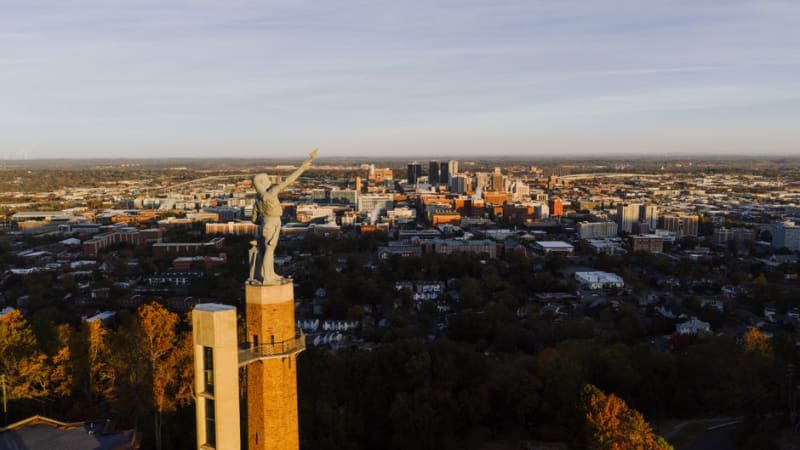
Alabama unfolds across the Deep South with river valleys, pine forests, and a coastline reaching down to the Gulf. It is a state defined by its music, its civil rights history, and a warm, unhurried Southern character. Travelers find rich stories layered beneath its easygoing pace.
Explore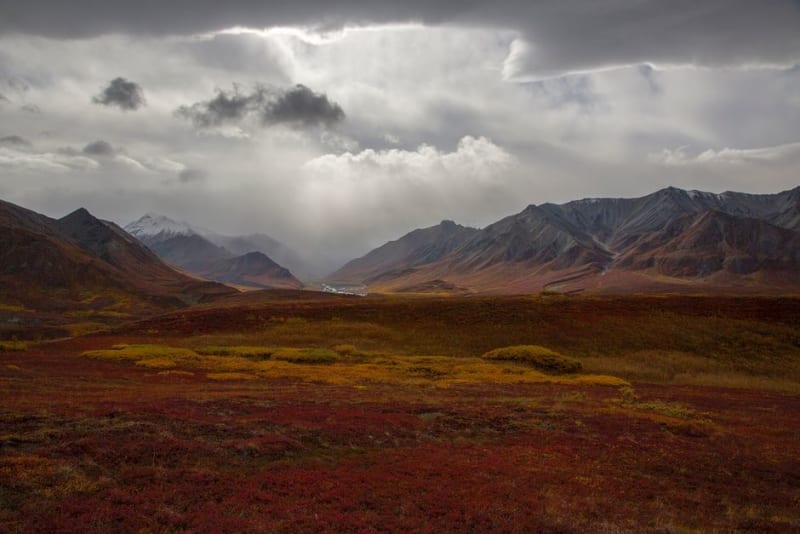 united-states
Alaska is America's last great wilderness, a vast expanse of glaciers, fjords, and mountains that dwarf everything around them. Here the scale of nature overwhelms, from calving ice to breaching whales and the endless summer light. It is a place for travelers drawn to the raw and the remote.
Explore united-states
Arizona is a landscape of red rock, deep canyons, and desert light unlike anywhere else in America. From the vast chasm of the Grand Canyon to the sculpted sandstone of the Colorado Plateau, it stuns at every turn. This is a state where geology becomes spectacle.
Explore united-states
Arkansas is a green, watery state of forested mountains, thermal springs, and winding rivers. Nicknamed the Natural State, it rewards travelers with quiet trails, Victorian towns, and a gentle, understated charm. It is a place made for slow discovery.
Explore united-states
California spans more geography and mood than any single state should hold, from redwood coasts to desert basins and granite high country. Its cities pulse with reinvention while its wild lands range from the tallest trees to the lowest deserts. It is a state that contains multitudes.
Explore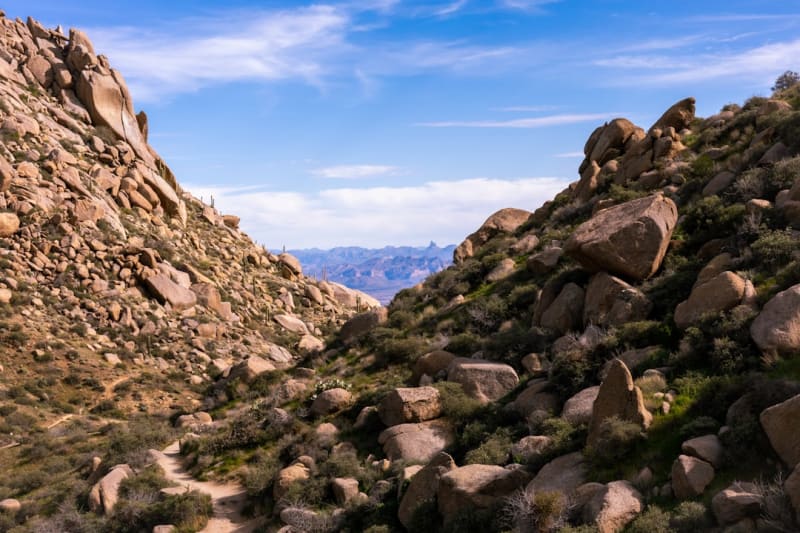 united-states
Colorado is the roof of the American West, where the Rockies rise in a wall of snow-capped peaks above mile-high cities and alpine towns. It offers world-class skiing, high-country trails, and dramatic canyons and dunes. This is a state built for those who look up.
Explore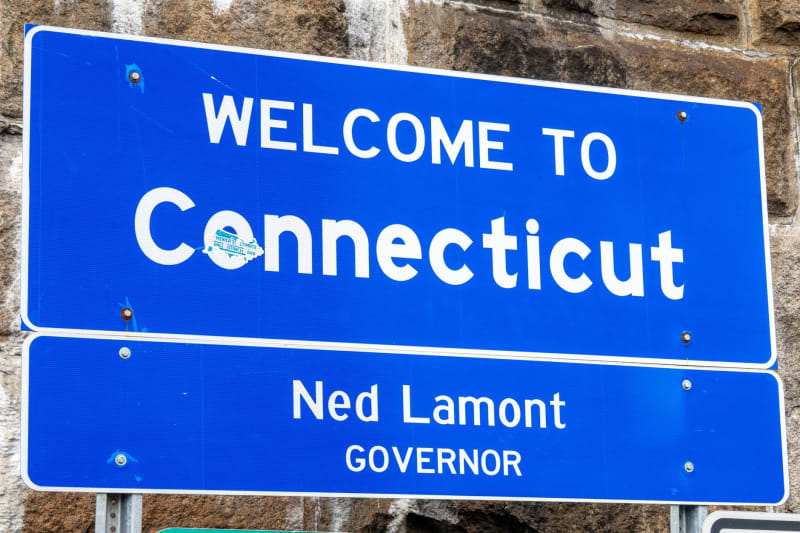 united-states
New England's southern gateway, where Gothic university towers, tidal river villages, and a gold-domed capital sit within an hour of each other. Connecticut compresses centuries of maritime and literary history into a small, unhurried stretch of coastline and river valley.
Explore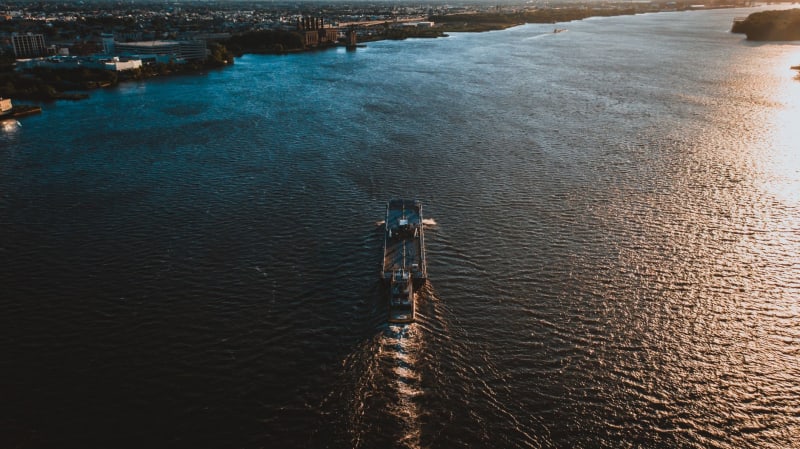 united-states
The First State, small enough to cross in an afternoon, pairing a classic Atlantic boardwalk resort with quiet tax-free shopping towns and salt marsh coastline. Delaware rarely tops a travel list on its own, yet rewards those who linger with easy beaches and an unhurried, low-key charm.
Explore united-states
Florida is a sun-soaked peninsula of beaches, wetlands, and coral reefs, where subtropical wilderness meets glittering coastal cities. From the Everglades to the Keys, its landscapes teem with life and warmth. It is a state that runs on sunshine and salt air.
Explore united-states
Georgia blends the energy of the New South with the grace of the old, from a fast-growing capital to moss-draped coastal squares. It is a state of peaches and pines, hospitality and history. Travelers find both momentum and Southern charm in equal measure.
Explore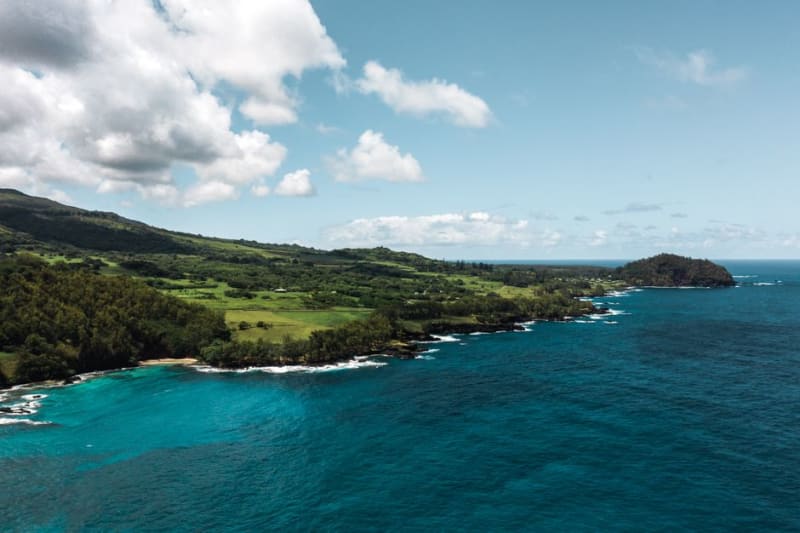 united-states
Hawaii is a chain of volcanic islands adrift in the Pacific, where black-sand beaches, emerald valleys, and active volcanoes coexist in staggering beauty. Each island carries its own character and rhythm. It is a place where nature and culture feel inseparable.
Explore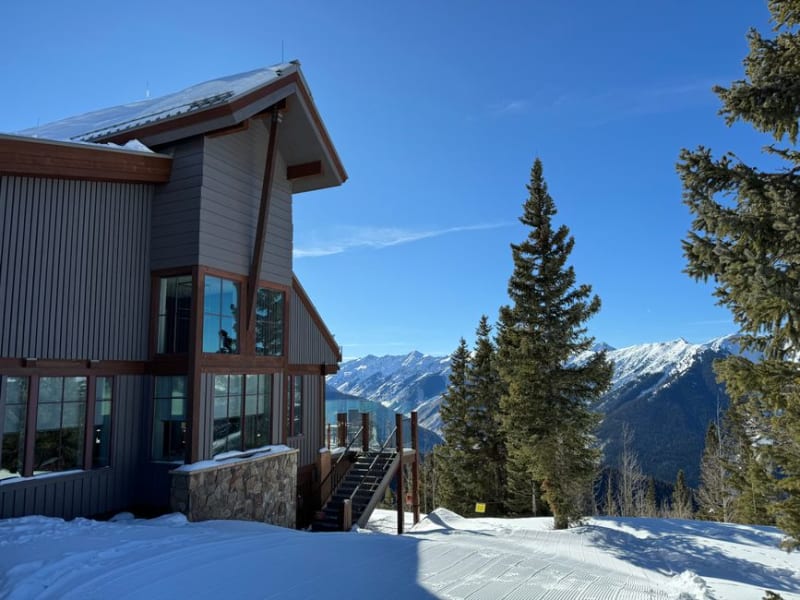 united-states
A state of jagged peaks, silver rivers, and lava plains that feel scraped from another world. Idaho rewards those who wander past the interstate into its wilderness of hot springs and high desert. Few places in America stay this wild while remaining this welcoming.
Explore united-states
Anchored by one of the world's great cities and softened by rolling river country, Illinois is the Midwest at its most confident. It offers skyline drama and small-town quiet within a few hours' drive of each other. This is a state that invented the skyscraper and never lost its prairie humility.
Explore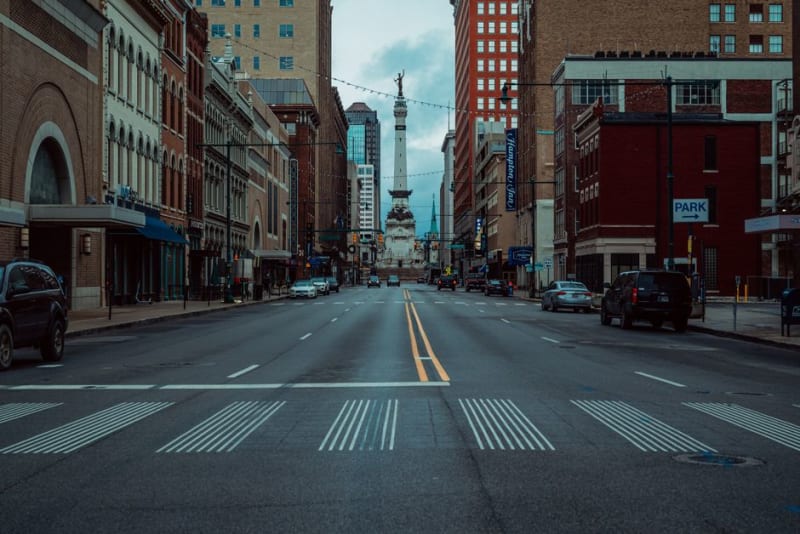 united-states
A crossroads state where racing heritage meets Lake Michigan dunes and quiet farmland. Indiana surprises those who expect only cornfields, offering a capital reborn and a shoreline of shifting sand. Its pleasures are unshowy and all the more genuine for it.
Explore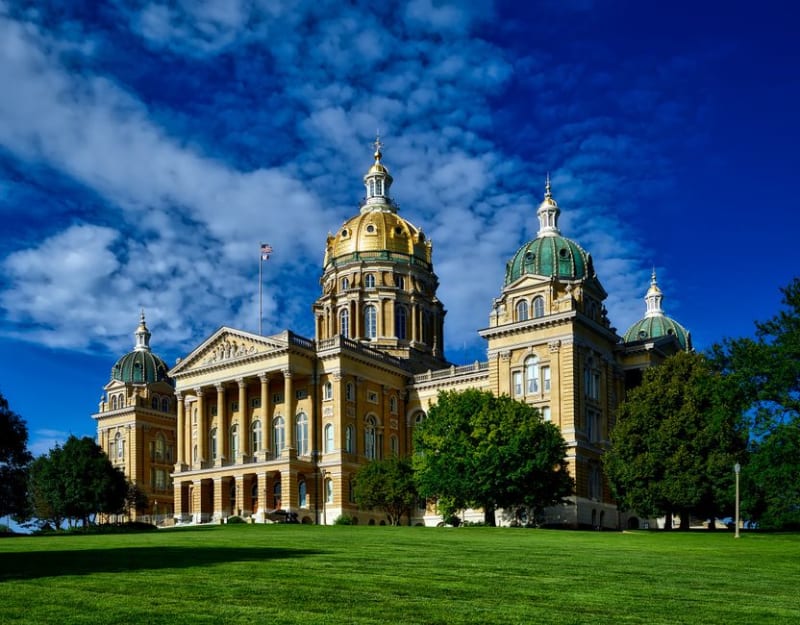 united-states
Rolling farmland and river bluffs frame a state that rewards the unhurried traveler. Iowa's charm lies in its openness, its wide skies, and a capital city more spirited than its reputation suggests. Come for the quiet and stay for the warmth of the people.
Explore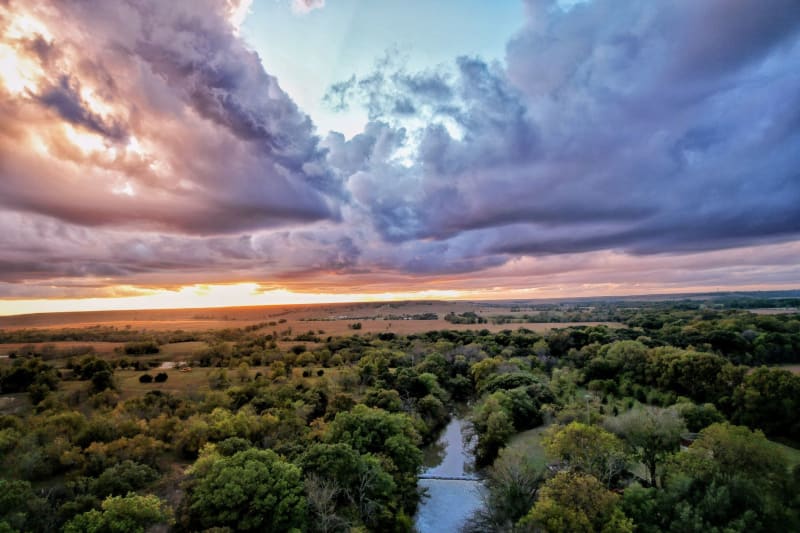 united-states
A wide plains state of wheat fields, tallgrass prairie, and rivers that quietly built two very different frontier towns. Kansas rewards travelers willing to trade coastline for horizon, trading dramatic scenery for the slower pleasures of prairie light and small-city character.
ExploreGo deeper
Towns, temples and beaches tucked inside the regions above — the pages I'd send a friend to once they've picked a corner of the map.
Free download
A curated PDF itinerary with honest picks, real restaurants, and the details that matter — the kind you'd actually print and bring.
Download the guide