An upstate New York town built on bubbling mineral springs, thoroughbred racing, and Victorian ambition. Grand hotels once lined its broad avenues; today the springs still flow and the oldest racetrack in America still thunders each August. Elegant, unhurried, and a little bit theatrical.

Lia and I came to Saratoga Springs to break up a longer drive, expecting an hour and staying three days. It is a town that flatters you a little — the main street, Broadway, is impossibly wide and lined with mature trees and Victorian storefronts, and walking it you feel vaguely like you should be better dressed. Our first afternoon we found one of the public mineral springs, a little pavilion with water burbling up from a spigot, and I cupped my hands and drank. It was cold, fizzy, and startlingly metallic — iron and salt and something ancient. Lia made a face and loved it. The whole town, we learned, sits atop these carbonated springs, and its entire century of grandeur was built on people coming to take the waters.
Taking the Waters
The next morning we walked into Saratoga Spa State Park, a grand green expanse of pine woods, classical bathhouse buildings, and reflecting pools laid out in the 1930s with real ceremony. We wandered from spring to spring along the marked paths — each has its own flavour and character, some gentle, some so heavily mineralized they’ve built up strange orange rock mounds around their spouts. At the Island Spouter, a natural geyser sends water arcing up over a cone of its own deposits, and Lia stood watching it, delighted, insisting it looked like something the earth had sculpted on purpose. We ended at the Roosevelt Baths, where, in the spirit of the place, we soaked in warm effervescent mineral water until we were entirely useless for the rest of the day.
The Oldest Track in America
We had timed our visit, half by luck, for the August racing meet, and so on our second afternoon we joined the crowds streaming toward Saratoga Race Course. This is the oldest major sporting venue in the country, and it feels it — a vast Victorian grandstand of peaked roofs and wrought iron, shaded by ancient elms, bookmakers and picnic families side by side. Lia and I are not gamblers, but we bet small on horses chosen entirely by the prettiness of their names, and we lost cheerfully. The real spectacle was the paddock, where the thoroughbreds are led in gleaming and impossibly fine-boned, and the moment when the field thunders past the rail so close you feel the ground move. A woman beside us wept when her horse won. I understood.
Evenings on Broadway
Saratoga knows how to end a day. As the light softened we drifted back along Broadway and into Congress Park, the town’s landscaped heart, where a fountain plays before the old Canfield Casino — once a gambling house for the Gilded Age set, now a museum. Couples sat on the grass, a busker played somewhere out of sight, and the ornate Victorian rooflines caught the last sun. We ate outdoors that evening, watching the town promenade past, everyone a little dressed up in the summer warmth. Lia said Saratoga felt like a place that has always been on holiday, and never quite forgotten how. We lingered over dessert far too long, in no hurry at all, which felt like exactly the right way to honour the town.
Getting There
Saratoga Springs sits in eastern New York just off Interstate 87, about forty minutes north of Albany and roughly three and a half hours from New York City by car. It is one of the easier upstate towns to reach without driving: Amtrak’s Adirondack and Ethan Allen lines both stop at the Saratoga Springs station, a short ride from downtown. The town is at its most electric during the racing season in late July and August, though the springs, the parks, and Broadway’s easy elegance reward a visit in any season.
Keep exploring
More of New York
Keep exploring
More from New York
 united-states
Lake George
A long, startlingly clear lake at the southeastern edge of the Adirondacks, ringed by wooded mountains and dotted with islands. Steamboats still ply its water and a colonial fort still guards its foot. The lake they once called the Queen of American Lakes.
Explore united-states
Hudson Valley
A broad river valley running north from New York City, walled by blue mountains and studded with Gilded-Age mansions, art museums carved from old factories, and towns that smell of woodsmoke and good coffee. The Hudson School painters made this landscape famous; a century and a half later it still stops you in the road. We meant to pass through and ended up staying a week.
Explore united-states
Rhinebeck
A Hudson Valley village of gabled Victorians and antique shops where the river runs wide and slow below the hills. Lia and I wandered in for a weekend of vintage aeroplanes and cider doughnuts and stayed an extra day, unwilling to trade the porch-light quiet for the drive back to the city.
Explore united-states
Cooperstown
A postcard village on the edge of Otsego Lake, equal parts baseball pilgrimage site and quiet Leatherstocking-country retreat. Lia and I came for the Hall of Fame and stayed for the lake mist and church-bell quiet of a town that feels frozen somewhere in the 1950s.
Explore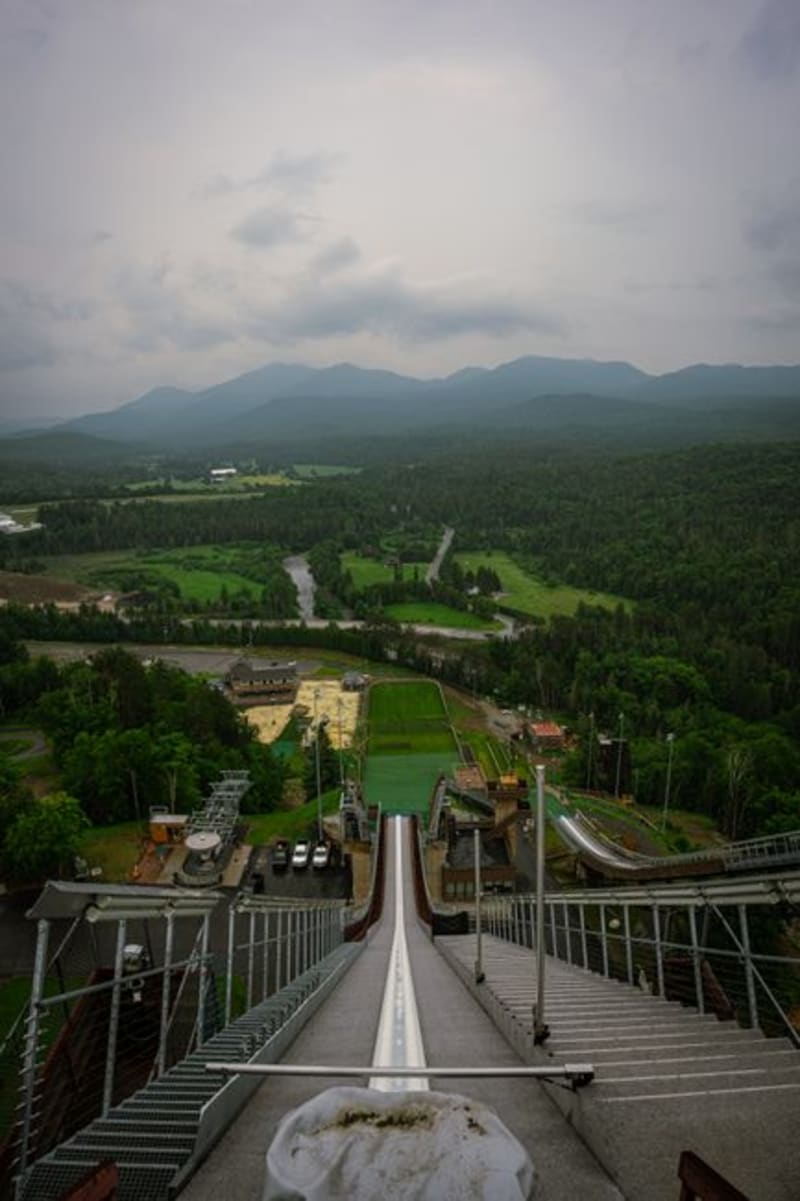 united-states
Lake Placid
An Adirondack village cupped between forested peaks and cold mirror lakes, where twice the winter Olympics came and never quite left. Lia and I found ski jumps rising over pine, a main street that smells of woodsmoke, and water so still at dawn it doubles the mountains.
Explore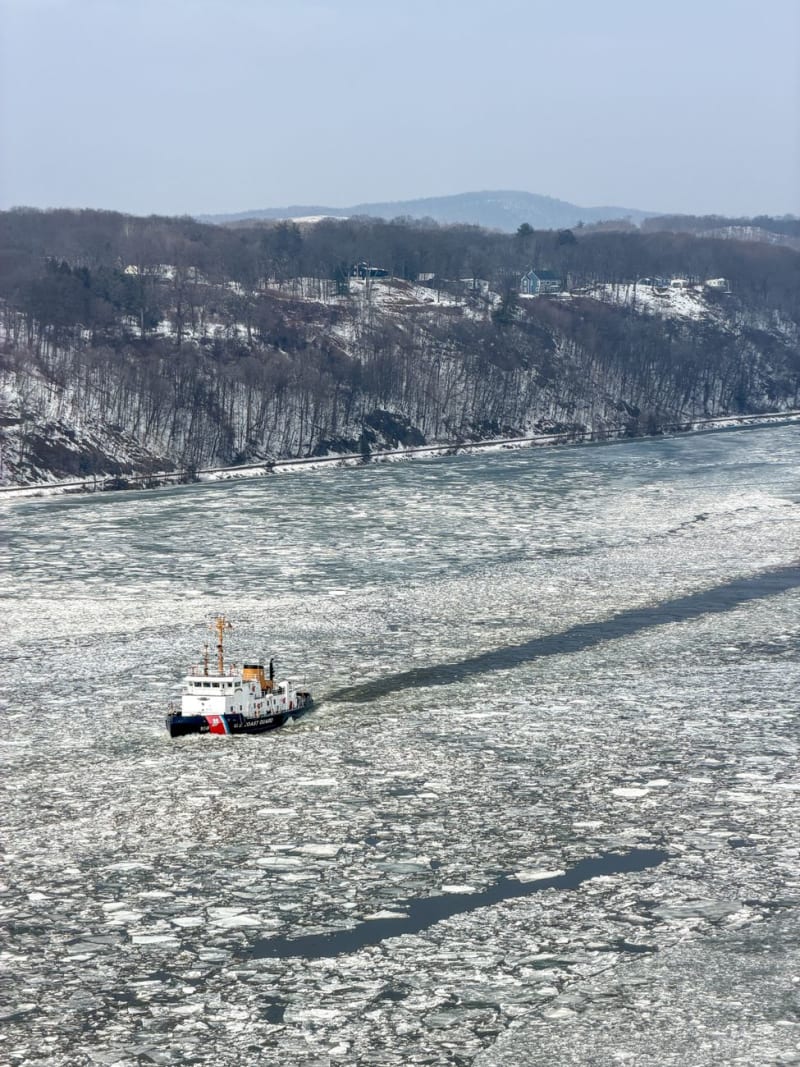 united-states
Tarrytown
A Hudson River village steeped in Washington Irving's ghost stories, where a Gilded Age castle and a rambling old estate sit within walking distance of a Main Street strung with autumn lights. Lia and I chased the Headless Horseman's route at dusk and came away convinced this stretch of the Hudson Valley invented American gothic.
Explore