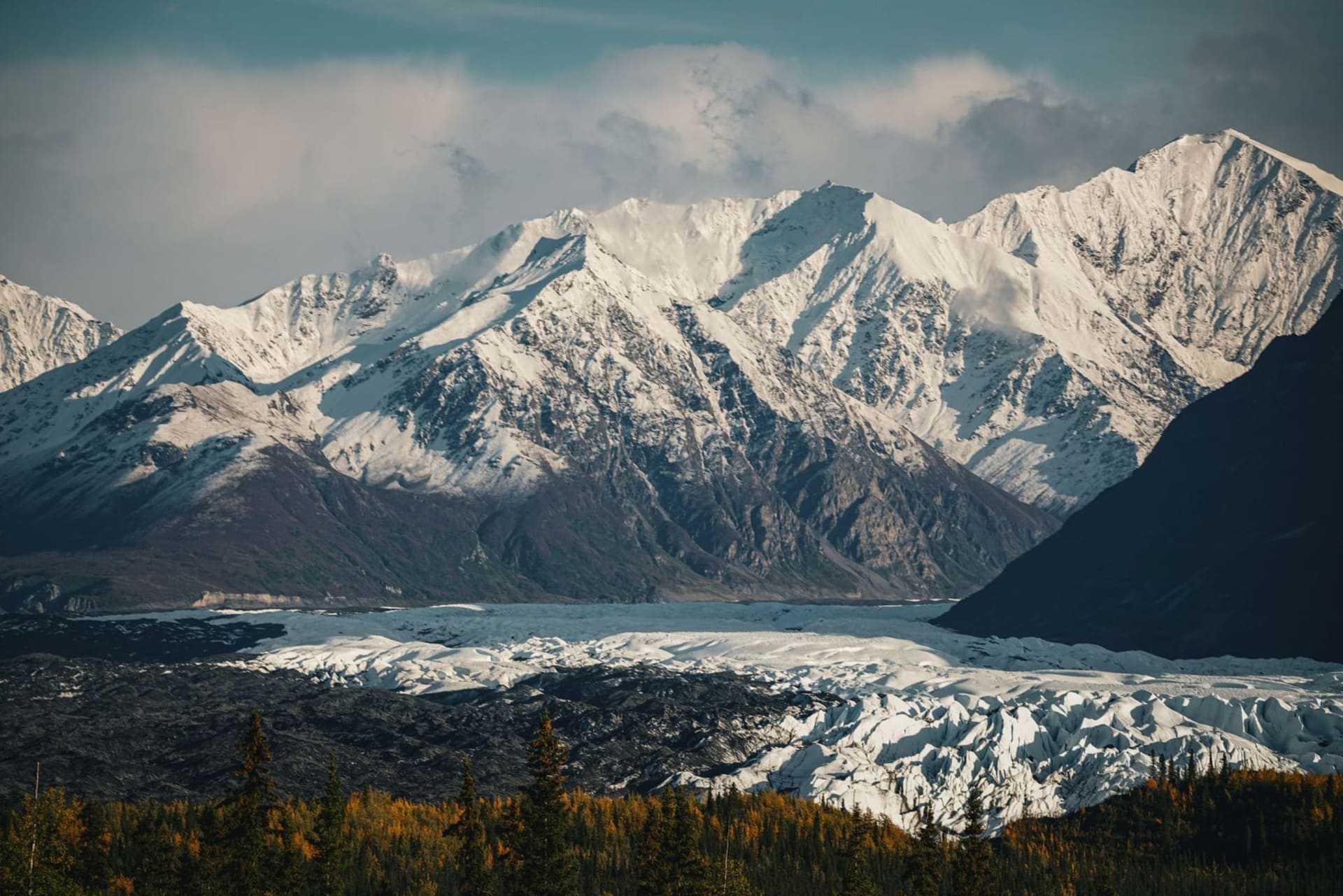
Going-to-the-Sun Road threads through alpine meadows and ice-carved peaks before the glaciers are gone for good.

I kept thinking about the word remaining. Remaining glaciers. Remaining ice. The park was named for something that is leaving, and driving Going-to-the-Sun Road with that knowledge sitting in the back seat changes the quality of the light — makes the white fields on Clements Mountain feel both more beautiful and more precarious than they would otherwise.
The Road That Earns Its Name
We entered from the west side at Apgar, where Lake McDonald stretches out in improbable shades of teal and jade, its floor covered in painted rocks smoothed to the color of old bruises. Lia stopped at the first pullout and refused to move for twenty minutes. I didn’t argue. The water has the quality of glass left in a cold room — it doesn’t quite look real, and touching it confirms that it is absolutely, bone-achingly real.
Going-to-the-Sun Road climbs from the valley floor toward Logan Pass at 2,026 meters, cutting along cliffs where the stone is brick-red and rust-colored, layered like sediment in a jar. The hairpin above the Loop overlook offers a view down the McDonald Creek drainage that made me feel briefly unimportant in the best possible way. Marmots sat on boulders near the road without any apparent concern for traffic.
What Happens at Logan Pass
At the pass itself, the world flattens into alpine tundra — short grass, wildflowers in late July, a boardwalk trail leading toward Hidden Lake Overlook. The surprise came here: mountain goats. Not one or two spotted distantly through binoculars, but a small herd moving through the parking lot with the casual authority of locals. A mother and kid crossed within arm’s reach of the trailhead sign. Nobody directed them. Nobody needed to. This was their terrain and we were the anomaly.
The hike to Hidden Lake takes roughly ninety minutes out and back. The lake itself, when it reveals itself below the overlook, is the blue-green of a dream you can’t quite hold — ringed by talus, shadowed by heavy peaks, and just far enough away to feel earned.
East Side Light
Returning via the St. Mary entrance, the landscape changes register entirely. The peaks grow more severe, the valleys wider. Two Medicine Road leads to a quieter lake the tour buses skip, and the late-afternoon light there came in at an angle that turned the water gold for about four minutes before it moved on.
When to go: Mid-July through early September for open road conditions and full access to Logan Pass — Going-to-the-Sun Road typically opens to vehicles in late June but is sometimes restricted until July. Crowds thin noticeably after Labor Day and the light in early September is extraordinary.
Keep exploring
More of Montana
Keep exploring
More from Montana
 united-states
Whitefish
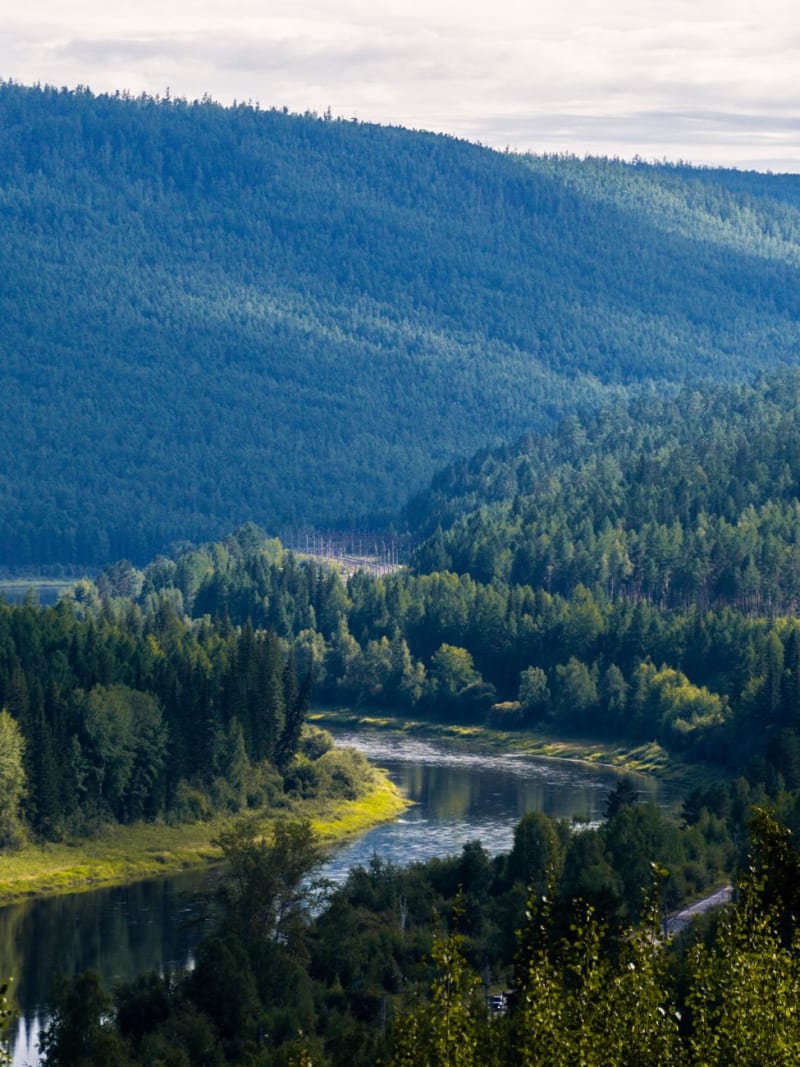
A former railway and timber town remade into Glacier National Park's most charming basecamp, with a lake for summer and a mountain for winter. Lia and I arrived thinking we'd stay one night before the park and ended up lingering by the water, reluctant to leave a town this easy to like.
Explore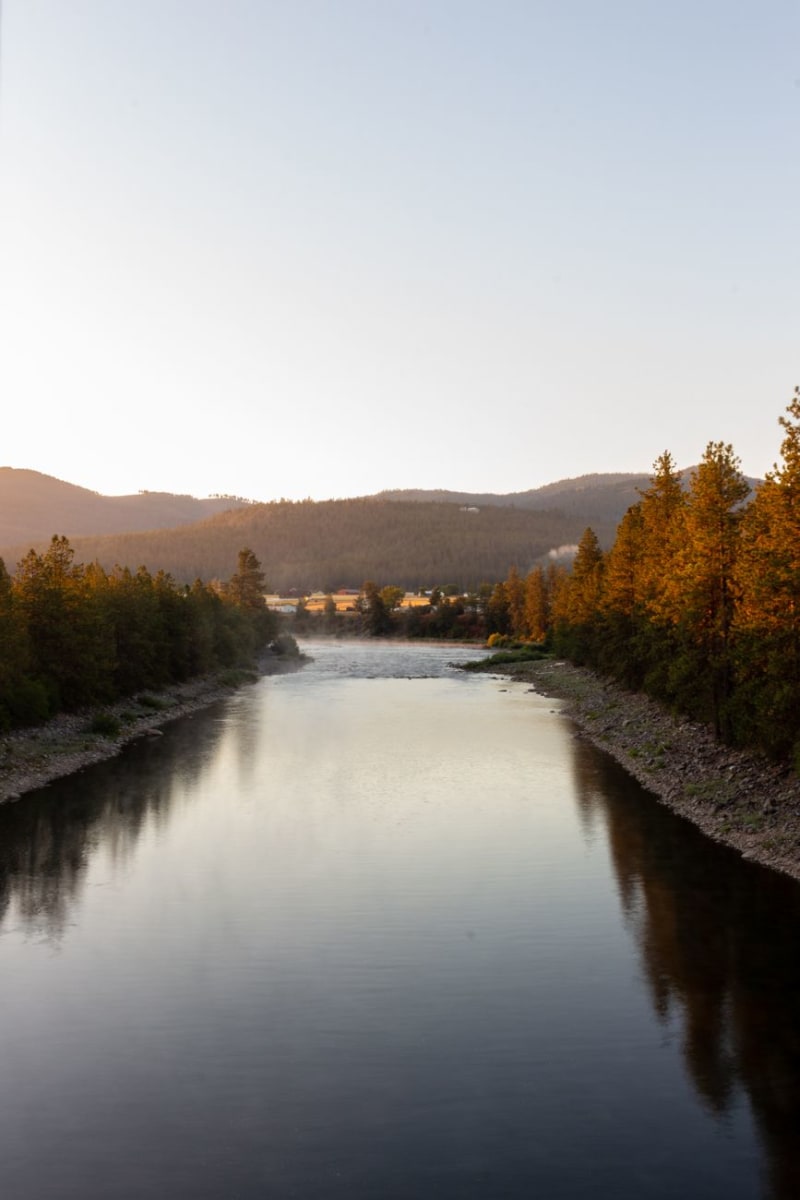 united-states
Kalispell
A lively valley town at the foot of Glacier National Park, ringed by orchards, cherry stands, and the cold blue sweep of Flathead Lake. Lia and I used it as our basecamp for the mountains and left having fallen just as hard for its downtown breweries and Sunday farmers market.
Explore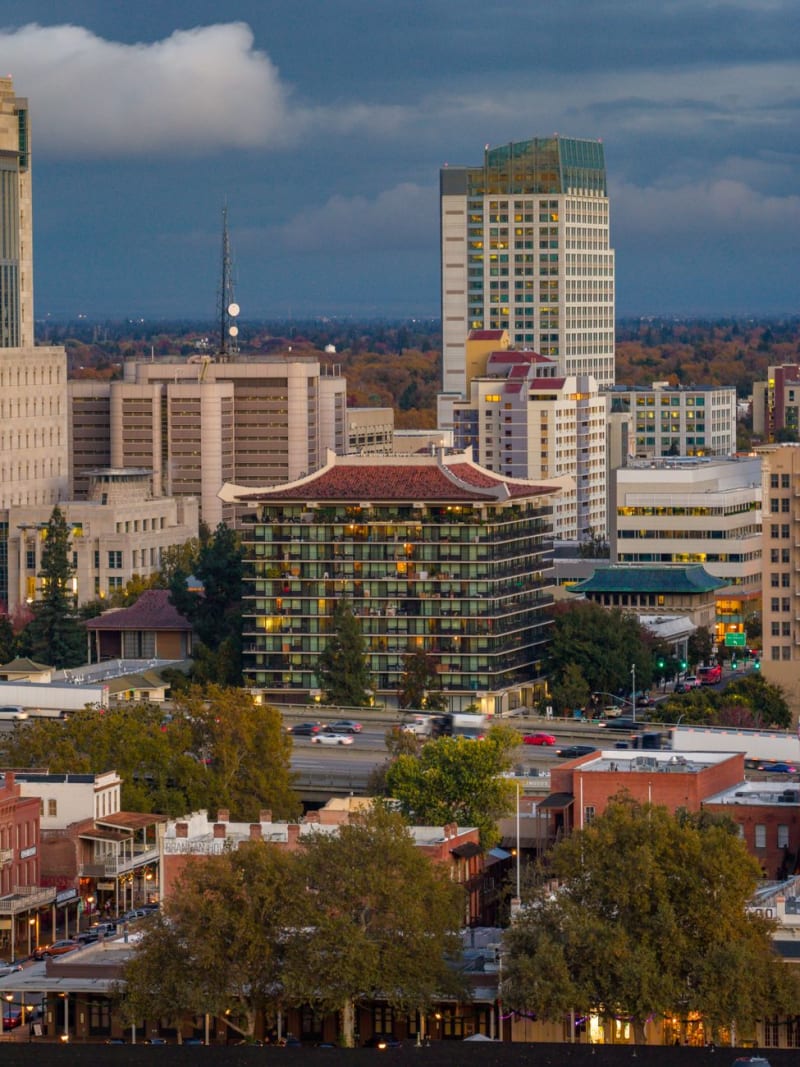 united-states
Missoula
Five valleys converge on this river-braided college town, where the Clark Fork runs right through downtown and hiking trails climb out of neighborhood backyards. Lia and I spent our days chasing farmers-market pastries and river light, and left with sore calves and a genuine fondness for a place that reads like Missoula more than the Wild West.
Explore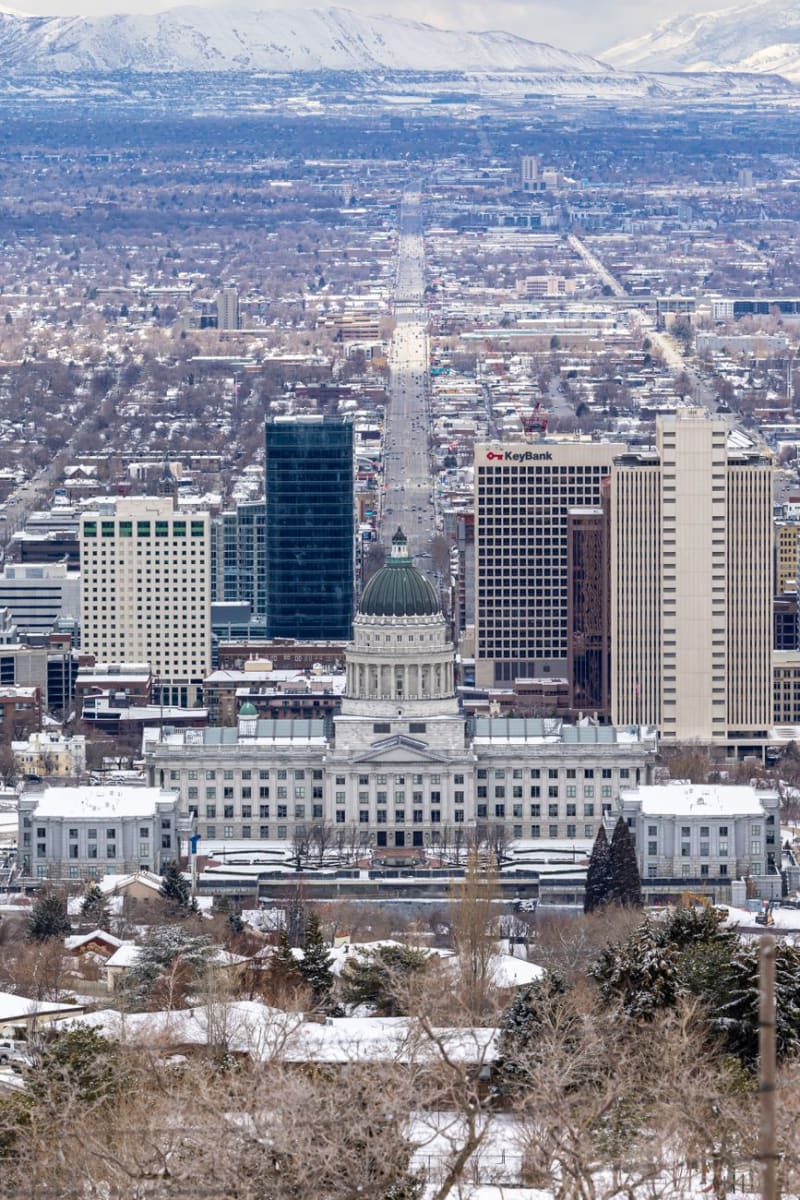 united-states
Helena
Montana's gold-rush capital, where a crooked pedestrian street called Last Chance Gulch still traces the exact path miners once panned for color. Lia and I hiked Mount Helena at sunrise, wandered brick alleys built on buried sluice channels, and felt the whole city holding its breath under a cathedral spire.
Explore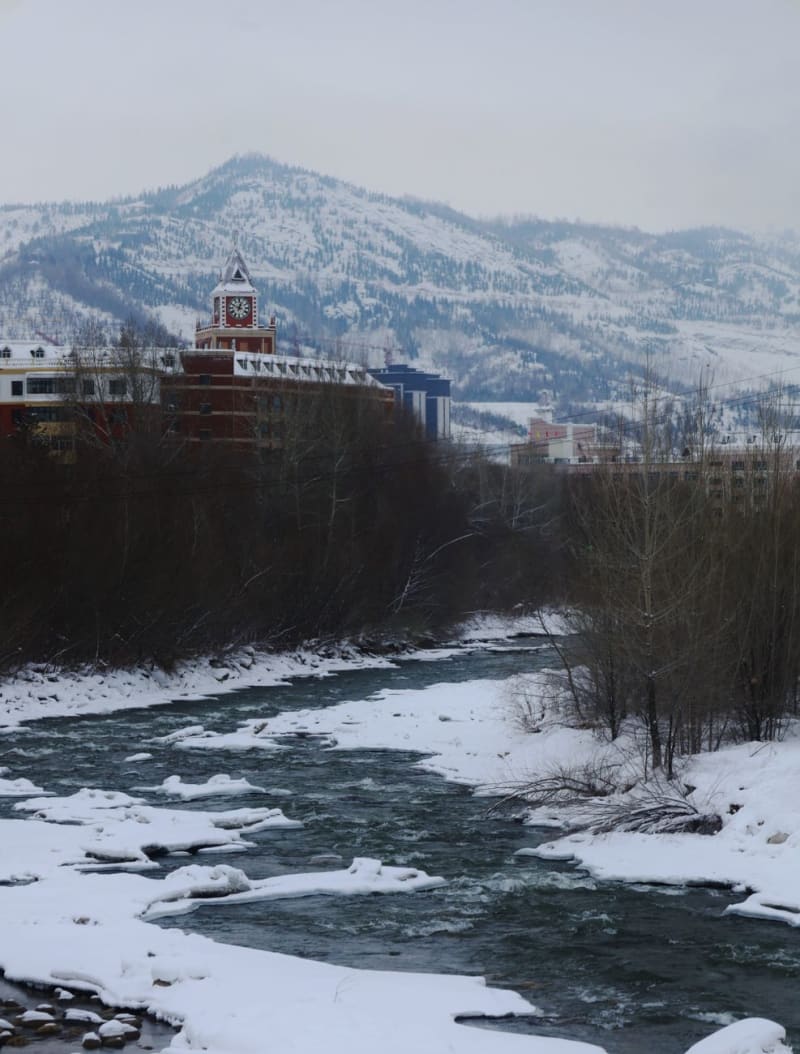 united-states
Bozeman
A ranching town turned mountain-town darling, wedged between the Bridger Range and the Gallatin Valley's hayfields. Lia and I came through on our way to Yellowstone and lingered three extra days, pulled in by trout-stream mornings, dinosaur bones, and a Main Street that still smells faintly of sawdust and espresso.
Explore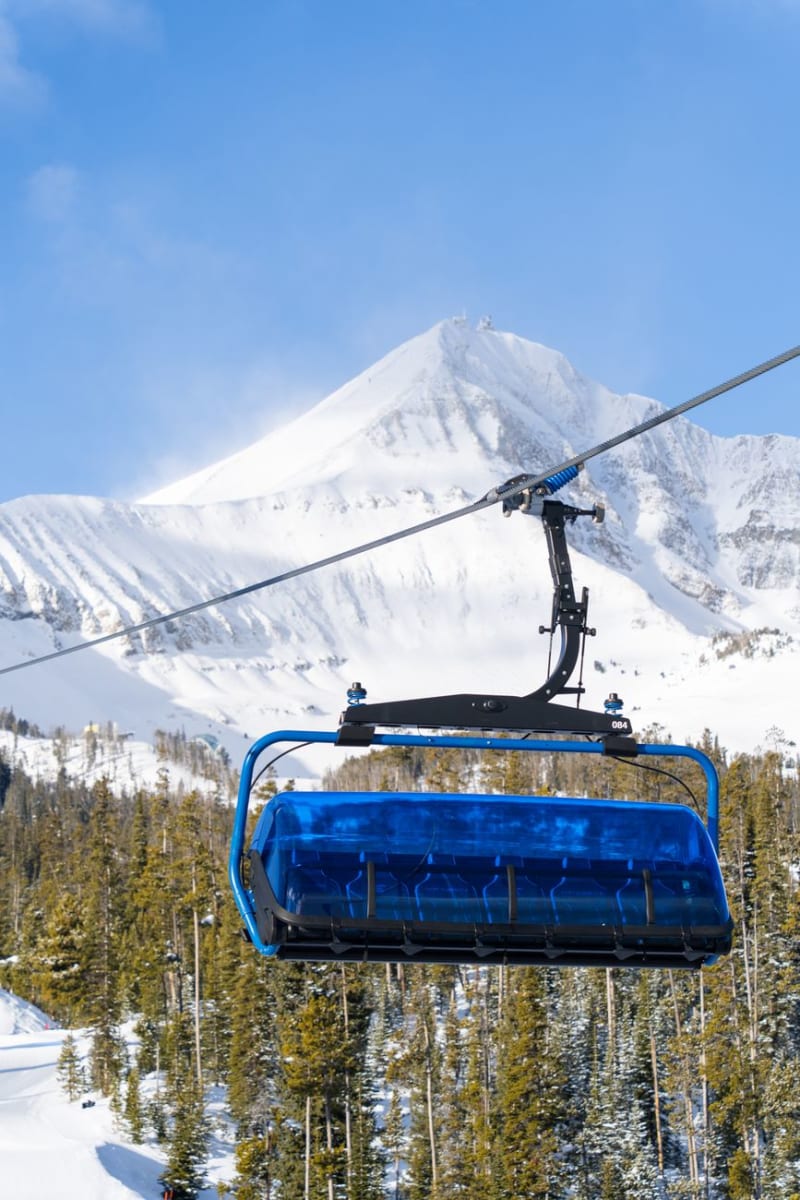 united-states
Big Sky
A young resort town beneath Lone Peak's granite summit, built around skiing but ringed by the Gallatin River, elk herds, and a straight shot into Yellowstone. Lia and I stood on a lift line one clear morning and simply couldn't stop pointing at the mountains stacking up in every direction.
Explore