
Pigeon Forge
"Lia asked me, deadpan, whether we'd accidentally driven into a theme park that also happened to contain a town, and I genuinely didn't have a good answer."
A neon-lit mountain resort strip built almost entirely around Dolly Parton's Dollywood, equal parts kitsch and genuine Appalachian pride.

I’ll admit I went to Pigeon Forge expecting to roll my eyes the whole time, and for about the first hour on the parkway I did. Go-kart tracks, mini-golf castles, a giant Titanic replica jutting out of a building like it’s mid-sink, pancake houses stacked three to a block. It’s the most maximalist stretch of American road I’ve driven since a trip through Orlando years ago. But then you turn off the main strip toward Dollywood itself and something shifts — the whole town starts making sense once you understand it’s basically Dolly Parton’s love letter to the mountains she grew up poor in, built one ride and one bluegrass stage at a time since 1986.
We spent a full day inside the park and I want to be honest: I went in cynical and came out humming. The Smoky Mountain-themed craft demonstrations, the actual working blacksmiths and candy-makers, the wooden roller coasters threaded through real forest — it’s Disney-adjacent but with a specific regional soul that Disney could never fake. Dolly’s presence is everywhere without being oppressive, more like a beloved aunt who happens to own the place than a corporate mascot.

Outside the park, Pigeon Forge exists in a strange, likable tension with the actual Smoky Mountains looming right behind it. You can eat a twelve-dollar funnel cake at 2pm and be hiking a genuinely quiet trailhead by 3:30, because the national park entrance is basically at the end of the strip. Lia and I did exactly that on our second day — fled the traffic and the outlet malls for a short waterfall hike, came back down starving, and ended up at a lodge-style buffet that served fried catfish alongside biscuits the size of my fist.

What surprised me most was how much local, working-class Tennessee still runs underneath the tourist gloss. Talk to the staff at Dollywood for more than thirty seconds and half of them grew up in these hollers, went to school with Dolly’s relatives, or worked the same shift their parent worked twenty years earlier. It gave the whole trip a texture I hadn’t expected from a place that, on paper, sounded like pure tourist trap. I left thinking Pigeon Forge is dumb in the best possible way — unapologetic, a little tacky, and completely sincere about it.
When to go: Aim for late September to October, when the parkway crowds thin slightly and the Smokies behind the strip turn full autumn color; peak summer means real traffic and real heat.
Keep exploring
More from Tennessee
 tennessee
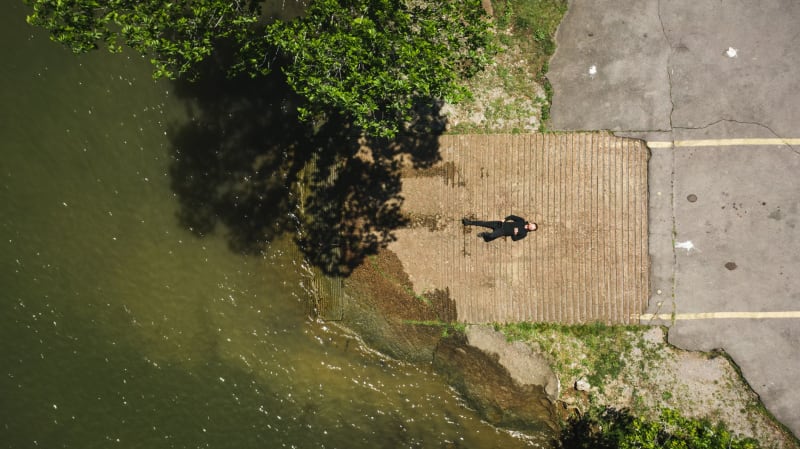
 Reelfoot Lake
A lake that didn't exist before 1812, formed when a series of earthquakes so powerful they rang church bells in Boston caused the Mississippi to run backward and flood 15,000 acres of cypress forest — the trees are still standing.
Explore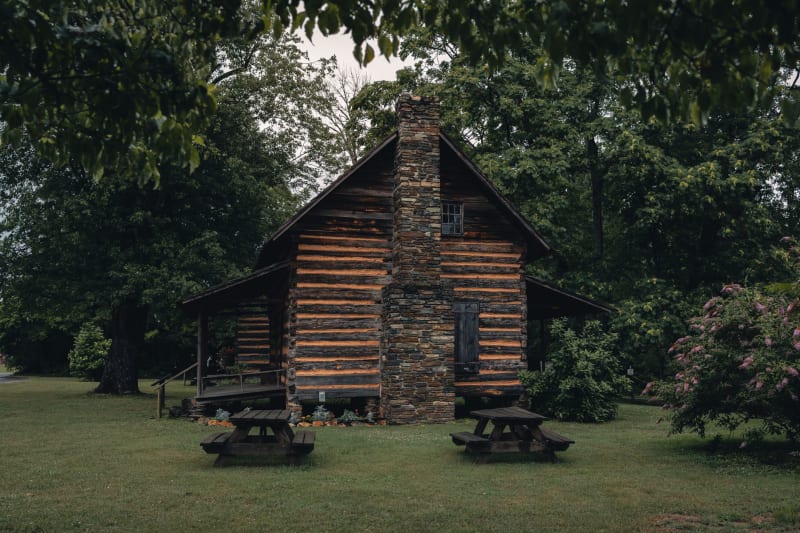 tennessee
 Shiloh
A national military park on the Tennessee River where 23,746 men were killed, wounded, or missing in two April days in 1862 — and where the land itself, quiet and green, still holds the shape of what happened.
Explore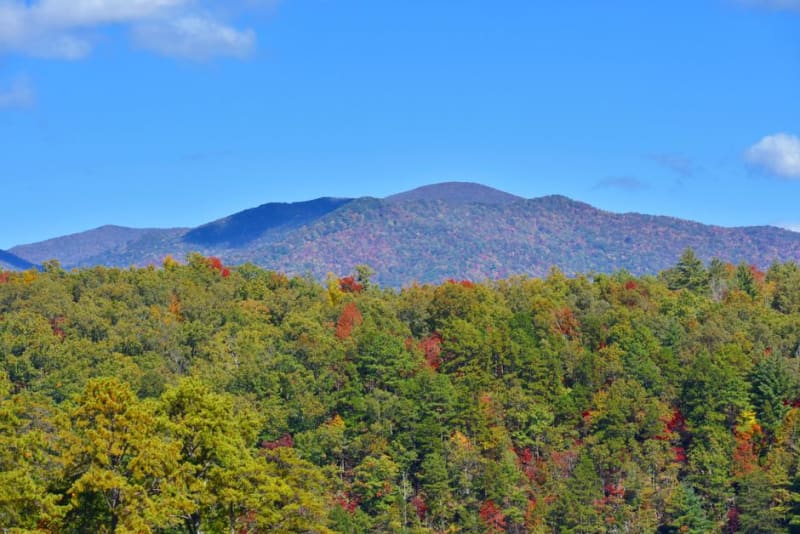 tennessee
 Cades Cove
A hushed Smoky Mountains valley ringed by ridgelines, still holding 19th-century log cabins, churches, and grazing white-tail deer at dawn.
Explore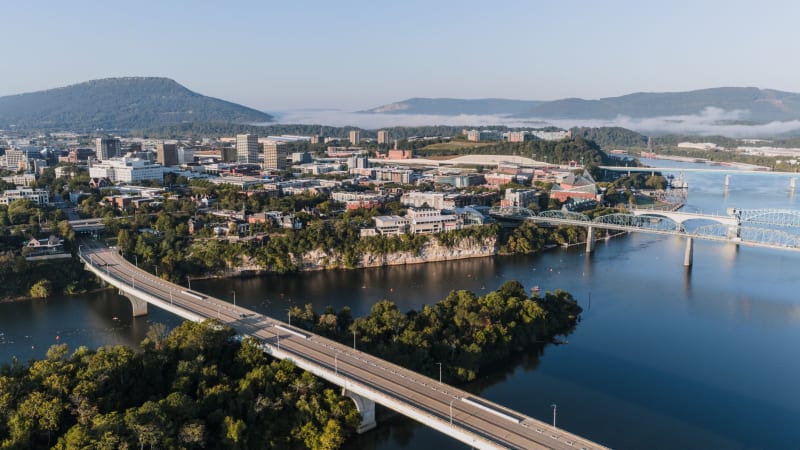 tennessee
 Chattanooga
A former industrial city that rebuilt itself around the Tennessee River and a surprisingly good arts scene, with Lookout Mountain rising above it all like a promise someone actually kept.
Explore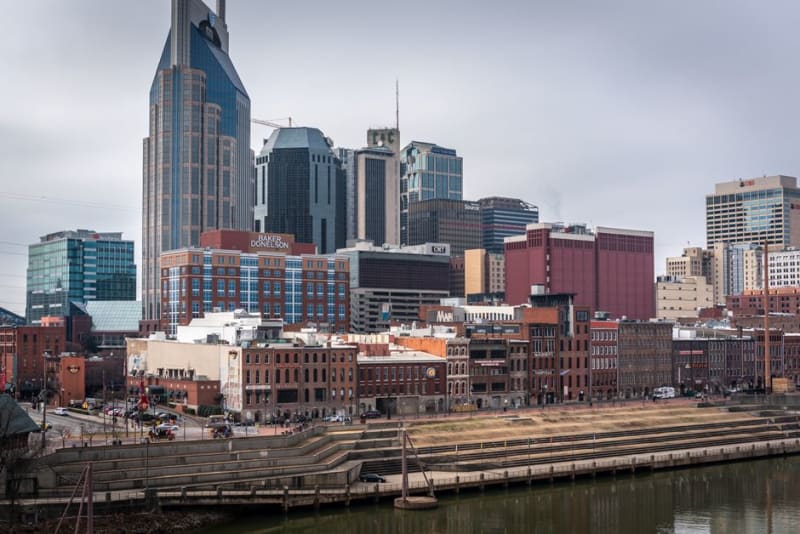 tennessee
 Clarksville
A riverside city on the Cumberland River shaped by the rhythms of nearby Fort Campbell, with a walkable historic downtown and unexpected honesty.
Explore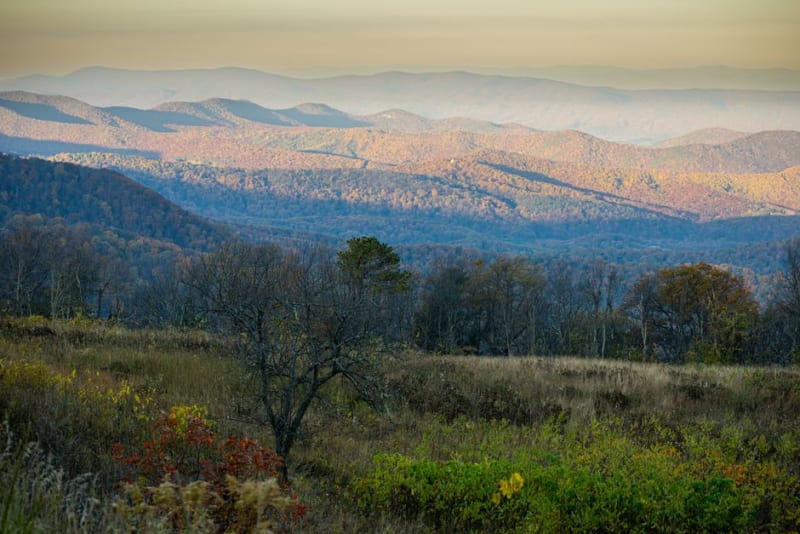 tennessee
 Cumberland Gap
A forested mountain pass where Daniel Boone's Wilderness Road once carried thousands of settlers west, still straddling three states in quiet wilderness.
Explore