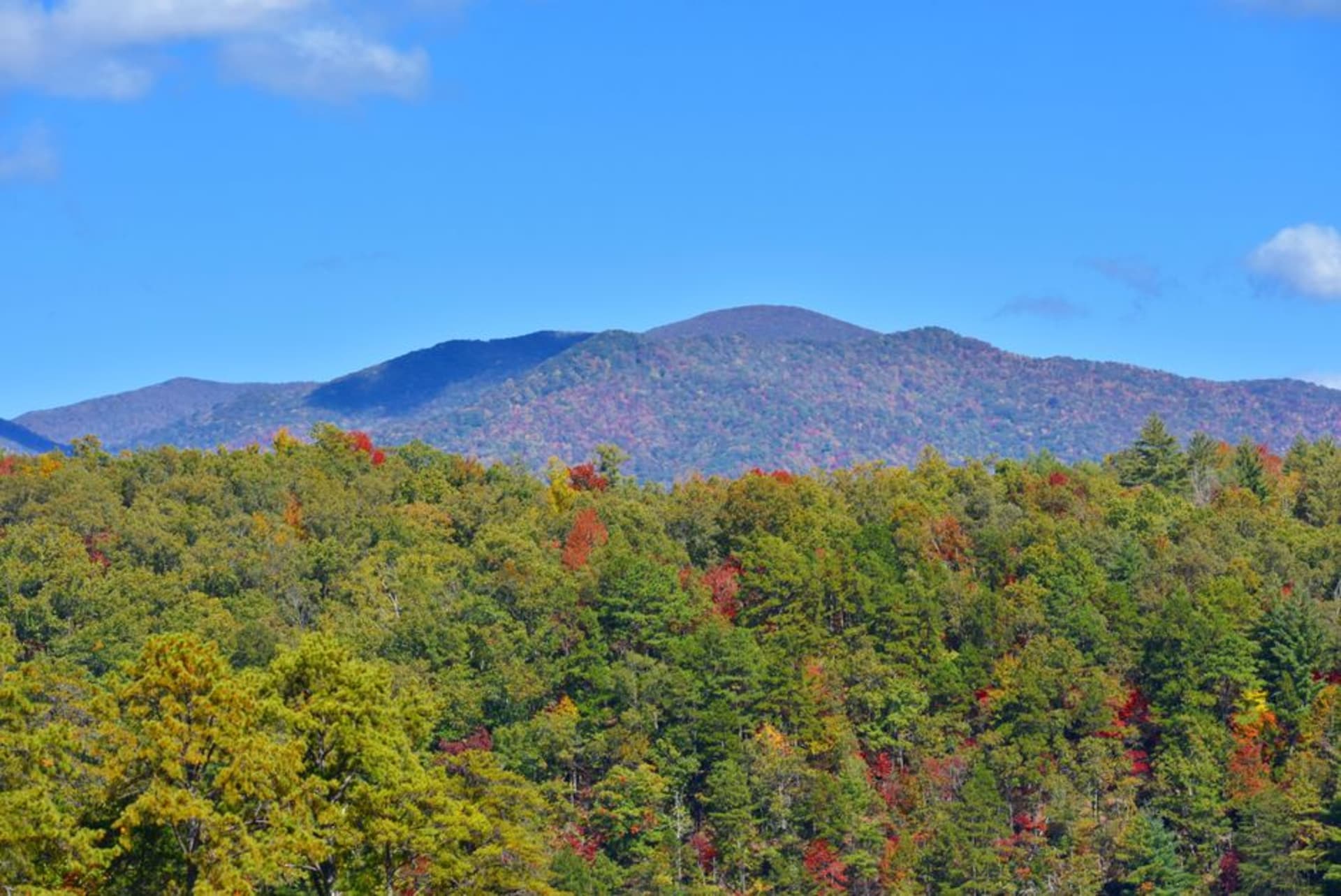
Cades Cove
"We rolled down the windows on the loop road at sunrise and the only sound for a full minute was mist moving off the grass."
A hushed Smoky Mountains valley ringed by ridgelines, still holding 19th-century log cabins, churches, and grazing white-tail deer at dawn.

Cades Cove is the kind of place that makes you drive slower than you meant to, mostly because the eleven-mile loop road forces it, but partly because you genuinely don’t want to miss anything. It’s an eleven-mile one-way circuit through a broad, flat valley tucked inside the Great Smoky Mountains, and it still holds the log cabins, barns, and clapboard churches that Appalachian families built here through the 1800s before the government relocated the last residents to create the national park in the 1930s. Lia and I got there right at opening, on the advice of a ranger who told us bluntly that arriving after 9am on a weekend meant sitting in a two-hour traffic crawl behind camera-toting cars stopped for every deer.
The early start paid off. We had the John Oliver cabin nearly to ourselves, this squat, dark, single-room log house from the 1820s that somehow still smells faintly of woodsmoke and old timber. Standing inside it, low ceiling brushing my head, I found myself doing the math on how a family actually lived in one room through a Tennessee winter, and coming up short on an answer that didn’t sound miserable. There are three separate historic churches on the loop too, simple white frame buildings with small graveyards out back, and reading the names and dates on those headstones — entire families lost to the same illness in the same month — says more about mountain life here than any placard does.

Wildlife is the other headline here, and it’s not exaggerated. We saw a black bear ambling along the tree line about two hours in, close enough that the whole line of cars stopped dead, hazards flashing, everyone rolling down windows with phones out. Deer are almost a given — we counted at least fifteen grazing in the open fields by mid-morning, utterly indifferent to the cars. It struck me as one of the few places in the eastern US where you can watch actual megafauna behave like the road is the intrusion, not them.

By the time we finished the full loop, close to three hours had passed even without major stops, and I understood why locals treat this drive almost like a pilgrimage rather than a sightseeing detour. It’s slow, it’s crowded by midday, and it’s absolutely worth the early alarm.
When to go: Go at first light, ideally on a weekday in May or October, to beat both the traffic and the midday heat while still catching wildlife at their most active.
Keep exploring
More from Tennessee
 tennessee
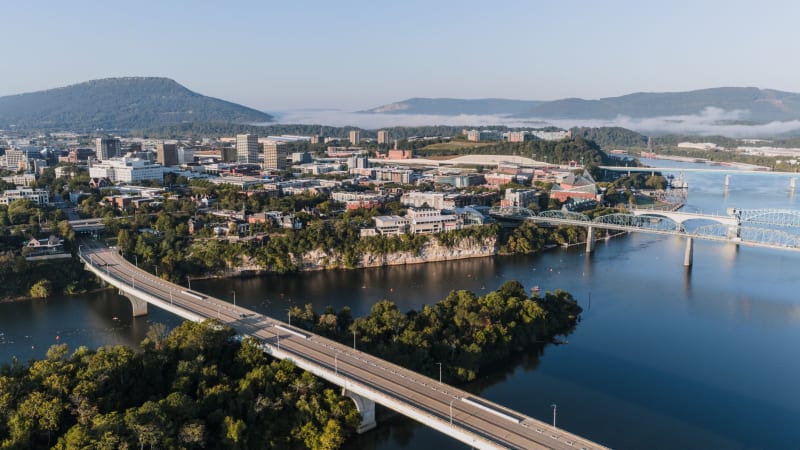
 Chattanooga
A former industrial city that rebuilt itself around the Tennessee River and a surprisingly good arts scene, with Lookout Mountain rising above it all like a promise someone actually kept.
Explore tennessee
 Clarksville
A riverside city on the Cumberland River shaped by the rhythms of nearby Fort Campbell, with a walkable historic downtown and unexpected honesty.
Explore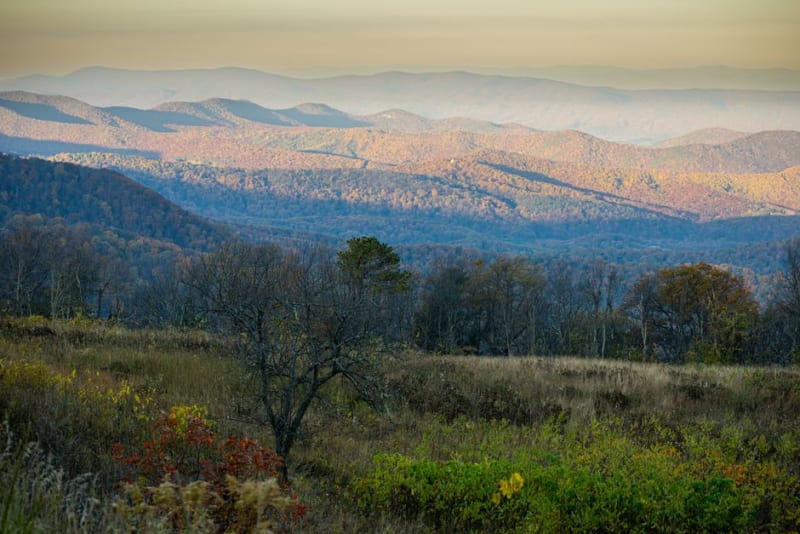 tennessee
 Cumberland Gap
A forested mountain pass where Daniel Boone's Wilderness Road once carried thousands of settlers west, still straddling three states in quiet wilderness.
Explore tennessee
 Franklin
A Civil War battlefield town with a Main Street pretty enough to distract you from the fact that some of the bloodiest five hours in American history happened in its front yards.
Explore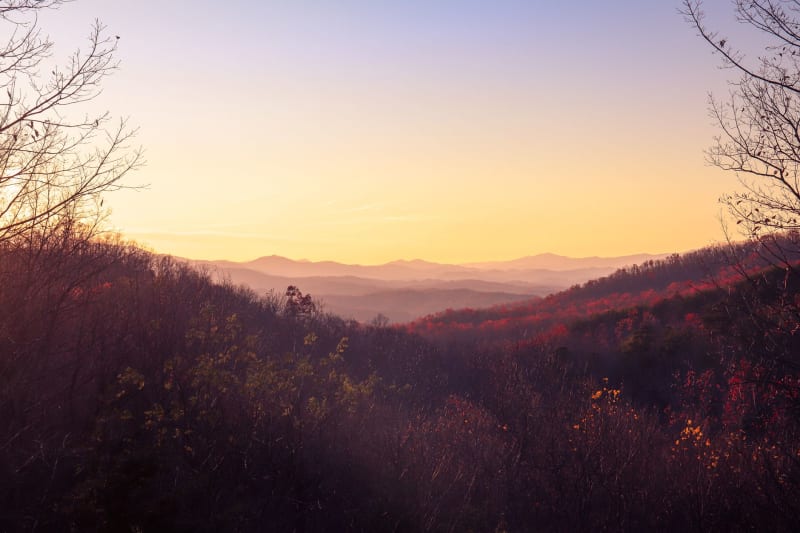 tennessee
 Gatlinburg
The mountain resort town that is fully, unashamedly itself — pancake houses and moonshine tastings and a SkyBridge that deposits you 680 feet above a valley and dares you not to be impressed.
Explore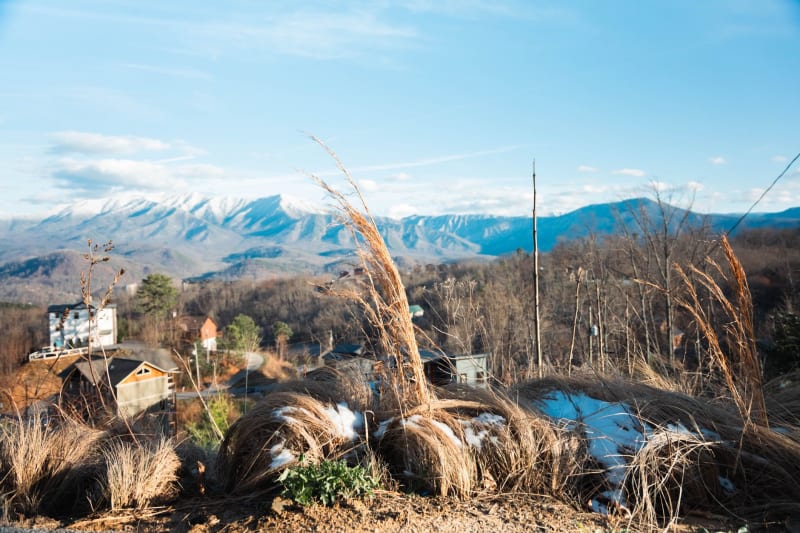 tennessee
 Great Smoky Mountains
The most visited national park in America earns its crowds with ancient ridgelines wrapped in blue haze, wildflower meadows that bloom in sequence all spring, and valleys that smell like wet earth and cedar.
Explore