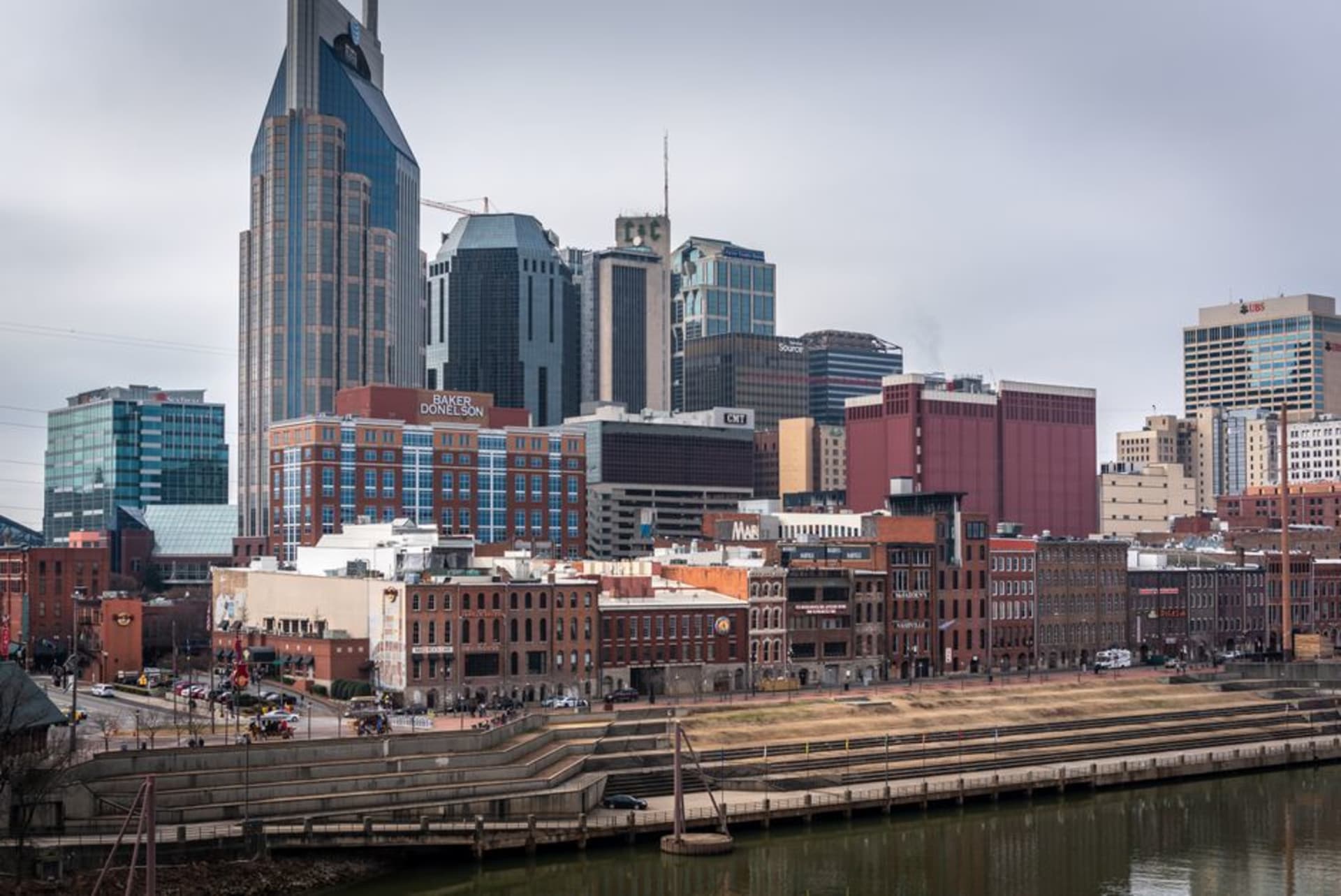
Clarksville
"The waitress at breakfast asked if we were 'here for a wedding or here for Campbell,' as if there were genuinely no third option."
A riverside city on the Cumberland River shaped by the rhythms of nearby Fort Campbell, with a walkable historic downtown and unexpected honesty.

Clarksville sits at the confluence of the Cumberland and Red rivers, and the water is honestly the first thing that won me over — a wide, brown, unhurried stretch of river with a pedestrian bridge crossing it that used to be a train trestle, repurposed into one of the better sunset-watching spots I found in the state. But the town’s real character comes from something a few miles out of sight: Fort Campbell, home to the 101st Airborne Division, straddling the Tennessee-Kentucky line just north of here. You feel Fort Campbell’s presence everywhere in Clarksville without necessarily seeing a single uniform — in the number of moving trucks parked outside apartment complexes, in the diners that open at 5am for shift workers, in how many businesses quietly offer a military discount without making a sign of it.
We stayed downtown near the courthouse, which has been rebuilt more than once after fires and a 1999 tornado that tore through the historic district, and there’s something almost defiant about how intact it feels now — red brick storefronts, a working train depot converted into a museum, a customs house that looks far too grand for a city this size. Lia and I ate dinner at a spot that had clearly been a hardware store in a previous life, exposed brick and old shelving still bolted to the walls, serving genuinely good Southern food to a mixed crowd of college students from Austin Peay and off-duty soldiers still in half their fatigues.

The next morning we walked the riverwalk along the Cumberland, past a small marina and a string of murals depicting the city’s tobacco-warehouse past, and ended up at the old customs house museum, which does a surprisingly candid job covering both the frontier fort history and the more uncomfortable chapters, including Clarksville’s role in the regional slave and tobacco trade. It’s not a flashy museum, but it didn’t flinch either, and I appreciated that more than I expected to.

What I left with was a sense of a city constantly recalibrating around a population that turns over fast — soldiers rotating in and out, families arriving for a two-year posting and then gone. That transience gives Clarksville a slightly restless, welcoming energy that a lot of more static small Southern cities don’t have.
When to go: Spring, when the riverwalk is green and comfortable, and before summer humidity settles over the Cumberland Valley.
Keep exploring
More from Tennessee
 tennessee
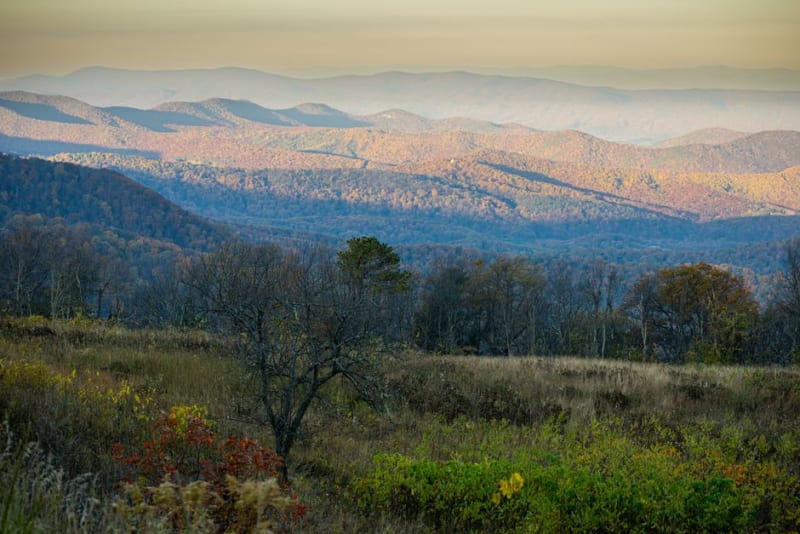
 Cumberland Gap
A forested mountain pass where Daniel Boone's Wilderness Road once carried thousands of settlers west, still straddling three states in quiet wilderness.
Explore tennessee
 Franklin
A Civil War battlefield town with a Main Street pretty enough to distract you from the fact that some of the bloodiest five hours in American history happened in its front yards.
Explore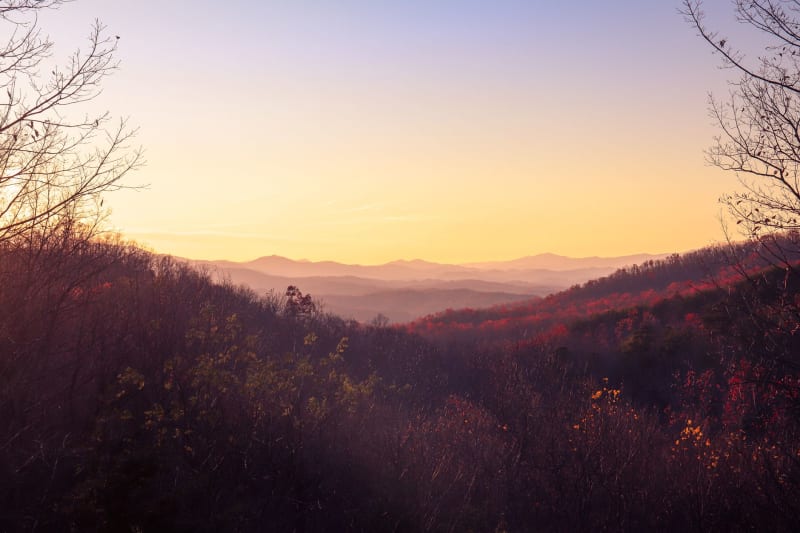 tennessee
 Gatlinburg
The mountain resort town that is fully, unashamedly itself — pancake houses and moonshine tastings and a SkyBridge that deposits you 680 feet above a valley and dares you not to be impressed.
Explore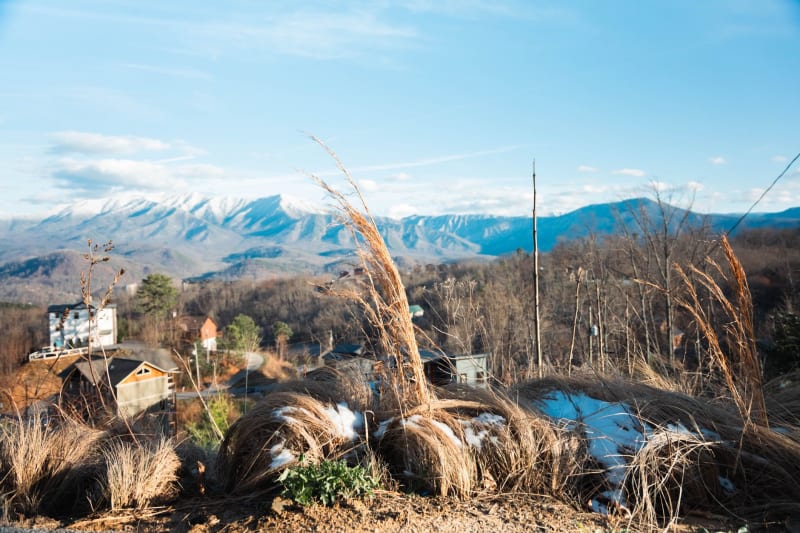 tennessee
 Great Smoky Mountains
The most visited national park in America earns its crowds with ancient ridgelines wrapped in blue haze, wildflower meadows that bloom in sequence all spring, and valleys that smell like wet earth and cedar.
Explore tennessee
 Jonesborough
Tennessee's oldest town, a perfectly preserved main street in the eastern hills that reinvented itself as the storytelling capital of the country.
Explore tennessee
 Knoxville
A college town that grew a real downtown while no one was watching, with a Market Square that hums on weekend mornings and a Tennessee River greenway that makes leaving feel unnecessary.
Explore