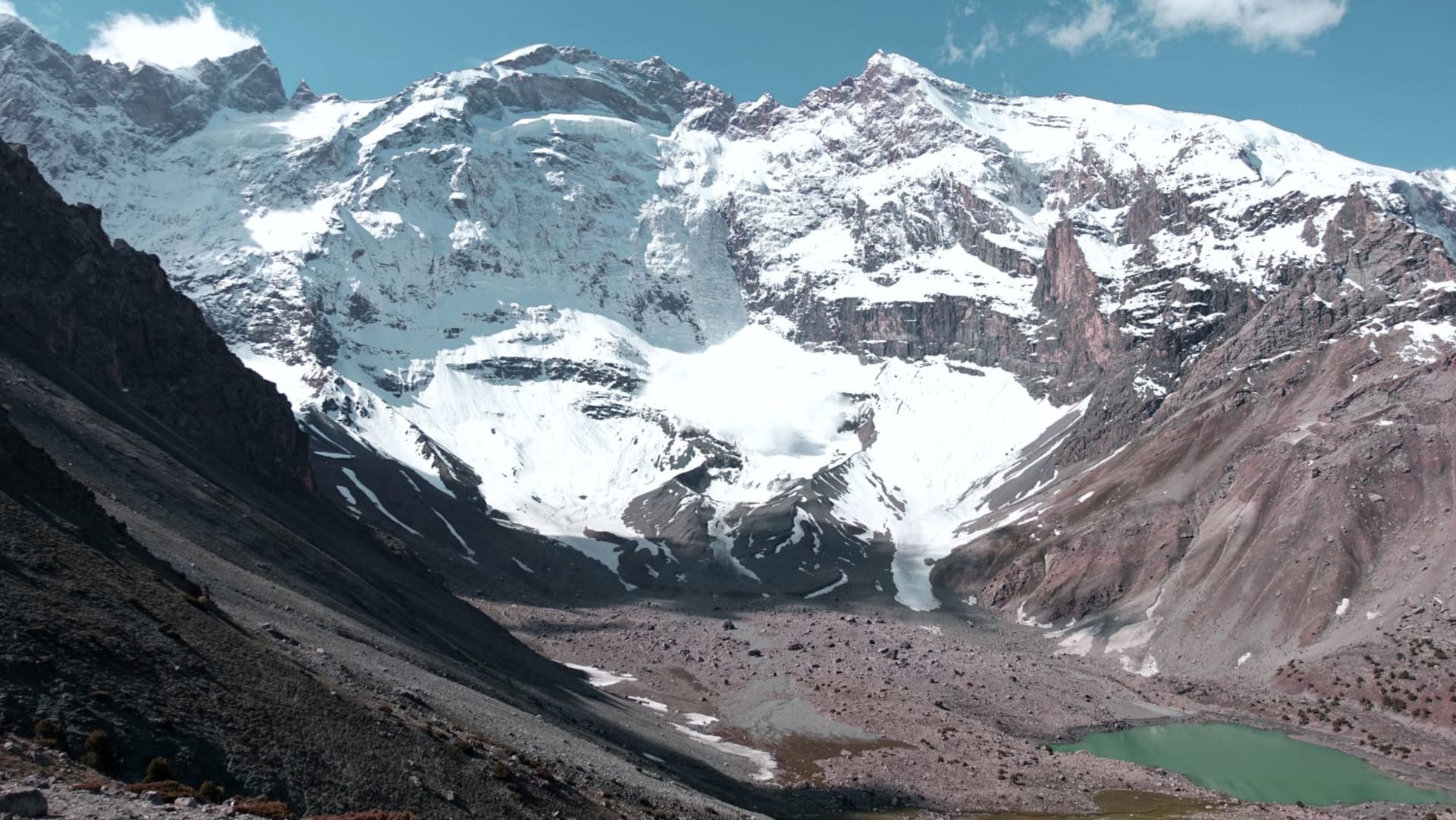
Penjikent
"The Sogdians built something extraordinary here, and then the Arabs came, and that was that."
A quiet Zeravshan Valley town sitting atop the ruins of a 5th-century Sogdian city whose painted walls ended up in the Hermitage.

Before Islam reached this valley, before the Silk Road cities were reduced and rerouted, there was a Sogdian merchant town called Panjakent that traded silk and silver and almost certainly ideas. In the 8th century it was sacked and burned and its population dispersed, and it passed out of documented history for about twelve hundred years until Soviet archaeologists began digging in the 1940s and found the frescoes.
The frescoes are why Penjikent matters. They showed a culture that was sophisticated and visually confident: hunting banquets, narrative scenes from what scholars believe are local epic poems, figures in elaborate textiles that don’t resemble anything you’d seen from that time and place. Most of the originals are in the Hermitage in St. Petersburg. What remains at the site is the architecture — the mud-brick walls, the fire temple, the merchants’ houses — but standing in those roofless rooms knowing what once covered the walls is its own experience.
The Archaeological Site
Ancient Penjikent sits on a bluff above the modern town, a ten-minute walk up a dusty path. The site is not well-equipped for visitors — there are minimal signs, limited shade, and the custodian who collects the small entrance fee may or may not be present — but it’s large enough to get genuinely absorbed in. The excavations continue, and some areas are roped off around active digs.
What strikes me about Sogdian architecture is the scale of the private houses. These were wealthy merchants, and their homes were built accordingly: multiple rooms, reception halls, and the evidence of those painted ceilings and walls that can only be inferred from the bare mud brick that remains. The fire temple is the most complete structure and gives the best sense of how the city organized its spiritual life before that life was reorganized for it.
The Museum
The Rudaki Museum in modern Penjikent holds copies of the most important frescoes and artifacts that couldn’t be taken to Leningrad. The reproductions are good enough to understand what you’re missing from the originals, and the layout — chronological, unhurried — rewards taking time with each room. The staff were knowledgeable and the English labeling was better than I expected.
The Zeravshan Valley
Penjikent’s setting is part of its appeal. The Zeravshan River runs through a valley that is green and agricultural in ways that feel almost Mediterranean: walnut trees, apricot orchards, terraced fields irrigating from channels that have been maintained since at least the Sogdian period. The mountains to the south rise quickly into the Fan range, and the trekking access from Penjikent — particularly to the Seven Lakes and Iskanderkul — makes it a reasonable base for combining archaeological and outdoor interests.
The town itself has a main bazaar, a few tea houses, and the kind of easy pace that comes from not being on any major tourist circuit. I ate dinner at a family guesthouse where the wife had made a lamb and vegetable stew with herbs from the garden and the husband wanted to talk about French football, which is a universal experience in certain latitudes.
Getting There
Penjikent is connected to Dushanbe by the Anzob tunnel road (five to seven hours by shared taxi) and lies close enough to the Uzbek border that Samarkand is a feasible day trip or onward destination. The combination of ancient Sogdian history here and Timurid history just across the border is one of Central Asia’s more intellectually satisfying itineraries.
When to go: April through October. Spring and autumn are ideal — mild temperatures, the orchards in fruit or blossom, and comfortable conditions for the archaeological site. Midsummer is hot but manageable. The road from Dushanbe through the Anzob tunnel can be difficult in winter.
Keep exploring
More from Tajikistan
 tajikistan
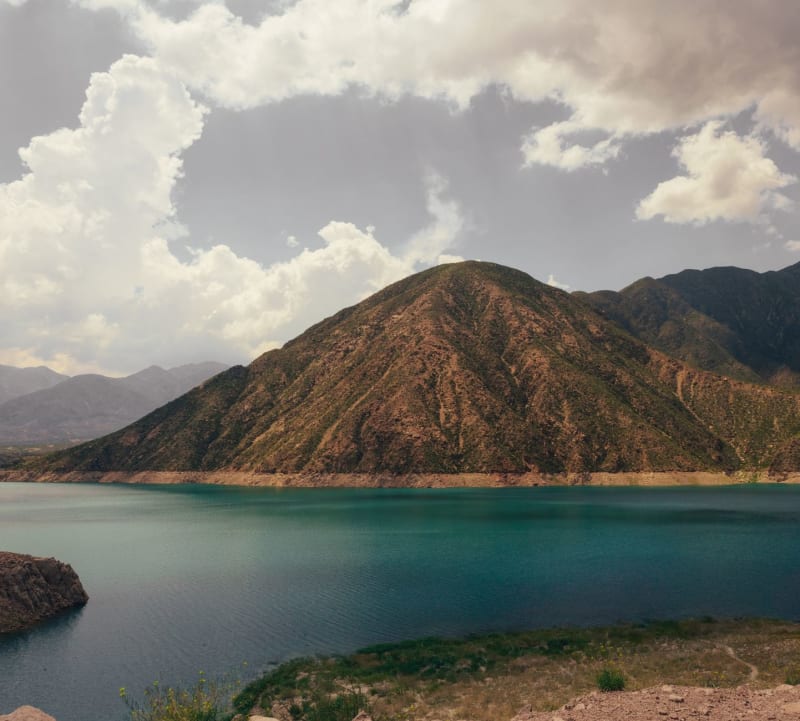
 Wakhan Valley
A narrow corridor between Tajikistan and Afghanistan where the Hindu Kush and Pamir ranges collide and time runs differently.
Explore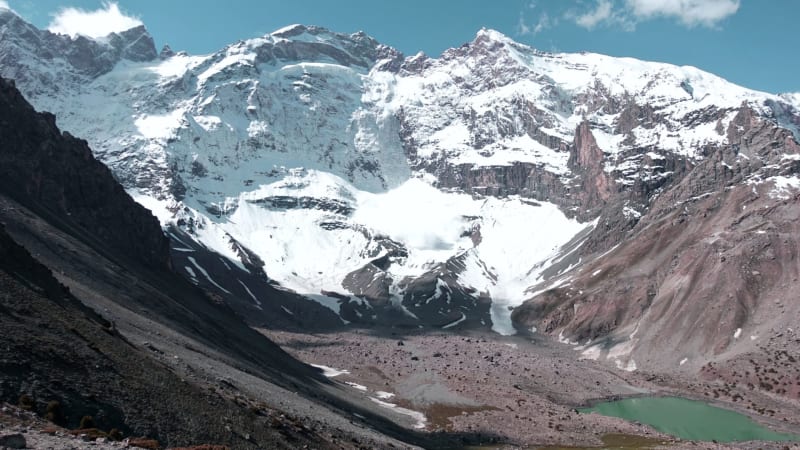 tajikistan
 Yagnob Valley
A remote mountain enclave where a few hundred villagers still speak Sogdian, the language of the ancient Silk Road merchants, essentially unchanged for 1,500 years.
Explore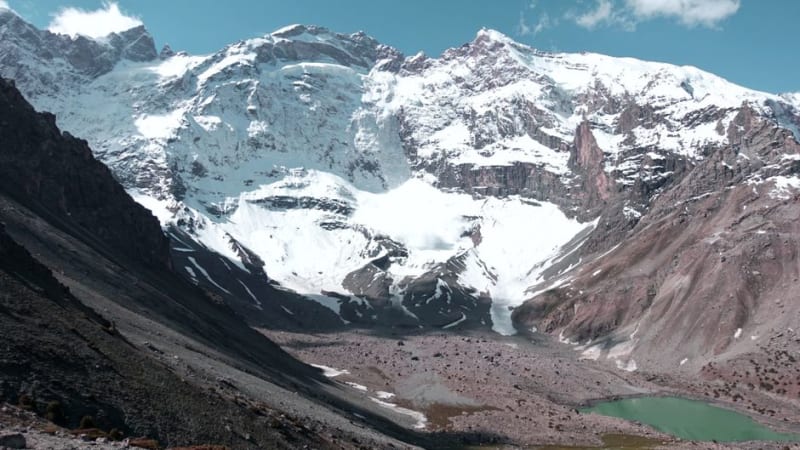 tajikistan
 Bulunkul Lake
A wind-flattened alpine lake on the Alichur Plateau where the water freezes solid and the nearby village claims the region's cruelest winters.
Explore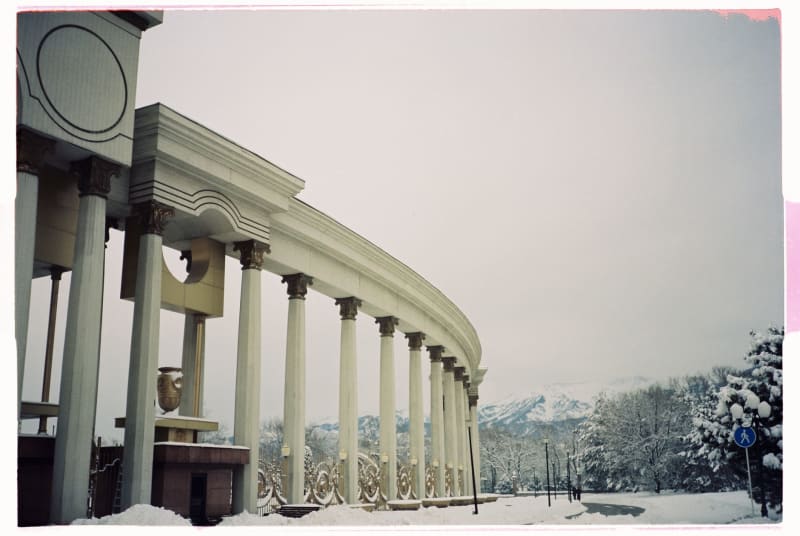 tajikistan
 Dushanbe
A Soviet-built capital where tea houses and Cyrillic signs share space with Persian poetry carved into marble facades.
Explore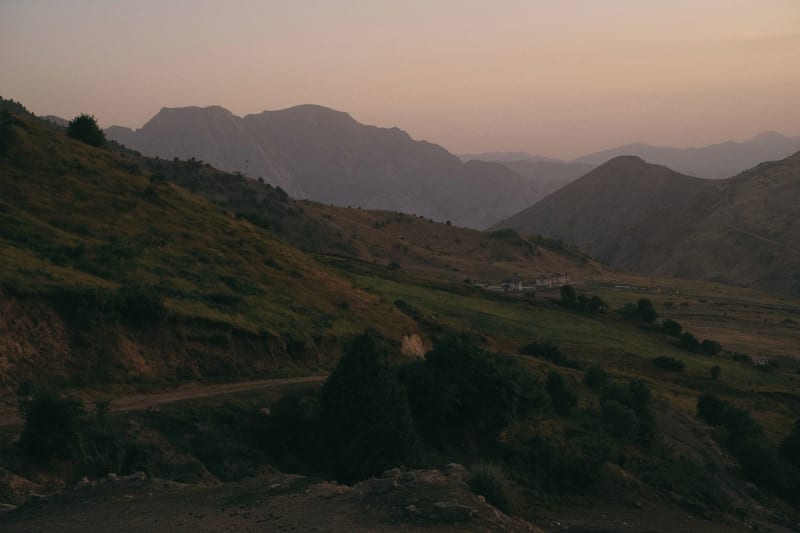 tajikistan
 Fan Mountains
A compact alpine world of turquoise lakes, 5,000-meter peaks, and trails that reward the effort with some of the most photogenic terrain in Central Asia.
Explore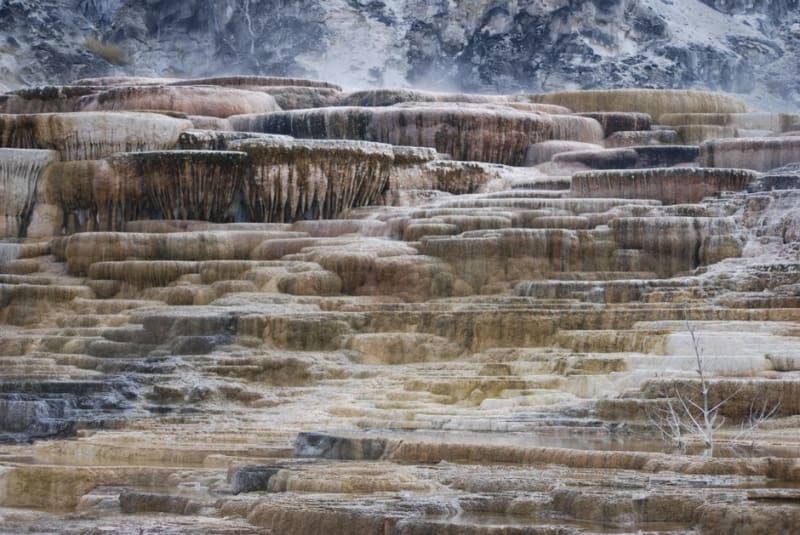 tajikistan
 Garm Chashma
Mineral-laden hot springs pouring down chalky travertine terraces in a narrow Pamir side valley, steaming even in a bitter wind.
Explore