Nurek
"The Soviets built enormous things here. This is one of the more beautiful ones."
A Soviet-built dam town on the Vakhsh River where one of the world's tallest earthen dams holds back a reservoir that turns improbable shades of green.

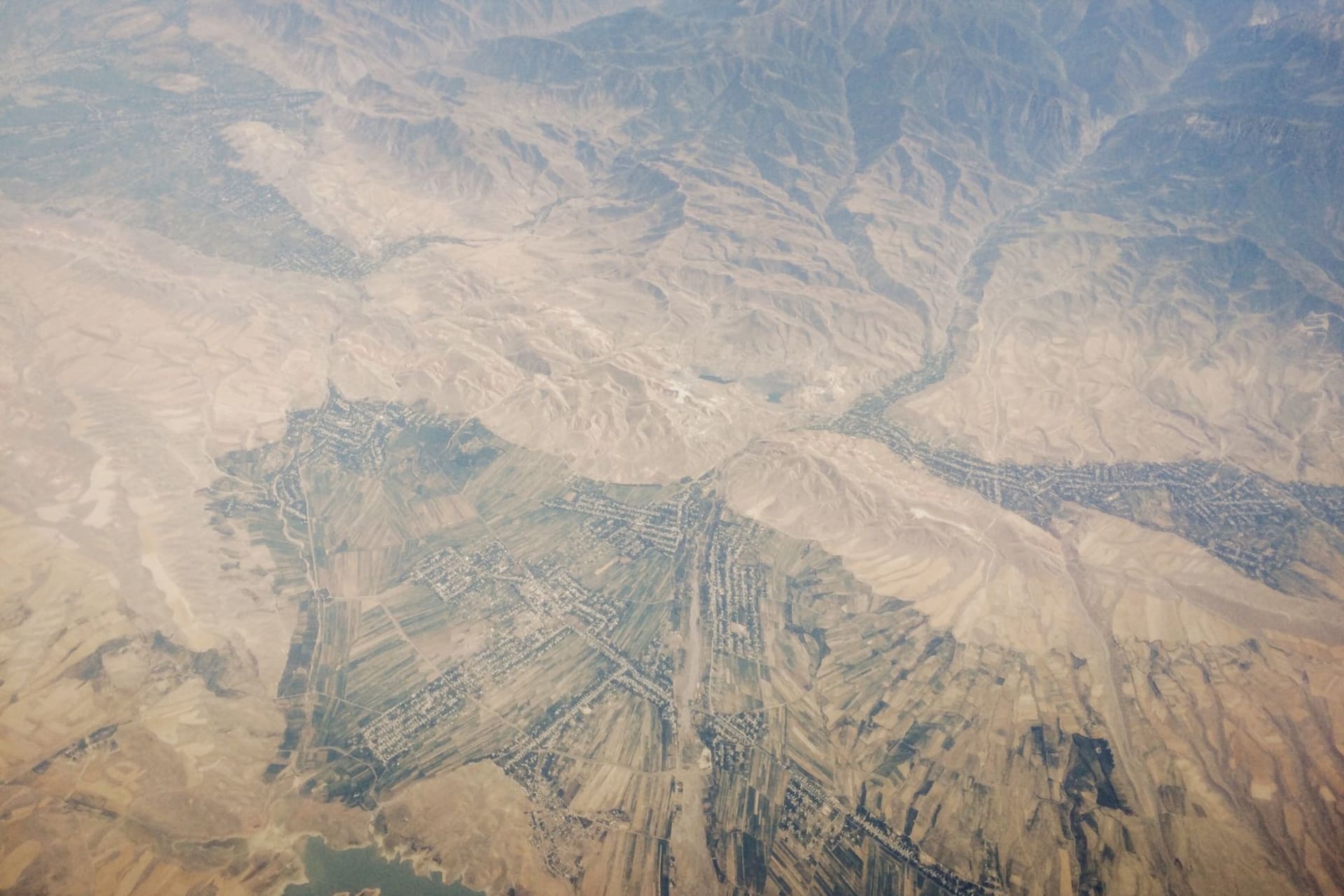
Nurek is not on most travelers’ itineraries, which is part of why I went. It sits about 70 kilometers southeast of Dushanbe on the road toward Kulob, and the reason for its existence is the dam — a 300-meter earthen structure completed in 1980 that was, for a period, the tallest of its type in the world. The reservoir it created is 70 kilometers long and colored a specific shade of jade green that I don’t have an adequate reference for. If you mixed turquoise with chlorophyll and added Soviet infrastructure, you’d approach it.
The Dam and Its Scale
Soviet hydraulic engineering projects are exercises in intentional awe. The Nurek Dam is no different: you arrive in a town that was built to house the workers who built the dam, and the dam itself is larger than your comprehension of it, which you don’t realize until you’re standing at the base looking up. The power station has been generating electricity since the 1970s and currently produces a significant fraction of Tajikistan’s power. The country is building an even larger dam, Rogun, upstream — another Soviet-era project that was interrupted and resumed, a reminder that these things operate on timescales longer than governments.
Access to the dam itself requires arranging a permit in advance through Barki Tojik, the national energy company, or through a Dushanbe agency. The permit is worth the bureaucratic effort for the view from the top of the structure.
The Reservoir
The water in the Nurek Reservoir has that quality of engineered landscapes that have been naturalized by time — it looks, four decades on, like it was always there. The hills around it have taken the shape the water created. Fishing communities have established themselves along the banks. The road along the southern shore offers a series of viewpoints where the scale of the thing becomes emotionally comprehensible in a way it isn’t from above.
Lia and I rented a small boat from a family on the reservoir’s western arm for an afternoon, puttering through water so clear we could see bottom at four meters. The hills on either side are dry and red-brown, which makes the green of the water more vivid by contrast. We had the water more or less to ourselves, which felt like an accident we should take advantage of before someone fixed it.
Nurek Town
The town itself is a Soviet new-build — that specific urban grammar of wide avenues, identical residential blocks, and public spaces designed for ideological purposes that now serve more quotidian ones. There’s a pleasant tree-lined central street and a culture house with a faded mural about hydroelectric power. Nurek has the slightly melancholy quality of settlements that were built around a specific industrial purpose and are now working out what they are without that animating energy.
But it also has the reservoir, which is enough. And it’s an easy day trip from Dushanbe, or a night en route to the southeast of the country.
Combining with Kulob
The road from Nurek continues southeast to Kulob, an older city with a significant shrine to the Sufi mystic Mir Sayyid Ali Hamadani that draws pilgrims from across the region. Kulob and Nurek together make a sensible two-day loop from Dushanbe, giving you both the Soviet industrial sublime and a more traditional Tajik religious and cultural stop.
When to go: Year-round, though spring (April–May) is particularly good when the hills around the reservoir are briefly green before the summer drought browns them. The reservoir is accessible any time the road is passable. Summer is hot in this lower-altitude valley — bring sun protection and start mornings early.
Keep exploring
More from Tajikistan
 tajikistan
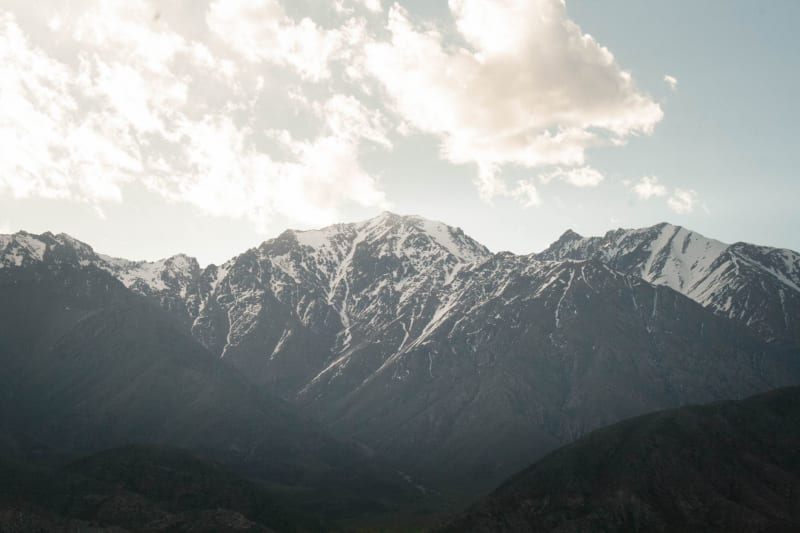
 Pamir Highway
The M41 is one of the world's highest roads — a 1,200-kilometer corridor of altitude, emptiness, and improbable hospitality.
Explore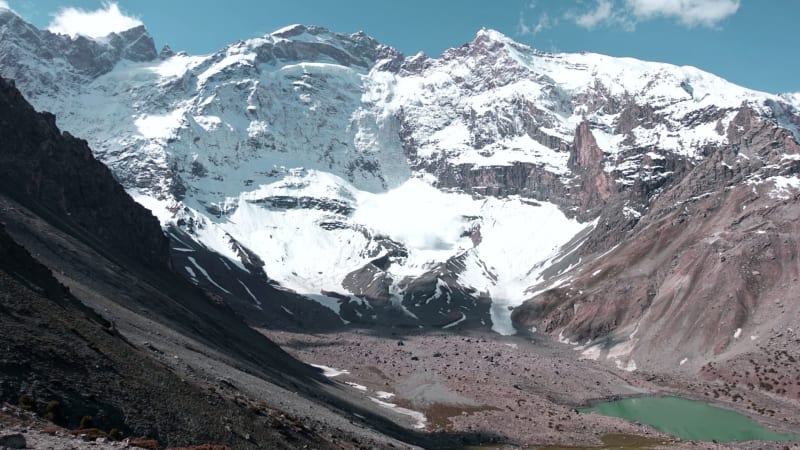 tajikistan
 Penjikent
A quiet Zeravshan Valley town sitting atop the ruins of a 5th-century Sogdian city whose painted walls ended up in the Hermitage.
Explore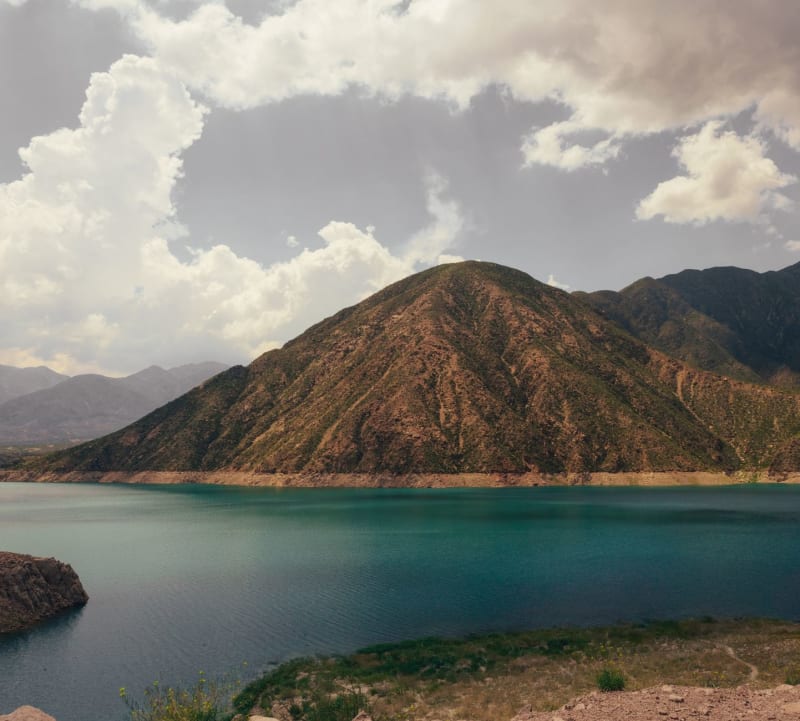 tajikistan
 Wakhan Valley
A narrow corridor between Tajikistan and Afghanistan where the Hindu Kush and Pamir ranges collide and time runs differently.
Explore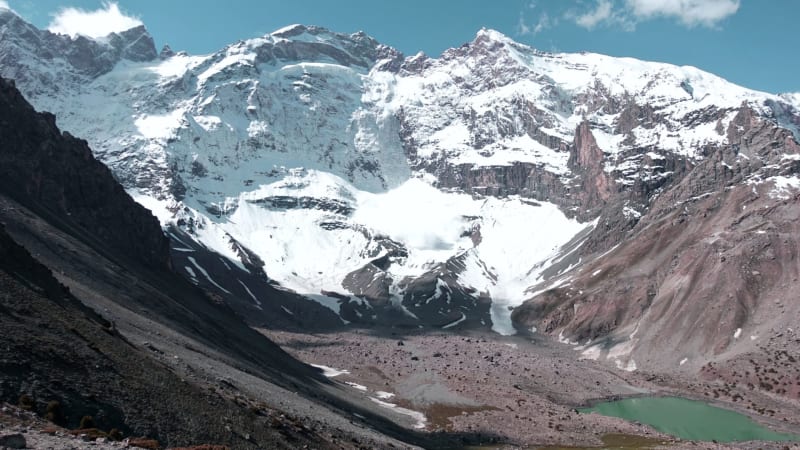 tajikistan
 Yagnob Valley
A remote mountain enclave where a few hundred villagers still speak Sogdian, the language of the ancient Silk Road merchants, essentially unchanged for 1,500 years.
Explore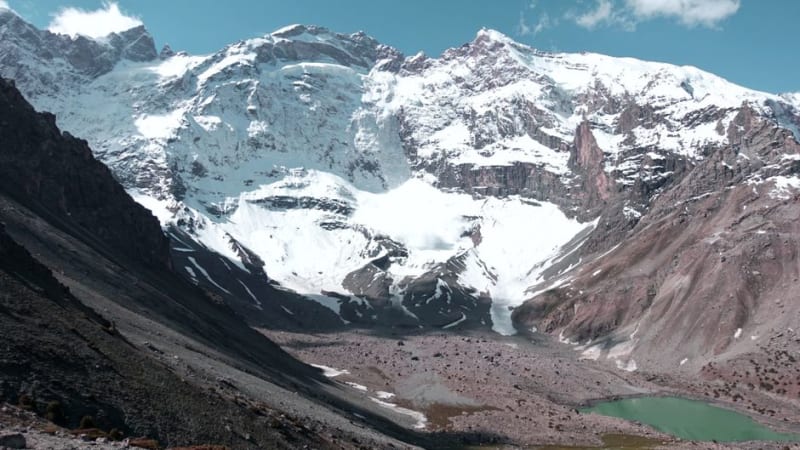 tajikistan
 Bulunkul Lake
A wind-flattened alpine lake on the Alichur Plateau where the water freezes solid and the nearby village claims the region's cruelest winters.
Explore tajikistan
 Dushanbe
A Soviet-built capital where tea houses and Cyrillic signs share space with Persian poetry carved into marble facades.
Explore