Khujand
"Khujand felt like a city that had learned to absorb conquerors and then simply continue."
Tajikistan's second city sits in the fertile Fergana Valley where Silk Road merchants once stopped and where the bazaar still runs on the same logic.

Alexander the Great founded a city here — Alexandria Eschate, “Alexandria the Farthest” — at what he considered the edge of the known world, on the Syr Darya river. That was in 329 BCE. The Mongols reduced it to rubble, the Timurids rebuilt it, the Russians renamed it Leninabad, the Tajiks renamed it back. Khujand has a long practice of being conquered and continuing anyway, and you can feel that continuity in the bazaar and the old city and in the way people here seem less impressed by outsiders than they probably should be, given how far the outsiders had to travel to get here.
Panjshanbe Bazaar
The covered market is where Khujand’s mercantile history concentrates itself. The building is Soviet-era, functional in structure, but the contents follow an older logic: spice merchants, silk merchants, dried fruit merchants, vendors selling everything needed for a wedding or a funeral or a feast. The light inside comes through a domed ceiling in thick columns and catches the dust and the color in ways that made me stand in the middle of the aisle for too long, blocking foot traffic.
I bought dried mulberries, a packet of local tea, and a square of ikat silk whose pattern I could not stop looking at — diagonal stripes in rust and cream that shifted when the fabric moved. The woman selling it showed me three others before I committed, and then wrapped it in newspaper with a seriousness that felt appropriate to the transaction.
The Syr Darya Promenade
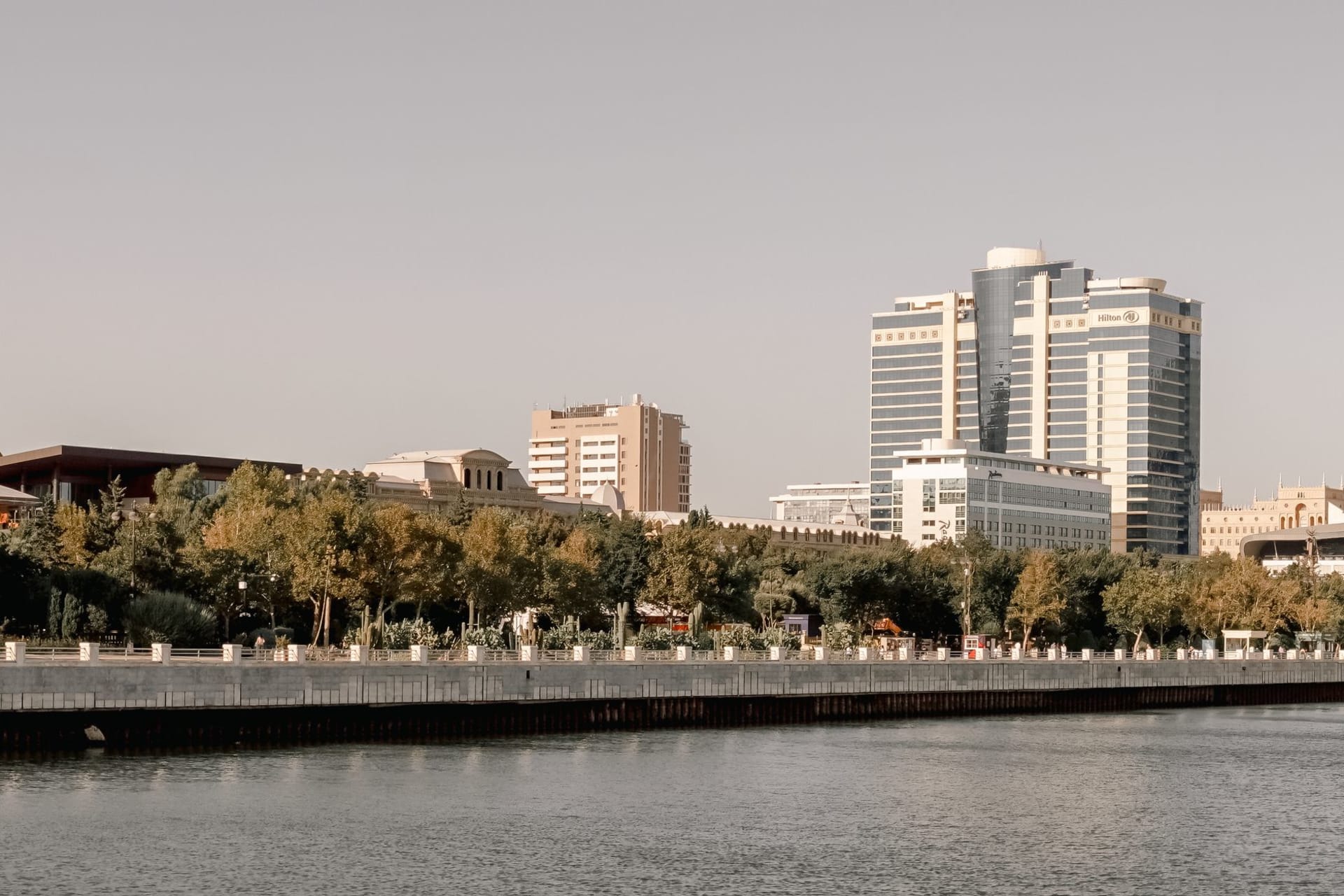
The river frontage has been developed into a promenade that Khujanders use with real enthusiasm in the evenings — families, couples, children on Soviet-era carnival rides that are somehow still operational. The Khujand Fortress walls run along one side, and what remains of the citadel has been partially excavated and turned into a museum that’s small but earnest, with models of the medieval city at various stages of its many destructions.
In the early evening the light on the Syr Darya turns rose-gold, and the mountains visible to the south — the beginning of the Turkestan Range — hold the last of the sun while the city below goes into shade. I sat on a bench and watched this happen and felt the pleasure of being somewhere that doesn’t organize itself around being visited.
Food and the Fergana Influence
Khujand eats differently from Dushanbe — the Fergana Valley’s proximity means Uzbek culinary influence is pronounced. Plov here is cooked in vast kazan pots and the rice-to-carrot ratio leans heavier on the rice than further south. Samsa pastries come from tandoor ovens and are best eaten standing up, hot enough to burn your fingers. A chaikhana near the bazaar served me a bowl of mastoba — a thick rice and tomato soup with lamb — that I thought about for several days afterward.
Getting There
Khujand is in the Sughd region, separated from Dushanbe by the Fann Mountains and a tunnel (the Anzob) that is, depending on conditions, either passable or memorably harrowing. The drive takes five to seven hours by shared taxi. There’s also a small airport with domestic connections, and a rail link to Uzbekistan that makes it easy to combine with Samarkand or Tashkent.
When to go: April through June and September through October. Summers in the Fergana Valley are very hot — 40°C is not unusual in July — and winters are cold and grey. Spring is the prettiest, when the orchards in the surrounding countryside are in blossom.
Keep exploring
More from Tajikistan
 tajikistan
 Murghab
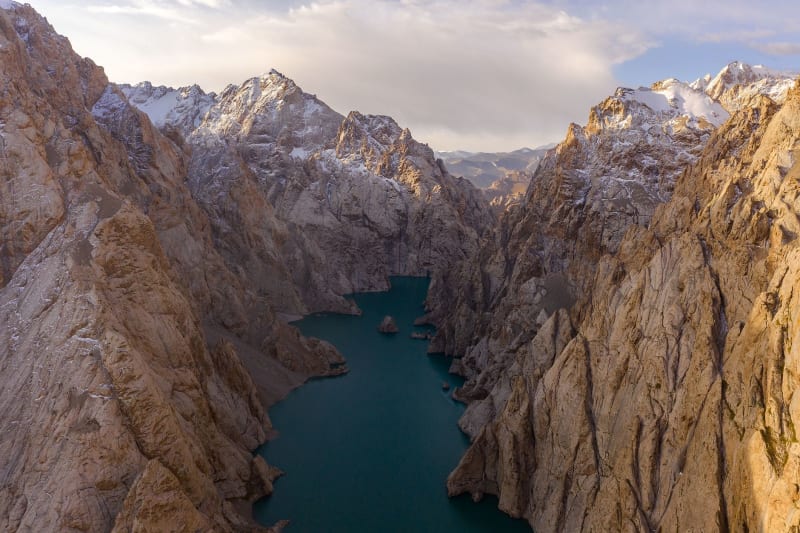
A Kyrgyz market town at 3,600 meters on the Pamir Plateau, where the sky is closer than anywhere I've been and the wind never quite stops.
Explore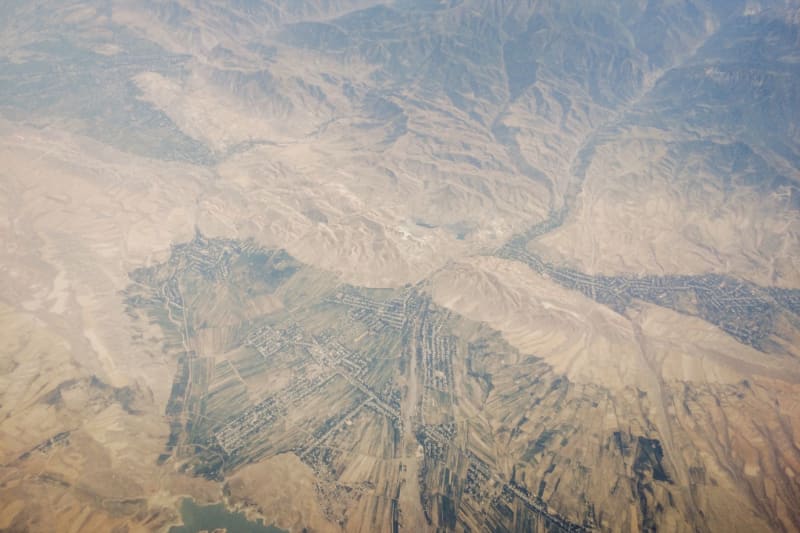 tajikistan
 Nurek
A Soviet-built dam town on the Vakhsh River where one of the world's tallest earthen dams holds back a reservoir that turns improbable shades of green.
Explore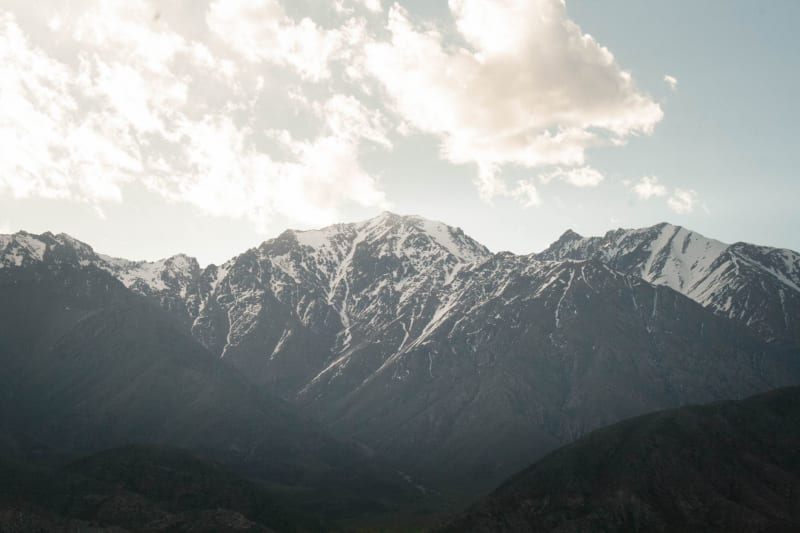 tajikistan
 Pamir Highway
The M41 is one of the world's highest roads — a 1,200-kilometer corridor of altitude, emptiness, and improbable hospitality.
Explore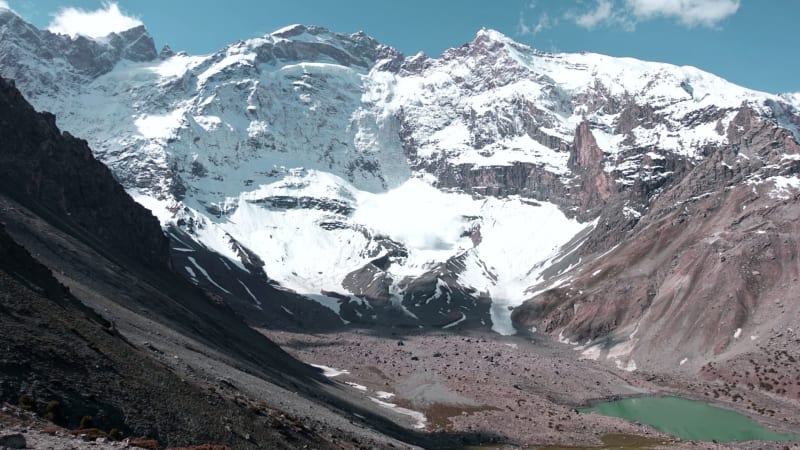 tajikistan
 Penjikent
A quiet Zeravshan Valley town sitting atop the ruins of a 5th-century Sogdian city whose painted walls ended up in the Hermitage.
Explore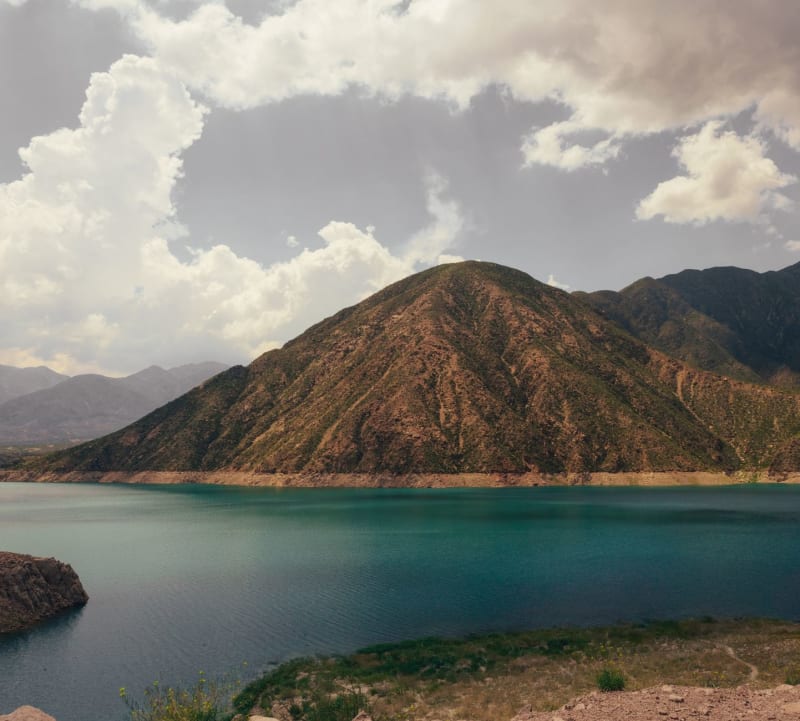 tajikistan
 Wakhan Valley
A narrow corridor between Tajikistan and Afghanistan where the Hindu Kush and Pamir ranges collide and time runs differently.
Explore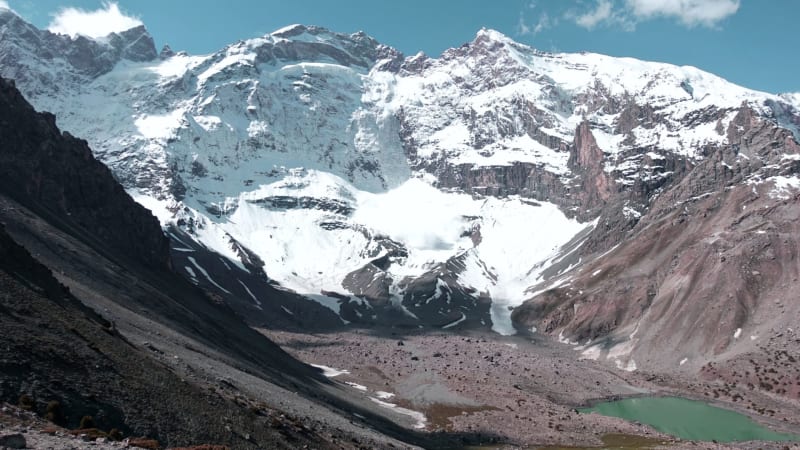 tajikistan
 Yagnob Valley
A remote mountain enclave where a few hundred villagers still speak Sogdian, the language of the ancient Silk Road merchants, essentially unchanged for 1,500 years.
Explore