Africa
Réunion
"I'd been warned it was expensive. Nobody warned me it was this wild."
A French department swallowed by jungle, ringed by ocean, and split open by an active volcano that rewrites the landscape every few years.
I arrived on a red-eye from Paris, which is the only way most people get there, and stepped off the plane into air that smelled like sugarcane and wet basalt. The airport sits at sea level on the west coast, but within twenty minutes the road climbs into a different world — forested ridgelines, waterfalls dropping off the edge of things, cloud banks rolling through like slow traffic. I had expected something like a tropical French suburb. I got something more interesting than that.
Réunion is a volcanic island in the middle of the Indian Ocean, closer to Madagascar than to anywhere else that matters, yet somehow entirely French — the euro, the baguette, the bureaucracy, the school calendar. That collision gives it a texture you don’t find elsewhere. The markets sell lychees and vanilla pods and Creole spices alongside camembert imported from Normandy. The rougail saucisse is better than most things I’ve eaten on either continent. The roads are obsessively maintained. The hiking trails are not for the faint of heart.
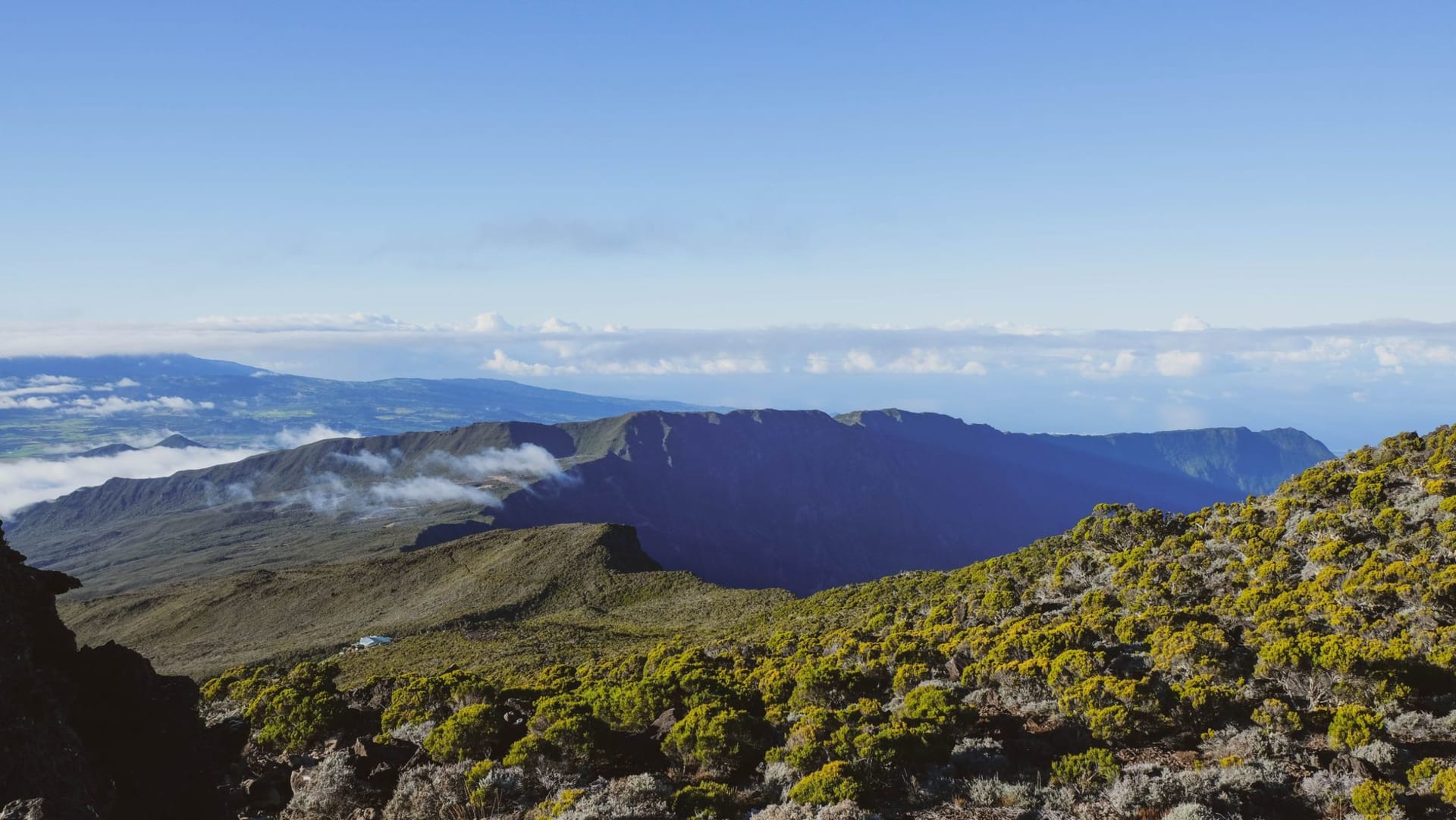
I spent most of my time in the interior — specifically the cirques, those enormous collapsed calderas that hold entire communities inside them, accessible only by narrow road or on foot. Cilaos, the one you hear about most, earns its reputation: ringed by peaks that stay cloud-covered until mid-morning, with thermal baths at the bottom and serious trekking above. But Mafate, which has no road access at all and gets its supplies by helicopter, is something else. You walk in, you eat what the gîte serves, you sleep early because there’s nothing else to do, and you wake up to a silence that feels genuinely earned. The Piton de la Fournaise — the volcano on the southeast end of the island — was active during my visit in the modest sense that there was lava but no evacuation. Watching it at dusk from the rim, the sky already purple, the glow picking up in the distance: I’ve seen a lot of things travel writers call unforgettable. This one actually was.
When to go: May through October is the dry season on the west coast and the best window for volcano hikes — clear mornings, manageable heat. Avoid January through March if weather matters to you; the cyclone season is real and can close trails for weeks. The cirques are beautiful year-round but tend to cloud over by noon regardless of season.
What most guides get wrong: They package Réunion as an adventure sports destination — paragliding, canyoning, summit pushes — and while all of that exists and is excellent, it misses what makes the island actually worth the airfare. The cultural density is the surprise: a Creole cuisine that nobody outside the island talks about nearly enough, a syncretism of French, African, Indian, and Chinese influences that shows up in the temples and the churches and the music and especially the food. Most visitors spend a week ticking off the volcano and the cirques and fly home without eating a single decent cari. That is the real mistake.
Explore
Places in Réunion
 reunion
 Cilaos Cirque
A dramatic collapsed volcanic caldera sheltering a mountain village famous for its lentils and thermal springs.
Explore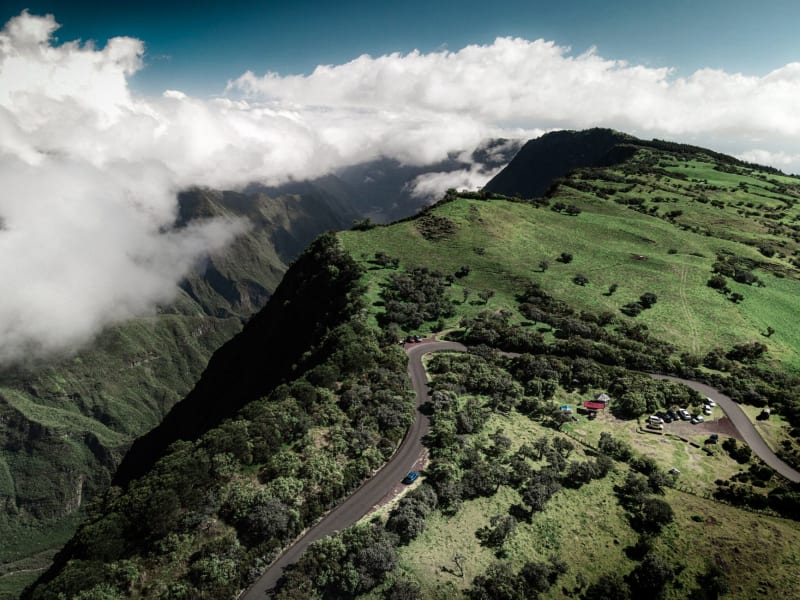 reunion
 Cirque de Mafate
Réunion's most inaccessible cirque — no roads in, no cars, just trails, clouds, and a handful of îlets perched above the world.
Explore reunion
 Hell-Bourg
The most beautiful village in Réunion hides inside the Cirque de Salazie — Creole houses in tropical colors, a thermal past, and mornings that smell like fern and woodsmoke.
Explore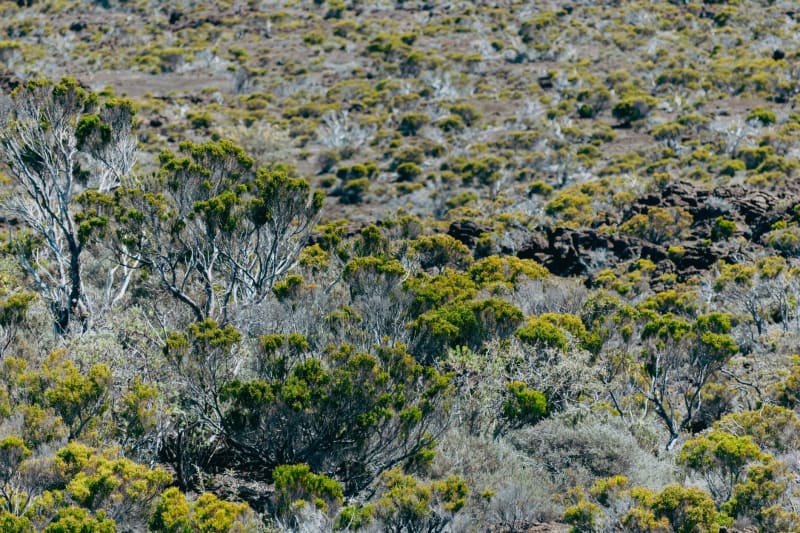 reunion
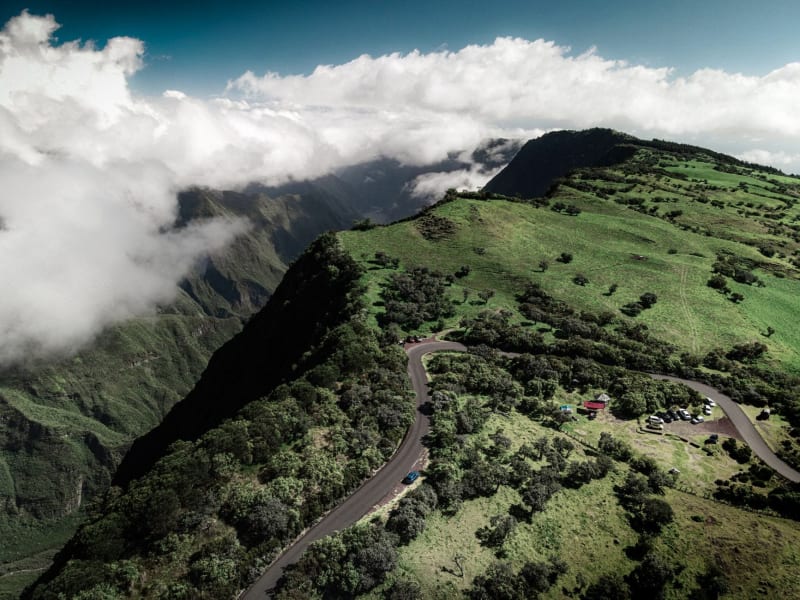
 Le Maïdo
A 2,200-meter viewpoint where the world drops away into the unreachable Cirque de Mafate, the most spectacular sunrise on Réunion.
Explore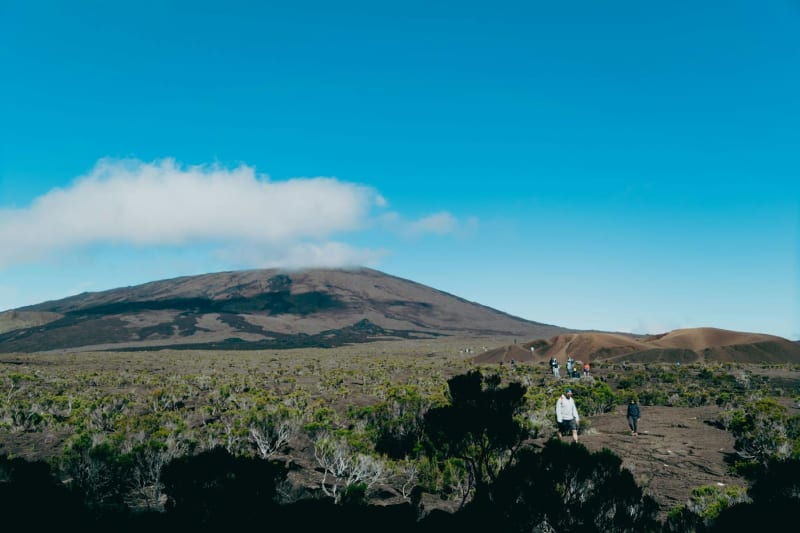 reunion
 Piton de la Fournaise
One of the world's most active volcanoes — hike to the crater rim and watch the island still being born.
Explore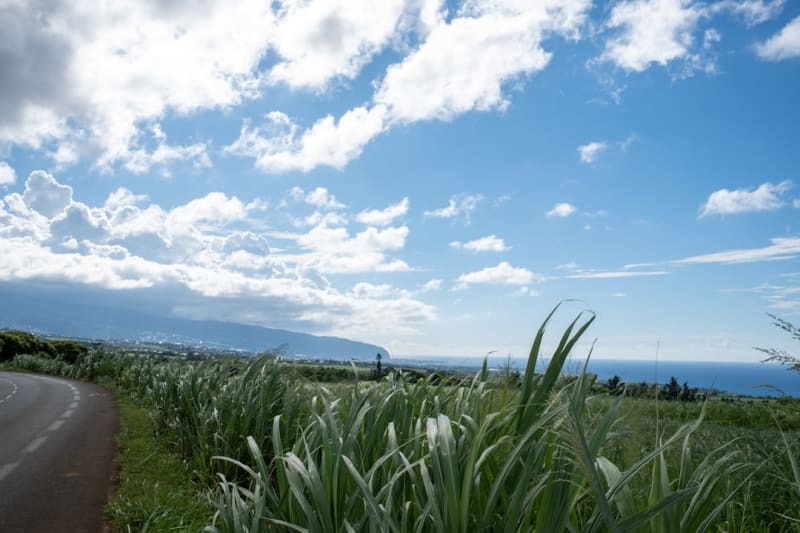 reunion
 Piton des Neiges
At 3,069 meters, the highest peak in the Indian Ocean demands a 3 a.m. departure, two hours of headlamp hiking through cold cloud, and a summit that earns every one of them.
Explore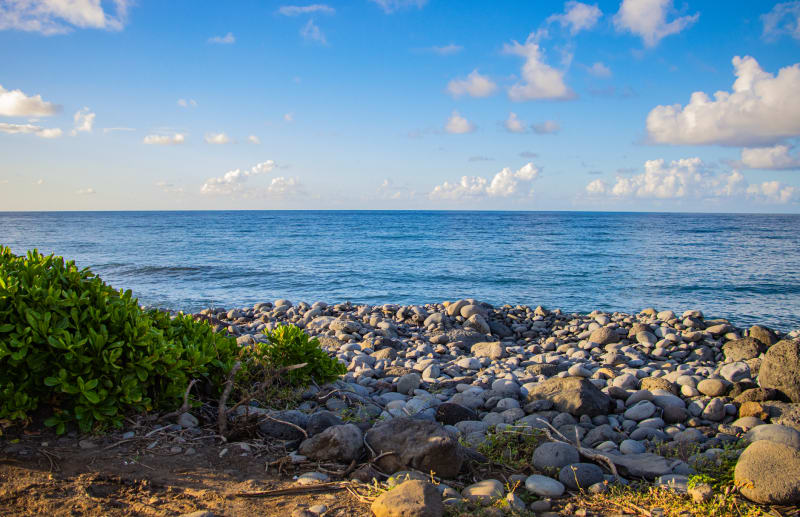 reunion
 Saint-Denis Reunion
Reunion's capital blends Creole architecture, French pastry, and Tamil temples in one chaotic tropical delight.
Explore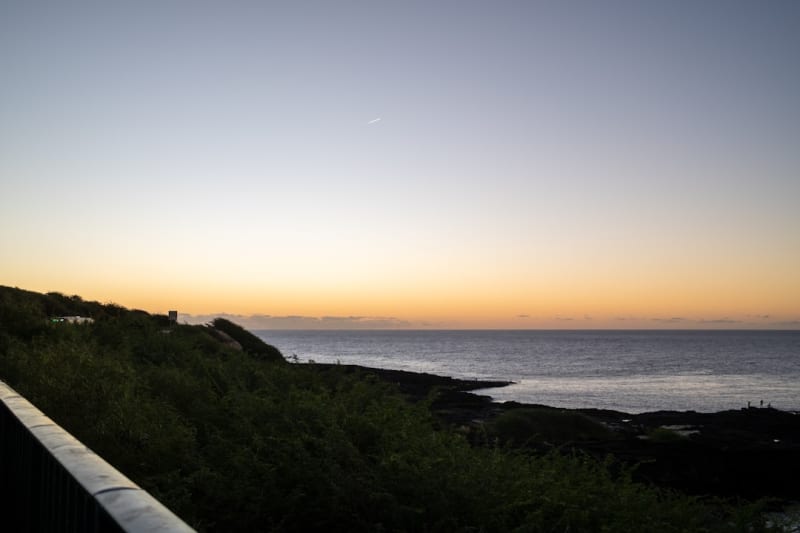 reunion
 Saint-Gilles-les-Bains
Réunion's main beach town wears its sun and lagoon lightly — less resort than people expect, more lived-in than they assume, with the best seafood shacks on the island.
Explore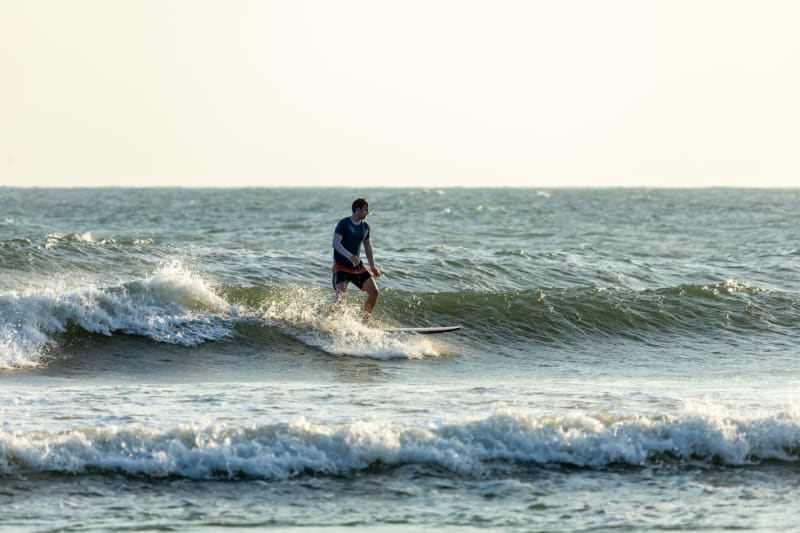 reunion
 Saint-Leu
A small surf town on Réunion's west coast where humpback whales pass offshore between July and October and the point break produces some of the most consistent waves in the Indian Ocean.
Explore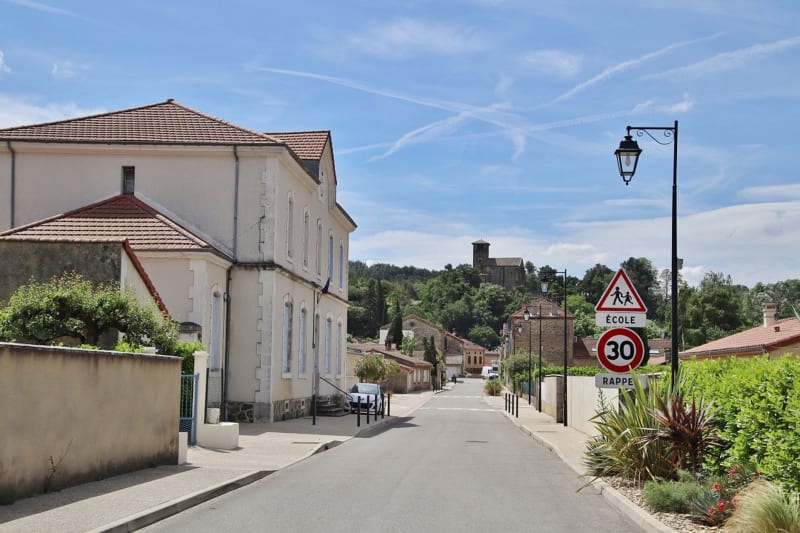 reunion
 Saint-Pierre
Réunion's southern capital is louder, spicier, and more itself than anywhere else on the island — a harbor city that runs on cari, reggae, and a Saturday market that shuts down the whole center.
Explore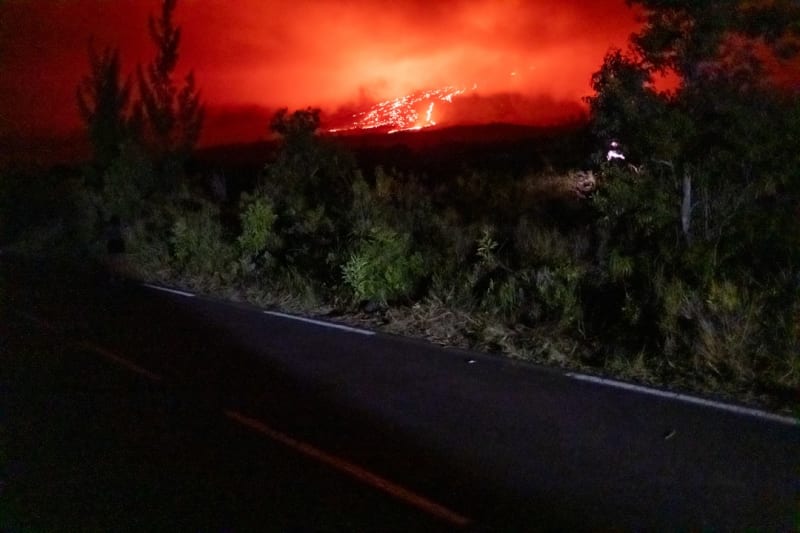 reunion
 Sainte-Rose
On Réunion's wild east coast, the 2007 lava flow swallowed a road and buried half a village — but the church survived, and now the lava field stretches to the sea like a frozen argument with geology.
Explore