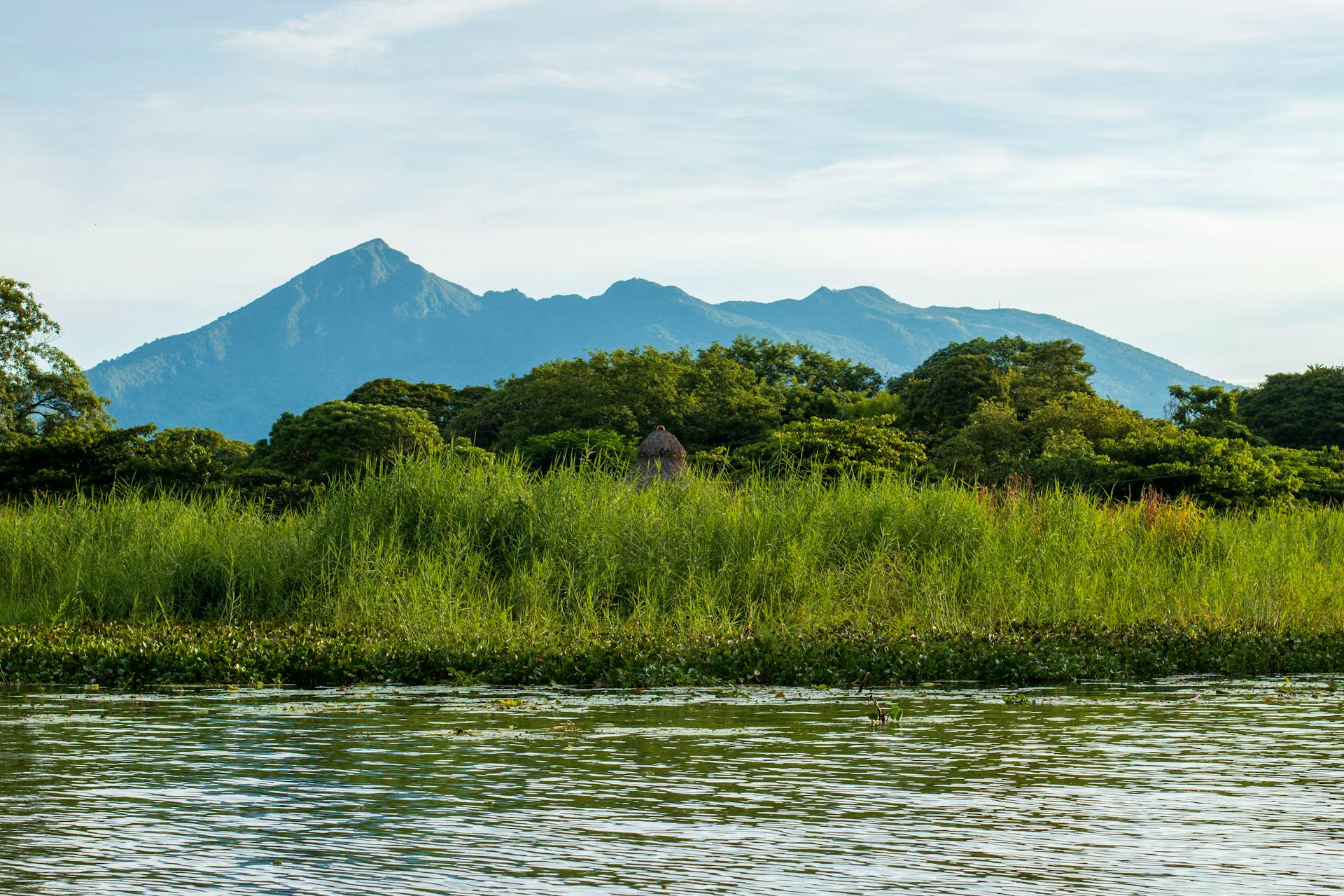
Americas
Nicaragua
"The country that reminded me why I started traveling in the first place."
Nicaragua is the Central American country that time and tourism have not yet transformed. Its neighbours have been discovered — Costa Rica by the eco-lodge crowd, Panama by the retirement set — but Nicaragua remains stubbornly itself: volcanic, complicated, beautiful in a way that does not ask for your approval. It is a country of poets and revolutionaries, of colonial cities frozen in amber, of volcanoes so active you can hear them breathe.
Granada is where most travelers begin, and it earns the starting position. It is one of the oldest colonial cities in the Americas, its streets lined with pastel-painted buildings and churches that glow in the afternoon light. The central market is a sensory event — vigorón (yuca, chicharrón, and curtido) served on banana leaves, sold by women who have been making it the same way for decades. From Granada, you can kayak the isletas of Lake Nicaragua — hundreds of small islands formed by an ancient volcanic eruption, some with a single house, a single tree, a single hammock.
But the Nicaragua that has stayed with me longest is outside the colonial cities. León, the intellectual rival to Granada, with murals on every wall and a cathedral roof you can walk across in bare feet. The Pacific coast at San Juan del Sur, where the surf is excellent and the development has not yet exceeded the charm. Ometepe, a volcanic island rising from the middle of Lake Nicaragua, accessible by ferry, where you can hike to the crater rim and look down at a world that feels genuinely prehistoric. The Corn Islands, off the Caribbean coast, where the culture shifts entirely — Creole English, reggae rhythms, lobster dinners for a few dollars, and a Caribbean that is closer to what Jamaica was forty years ago.
When to go: November to April is dry season. December and January are the most pleasant months — warm, not humid, the landscape still green from the rains. The Pacific coast has waves year-round but the best swell arrives between March and October.
What most guides get wrong: They treat Nicaragua as a budget Costa Rica. It is not. It is a different country with a different history, a different culture, and a different relationship to tourism. Come on its own terms. Spend time in one place rather than rushing between highlights. The depth is in the staying, not the moving.
Explore
Places in Nicaragua

Corn Islands
Big Corn Island's Caribbean culture and lobster dinners reward the effort of getting to Nicaragua's forgotten coast.

Corn Islands
Creole culture, Caribbean reefs, and two tiny islands that feel like the Caribbean did thirty years ago.
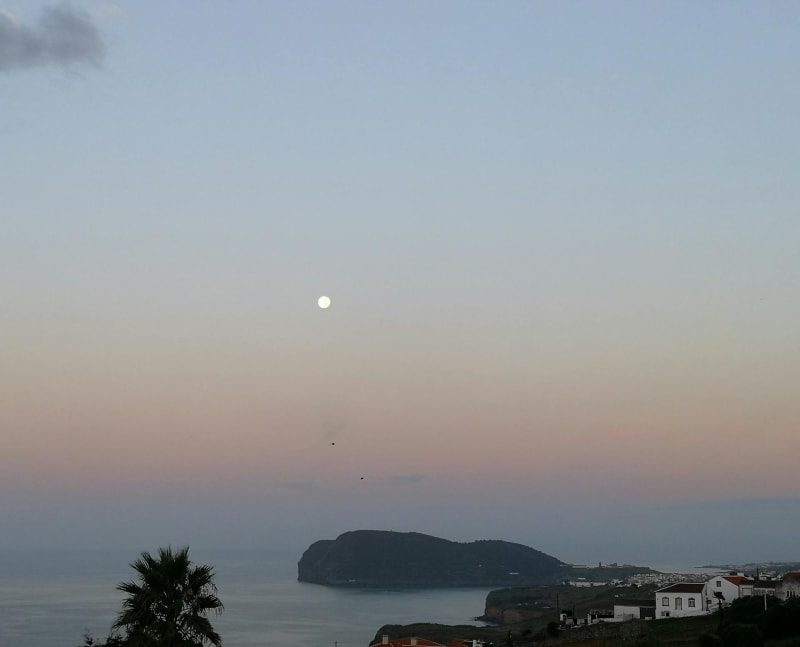
Granada
One of the oldest colonial cities in the Americas — pastel facades, volcanic views, and an archipelago in the lake.
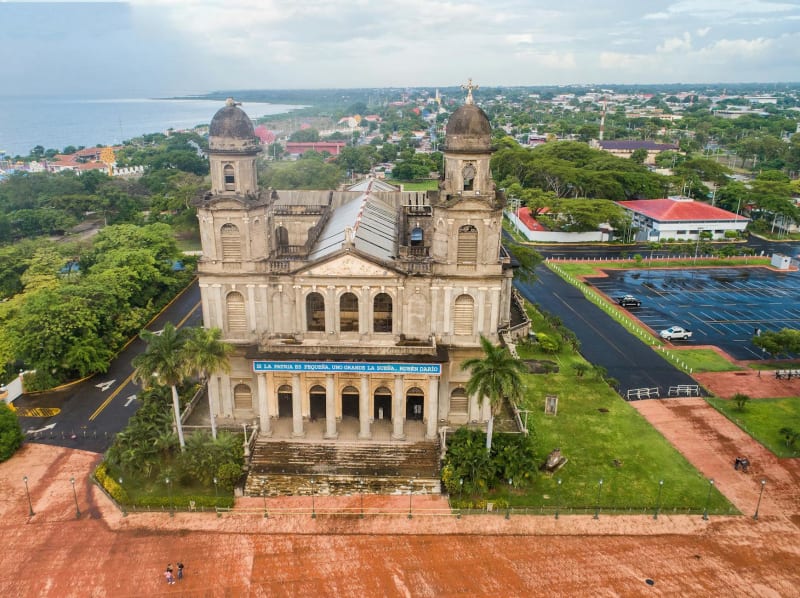
Granada Nicaragua
Central America's oldest colonial city sits languid on Lake Nicaragua, its cathedral a landmark of faded grandeur.
Laguna de Apoyo
A flooded volcanic crater between Granada and Masaya, ringed by forest, with water so clear and warm it feels like swimming inside the earth itself.
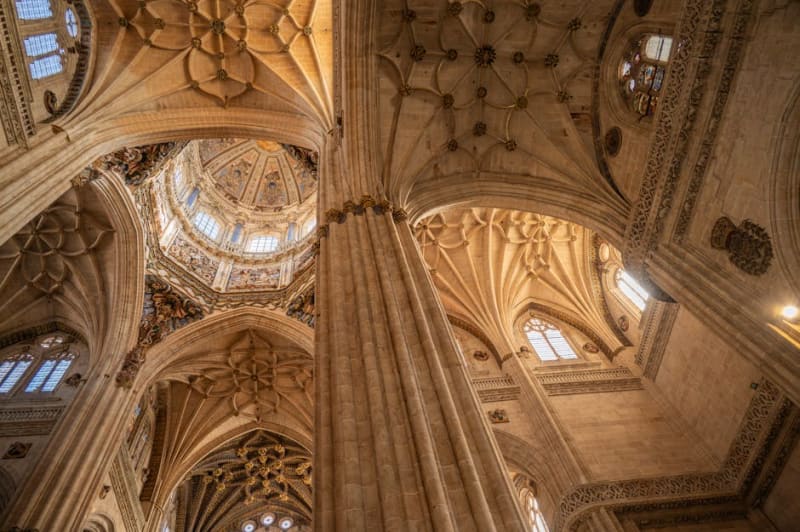
Leon
Nicaragua's intellectual capital — revolutionary murals, a rooftop cathedral, and the fierce energy of a university city that has never stopped arguing.
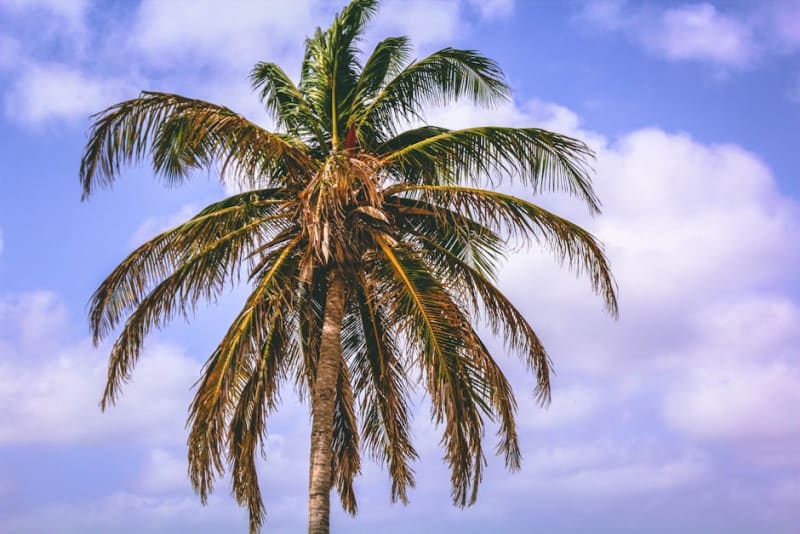
Little Corn Island
No cars, no ATMs, no agenda — a Caribbean island stripped down to reef, rum, and the rhythm of the sea.
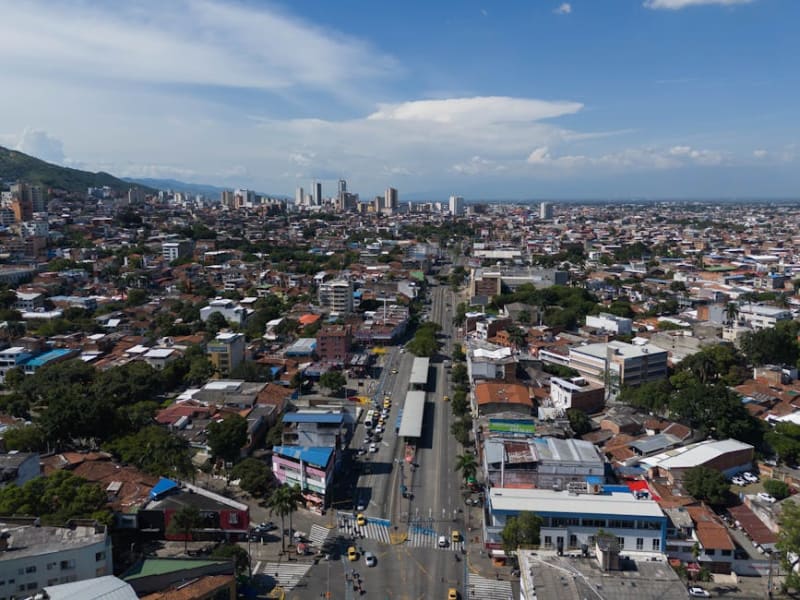
Managua
Nicaragua's chaotic capital — not beautiful in the traditional sense, but real, raw, and the gateway to understanding the country.
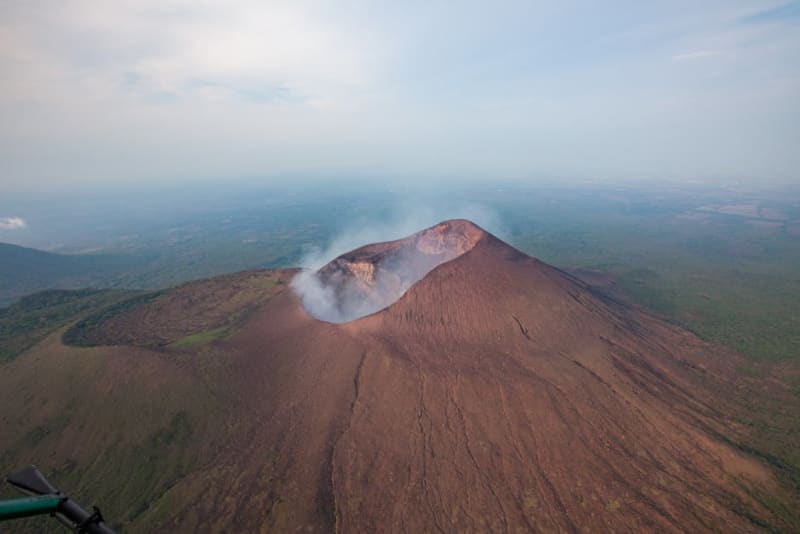
Masaya
An active volcano where you can see glowing lava after dark, and a craft market that is the best in Central America.
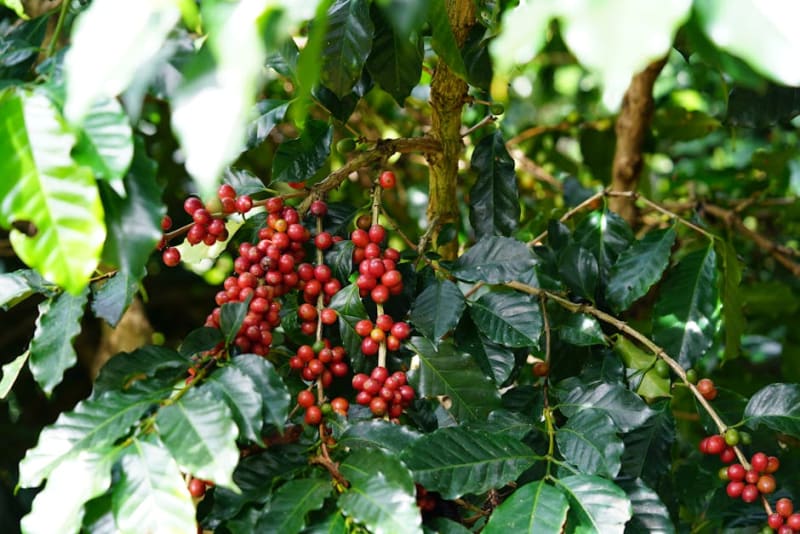
Matagalpa
Nicaragua's coffee highlands — cool mountain air, organic fincas, cloud forest, and a slower, greener side of the country.

Ometepe Island
Two volcanoes rise from Lake Nicaragua forming an island that Nahuatl speakers called the place of two mountains.
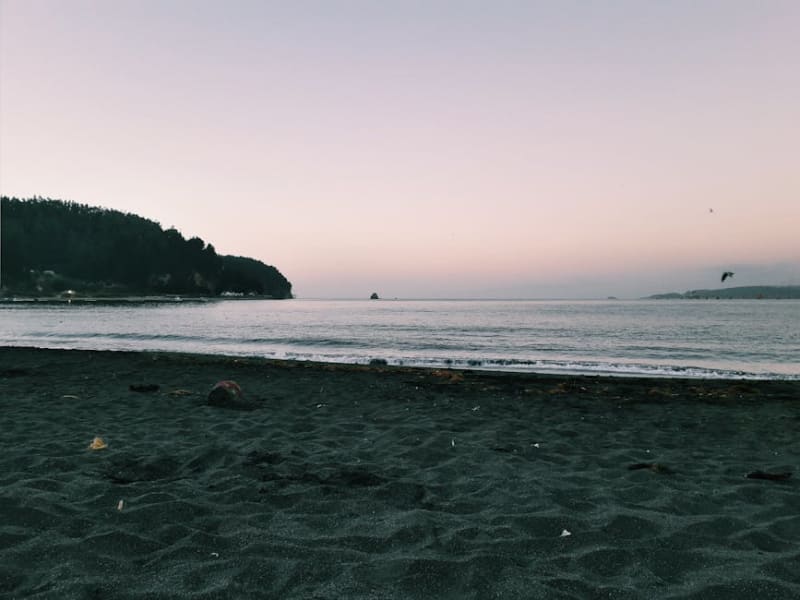
San Juan del Sur
A Pacific surf town in a horseshoe bay — good waves, cheap lobster, and the kind of sunset that makes people extend their trip.
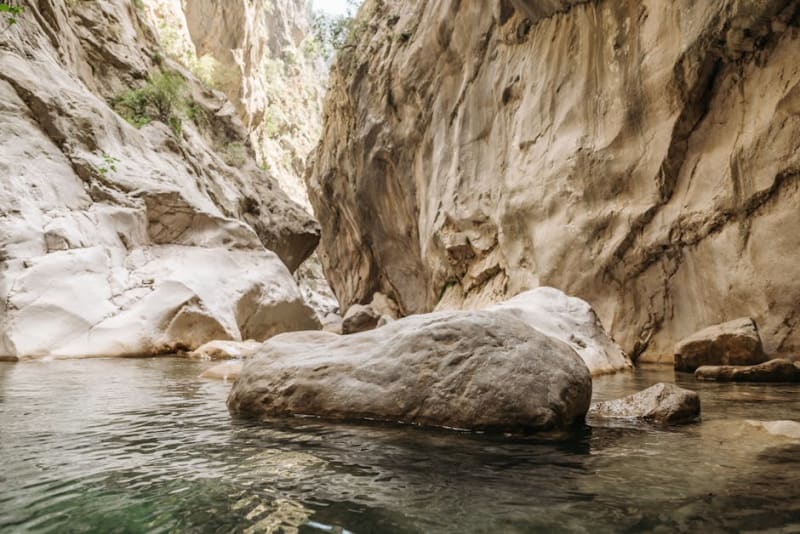
Somoto Canyon
A geological cathedral in Nicaragua's remote north — swimming, cliff jumping, and a river canyon that almost no one visits.

Free download
Get the Nicaragua Guide
A curated PDF itinerary with honest picks, real restaurants, and the details that matter — the kind you'd actually print and bring.
Download the guide