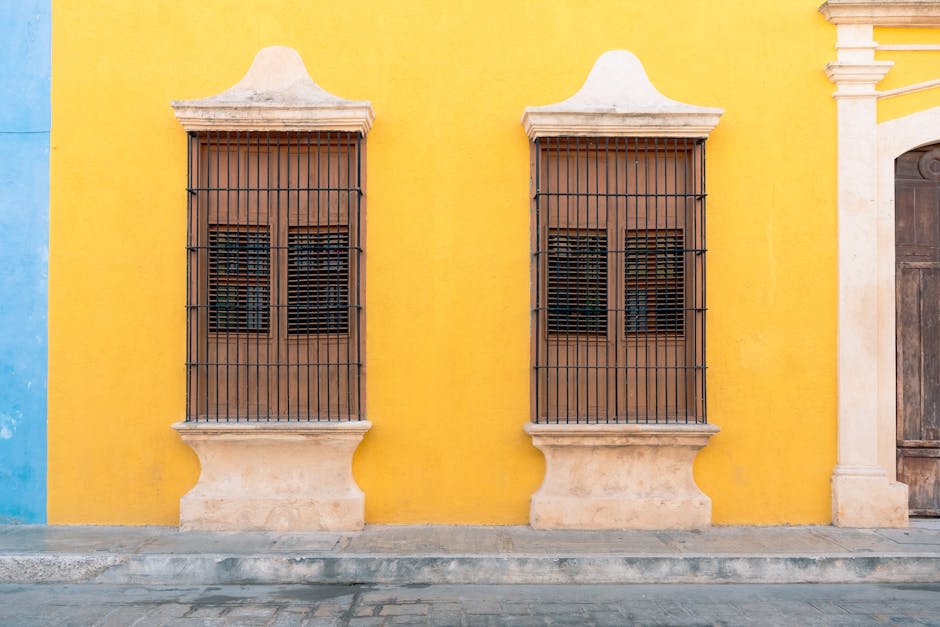
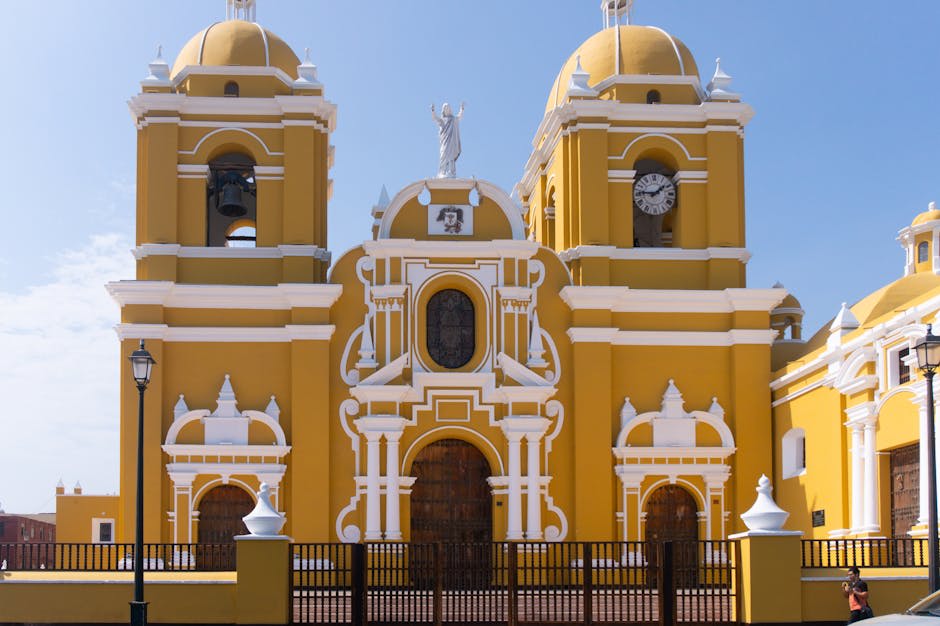
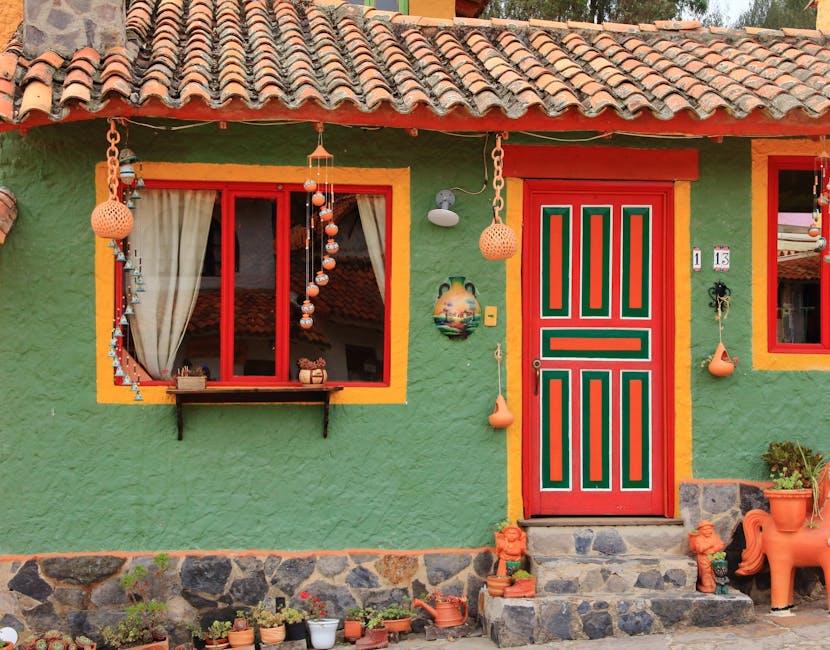
Granada is the postcard of Nicaragua and the logical starting point for any visit. Founded in 1524, it is one of the first European cities in the Americas, and its colonial centre has survived earthquakes, pirate raids, and a deliberate burning by the American filibuster William Walker with a resilience that says something about the city’s character. The streets are lined with pastel-painted buildings in states ranging from immaculate restoration to picturesque decay. The cathedral on the central plaza glows yellow in the afternoon light. Horse-drawn carriages still outnumber taxis.
I have been to Granada three times — each visit from Mexico is short, the flights are cheap, and the city rewards return visits because it reveals itself slowly. The first time I walked Calle La Calzada, the restaurant-lined pedestrian street that runs from the cathedral to the lake, I thought it was the whole city. It is not. The real Granada is in the quieter streets behind the churches, where the doors are open and the courtyards are visible and the life of the city unfolds without any awareness of tourism.
The central market is where Granada feeds itself — vigorón (yuca, chicharrón, and curtido on a banana leaf), fresh juices, and the controlled chaos of a Central American market operating at full capacity. The vigorón here is legendary, and the competition between vendors is fierce and ancient. I tried four different stalls over two days. Each one was excellent. Each vendor told me theirs was the best in Granada, and each time I believed them.
Las Isletas — an archipelago of 365 small islands scattered in Lake Nicaragua, formed by an eruption of Mombacho volcano — are accessible by kayak or motorboat from the southern shore. Some islands have a single house, a single tree, a single hammock. Others have small restaurants serving fresh fish. The paddling is easy and the views of Mombacho rising above the water are dramatic. I rented a kayak for half a day and paddled between islands in a silence broken only by birds and the occasional splash of a freshwater bull shark — yes, Lake Nicaragua has sharks, a fact I learned after I was already in the water.
Volcán Mombacho itself — the cloud-forest-covered volcano overlooking the city — has a nature reserve at its summit with hiking trails through orchid-draped forest. The canopy walk and the view from the crater rim are both worth the steep access road. The cloud forest at the top is a different climate entirely — cool, misty, draped in orchids and bromeliads, howler monkeys audible in the canopy. The contrast with the heat of Granada below is startling: you ascend thirty minutes and arrive in a different ecosystem.
Convento San Francisco, the oldest church in Central America, houses a collection of pre-Columbian basalt statues from the island of Zapatera — mysterious, carved figures with animal features that no one has fully decoded. The museum is small and quiet, and the courtyard garden is one of the most peaceful spaces in a city that, on its main streets, can feel like it is performing for visitors. Here, it is not performing.
When to go: November to April. The heat is significant — Granada sits at lake level in the tropics — but the dry-season breeze off Lake Nicaragua helps. Mornings and late afternoons are the best hours for walking the city. December and January are peak season; February and March are quieter and equally pleasant.