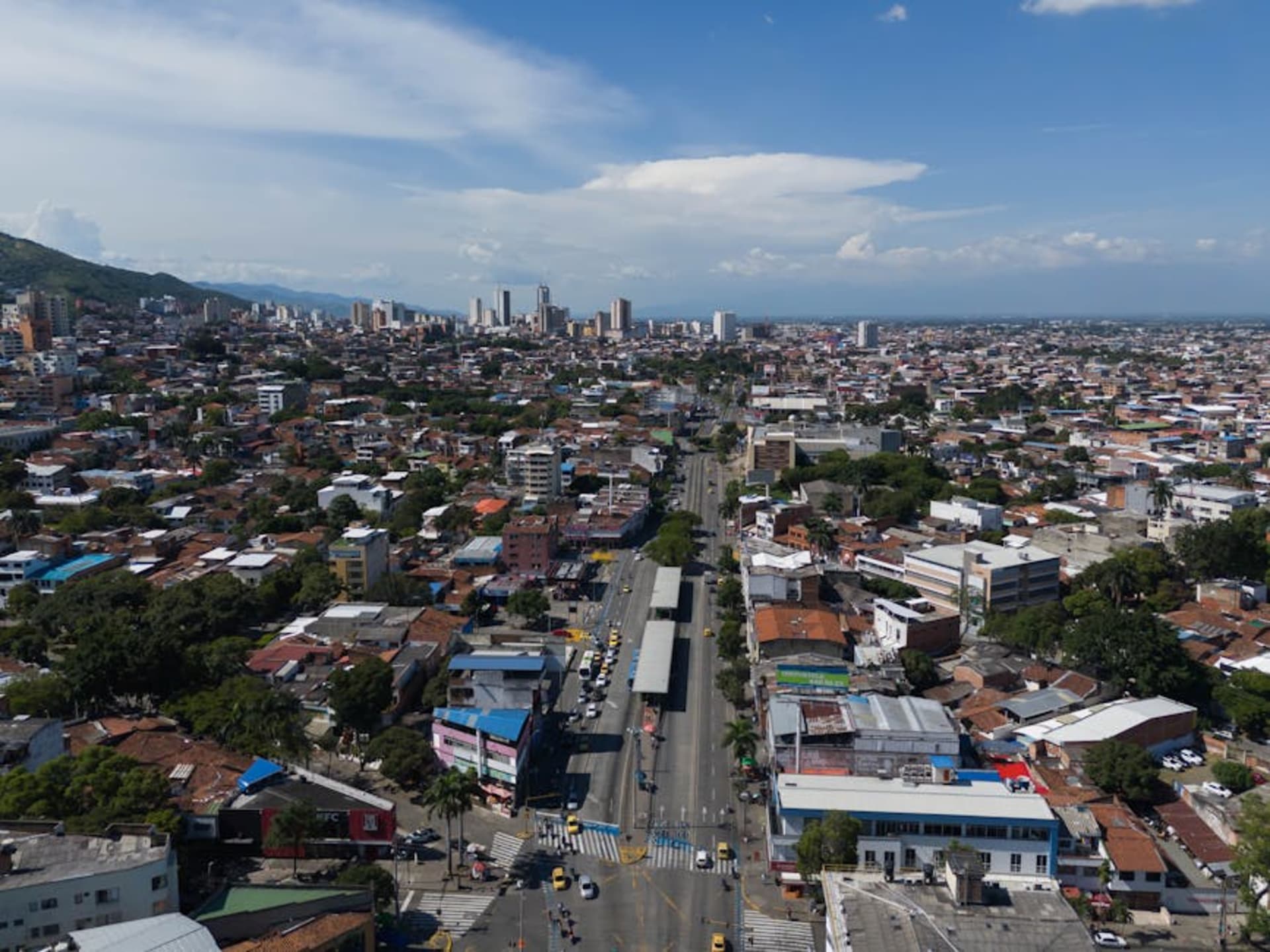
Managua is the capital that guidebooks tell you to skip, and I understand why. It has no colonial centre — the 1972 earthquake destroyed it and it was never rebuilt in any coherent way. There is no obvious walking district, no postcard view, no single street that captures the city’s character. It sprawls across the southern shore of Lake Managua in a formless spread of malls, markets, traffic circles, and residential barrios that seem to have been assembled by a committee that never met. And yet. Managua is where Nicaragua actually lives, and spending a day or two here — rather than immediately fleeing to Granada — gives you a context for the country that you cannot get anywhere else.
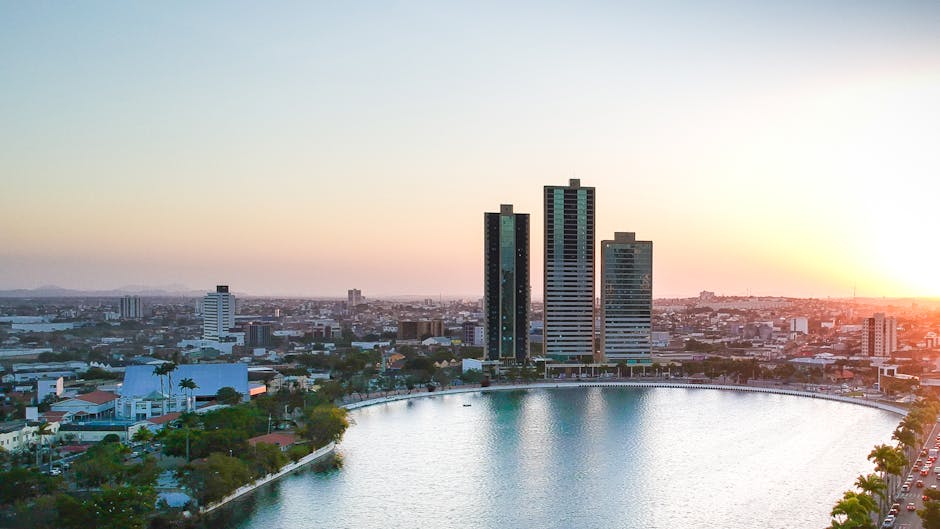
The Malecon along Lake Managua has been rebuilt in recent years and is now a genuine public space — families walking, food vendors, views across the lake to the mountains. The Puerto Salvador Allende section has restaurants, a Ferris wheel, and a lively atmosphere on weekend evenings. It is not elegant. It is real, and the Managuans enjoying it are not performing for tourists.
The old cathedral — the skeletal remains of the Catedral de Santiago, destroyed in the earthquake and left standing as a monument — is the most powerful building in Managua. It sits in the old centre, cracked and roofless, surrounded by government buildings and the Plaza de la Revolucion. The Sandinista murals nearby, the eternal flame for Carlos Fonseca, and the strange juxtaposition of revolutionary monuments and earthquake ruins create a landscape that is uniquely Managuan: a city defined as much by what was destroyed as by what was built.
The Mercado Roberto Huembes is where Managua shops — a vast, teeming market selling everything from hammocks to fresh fish to bootleg DVDs. The food section is extraordinary: rows of comedores where women cook over wood fires, serving plates of indio viejo, nacatamal, and gallo pinto with a speed and economy that puts any restaurant to shame. This is where I ate the best nacatamal of my life — unwrapped from its banana leaf, heavy with pork and rice and olives, served with a cup of coffee so strong it made my teeth vibrate.
The Loma de Tiscapa — a volcanic crater lake in the centre of the city, topped by a silhouette of Sandino that is visible from everywhere — offers the best panoramic view of Managua. There is a canopy zip-line across the crater if you are inclined, and a small museum about the dictatorship and revolution at the top.

When to go: Managua is hot year-round — hotter than the rest of Nicaragua, sitting as it does at lake level in a volcanic basin. November to February is the most tolerable period. Most travelers pass through on the way to or from the international airport; one full day is enough to absorb the essentials, two if you want to dig deeper.