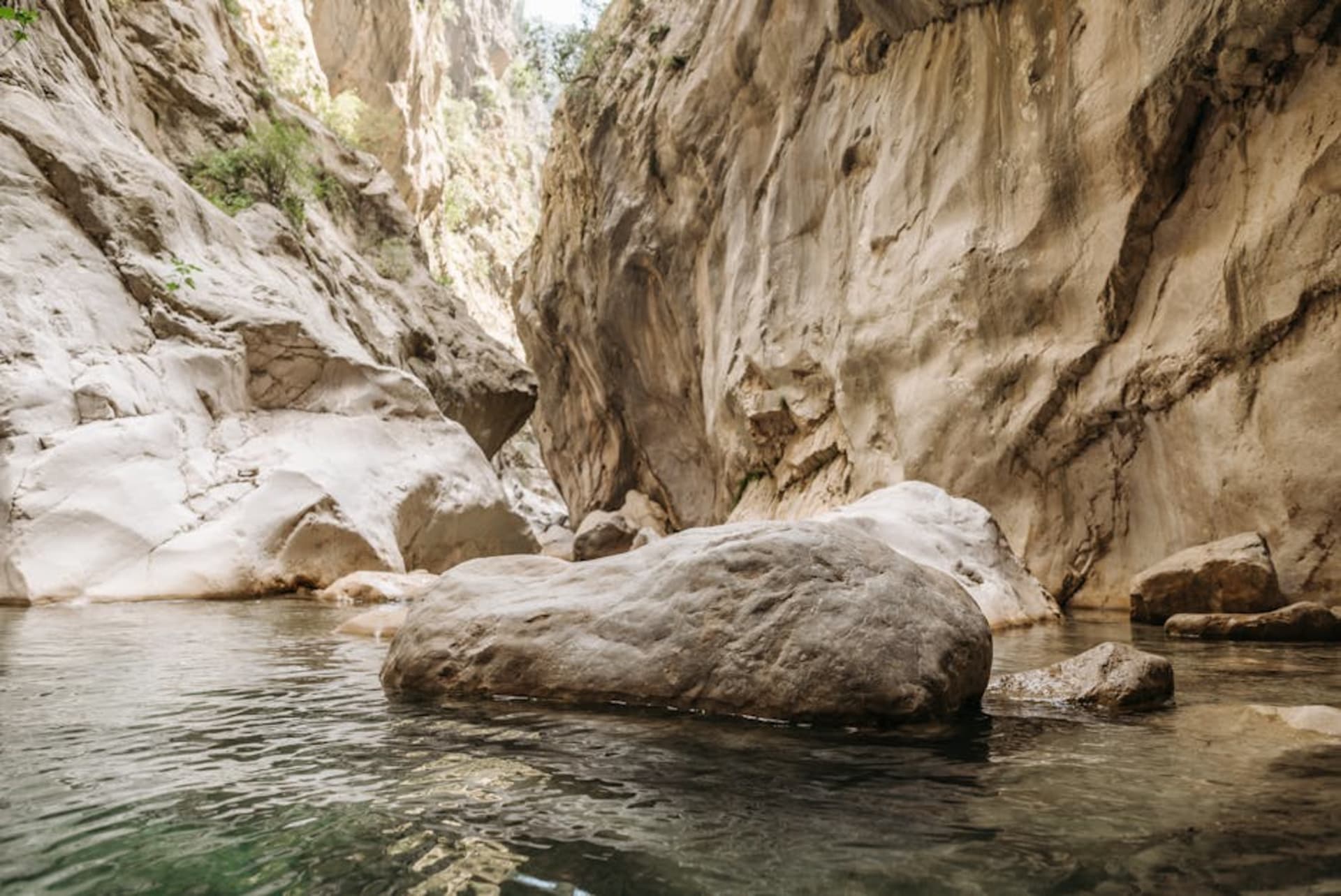
Somoto Canyon
"The canyon that wasn't officially discovered until 2004. Nicaragua keeps its secrets."
Somoto Canyon was not formally identified as a geological site until 2004, when a Czech-Nicaraguan geological survey mapped it and realized that this remote river gorge in Nicaragua’s northern highlands was something extraordinary: a canyon carved over millions of years through volcanic rock, with walls rising up to two hundred meters, narrowing in places to barely a few meters across, the Coco River — Central America’s longest — flowing through its base in a series of pools, narrows, and gentle rapids that are swimmable, jumpable, and almost entirely untouched.
I went to Somoto expecting a pleasant half-day excursion. What I got was one of the most memorable outdoor experiences of my life.
The canyon is accessed through a community tourism project in the town of Somoto, near the Honduran border. Local guides — trained, equipped, and genuinely expert in reading the river — lead groups of four to eight people through the canyon over three to five hours, depending on the route. The shorter route covers the most dramatic section: you swim through narrows where the walls close in overhead and the water is deep green and cool, you scramble over boulders, you float through pools where the only sound is the echo of your breathing off the rock, and you jump — if you choose — from ledges ranging from modest to frankly alarming.
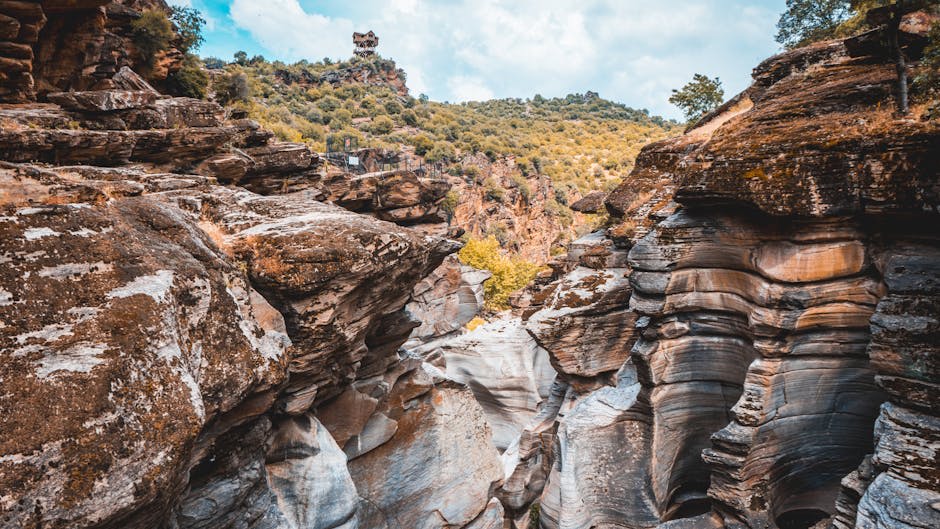
The geology is part of the wonder. The rock is volcanic tuff — compressed ash from eruptions millions of years ago — and the river has carved it into shapes that are almost sculptural: smooth curves, overhangs, potholes, and a colour palette that shifts from rust to cream to pale green depending on the mineral content and the light. In the narrowest sections, you tilt your head back and the sky is a thin ribbon of blue between walls that seem to lean inward. It feels ancient. It feels like a place that has not changed in a very long time and will not change for a long time to come.
The swimming is the main activity and requires no special skill — the current is gentle, the water is clean, and the guides provide life jackets. But there are moments of genuine adventure: sections where you swim through channels barely wider than your shoulders, sections where the depth is unknowable and the water is dark, and cliff jumps that test your relationship with gravity and your capacity for self-honesty about your own courage.
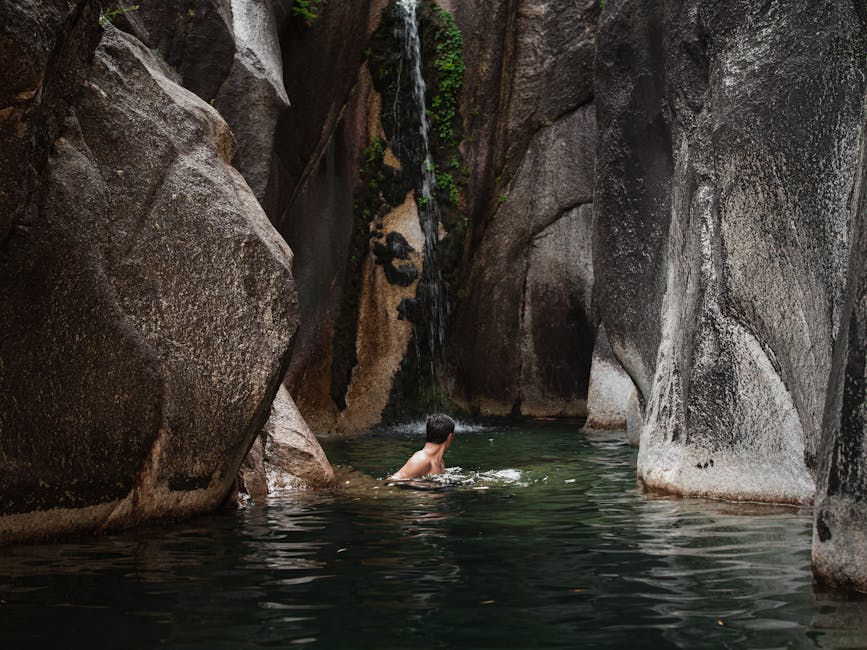
The community project deserves mention. The canyon is managed by a cooperative of local guides from Somoto and the surrounding villages. The fees go directly to the community. The guides are proud of this place in a way that is neither performative nor commercial — they grew up swimming here, and their expertise is personal. My guide, a man named Carlos, pointed out petroglyphs on the canyon walls, identified birds by their calls, and knew exactly which ledges were safe to jump from and which were not. I trusted him completely, which, given that I was leaping off rocks into a river I could not see the bottom of, was not an insignificant thing.
When to go: December to May, when water levels are lower and the river is calmer. During the rainy season (June to November) the river can rise dramatically and tours may be cancelled. The drive from Managua is about four hours, from Leon about three. Most visitors make it a day trip, but the town of Somoto has basic accommodation and a quiet charm of its own.