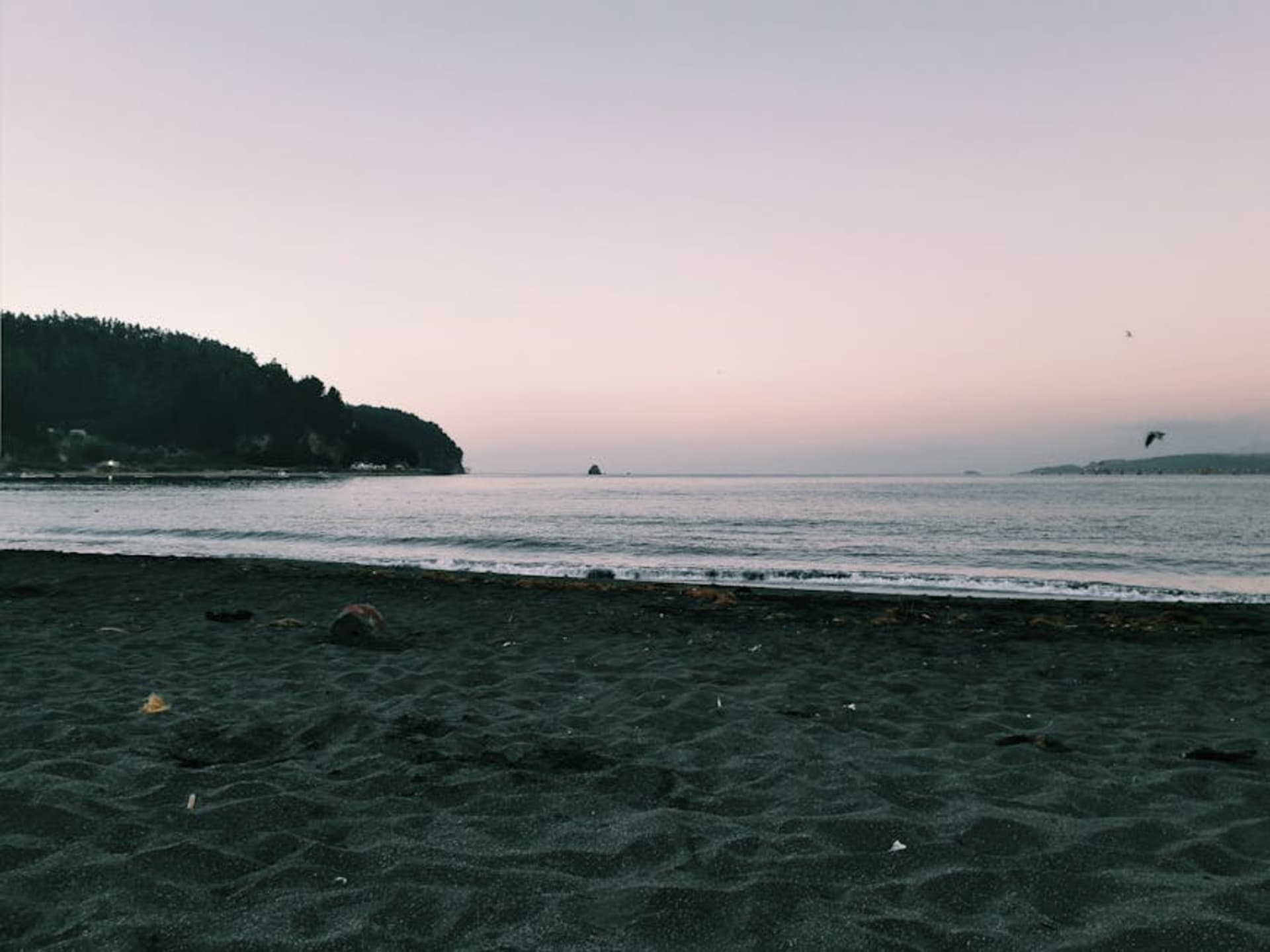
San Juan del Sur sits in a perfect horseshoe bay on Nicaragua’s southern Pacific coast, and it is the country’s most openly touristic town. I say this not as a criticism but as context — by any Central American standard, San Juan del Sur is still remarkably undeveloped. There are no high-rises. The fishermen still pull their boats onto the beach. The main street has more comedores than cocktail bars. But the surfers have arrived, and the yoga retreats have followed, and the real estate agents are circling, and if you want to see this town before it becomes the next Nosara, the window is open but it will not stay open forever.
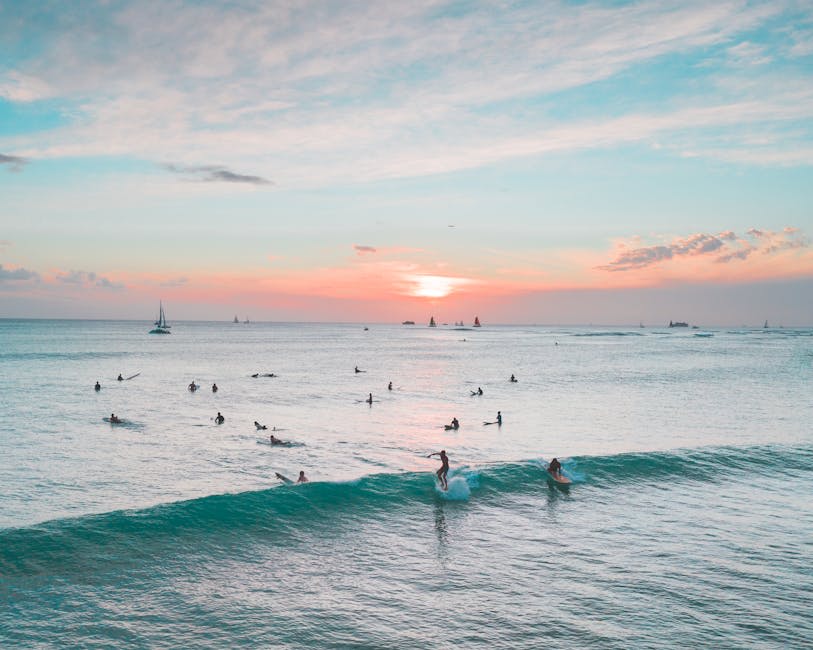
The surfing is what most people come for, and it delivers. The town beach itself is gentle — fine for beginners and for swimming — but the real waves are at the beaches to the north and south, accessible by boat or by the shuttle trucks that run daily. Playa Maderas, twenty minutes north, is the most consistent break: a beach break with lefts and rights that work on most tides and most swell directions. Playa Hermosa, further north, is emptier and more powerful. Playa Remanso, to the south, is a reef break for more experienced surfers. Board rentals are cheap, lessons are everywhere, and the water is warm enough that you will never need a wetsuit.
The Cristo de la Misericordia — a white statue of Christ standing on a hill above the bay — is San Juan del Sur’s version of Rio’s Cristo Redentor, scaled down but with a better sunset view. The hike up takes twenty minutes, and from the top you look down at the entire horseshoe bay, the boats at anchor, the fishing pangas heading out for the evening, and a Pacific sunset that turns the water from blue to gold to dark. I sat up there for an hour. It costs nothing and it is one of the best things in Nicaragua.
The food scene is better than a surf town has any right to expect. Fresh lobster at beachfront restaurants for a fraction of what you would pay anywhere in the Caribbean. Ceviche made from the morning’s catch. Nacatamal — Nicaragua’s version of the tamale, massive and wrapped in banana leaves — from the women who sell them on Sunday mornings. And the comedores along the market street, where a full meal of rice, beans, grilled meat, and plantains costs less than a dollar.
Sunday Funday — the backpacker pool-crawl that has become San Juan del Sur’s signature event — is either your thing or it isn’t. I went once, lasted two pools, and retreated to a hammock with a book. But the energy is real, and it is the reason the town has a nightlife at all. If you are in your twenties and traveling solo, it is an efficient way to meet everyone.
The turtle nesting at Playa La Flor, south of town, is one of Central America’s great wildlife spectacles. Between July and January, olive ridley sea turtles arrive in mass nestings — thousands of turtles on a single beach over a few nights. The reserve is managed and visits are guided and timed. It is one of the few experiences in Nicaragua that requires advance planning, and it is worth every logistical effort.
When to go: The surf is year-round but the biggest swells arrive March to October. Dry season (November to April) is more comfortable for non-surfers. Turtle nesting is July to January. December and January are the busiest months.