San Joaquín
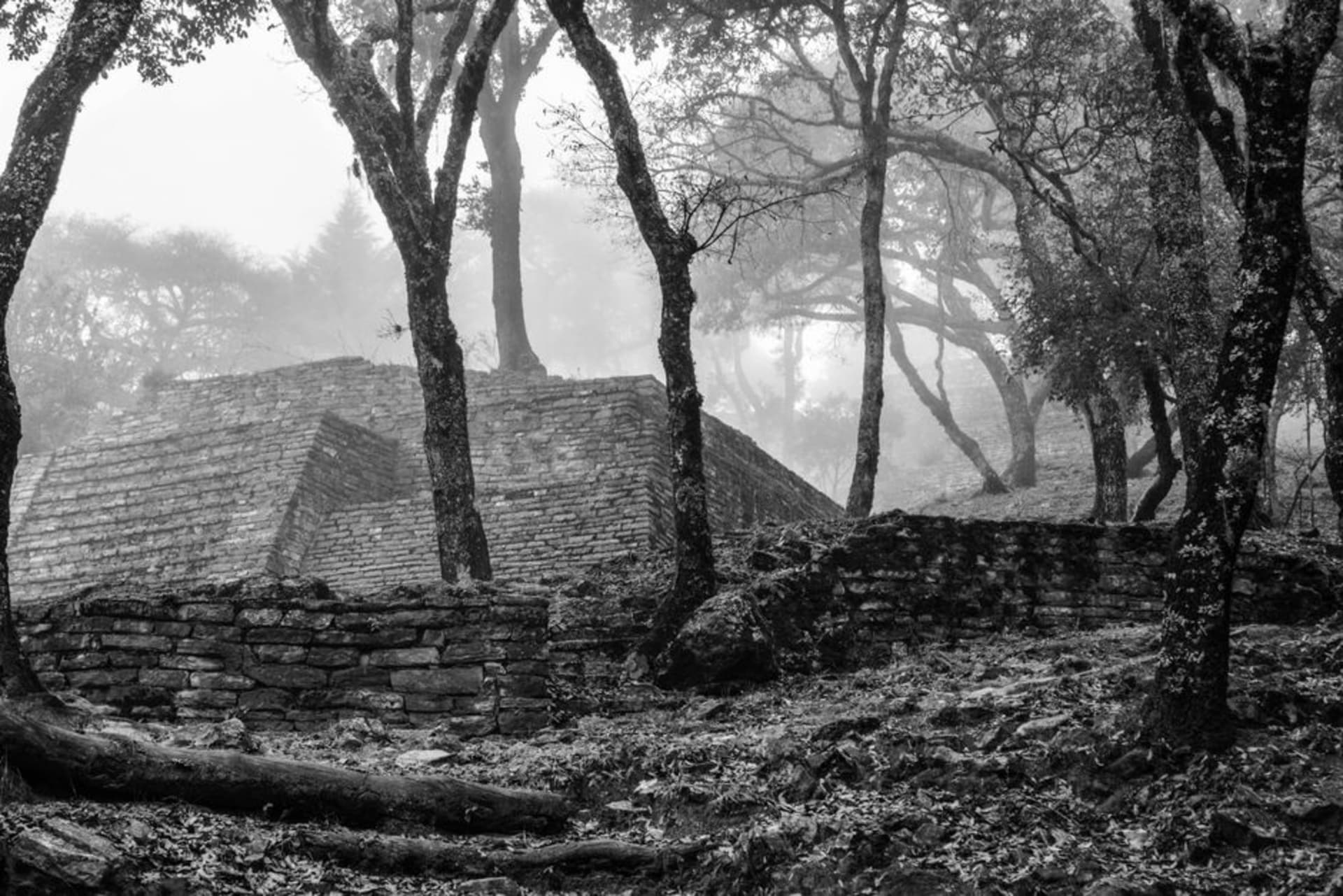
"The ruins of Las Ranas looked out over a canyon so still that I could hear my own breathing echo off the limestone walls."
San Joaquín sits tucked into the limestone canyons of Querétaro's Sierra Gorda, a colonial town so small and quiet that the main plaza empties by eight in the evening. Two pre-Hispanic sites — Las Ranas and Toluquilla — stand within an hour of town, and on most mornings you will have them entirely to yourself.

I came to San Joaquín because I had been reading about the Sierra Gorda for months and kept finding almost nothing useful — which is usually a good sign. The road in from Jalpan runs for about an hour through karst formations and oak forest, the highway narrowing into something that feels provisional, as though the mountains agreed to let it pass but reserved the right to change their minds. I arrived in the late afternoon, parked near the plaza, and found a town that seemed entirely unbothered by the idea that anyone had come to look at it.
Las Ranas and Toluquilla
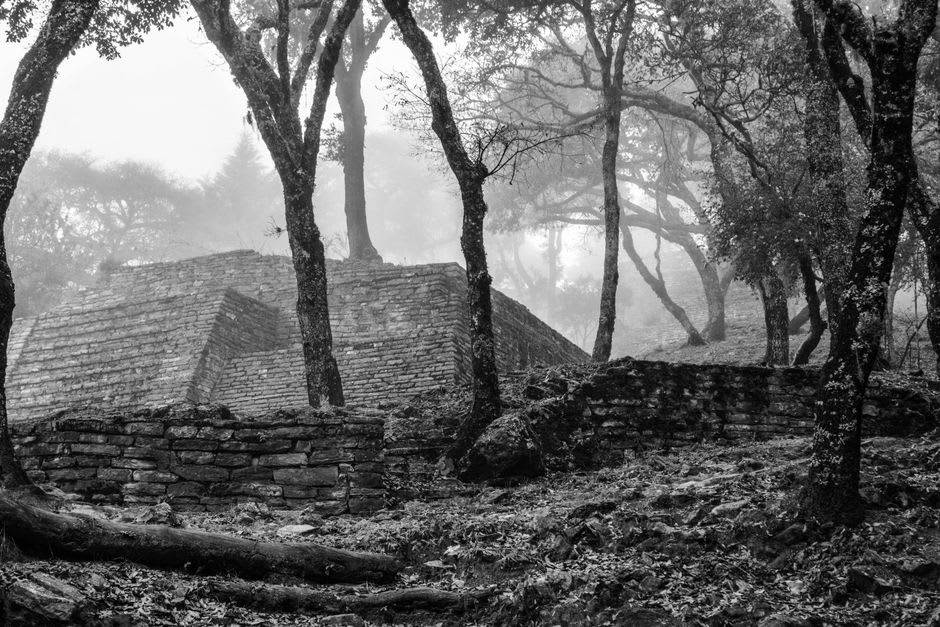
The two archaeological sites are what most people mention, if they mention San Joaquín at all, and the fact that almost no one does is the whole point. Las Ranas — the frogs — sits on a limestone ridge about eight kilometers from town, its ballcourt and pyramidal platforms aligned with the canyon below in a way that feels less like deliberate design and more like listening. I went on a Tuesday morning. The custodian unlocked the gate, pointed at the path, and went back to his chair. That was the whole interaction.
Toluquilla, a few kilometers further into the hills, is smaller and even less visited. The stonework is rougher, the site less restored, which makes it feel more like what it actually is: a place where people lived, traded, watched the sky, and eventually left. Both sites belong to the Huastec-influenced cultures of the region, distinct in style from the better-known ruins further south. The signage is sparse. Bring water and a willingness to work things out for yourself.
The Drive and the Canyon
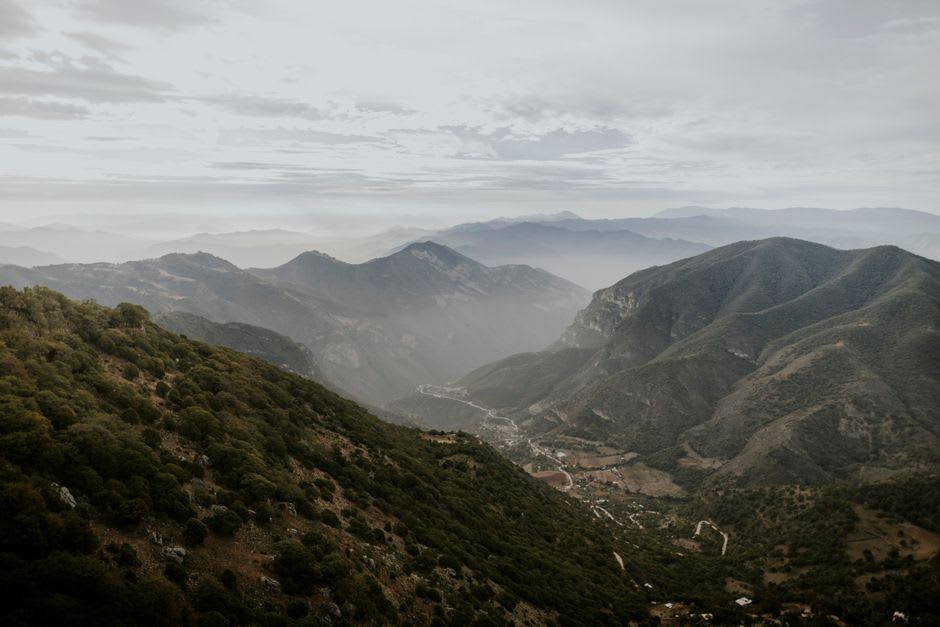
The landscape between Jalpan and San Joaquín is reason enough to make the trip. The Sierra Gorda here is karst country — limestone towers, sudden vertical drops, oak and pine mixing at altitude in a way that feels more like central Spain than Mexico. I stopped twice on the drive in: once to photograph nothing in particular, and once because a truck had stopped ahead of me and there was no passing. Both stops were worth it.
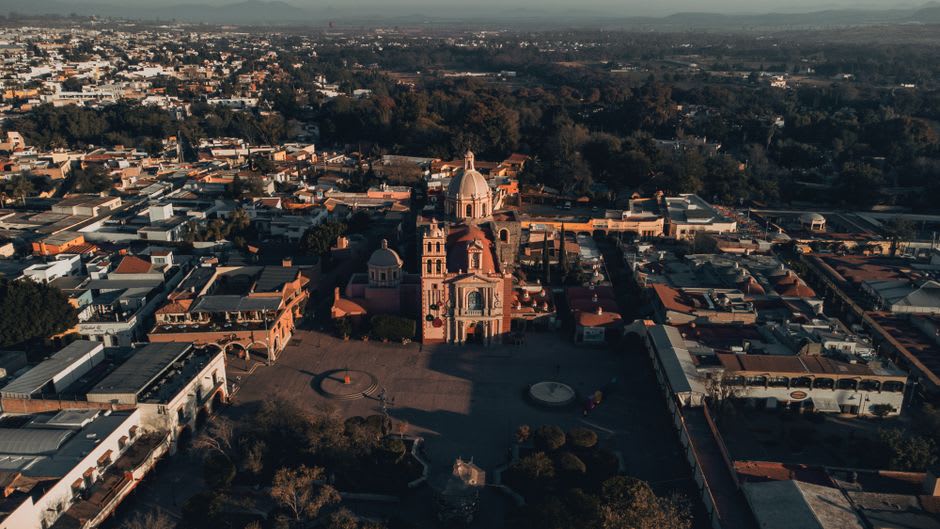
The town itself sits at around 1,900 meters, which means cool nights even in June and mornings that smell of woodsmoke from somewhere you cannot locate. The plaza has a colonial church and a few concrete benches. There is a small Saturday market where I ate gorditas de frijol and drank coffee from a thermos that someone’s grandmother was operating out of a folding table near the presidencia municipal.
Where to Sleep, Where to Eat
Accommodation runs to a handful of small guesthouses and a cabaña or two on the outskirts. I stayed at a place on the edge of the plaza — four hundred pesos a night, a wool blanket, a window that opened onto the church tower, which rang at six in the morning without apology. On weekdays a comedor near the presidencia serves a rotating daily menu of whatever is available. The caldo de res on the day I was there was good enough that I ordered it again the following morning, which seemed to please the woman running the place more than any compliment would have.
Getting There
San Joaquín is about two hours from Jalpan de Serra by car along Highway 120, and four to five hours from Querétaro city. Public transport exists but is infrequent — occasional combis from Jalpan — so a rental car makes the logistics considerably simpler. The road is paved throughout and manageable in a standard vehicle, though the curves demand attention.
Keep exploring
More of Querétaro
Keep exploring
More from Querétaro
 mexico
 Amealco
Amealco is a highland Otomí town in the southern sierra of Querétaro where the famous muñecas de trapo — hand-sewn rag dolls made by Hñähñu women — are made and sold through cooperatives. The landscape is high, cold, and treeless. I drove up in November and came back with three dolls I couldn't stop thinking about, and no adequate explanation for why.
Explore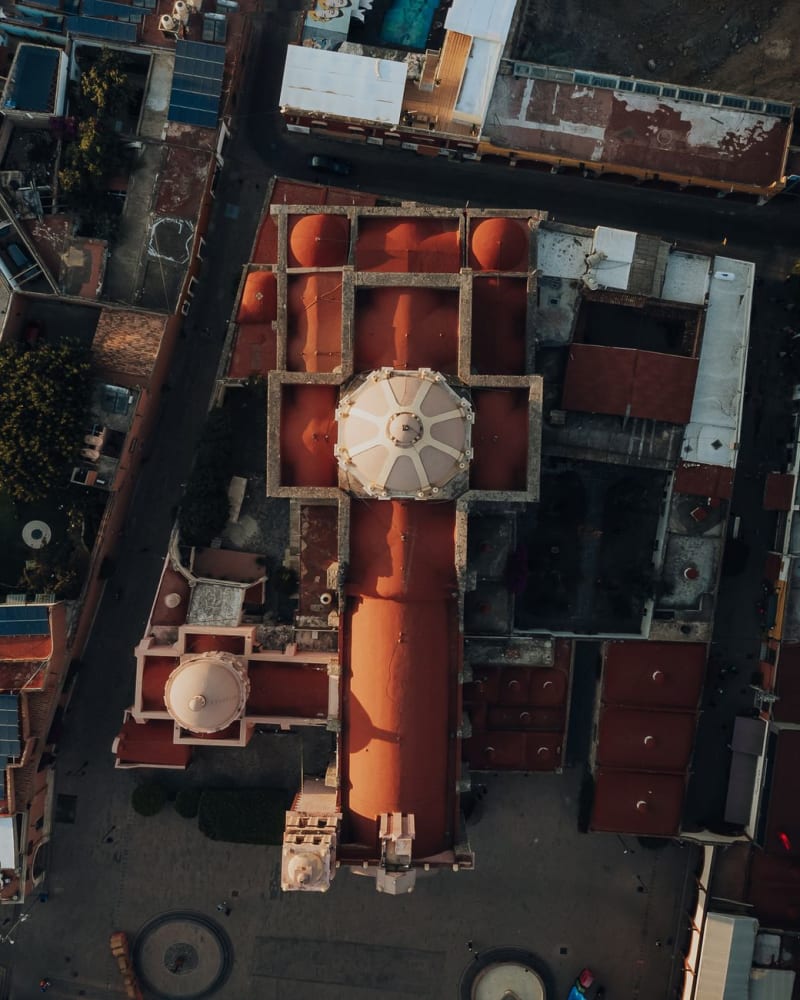 mexico
 Tequisquiapan
A compact weekend town in Querétaro wine and cheese country where the central plaza fills with families on Sunday afternoons and the surrounding semi-desert produces some of the best goat cheese in Mexico. The annual Feria Nacional del Queso y el Vino in May is a legitimately excellent event — not a tourist performance, just people who take dairy seriously gathering to argue about it.
Explore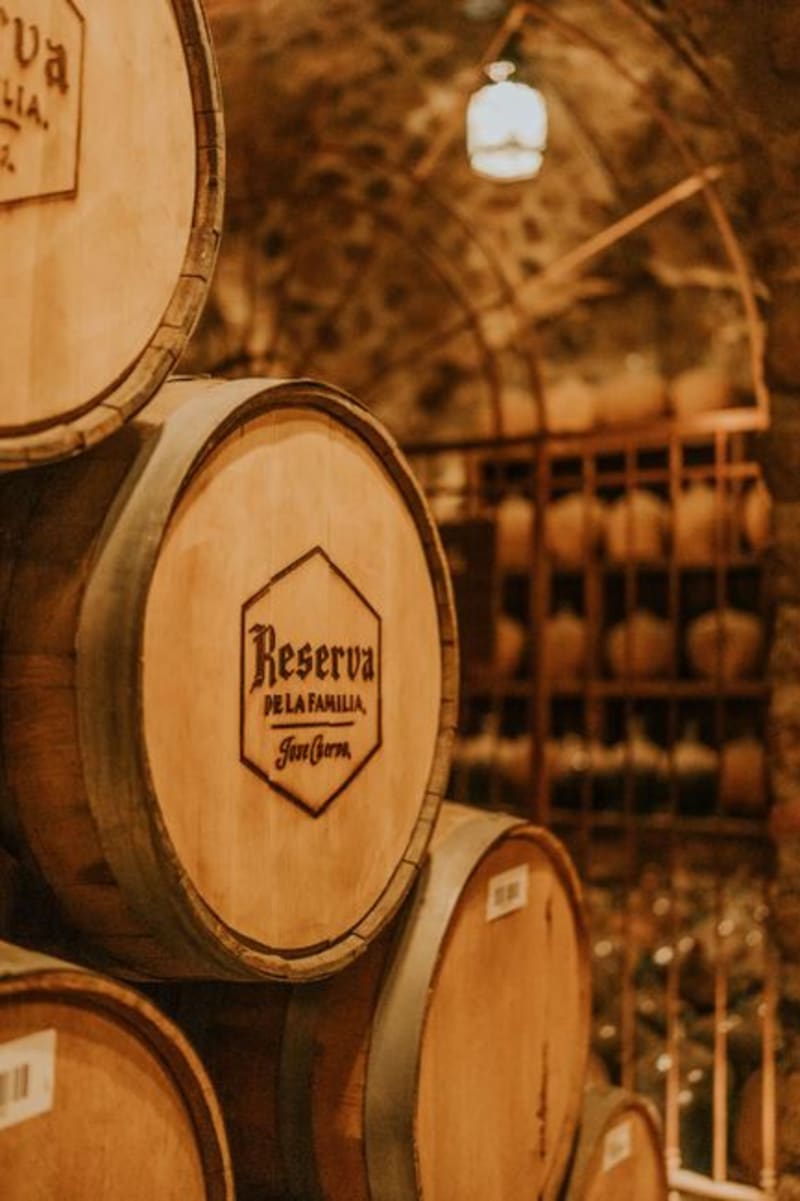 mexico
 Ezequiel Montes
Ezequiel Montes sits on a plateau at 1,800 meters in the Querétaro highlands, where sharp temperature swings between warm days and cold nights produce grapes nobody expected to thrive here until they did. The wine country around it — Cuna de Tierra, Freixenet México, and a handful of quieter producers — makes a serious case for Mexican viticulture without needing to shout about it.
Explore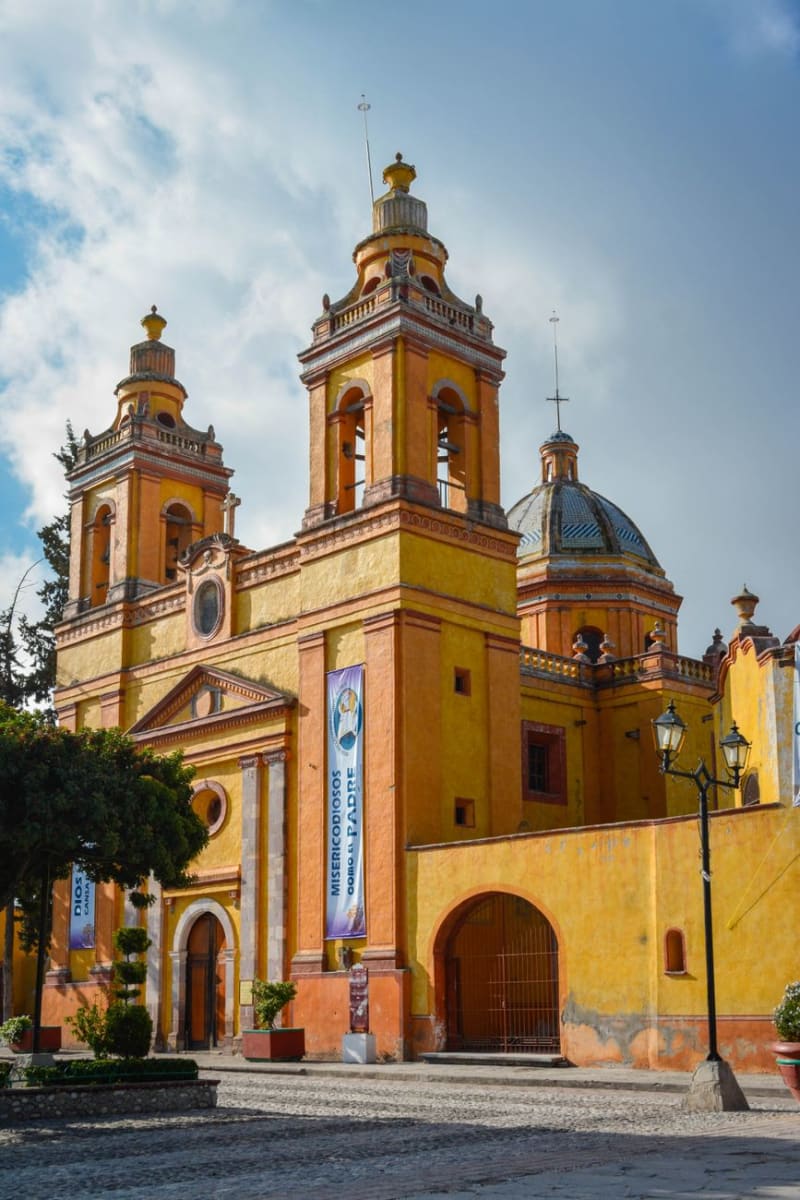 mexico
 Cadereyta de Montes
Cadereyta de Montes is a small colonial town in the eastern foothills of Querétaro that most people pass through on the way to the Sierra Gorda and never stop in, which is a mistake, because the cactus botanical garden here has 2,000 species of succulent plants from across North America and I spent two unplanned hours there and left with a small Mammillaria wrapped in newspaper. The baroque parish church is excellent.
Explore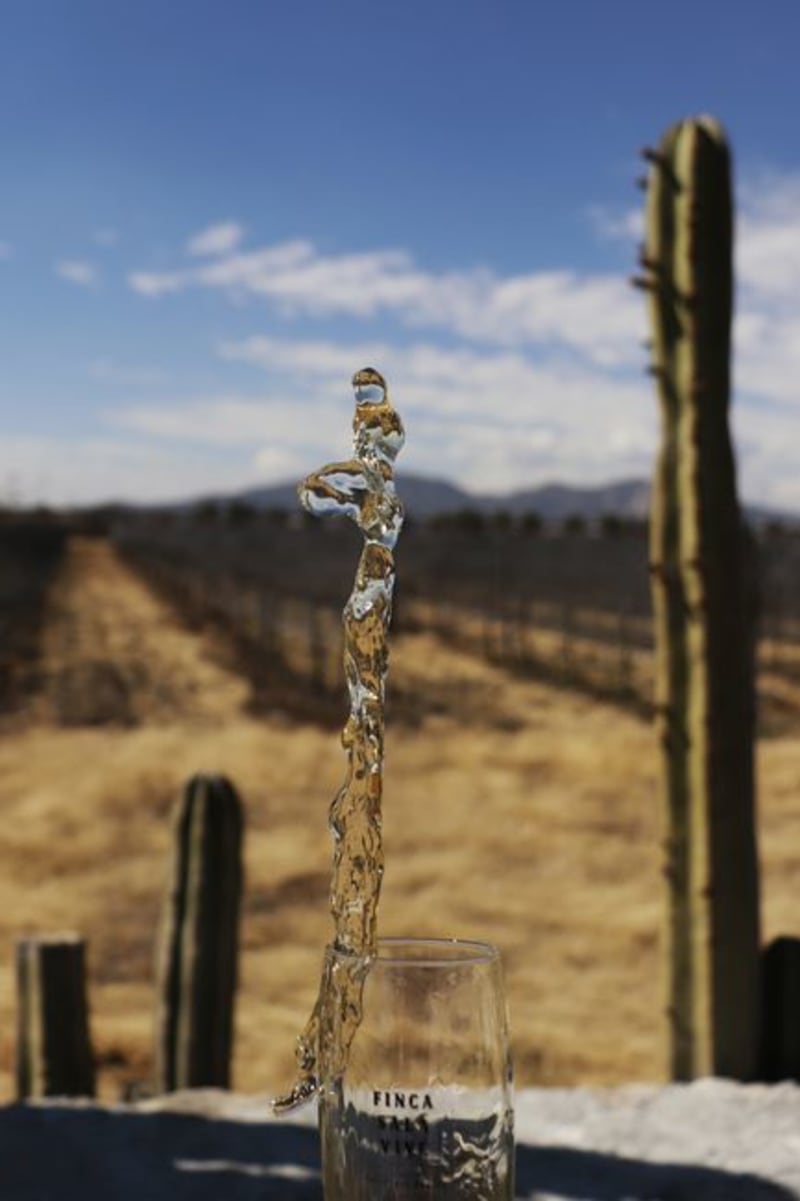 mexico
 Vizarrón de Montes
A marble-quarrying town perched at the edge of one of central Mexico's most dramatic canyons, where the plateau abruptly ends and a world of pale limestone, organ cactus forests, and slow-shifting afternoon light begins. Almost nobody comes here specifically. Almost nobody who does regrets it.
Explore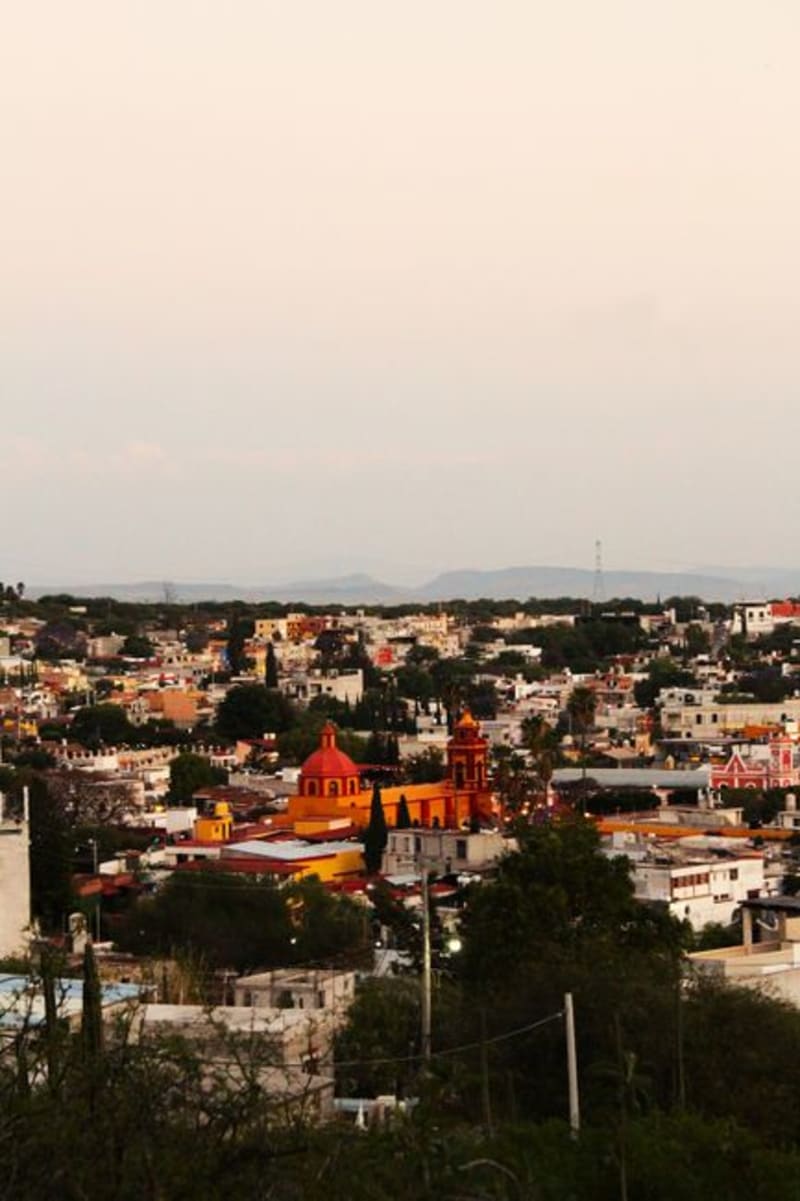 mexico
 Bernal
A pueblo mágico of cobbled streets huddled at the foot of one of the largest monoliths on earth, in the dry hills of Querétaro. A rock so big it edits the sky, a plate of gorditas de migajas cooked on a comal, and the particular hush that falls when the last day-tripper drives back to the city.
Explore