Tequisquiapan
"The cheese market operates at a different pace than the rest of Mexico. Nobody haggles. Everyone samples everything."
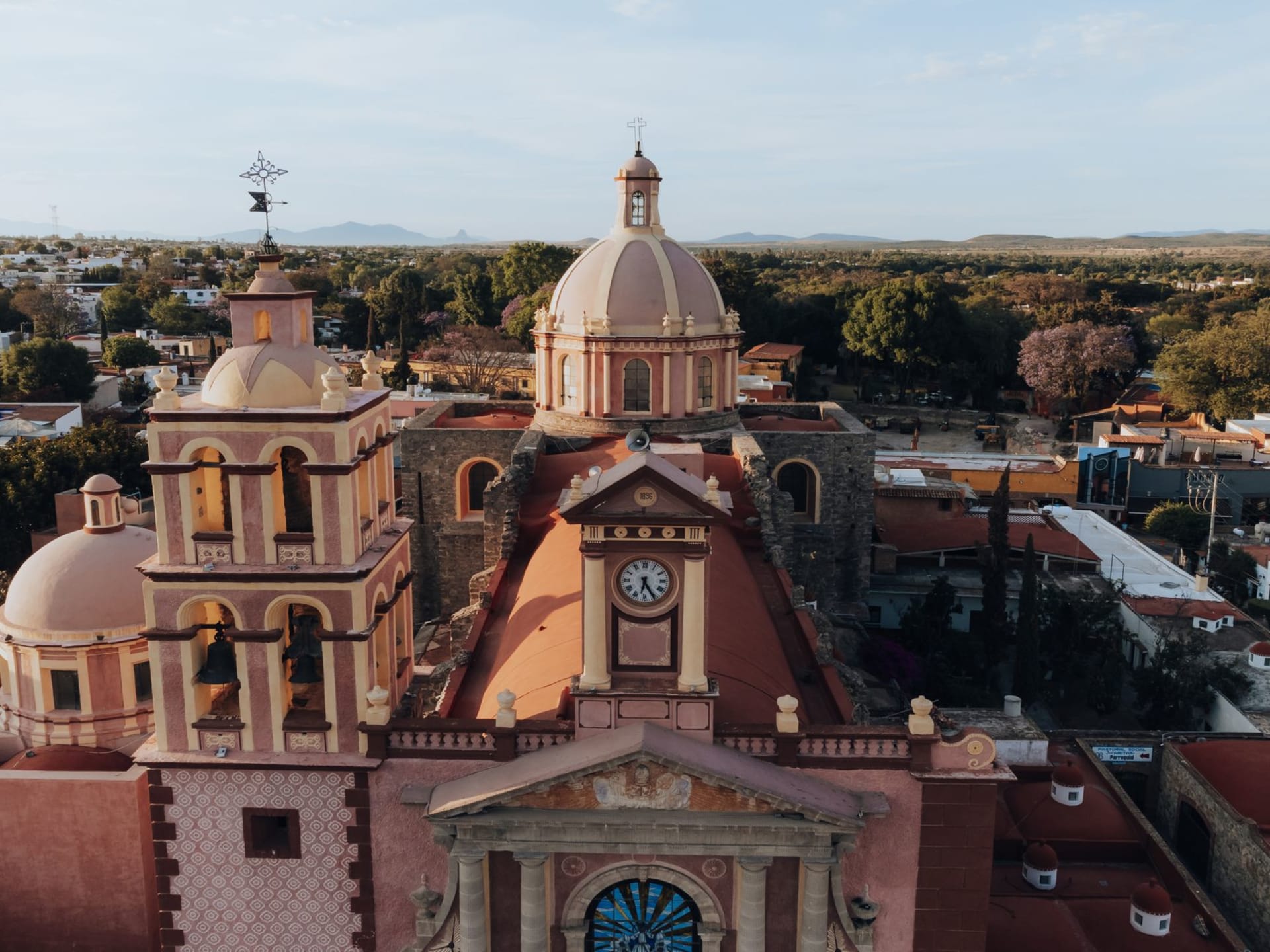
A compact weekend town in Querétaro wine and cheese country where the central plaza fills with families on Sunday afternoons and the surrounding semi-desert produces some of the best goat cheese in Mexico. The annual Feria Nacional del Queso y el Vino in May is a legitimately excellent event — not a tourist performance, just people who take dairy seriously gathering to argue about it.

I came to Tequisquiapan on a Saturday in November, the kind of clear Querétaro morning where the semi-desert air still has a bite to it at eight but turns warm and golden by ten. I had been meaning to come for months — friends from San Miguel had mentioned the cheese, someone else had mentioned the wine, and I kept putting it off because it sounded too pleasant, too easy. It is both of those things. That turns out to be fine.
The Cheese and Wine Country
The valley around Tequisquiapan — locals and signs both call it Tequis — sits at around 1,900 meters and produces a surprising amount of good dairy. The goat cheese coming out of farms in this part of Querétaro is genuinely excellent: firmer than a French chèvre, less salty than most Mexican queso de cabra, with a clean minerality that makes sense once you see what the goats are eating out here. At the Mercado de Artesanías on Calle Niños Héroes, three or four vendors have proper cheese counters with aged wheels and fresh rounds wrapped in cloth. I spent an embarrassing amount of time there, working through samples of a slightly aged queso añejo and a spreadable goat version that I ended up buying two containers of and eating back at my room with tortillas from a comedor nearby. The wines from the surrounding bodegas are less remarkable than the cheese — drinkable, some genuinely good — but the Feria del Queso y el Vino in May draws actual producers rather than vendors with logos on tablecloths, and the atmosphere carries a specific regional pride that you do not have to perform enthusiasm for.

The Plaza on Sunday Afternoon
The Plaza Miguel Hidalgo is one of those Mexican central plazas that functions correctly: portales on three sides, a kiosk in the middle, families actually using it from late afternoon onward. Sunday is when it fills up properly. Vendors appear with quesillo — fresh string cheese pulled into soft ropes — and you can watch children eat it in long strands while their parents sit on the iron benches doing nothing in particular. I ate gorditas de chicharrón from a woman set up near the corner of Ezequiel Montes and Juárez, then bought a bag of cajeta-filled candies from a confectionery that has apparently been on the same block since the 1970s. The pace of the plaza is specifically unhurried. Nobody is performing leisure. They are simply having it.

The Surrounding Semi-Desert
A short drive or an ambitious walk north of town, the landscape opens into dry hills with nopal and wild grasses. A handful of artisan workshops are scattered along the road toward Peña de Bernal — weavers, basket makers, a ceramics studio I stopped at where a woman was painting traditional geometric designs in blue and terracotta. The semi-desert light in the afternoon is particularly good. Not dramatic, just clear and sharp and honest. It is the light that explains why the cheese tastes the way it does, and why people drive two hours from the capital to eat it in a plaza and do nothing else with their weekend.

Getting There
Tequisquiapan is roughly 200 kilometers northeast of Mexico City and about 60 kilometers from Querétaro city. From Querétaro’s Central de Autobuses, ETN and Flecha Amarilla both run frequent buses that take 45 to 60 minutes. By car from the capital, expect two to two and a half hours via the 57D. Most people come for a weekend; Saturday night is when the plaza is fullest.
Keep exploring
More of Querétaro
Keep exploring
More from Querétaro
 mexico
 Ezequiel Montes
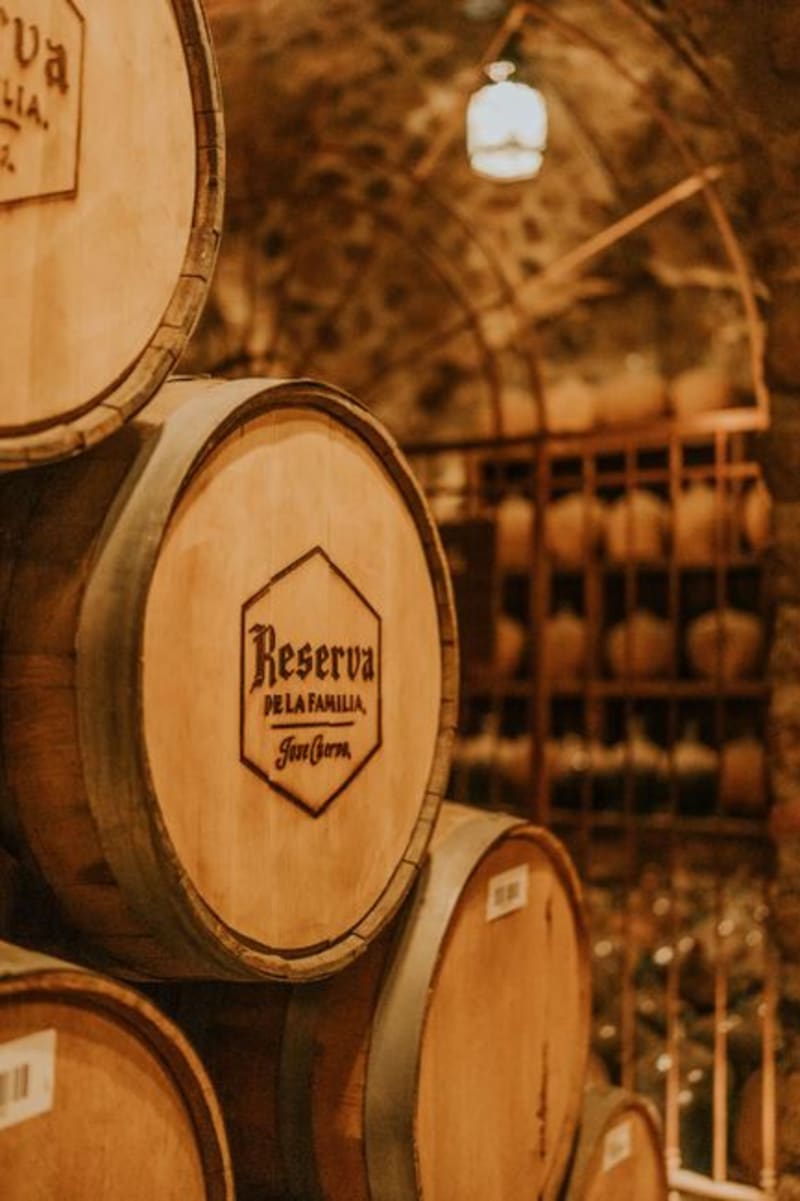
Ezequiel Montes sits on a plateau at 1,800 meters in the Querétaro highlands, where sharp temperature swings between warm days and cold nights produce grapes nobody expected to thrive here until they did. The wine country around it — Cuna de Tierra, Freixenet México, and a handful of quieter producers — makes a serious case for Mexican viticulture without needing to shout about it.
Explore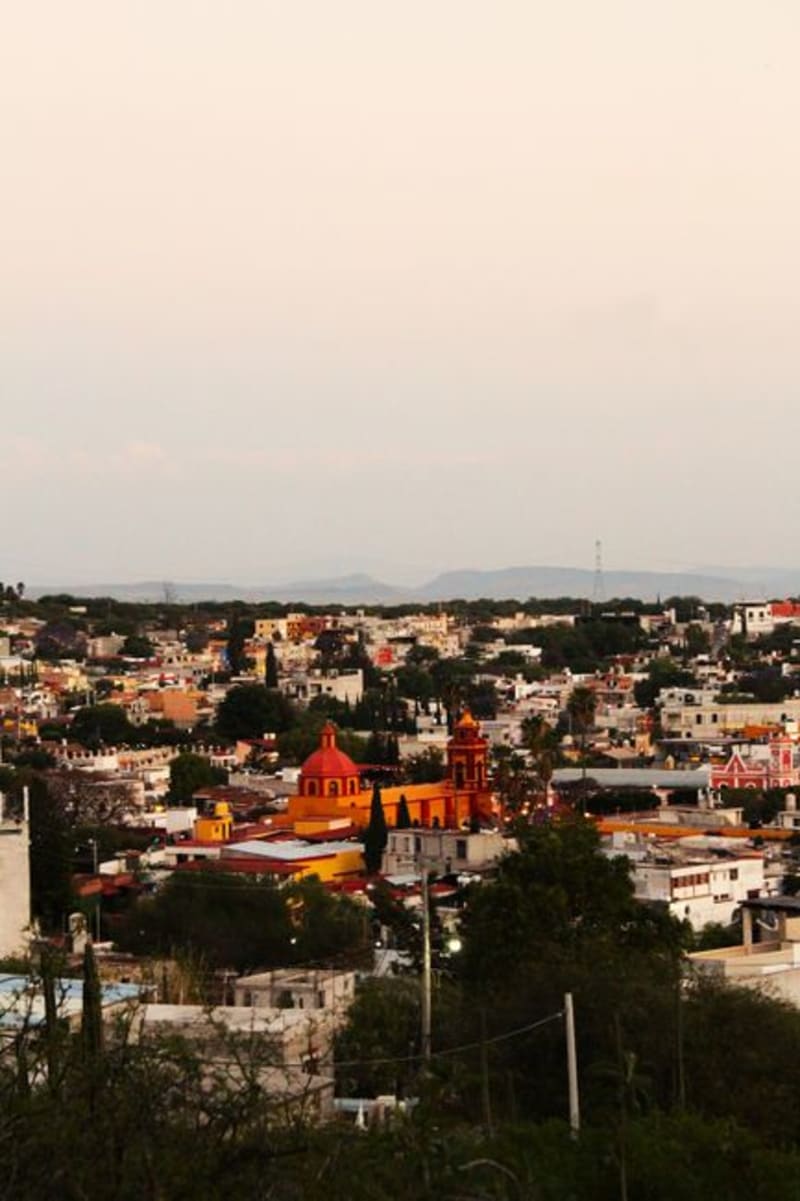 mexico
 Bernal
A pueblo mágico of cobbled streets huddled at the foot of one of the largest monoliths on earth, in the dry hills of Querétaro. A rock so big it edits the sky, a plate of gorditas de migajas cooked on a comal, and the particular hush that falls when the last day-tripper drives back to the city.
Explore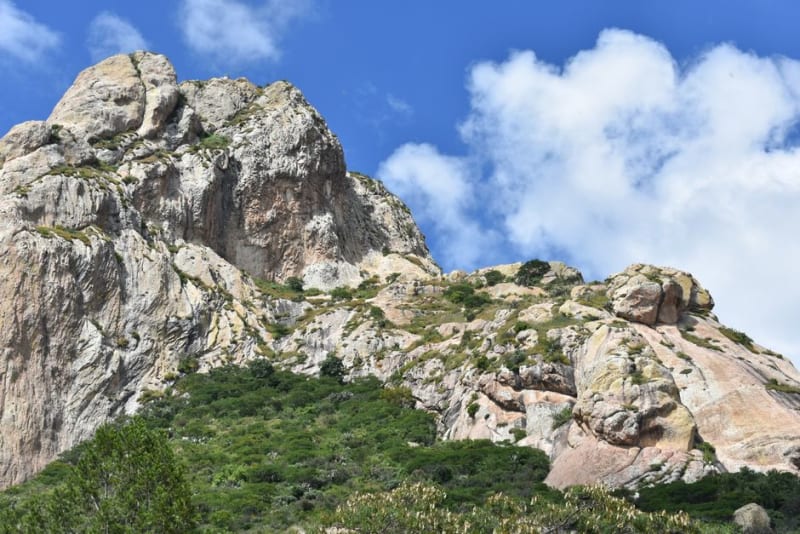 mexico
 Peña de Bernal
The third-largest monolith on Earth rising from a colonial village in the Querétaro highlands — a 433-meter rock that the Chichimec people considered sacred, surrounded by a Pueblo Mágico of queso de tuna cactus candy and artisanal textiles.
Explore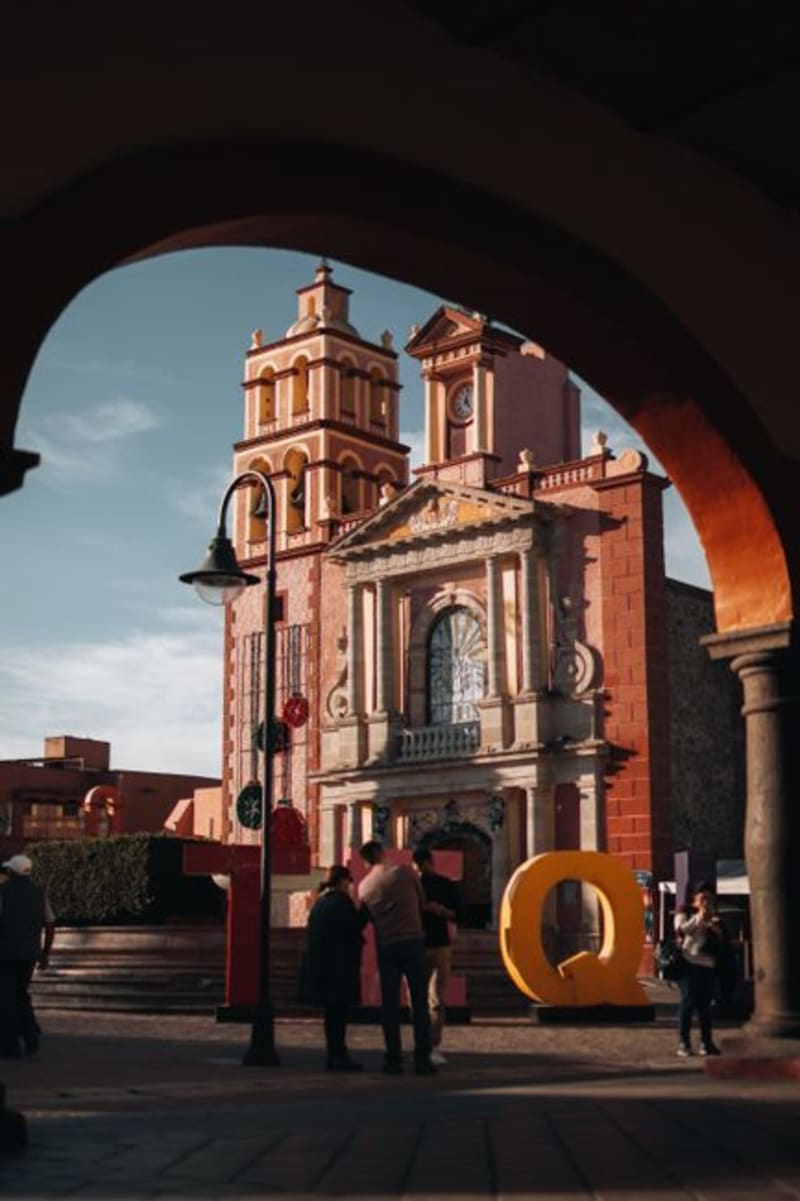 mexico
 Colón
A semi-arid municipality in central Querétaro spread beneath the Cerro El Zamorano, the state's highest peak. Ranch country and big dry skies, with a young vineyard scene taking root in the hills — quiet, spacious, and easy to breathe in.
Explore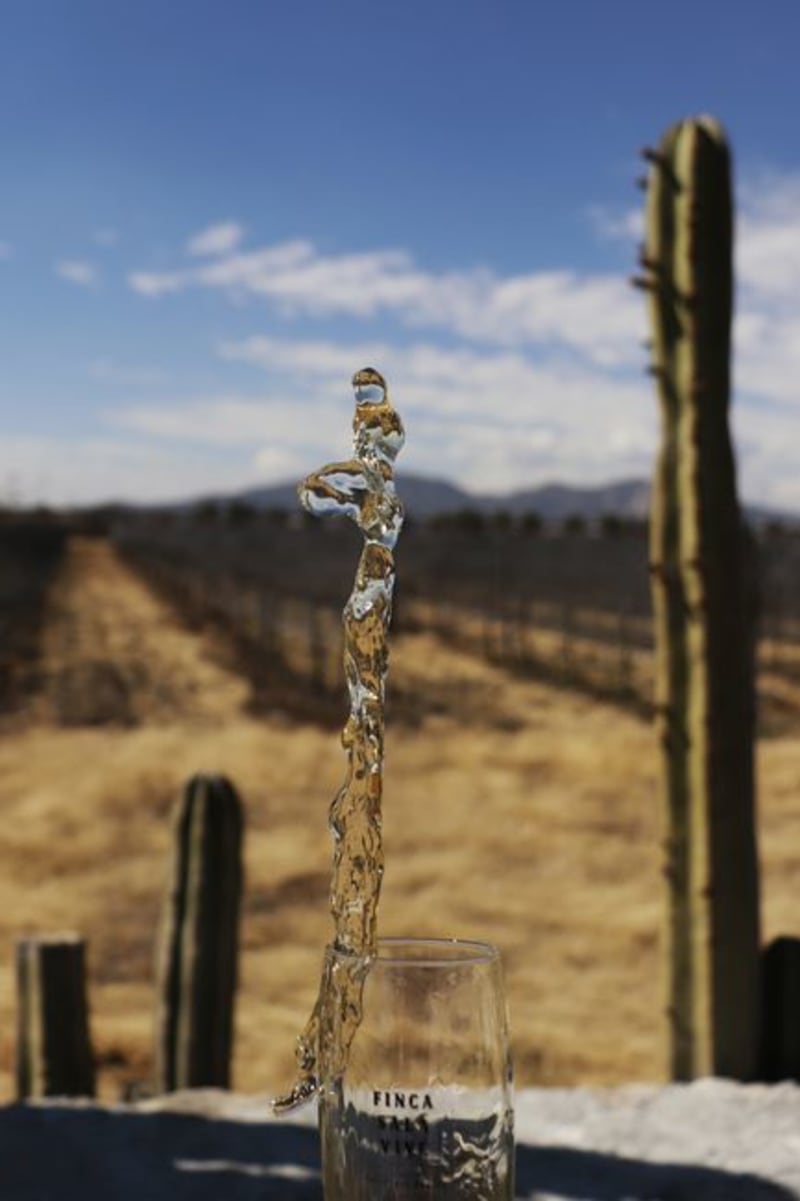 mexico
 Vizarrón de Montes
A marble-quarrying town perched at the edge of one of central Mexico's most dramatic canyons, where the plateau abruptly ends and a world of pale limestone, organ cactus forests, and slow-shifting afternoon light begins. Almost nobody comes here specifically. Almost nobody who does regrets it.
Explore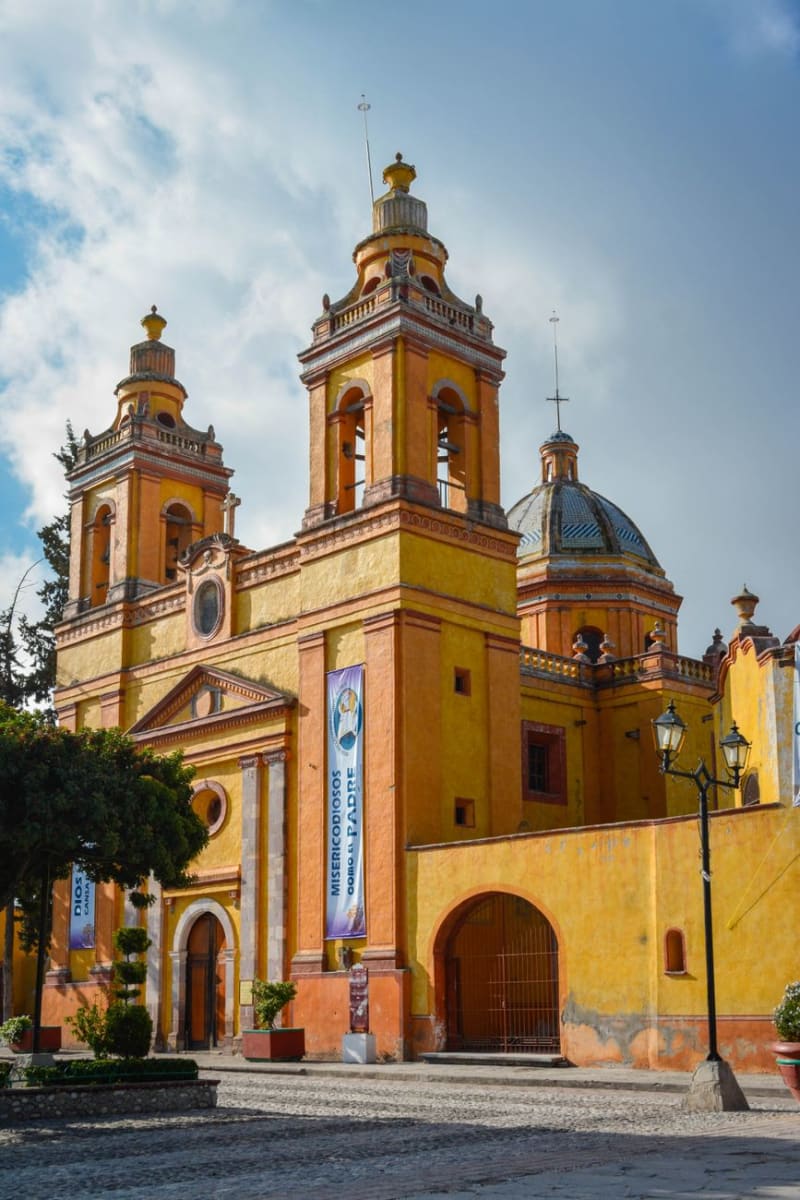 mexico
 Cadereyta de Montes
Cadereyta de Montes is a small colonial town in the eastern foothills of Querétaro that most people pass through on the way to the Sierra Gorda and never stop in, which is a mistake, because the cactus botanical garden here has 2,000 species of succulent plants from across North America and I spent two unplanned hours there and left with a small Mammillaria wrapped in newspaper. The baroque parish church is excellent.
Explore