Bernal
"The rock does not care about your weekend. It has been here three hundred times as long as anyone."
A pueblo mágico of cobbled streets huddled at the foot of one of the largest monoliths on earth, in the dry hills of Querétaro. A rock so big it edits the sky, a plate of gorditas de migajas cooked on a comal, and the particular hush that falls when the last day-tripper drives back to the city.

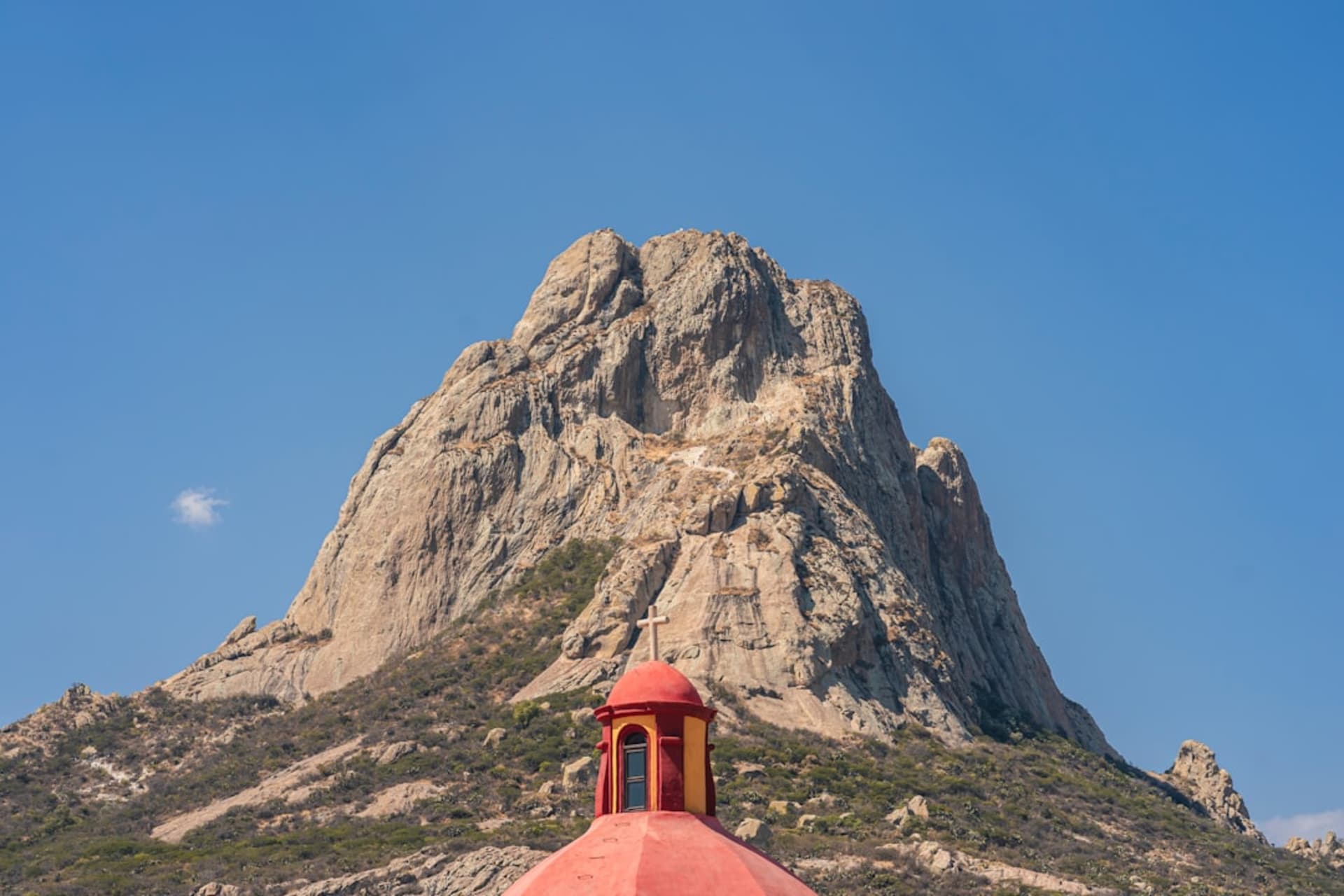
I saw the Peña de Bernal before I saw the town. You do. It comes up out of the Querétaro scrubland like a thumb pushed through the crust of the earth, and for the last twenty minutes of the drive from the city it simply grows, filling more and more of the windshield until I stopped trusting my sense of scale entirely. I parked, got out, and stood in the little plaza with my neck bent back, feeling the specific vertigo of a thing too large to argue with.
A Rock That Edits the Sky
They tell you it is one of the three largest monoliths in the world, and I have no way to verify that, but standing under it I stopped needing the ranking. What struck me instead was how it changes the light. The town sits in its shadow for a good part of the afternoon, so the streets go cool and blue while the upper third of the rock still burns gold. I walked the cobbles of the old center — low houses painted mustard and terracotta, wooden doors, bougainvillea spilling over walls — and every gap between buildings framed the same monolith, closer than seemed reasonable.
The climb only goes so far. Ordinary walkers reach a chapel and a shoulder of stone about halfway up; the rest is for people with ropes and better judgment than mine. I went to the halfway point, sat on warm rock, and watched the valley of agave and huizache stretch out below.

Gorditas, Cheese, and the Wine Road
Bernal feeds you well, and cheaply, if you eat where the locals do. I found a woman working a comal at the edge of the market, patting out gorditas de migajas — fat little masa pockets stuffed with the crumbly toasted bits of chicharrón, pressed until the edges crisped. She served them with a green salsa that made my eyes water and refused, kindly, to let me overpay.
This corner of Querétaro has quietly become wine and cheese country. The valleys around Ezequiel Montes and Tequisquiapan are dotted with vineyards and small dairies now, and you can spend a slow day driving between them, tasting stubborn high-altitude reds and fresh cheeses. I am French enough to have arrived skeptical and honest enough to admit I drove home with two bottles.

The Town After the Day-Trippers Leave
Bernal on a Saturday afternoon belongs to CDMX and Querétaro — buses, families, vendors selling opals dug from the surrounding hills, the plaza loud and cheerful. But I stayed the night, and around six the tour buses pulled out one by one, and the town exhaled.
By dusk the streets were nearly mine. Swallows carved the air around the monolith. An old man set out chairs in front of his door. The rock went from gold to rose to a flat grey silhouette against the first stars, and the temperature dropped the way it does in the high desert, fast and clean. I bought a mezcal at a tiny bar and drank it slowly under a rock older than anything I can properly imagine.

Getting There
Bernal is about 60 kilometers east of Querétaro city, an easy hour on good highway (Highway 57 then the state road toward Ezequiel Montes). From Mexico City it is roughly three hours. Frequent buses and colectivos run from Querétaro’s bus terminal, especially on weekends. If you can, come on a weekday or stay the night — the town is transformed once the day-trippers go home, and the equinox pilgrimages up the rock aside, dusk is when Bernal is truly itself.
Keep exploring
More of Querétaro
Keep exploring
More from Querétaro
 mexico
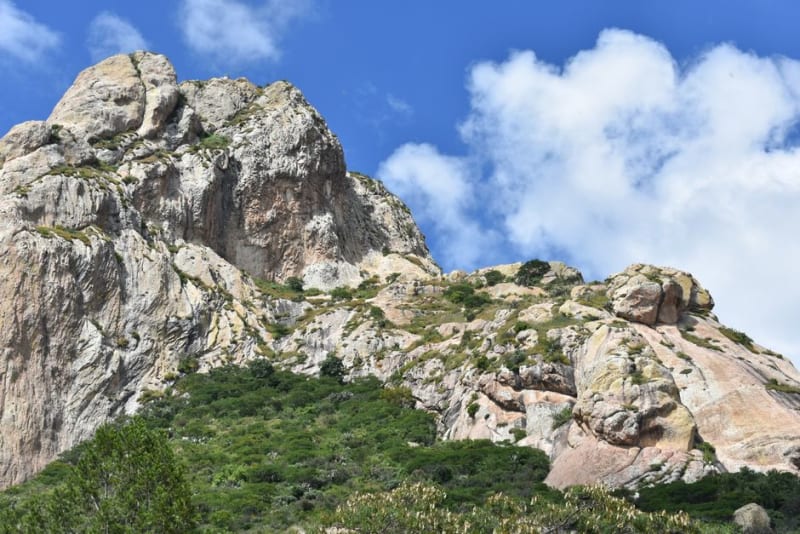
 Peña de Bernal
The third-largest monolith on Earth rising from a colonial village in the Querétaro highlands — a 433-meter rock that the Chichimec people considered sacred, surrounded by a Pueblo Mágico of queso de tuna cactus candy and artisanal textiles.
Explore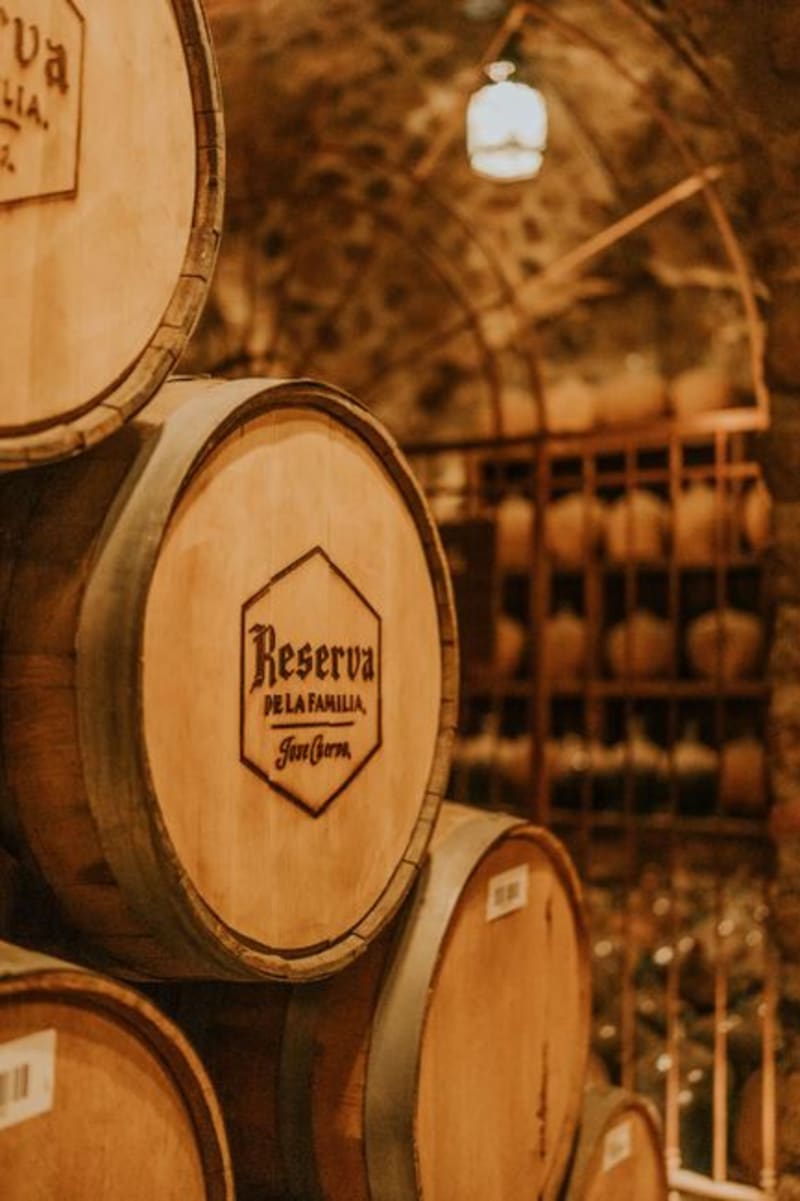 mexico
 Ezequiel Montes
Ezequiel Montes sits on a plateau at 1,800 meters in the Querétaro highlands, where sharp temperature swings between warm days and cold nights produce grapes nobody expected to thrive here until they did. The wine country around it — Cuna de Tierra, Freixenet México, and a handful of quieter producers — makes a serious case for Mexican viticulture without needing to shout about it.
Explore mexico
 Colón
A semi-arid municipality in central Querétaro spread beneath the Cerro El Zamorano, the state's highest peak. Ranch country and big dry skies, with a young vineyard scene taking root in the hills — quiet, spacious, and easy to breathe in.
Explore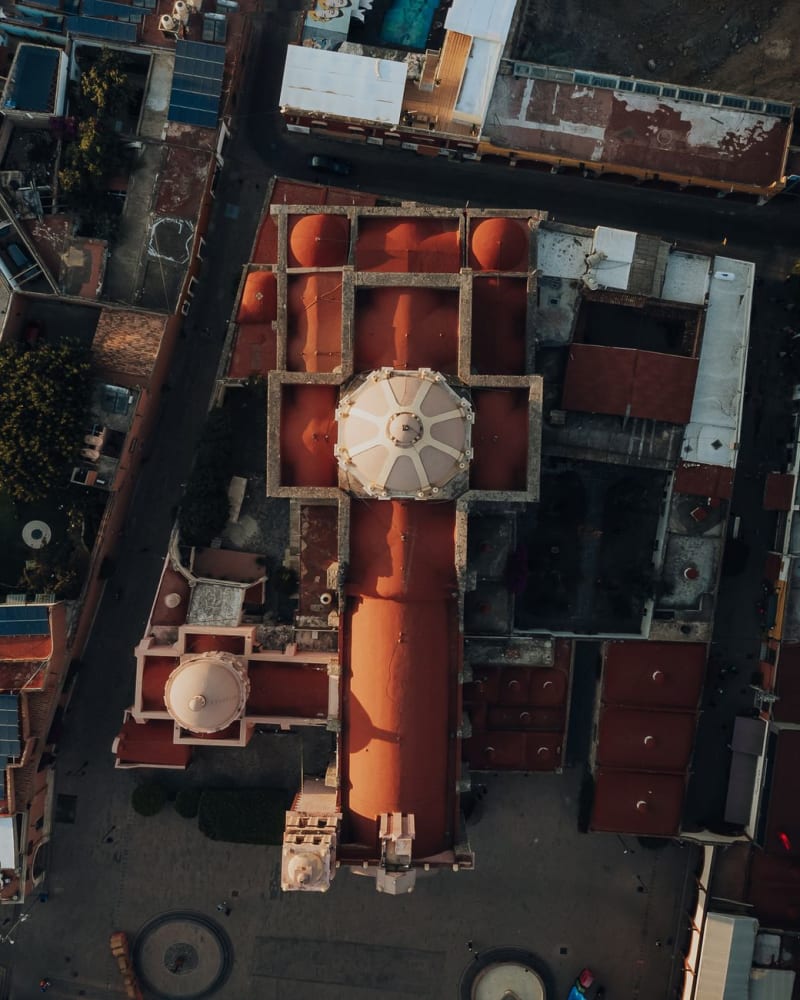 mexico
 Tequisquiapan
A compact weekend town in Querétaro wine and cheese country where the central plaza fills with families on Sunday afternoons and the surrounding semi-desert produces some of the best goat cheese in Mexico. The annual Feria Nacional del Queso y el Vino in May is a legitimately excellent event — not a tourist performance, just people who take dairy seriously gathering to argue about it.
Explore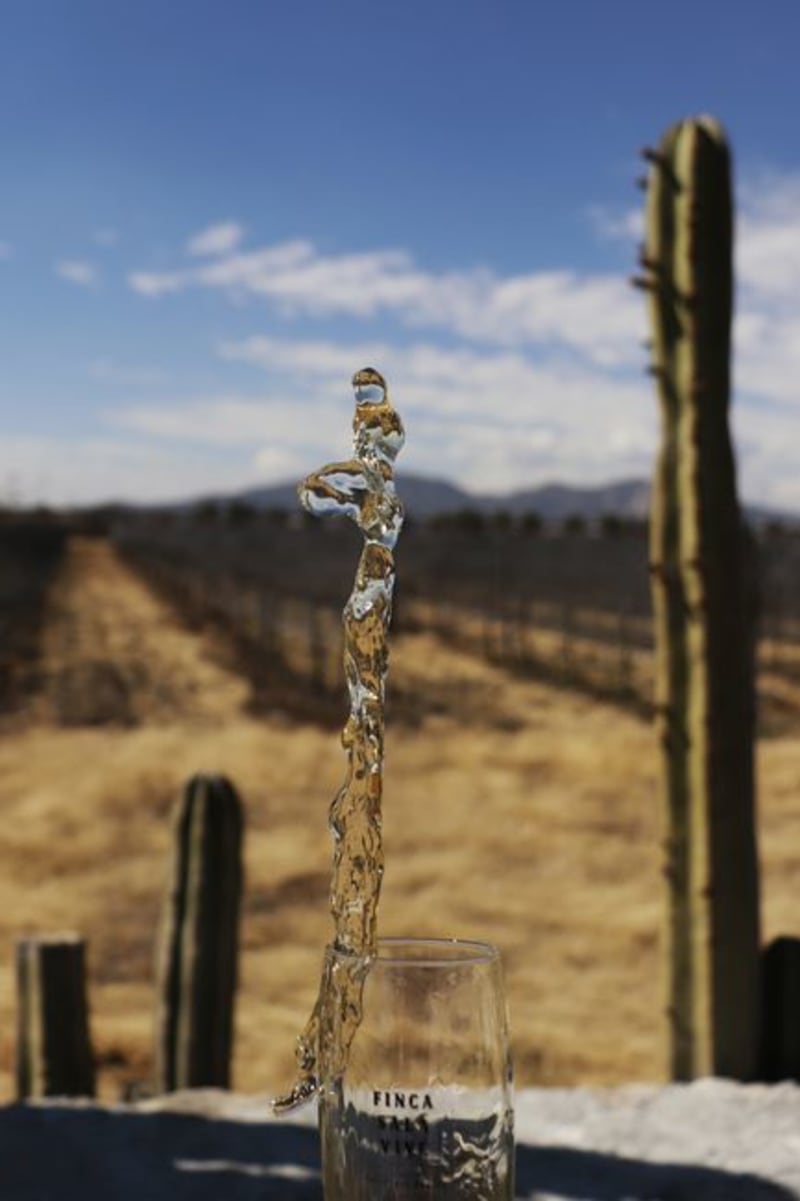 mexico
 Vizarrón de Montes
A marble-quarrying town perched at the edge of one of central Mexico's most dramatic canyons, where the plateau abruptly ends and a world of pale limestone, organ cactus forests, and slow-shifting afternoon light begins. Almost nobody comes here specifically. Almost nobody who does regrets it.
Explore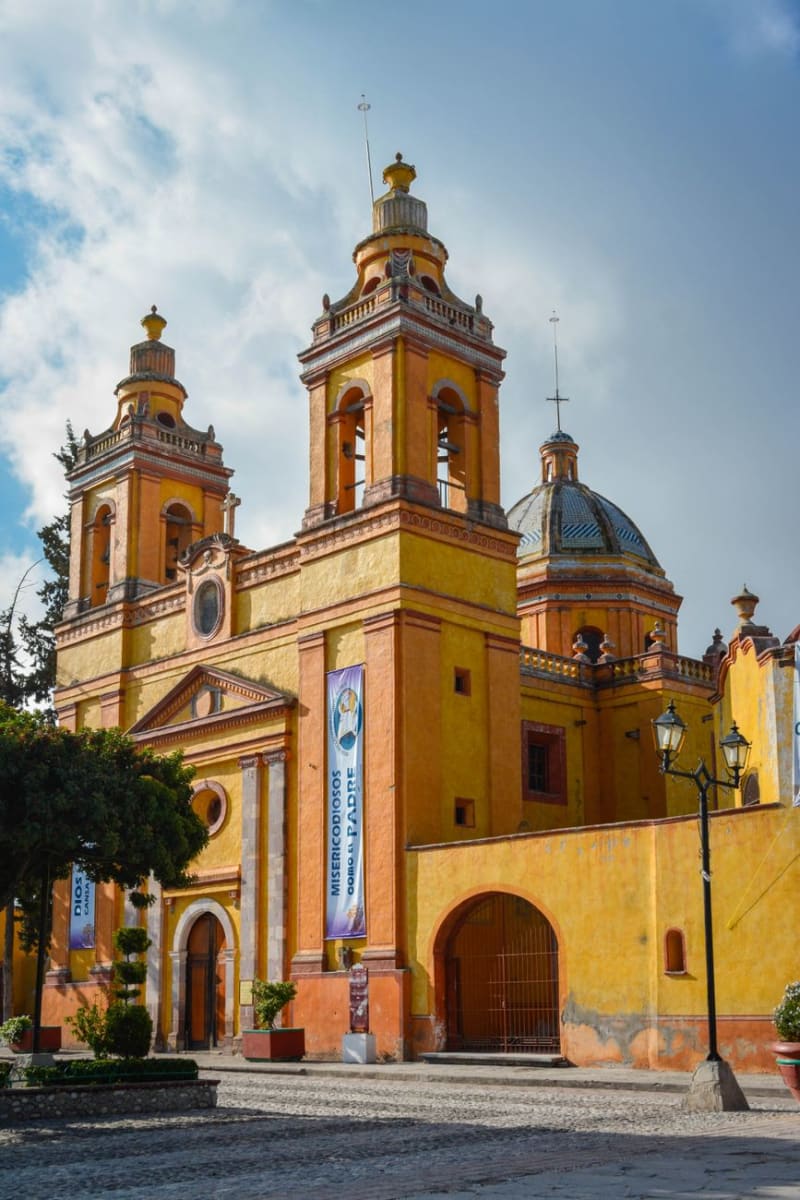 mexico
 Cadereyta de Montes
Cadereyta de Montes is a small colonial town in the eastern foothills of Querétaro that most people pass through on the way to the Sierra Gorda and never stop in, which is a mistake, because the cactus botanical garden here has 2,000 species of succulent plants from across North America and I spent two unplanned hours there and left with a small Mammillaria wrapped in newspaper. The baroque parish church is excellent.
Explore