Huasteca Canyon
"Three hundred meters of vertical limestone twenty minutes from the Macroplaza — Monterrey's backyard makes no sense and is magnificent for it."
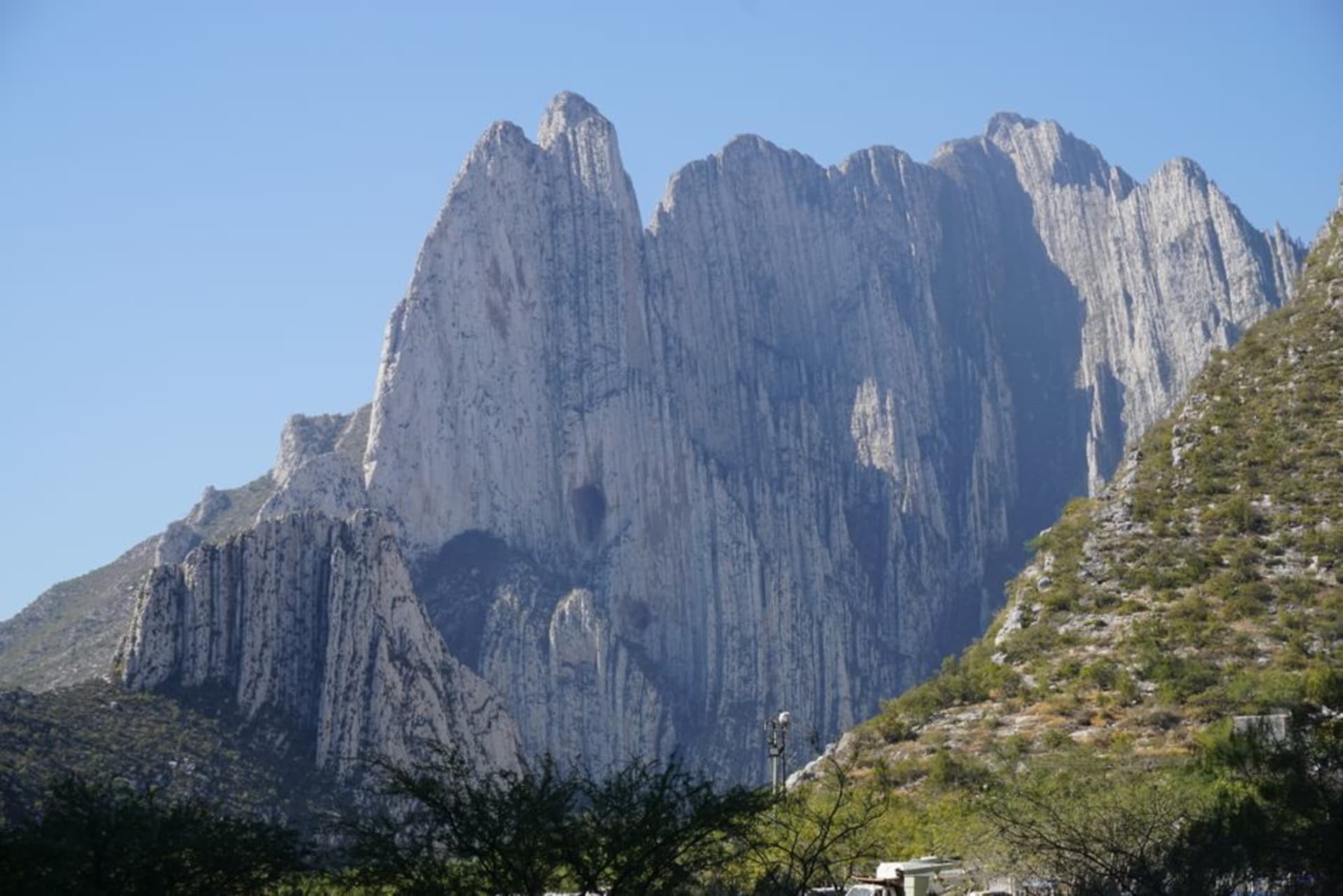
Twenty minutes from downtown Monterrey, the Cañón de la Huasteca drops three hundred meters of sheer limestone into a gorge so narrow the sky becomes a thin blue ribbon above you. Rock climbers arrive from across the world; everyone else arrives to be reminded how small they are. The regiomontanos treat it as a Sunday errand, which I find quietly magnificent.

I took an Uber from my hotel near Barrio Antiguo on a Tuesday morning, hit the canyon in under half an hour, and stood at the mirador feeling like someone had rearranged reality while I wasn’t paying attention. Behind me: Monterrey’s skyline, cranes, the low hum of industrial Mexico. In front of me: a gorge that should not exist this close to a city of five million. The Cañón de la Huasteca does not ease you in. It simply appears, improbable and enormous, the limestone walls rising so steeply that the afternoon light only reaches the canyon floor for a narrow window each day.
The Walls
The thing nobody tells you about Huasteca is that the scale keeps shifting on you. From the road into the Parque Ecológico, the walls look impressive. Once you drop down toward the river and stand inside the gorge, impressive becomes the wrong word entirely — the correct word is geological, or maybe humbling. The limestone here is Cretaceous, laid down when this part of Mexico sat beneath a shallow sea, and the canyon was carved by the Santa Catarina River over millions of years. Standing in the narrow sections, where the walls close to maybe fifty meters apart and the rock face is streaked orange, cream, and rust in long vertical bands, you feel the time of it. Climbers move across the upper routes like slow insects. Most of them are working multi-pitch lines that top out at three hundred meters, routes with ratings that mean nothing to me but apparently mean something serious to the community that travels here specifically for them. I watched one team for a while from below, neck craned back, until my eyes watered.

What the Canyon Floor Feels Like
The trail down to the riverbed is loose in places — wear shoes with grip, not sandals, which I say as someone who arrived in sandals and spent twenty minutes being very careful. Down at the water, the air drops noticeably and the sound changes completely: city traffic replaced by the river moving over smooth stone, birds I couldn’t name, the occasional shout from a climber echoing off the walls. Families from Monterrey spread out on the flat rocks with coolers and folding chairs, children wading in the shallows. A man was selling elotes and agua de tamarindo from a cart he had somehow wheeled down the path. I bought both. The tamarindo was very good, tart and cold. The elotes came slathered in crema and chili powder. I ate standing up, watching the walls change color as the sun moved.

The City Just Over the Ridge
What stays with me is the dissonance. Drive back out through the canyon’s mouth and Monterrey reassembles itself around you in five minutes: overpasses, Oxxos, the Cerro de la Silla in the background. The canyon functions as a parenthesis in the city’s run-on sentence, and the regiomontanos have absorbed it so completely into ordinary life that they seem faintly surprised when visitors make a fuss about it. A friend from Monterrey shrugged when I mentioned it. “Sure, la Huasteca,” she said. “You went on a weekday? Smart.” That is high praise from a regiomontano.

Getting There
From central Monterrey, an Uber to the Parque Ecológico de Chipinque entrance near Santa Catarina runs around 25–35 minutes and 120–180 pesos depending on traffic. Buses from the city center exist but require connections. Entrance to the canyon area is free; some sections of the surrounding ecological park charge a small fee. Go Tuesday through Thursday to avoid weekend crowds. Morning light is better; late afternoon makes the walls glow.
Keep exploring
More of Nuevo León
Keep exploring
More from Nuevo León
 mexico
Iturbide
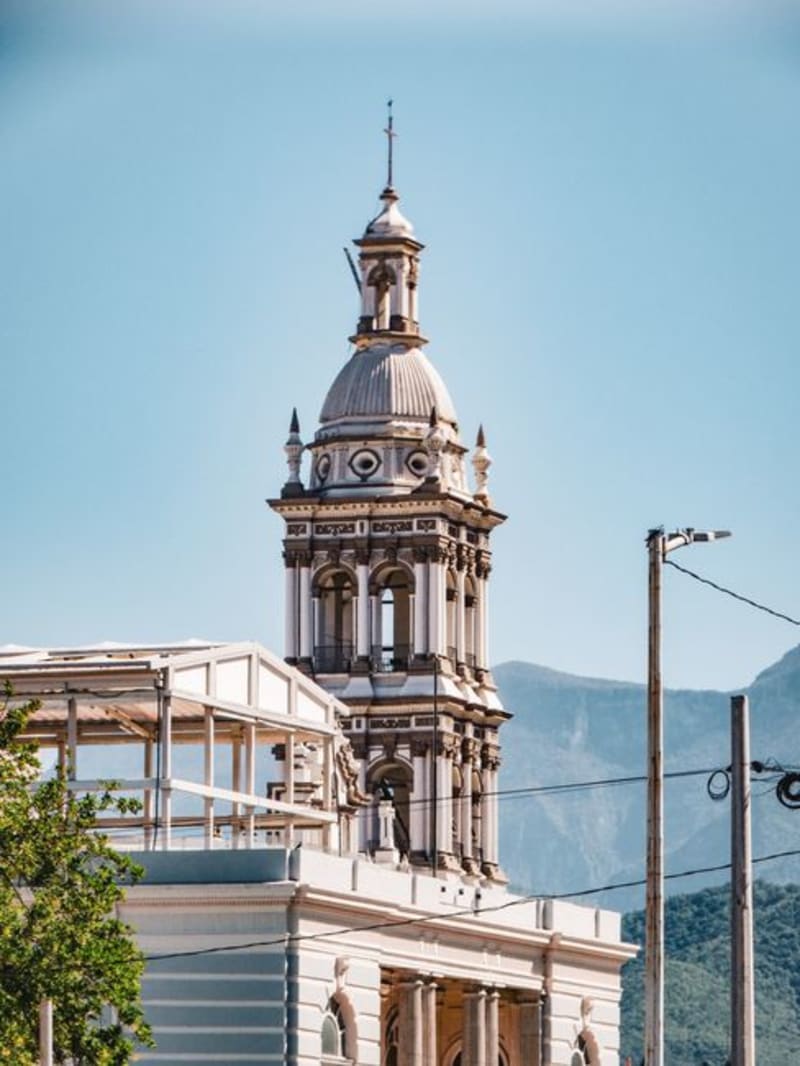
Two hours south of Monterrey and two centuries back in atmosphere, Iturbide is a colonial mountain town in the Sierra Madre Oriental that built its identity on silver and quietly rebuilt it on artisanal mezcal and aged goat cheese. The plaza is genuinely pretty, the production is genuinely local, and neither has been packaged for anyone yet.
Explore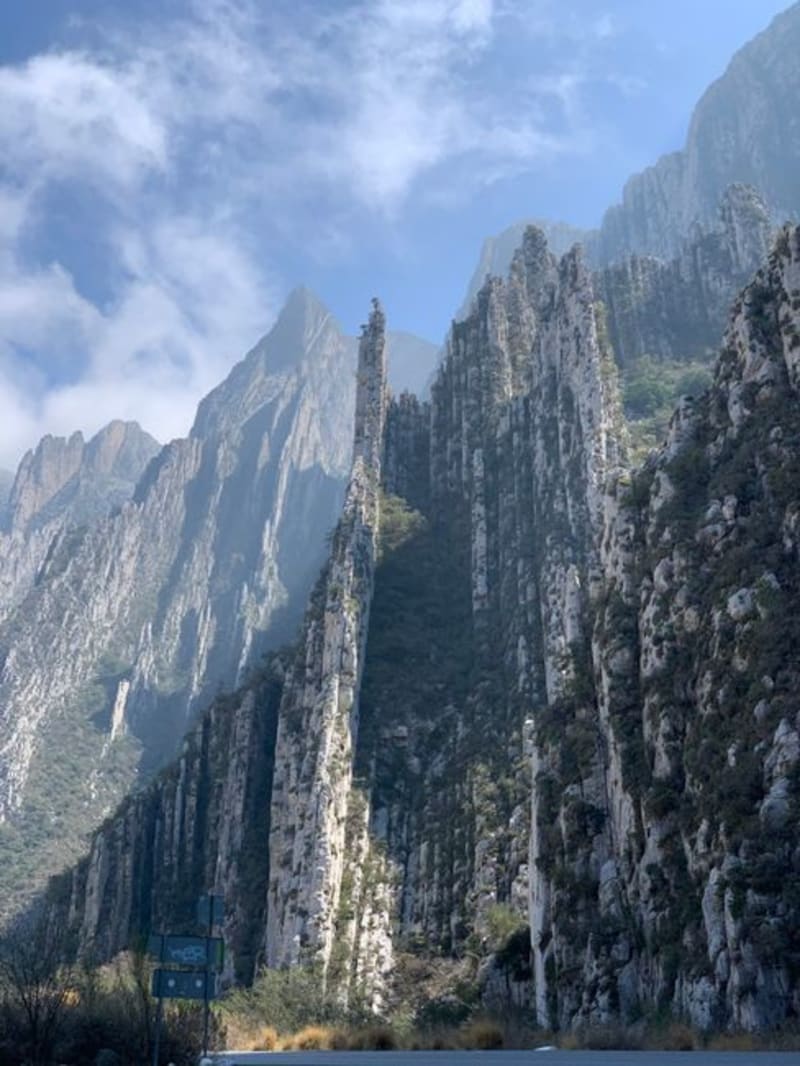 mexico
Laguna de Sánchez
A high-altitude reservoir folded into the Sierra Madre Oriental two hours south of Monterrey, where pine slopes meet cold water and the air carries a clarity that feels geologically improbable after the basin heat below. Regiomontanos have been making the drive for decades; I arrived by wrong turn and stayed considerably longer than planned.
Explore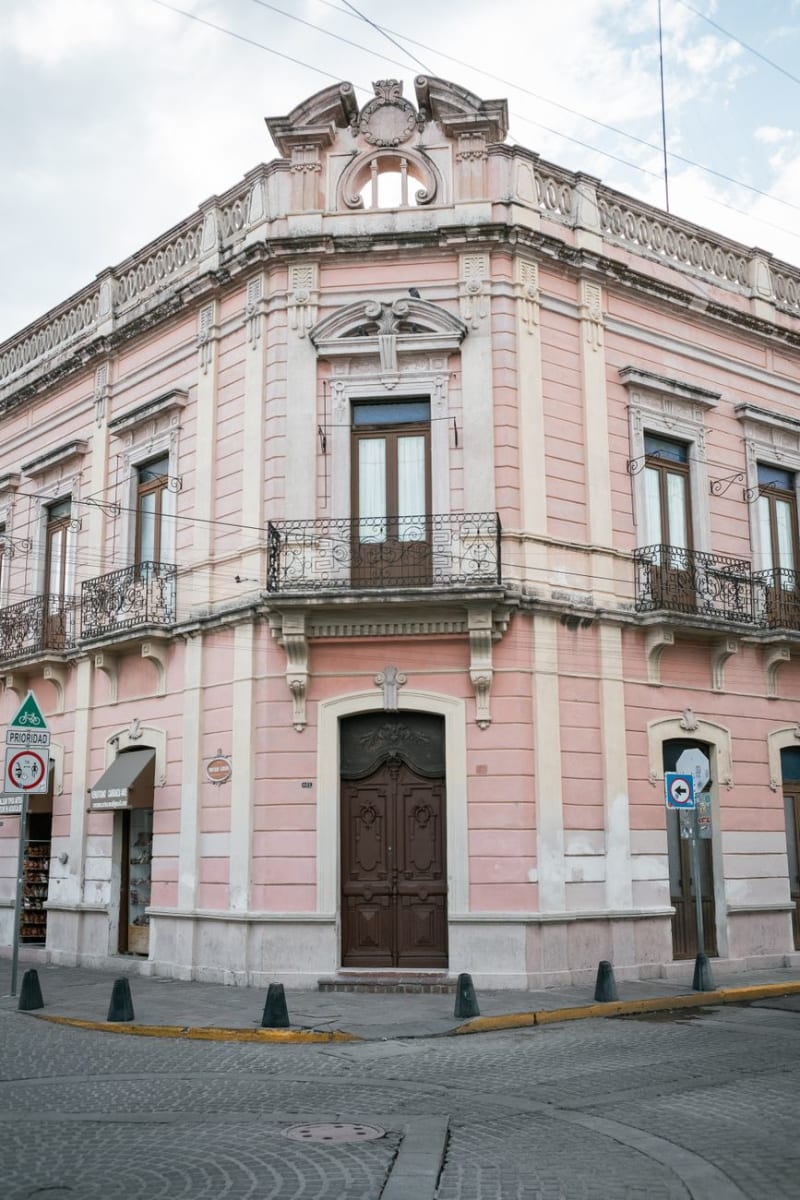 mexico
Linares
Linares is a colonial city 130 kilometers south of Monterrey in the citrus-growing zone of southern Nuevo León, founded in 1712, and one of the claimed birthplaces of the corrido norteño — the ballad tradition that eventually became the border music that eventually became the narcocorrido, with all the contested genealogy that implies. I planned to pass through in ninety minutes and stayed three hours because the breakfast was exceptional.
Explore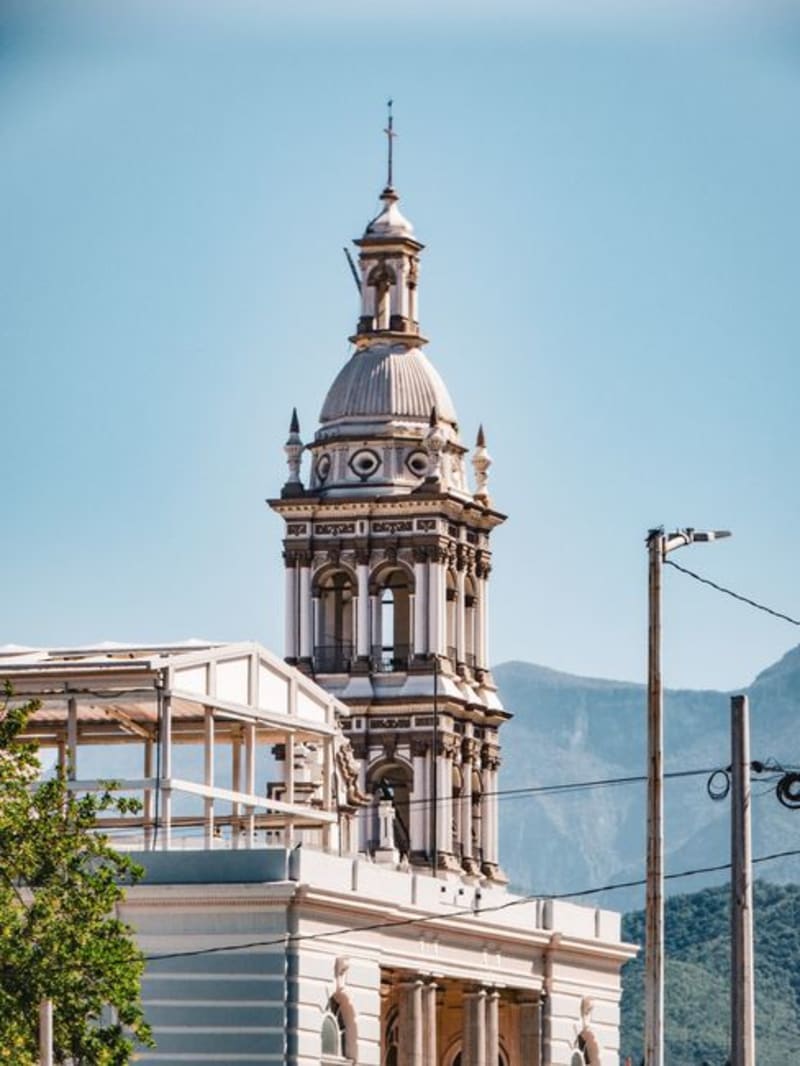 mexico
Linares
A colonial town at the foot of the Sierra Madre, Linares is the birthplace of the saraviada and home to a baroque cathedral that seems far too grand for its quiet streets. The surrounding citrus groves and the road south toward the Sierra de Tamaulipas make it a genuinely useful base — the kind of town that rewards arriving without expectations.
Explore mexico
Montemorelos
Nuevo León's citrus capital sits in a river valley where orange groves press right up against the colonial barrio, filling the air with something between sweetness and sting. On Sundays the tianguis wraps around an 18th-century parish church and turns the plaza into something worth staying for. Almost no one comes here from outside the region, which is the point.
Explore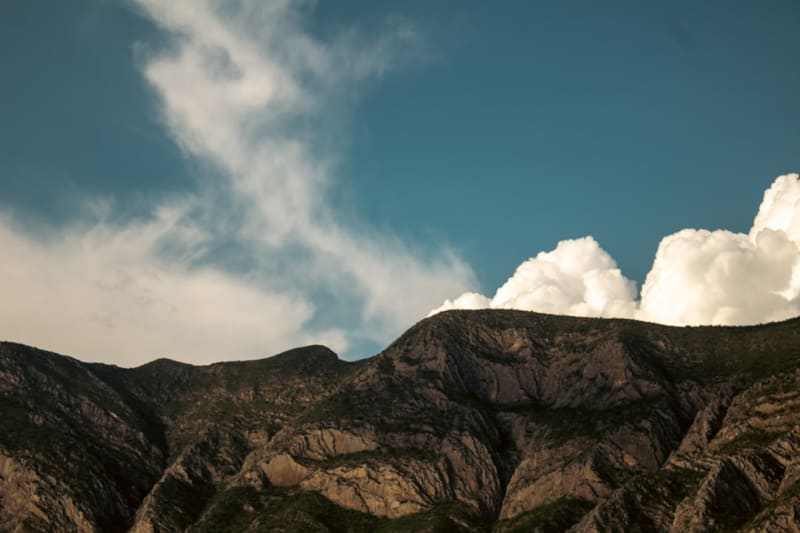 mexico
Monterrey
Mexico's industrial capital in a canyon of mountains — a city of extraordinary natural setting, world-class contemporary art, norteño culture, and the best cabrito in the country.
Explore