Linares
"Linares bakes good sweets, has a cathedral too grand for its streets, and seems pleased that you found it."
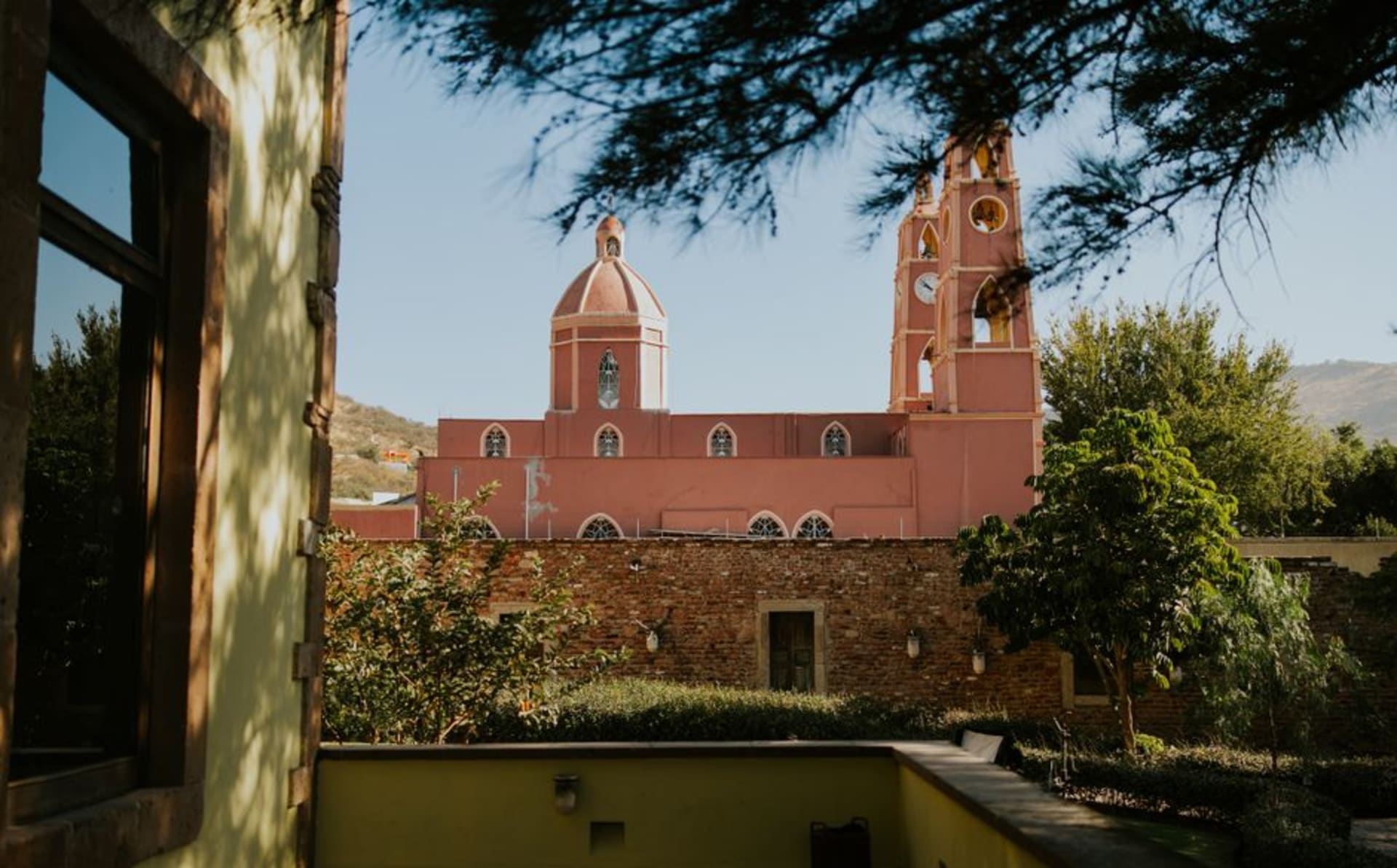
A colonial town at the foot of the Sierra Madre, Linares is the birthplace of the saraviada and home to a baroque cathedral that seems far too grand for its quiet streets. The surrounding citrus groves and the road south toward the Sierra de Tamaulipas make it a genuinely useful base — the kind of town that rewards arriving without expectations.

I arrived on a Tuesday, which turned out to be exactly right. The bus from Monterrey drops you at a terminal on the edge of town and a colectivo takes care of the rest. By the time I reached the plaza it was past noon, the heat was flat and serious, and an older woman under a canvas awning was arranging saraviadas in a plastic tray like she had been doing it since before I was born. I bought three, sat on a bench facing the cathedral, and thought: this place has no interest in performing for anyone.
The Cathedral and the Plaza
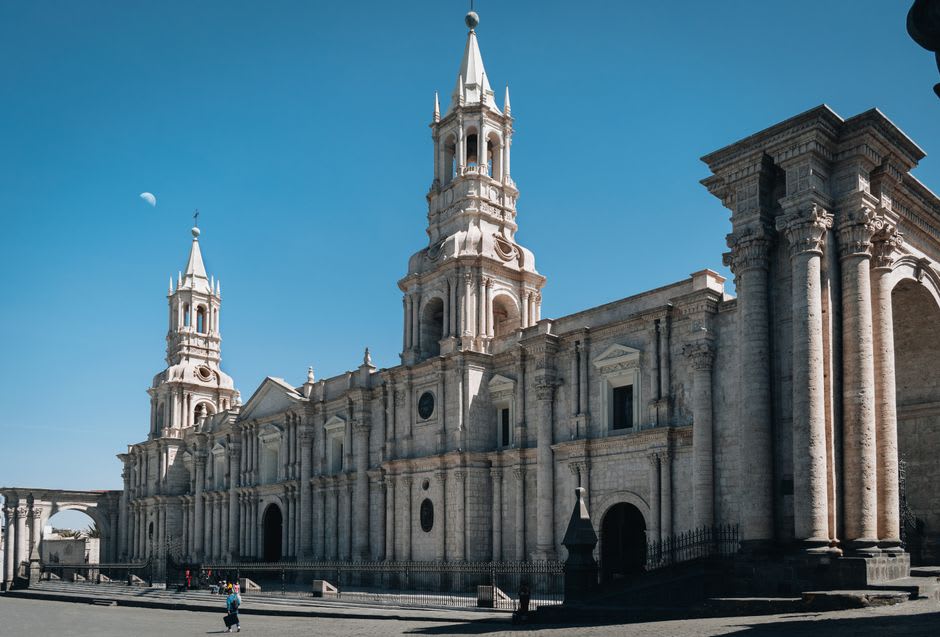
The Parroquia de San Felipe Apóstol occupies the north end of the plaza with the quiet confidence of something that knows it does not belong here by conventional logic — Linares is a town of maybe 80,000 people, and this is not a modest church. The baroque stonework on the facade is detailed enough that you stop mid-step without meaning to. Inside, it is cool and dark in the particular way of old Mexican churches, the air smelling of melted wax and cut flowers left too long in water. On Tuesday mornings a few women from nearby neighborhoods come to pray; there is no performance for visitors, which makes it feel more worth visiting. The plaza around it runs slow — a man selling elotes from a cart, a pharmacy with the door propped open, schoolchildren cutting through at exactly 1:30 when the shift ends.
Saraviadas and the Mercado
The saraviada is a small pillow of sugar paste, usually filled with cajeta or fruit, and Linares claims it as its own with the quiet pride of a town that has stopped arguing the point. The best place to find them is not a boutique — it is the Mercado Hidalgo on Calle Dr. Coss, where three or four vendors sell them alongside nopalitos, dried chiles, and big rounds of queso de cabra from the surrounding hills. I ate lunch at a fondita inside the market: caldo de res with a stack of handmade tortillas and a side of frijoles charros that had clearly been on the stove since morning. Seven pesos for the tortillas. The woman at the counter did not ask if I wanted more; she simply put them there.
Into the Foothills
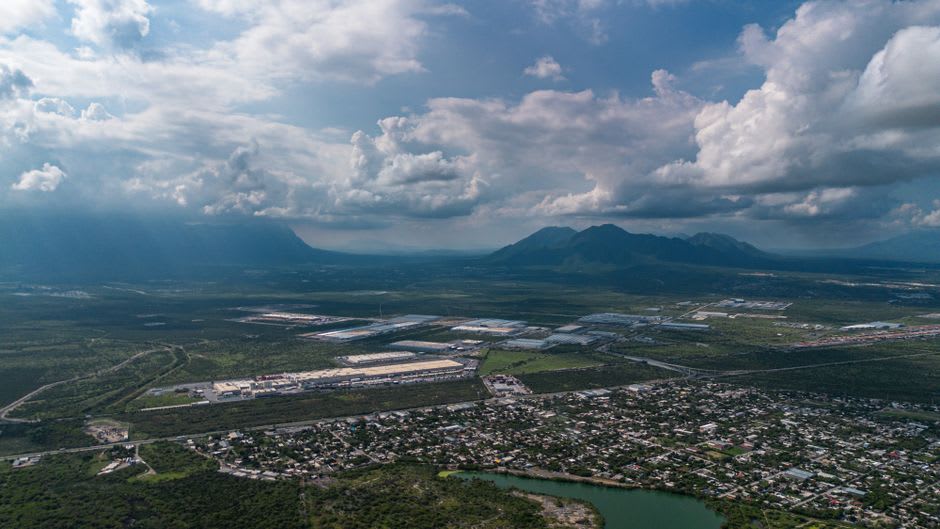
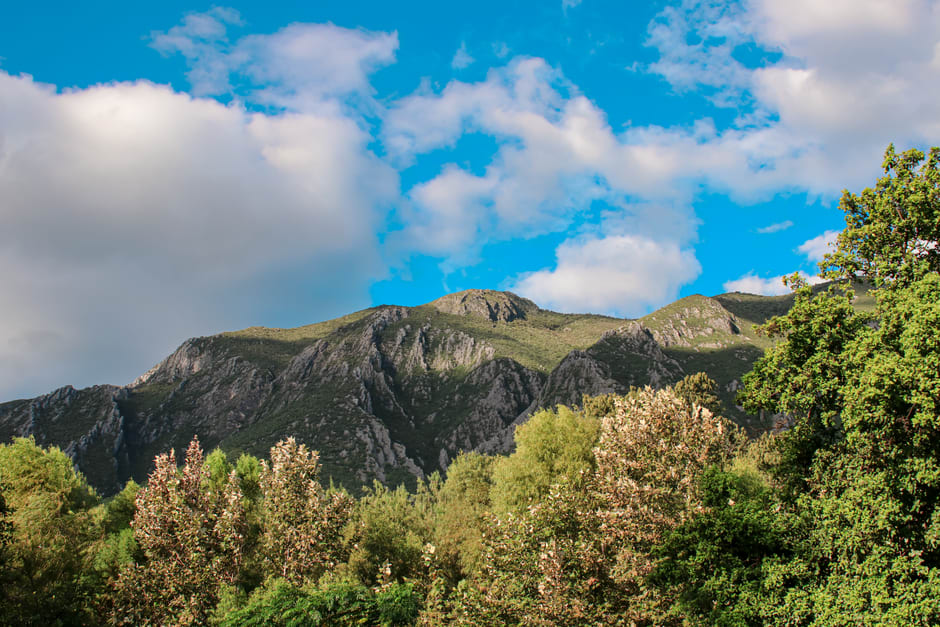
The road south out of Linares — Federal 58 toward San Roberto — passes through citrus groves before the land starts to fold upward toward the Sierra de Tamaulipas. I hired a taxi driver named Rodrigo for an afternoon run into the foothills; he charged a flat 300 pesos and spent the drive explaining which grove belonged to which family. The air cools noticeably as you climb. There is not a great deal of infrastructure for visitors out here, which is the point. You go for the light on the hills and the smell of the citrus when the windows are down.
Getting There
ETN and Omnibus de México run frequent buses from Monterrey’s Central de Autobuses to Linares — the ride is about two hours and costs around 180 pesos. From the Linares terminal, colectivos to the centro run constantly and cost next to nothing. There is no direct bus from the Pacific coast; plan a connection through Monterrey.
Keep exploring
More of Nuevo León
Keep exploring
More from Nuevo León
 mexico
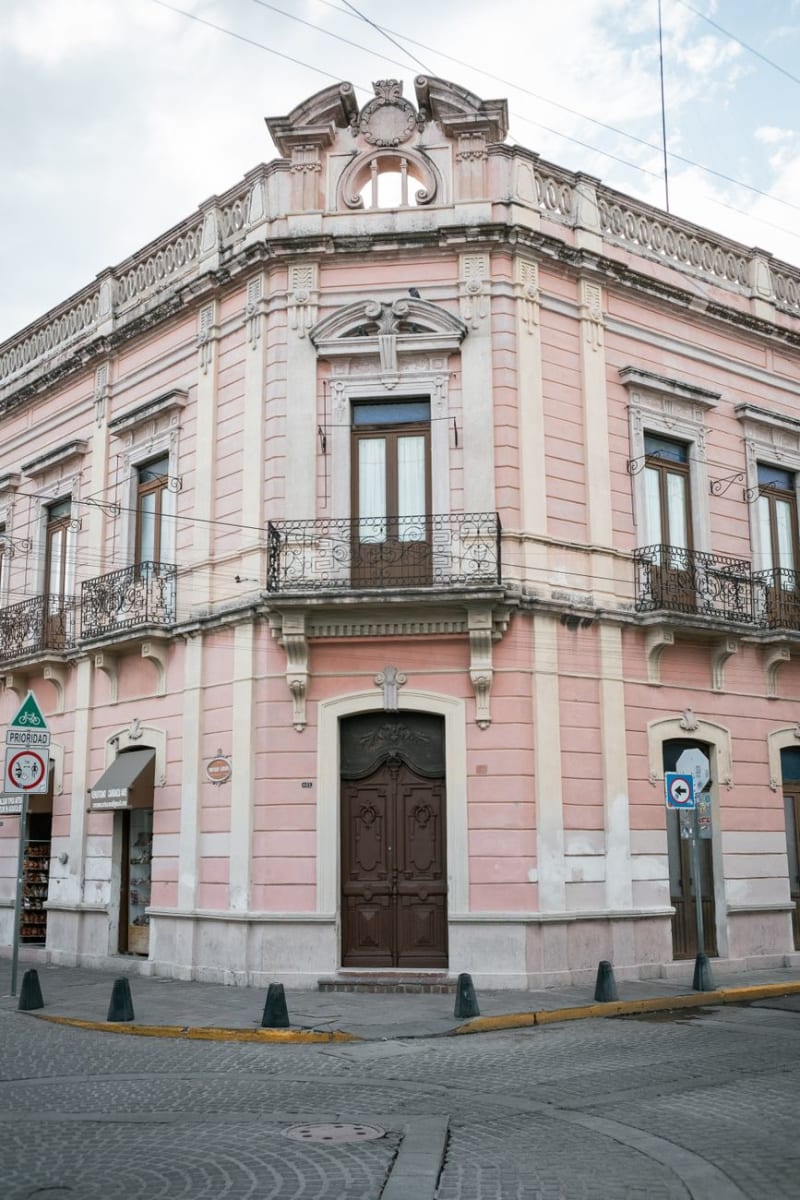
 Linares
Linares is a colonial city 130 kilometers south of Monterrey in the citrus-growing zone of southern Nuevo León, founded in 1712, and one of the claimed birthplaces of the corrido norteño — the ballad tradition that eventually became the border music that eventually became the narcocorrido, with all the contested genealogy that implies. I planned to pass through in ninety minutes and stayed three hours because the breakfast was exceptional.
Explore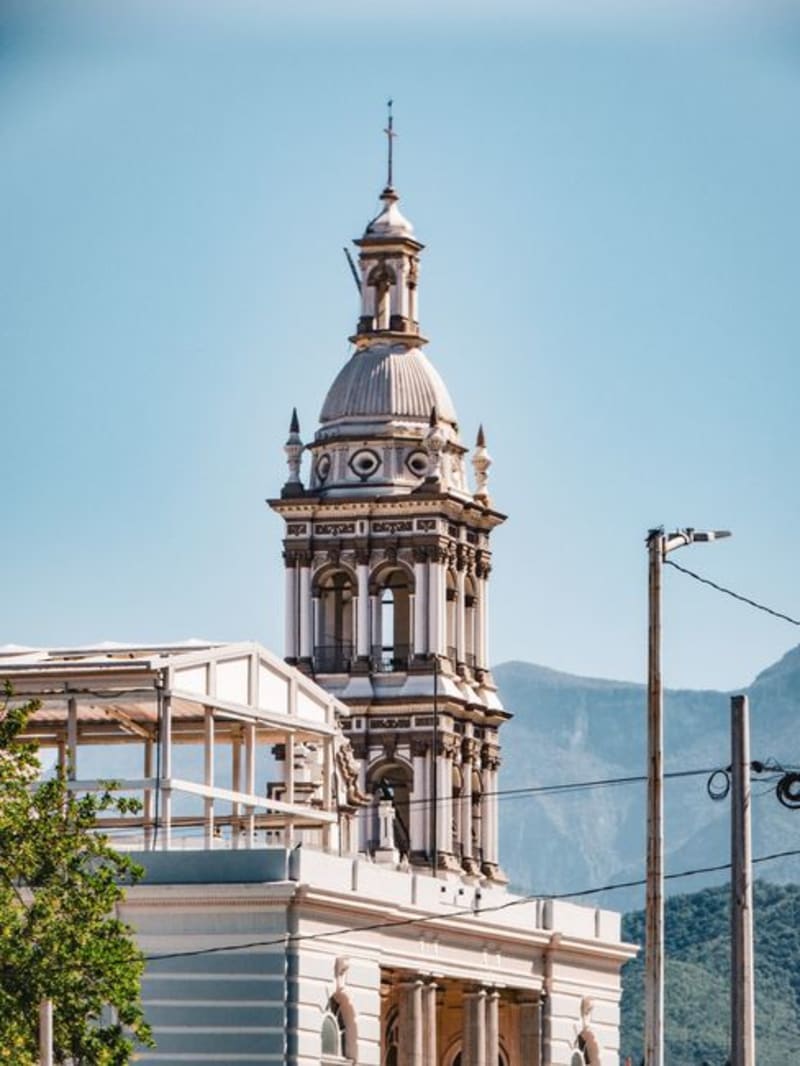 mexico
 Iturbide
Two hours south of Monterrey and two centuries back in atmosphere, Iturbide is a colonial mountain town in the Sierra Madre Oriental that built its identity on silver and quietly rebuilt it on artisanal mezcal and aged goat cheese. The plaza is genuinely pretty, the production is genuinely local, and neither has been packaged for anyone yet.
Explore mexico
 Montemorelos
Nuevo León's citrus capital sits in a river valley where orange groves press right up against the colonial barrio, filling the air with something between sweetness and sting. On Sundays the tianguis wraps around an 18th-century parish church and turns the plaza into something worth staying for. Almost no one comes here from outside the region, which is the point.
Explore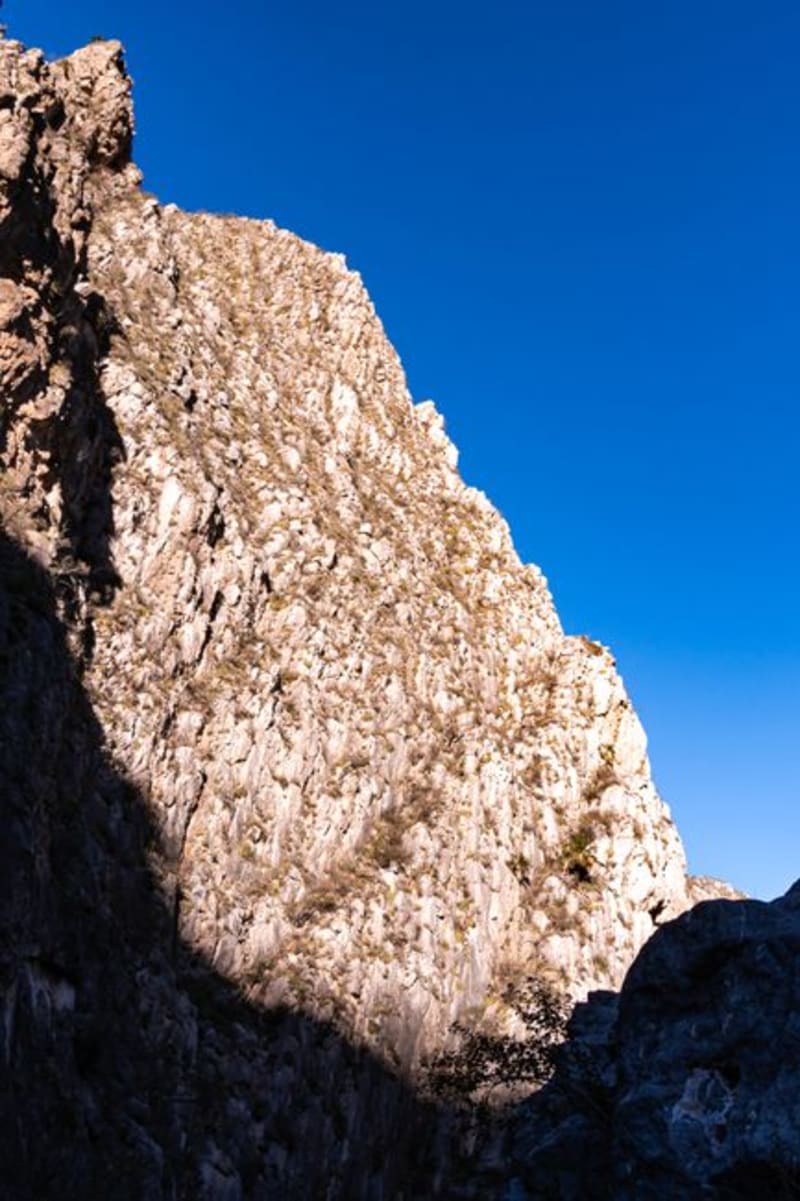 mexico
 Rayones
A village of perhaps eight hundred people lodged where two Sierra Madre canyons converge, reached by forty kilometers of gravel from Santiago — which is exactly why it still has the quality of a place that hasn't noticed it's supposed to be a destination.
Explore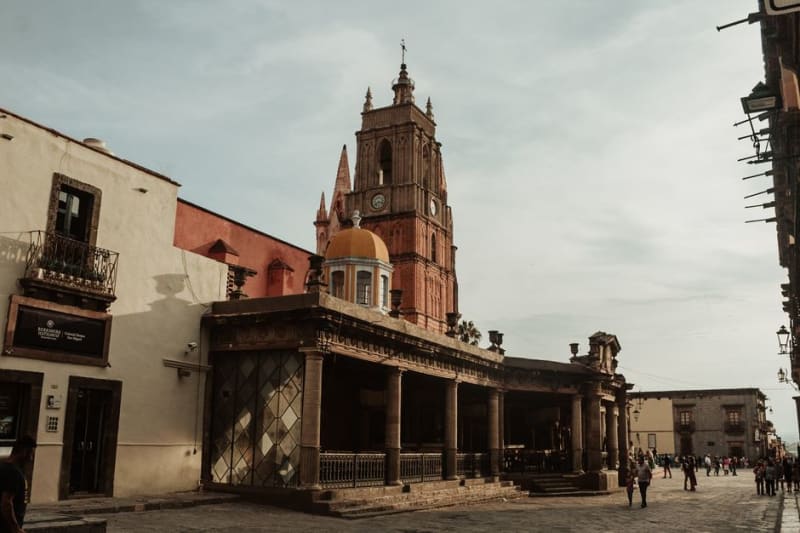 mexico
 Allende, Nuevo León
A colonial town south of Monterrey where the Río Ramos cuts through limestone hills and the weekend market draws regiomontanos back to something slower. The old centro has the unhurried quality of a place that became charming without trying.
Explore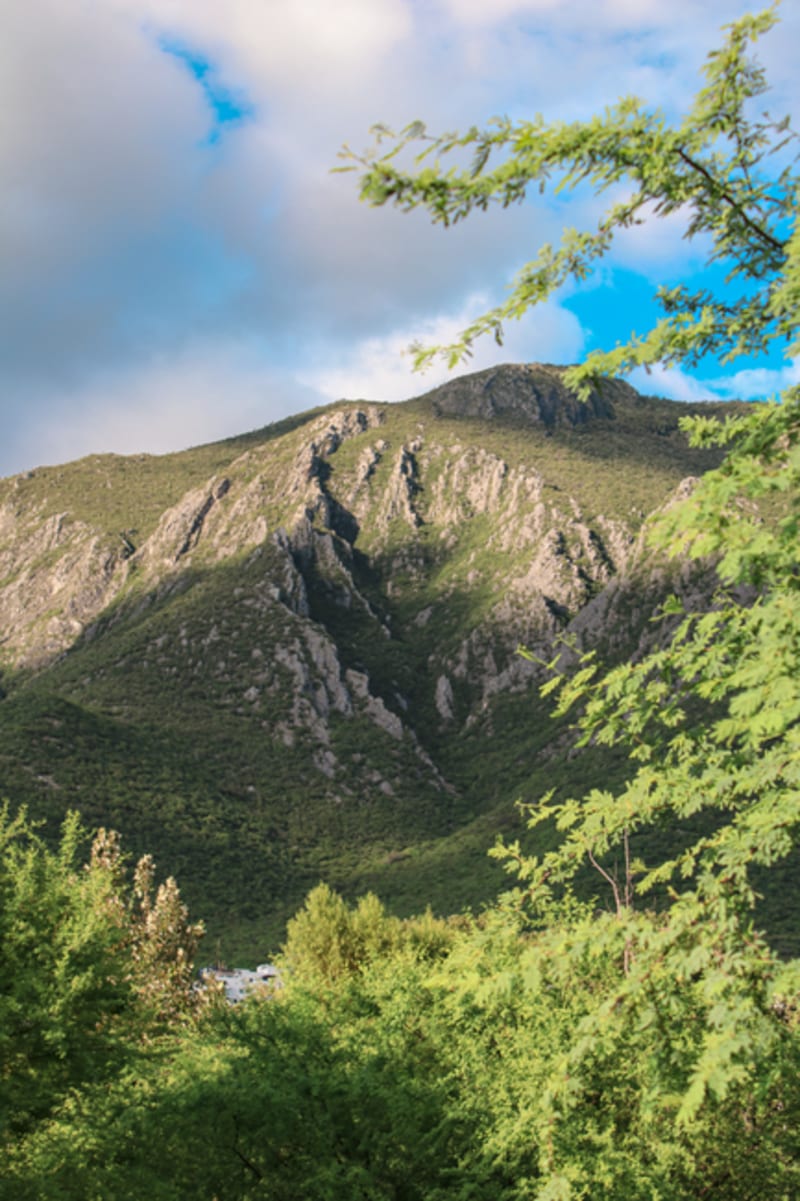 mexico
 Aramberri
Aramberri sits at the southern edge of Nuevo León where the Sierra Madre Occidental begins to assert itself, its valleys filled with apple and peach orchards that bloom pink each March. Small enough that a stranger's arrival draws genuine curiosity rather than a sales pitch, it is the kind of place the tourist infrastructure of northern Mexico has not yet found.
Explore