Linares
"I ordered breakfast without expectations. The machaca arrived and rearranged my morning entirely."
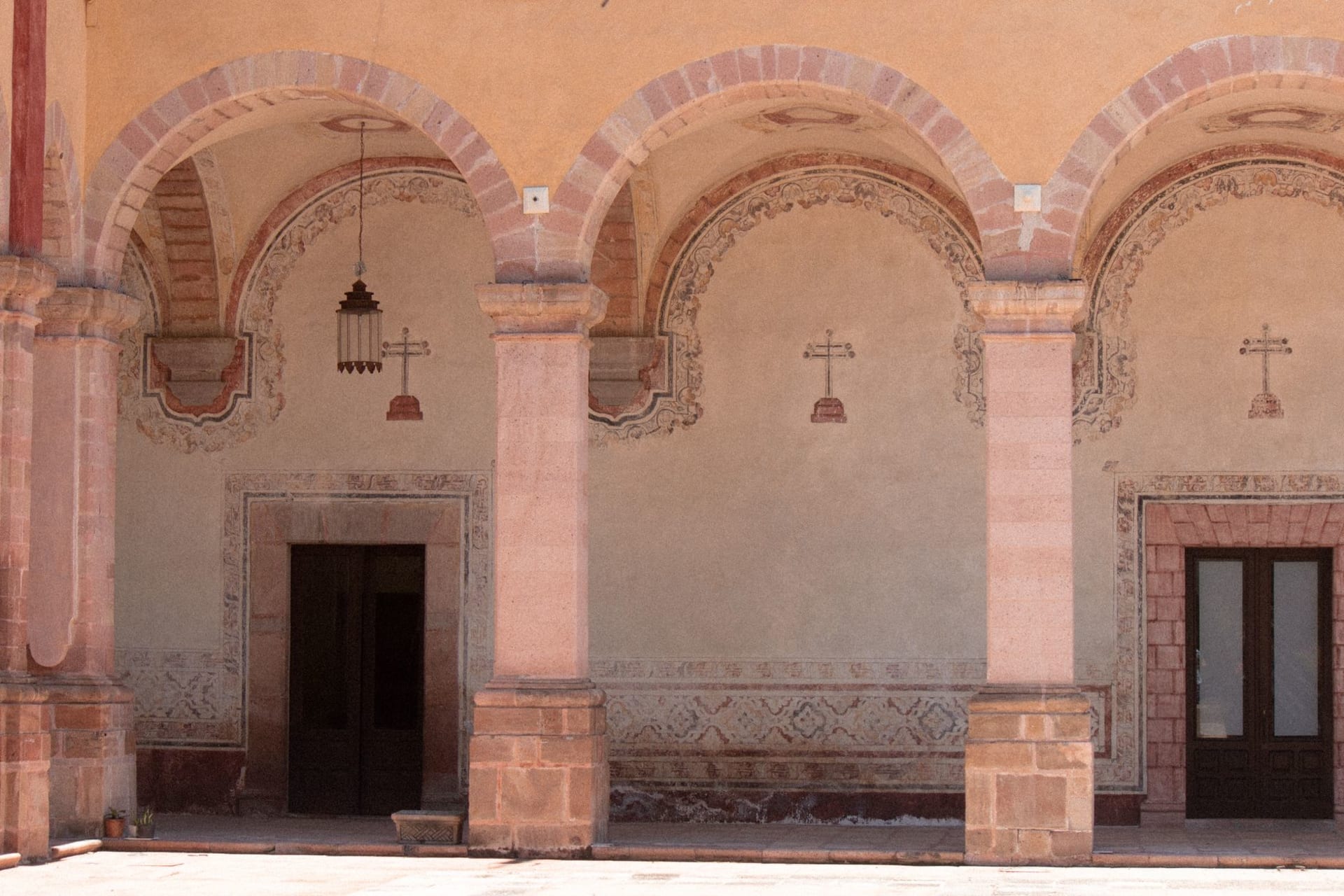
Linares is a colonial city 130 kilometers south of Monterrey in the citrus-growing zone of southern Nuevo León, founded in 1712, and one of the claimed birthplaces of the corrido norteño — the ballad tradition that eventually became the border music that eventually became the narcocorrido, with all the contested genealogy that implies. I planned to pass through in ninety minutes and stayed three hours because the breakfast was exceptional.

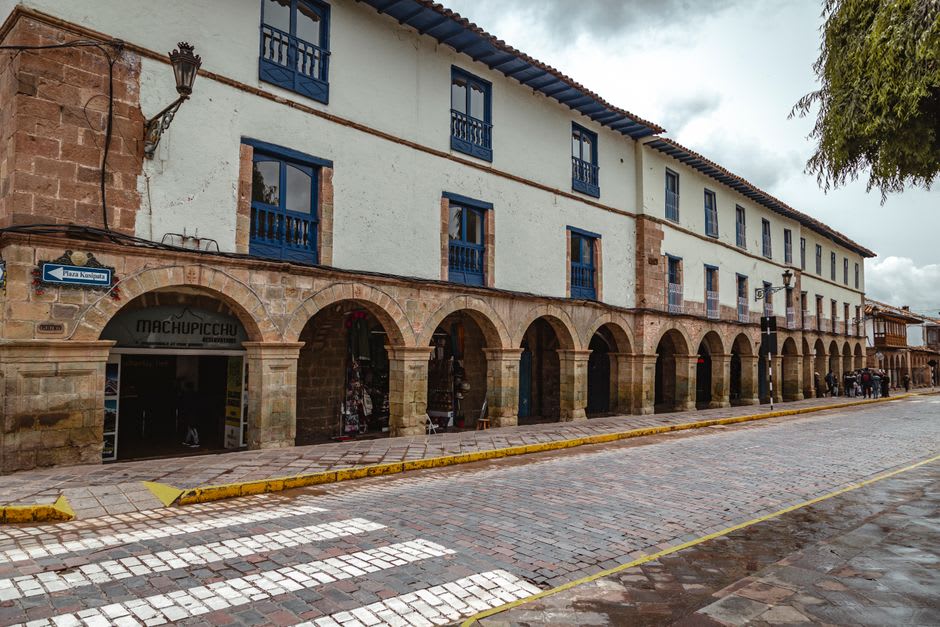
Linares was on my list as a transit point between Monterrey and the coast, which is the wrong way to approach a city with a legitimate colonial center and a food tradition rooted in the ranching and citrus culture of southern Nuevo León. I arrived planning to look at the church and get back in the car. I left three hours later, full to the point of slight discomfort, having abandoned the original itinerary entirely.
The city sits in the foothills of the Sierra Madre Oriental at an altitude just below 400 meters, which means it gets the dryness of the Nuevo León interior without the extreme heat of the coastal lowlands further south. The surrounding valley is planted with citrus — oranges, tangerines, and the sour varieties particular to Nuevo León cooking, including naranja agria, which shows up in marinades and sauces in a way that makes the local food taste distinctly different from what you eat in central Mexico. The groves are most visible from the road in, and in winter the fruit is on the trees, which gives the approach to the city a Mediterranean quality that I wasn’t expecting.
The Corrido Question
The origin story of the corrido norteño is contested in the way all music origin stories are contested, which is to say that multiple towns claim it and historians disagree and the music itself predates any documentation you’d need to settle the argument. But Linares’s claim is serious enough to have produced some academic literature, and the town has leaned into it in the way small cities lean into cultural distinctions that set them apart from larger neighbors.
The corrido is a ballad form — narrative song, telling stories of heroes, villains, battles, love, betrayal. In the northeast, the narrative subjects evolved over the nineteenth century to include border conflict, smuggling, and eventually the figures of the drug trade, which produced the narcocorrido, a genre that is now one of the most commercially successful forms of Mexican popular music and also one of the most politically complicated. The version Linares claims to have birthed is the foundational form, the lyrical ballad tradition that preceded all of that.
I went looking for a live corrido performance and didn’t find one — a weekday morning in a mid-sized Nuevo León city is not the right time or place. But the heritage is present in the way local cultural heritage usually is: some street murals, a museum reference, the name of a plaza. The music lives in the recordings, and when I listened to some early norteño recordings in the car afterward, the Linares countryside felt like a fitting backdrop.
The Breakfast That Changed the Day
The market comedor where I ended up is the kind of place I gravitate toward when I’m in an unfamiliar Mexican city: a covered market stall with four or five tables, a handwritten menu on a board, a woman cooking on a gas range and managing five orders simultaneously. The tables were full when I arrived at nine in the morning, which is always a good sign.
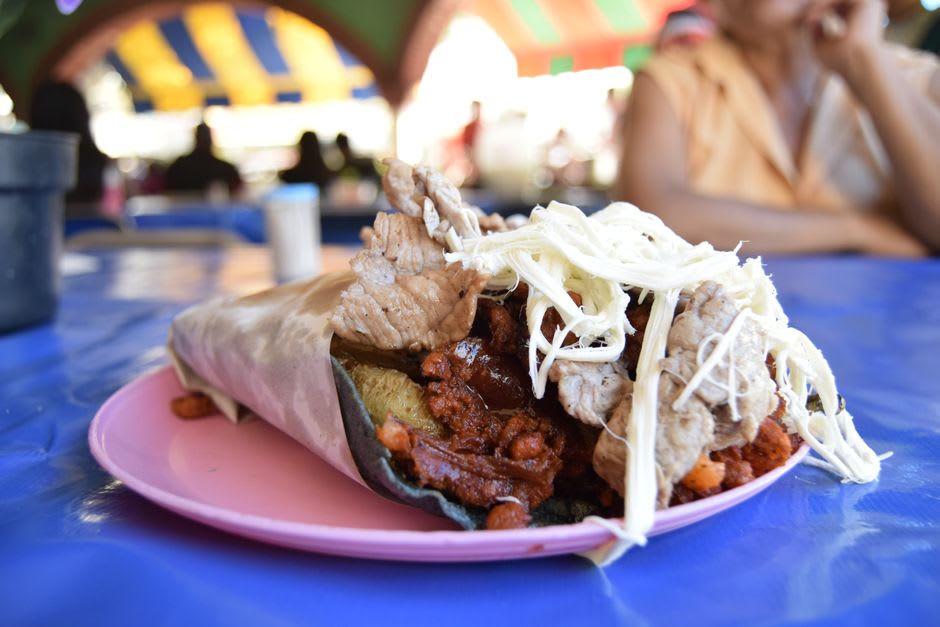
I ordered machaca con huevo — the dried, shredded beef of the northeastern Mexico tradition, reconstituted and scrambled with eggs, tomato, chile, and onion — and a side of frijoles charros, the soupy pinto beans with bacon and chiles that the northeast does better than anywhere else I’ve eaten them. The tortillas were flour, the northeastern default, pressed thin and cooked on the comal while I waited.
The machaca arrived and was extraordinary. The beef had been dried and pounded to the fibrous, slightly salty texture that this preparation requires, then cooked with a freshness of tomato and chile that cut through the richness. The frijoles charros had pork in them at a ratio suggesting the cook did not consider pork an enhancement but a structural element.
I ate everything. I ordered more tortillas. I sat at that table for an hour talking to nobody, listening to the market noise around me, and periodically reconsidering my original plan to drive through quickly.
Getting There
Linares is on Federal Highway 85, the main road between Monterrey and Matamoros, about 130 kilometers south of Monterrey. Buses from Monterrey’s main terminal run regularly; the journey is about two hours. The colonial center is compact — the plaza, church, and market are all within walking distance of each other. If you’re driving the northeast, Linares makes an excellent half-day stop or lunch break on the way south. The citrus season peaks from November through February, which also happens to be the best weather. Try the local candied citrus sweets — glorias and cajeta from the region are worth buying at the market.
Keep exploring
More of Nuevo León
Keep exploring
More from Nuevo León
 mexico
 Linares
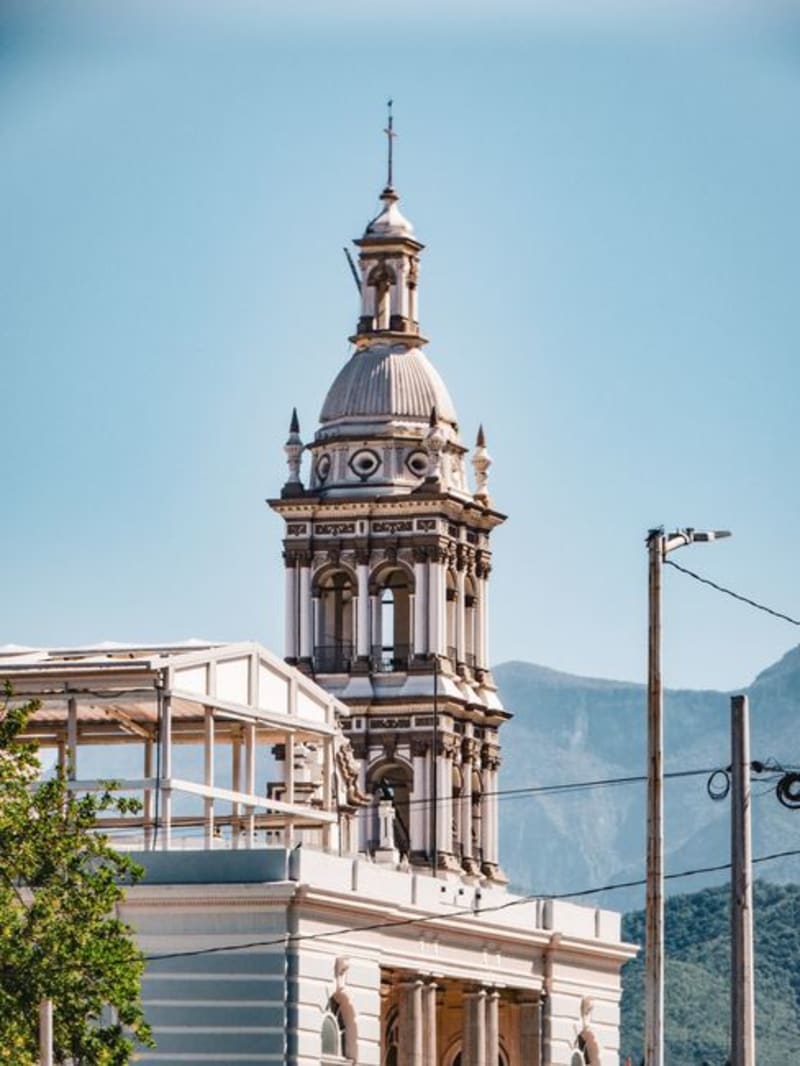
A colonial town at the foot of the Sierra Madre, Linares is the birthplace of the saraviada and home to a baroque cathedral that seems far too grand for its quiet streets. The surrounding citrus groves and the road south toward the Sierra de Tamaulipas make it a genuinely useful base — the kind of town that rewards arriving without expectations.
Explore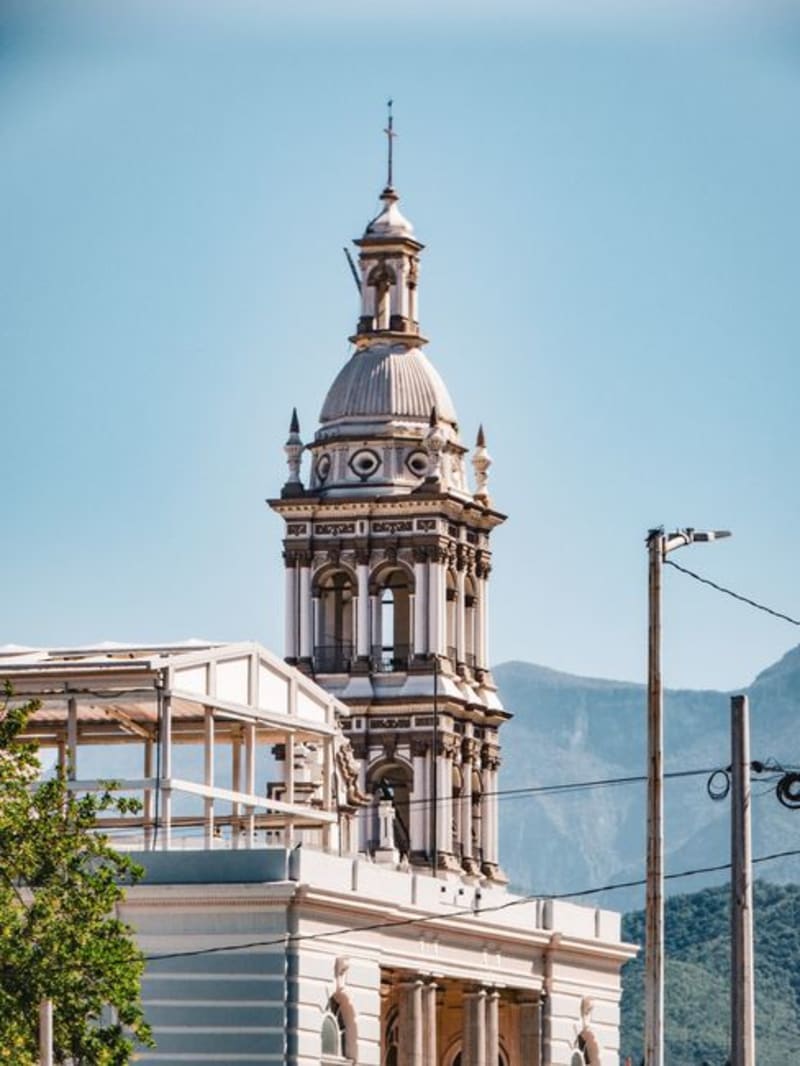 mexico
 Iturbide
Two hours south of Monterrey and two centuries back in atmosphere, Iturbide is a colonial mountain town in the Sierra Madre Oriental that built its identity on silver and quietly rebuilt it on artisanal mezcal and aged goat cheese. The plaza is genuinely pretty, the production is genuinely local, and neither has been packaged for anyone yet.
Explore mexico
 Montemorelos
Nuevo León's citrus capital sits in a river valley where orange groves press right up against the colonial barrio, filling the air with something between sweetness and sting. On Sundays the tianguis wraps around an 18th-century parish church and turns the plaza into something worth staying for. Almost no one comes here from outside the region, which is the point.
Explore mexico
 Rayones
A village of perhaps eight hundred people lodged where two Sierra Madre canyons converge, reached by forty kilometers of gravel from Santiago — which is exactly why it still has the quality of a place that hasn't noticed it's supposed to be a destination.
Explore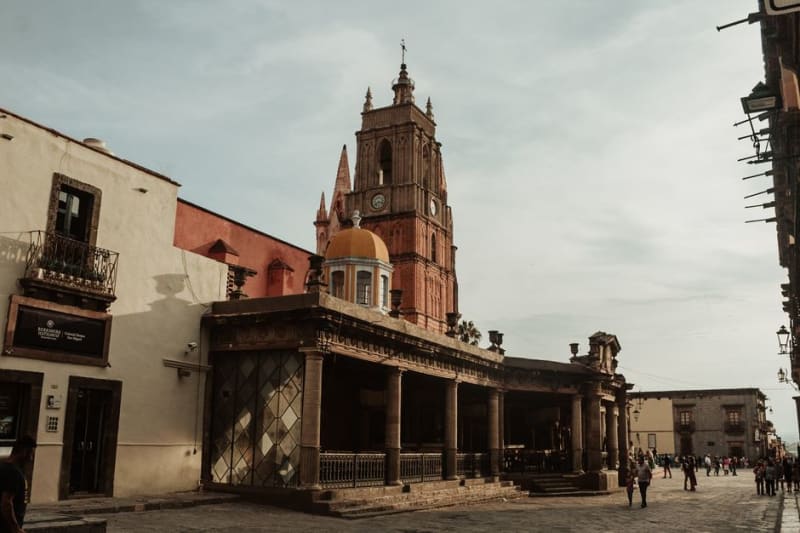 mexico
 Allende, Nuevo León
A colonial town south of Monterrey where the Río Ramos cuts through limestone hills and the weekend market draws regiomontanos back to something slower. The old centro has the unhurried quality of a place that became charming without trying.
Explore mexico
 Aramberri
Aramberri sits at the southern edge of Nuevo León where the Sierra Madre Occidental begins to assert itself, its valleys filled with apple and peach orchards that bloom pink each March. Small enough that a stranger's arrival draws genuine curiosity rather than a sales pitch, it is the kind of place the tourist infrastructure of northern Mexico has not yet found.
Explore